
Vue d'ensemble et contexte industriel
Les boissons gazeuses sont un pilier de l'industrie des boissons depuis des décennies. Cependant, avec l'évolution des préférences des consommateurs et l'accent croissant mis sur la santé et la durabilité, l'avenir de la production de boissons gazeuses subit des transformations significatives. Cet article explore les dernières tendances et innovations qui façonnent le secteur.
Avantages et bénéfices
La production de boissons gazeuses évolue pour répondre aux exigences des consommateurs soucieux de leur santé, tout en conservant le pétillant et la saveur tant appréciés. Les innovations dans les processus de production permettent d'obtenir une teneur en sucre réduite, des ingrédients naturels et un impact environnemental moindre, séduisant ainsi un public plus large.
Types et variantes
Des sodas traditionnels aux eaux pétillantes, le marché des boissons gazeuses offre une vaste gamme d'options pour répondre aux préférences variées des consommateurs. De nouvelles catégories telles que le kombucha, les eaux de Seltz aromatisées et les boissons énergisantes gagnent en popularité, stimulant l'innovation dans les techniques de production.
Applications et cas d'utilisation
Les boissons gazeuses trouvent des applications dans divers contextes, notamment les magasins de détail, les restaurants et les distributeurs automatiques. Elles constituent des boissons rafraîchissantes pour les consommateurs à la recherche d'un remontant rapide ou d'une alternative savoureuse à l'eau plate. La polyvalence des boissons gazeuses en fait un choix populaire auprès de tous les segments démographiques.
Détails techniques et perspectives opérationnelles
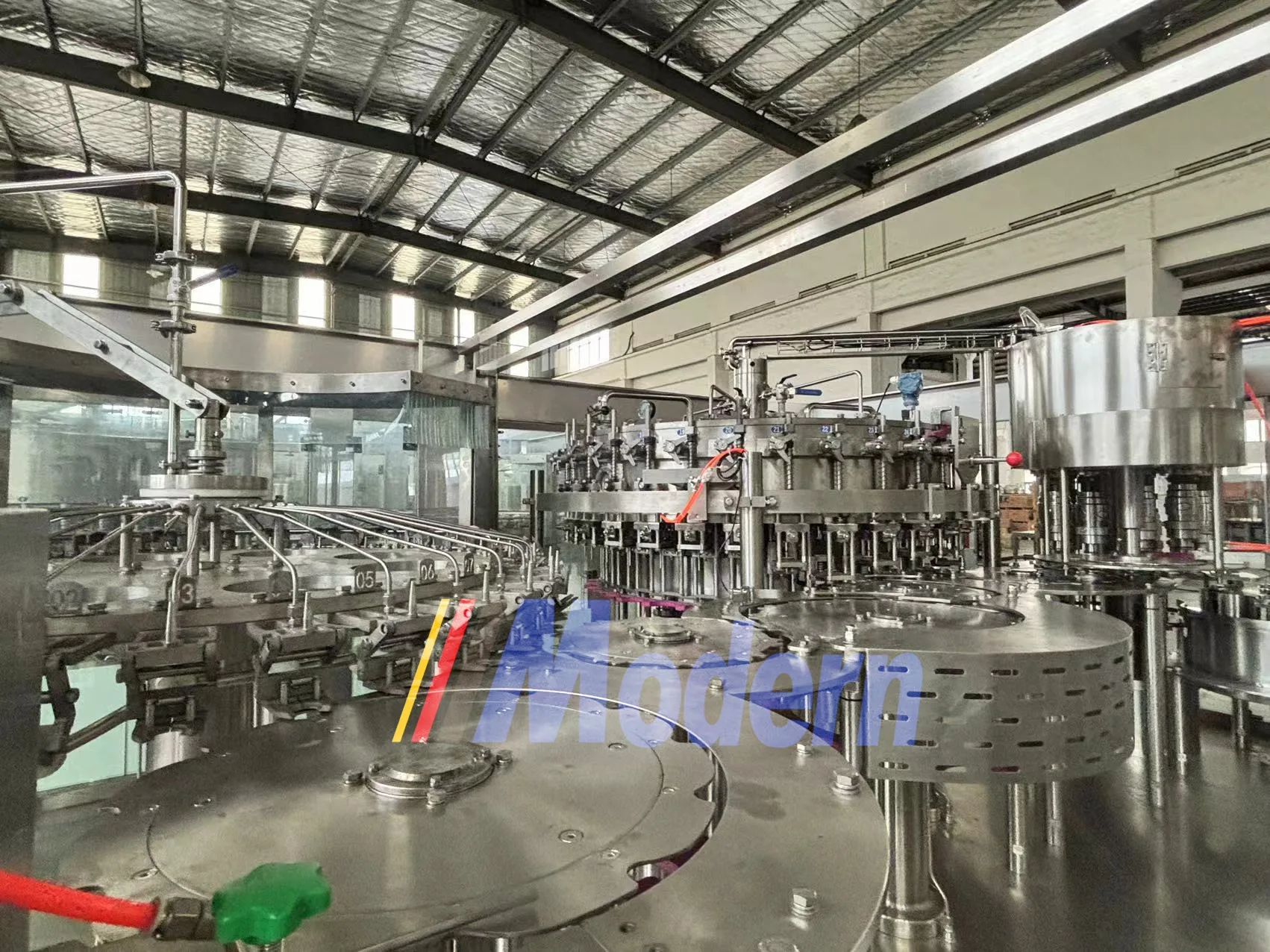
La production de boissons gazeuses implique une combinaison de processus de carbonatation, d'aromatisation et de conditionnement. Les fabricants mettent en œuvre des technologies avancées pour améliorer l'efficacité, le contrôle qualité et la constance des produits. Des niveaux de carbonatation aux techniques d'embouteillage, chaque détail joue un rôle crucial dans le produit final.
Bonnes pratiques et conseils d'entretien
Pour les entreprises impliquées dans la production de boissons gazeuses, assurer la maintenance des équipements, le respect des normes d'hygiène et la qualité des ingrédients est essentiel pour l'intégrité du produit et la sécurité des consommateurs. Un nettoyage régulier, l'étalonnage des machines et le respect des réglementations sectorielles sont des facteurs clés pour maintenir l'excellence de la production.
Tendances du marché et perspectives de l'industrie
L'industrie des boissons gazeuses assiste à une transition vers des options plus saines, incluant des variantes hypocaloriques, des édulcorants naturels et des ingrédients fonctionnels. Les solutions d'emballage durables, telles que les matériaux recyclables et la réduction de l'utilisation de plastique, deviennent des normes industrielles pour répondre aux préoccupations environnementales.
Défis et solutions
Les défis courants dans la production de boissons gazeuses incluent l'inconstance des saveurs, le gaspillage de production et les inefficacités d'emballage. Pour surmonter ces obstacles, les fabricants investissent dans des techniques de profilage des saveurs, des stratégies de réduction des déchets et des conceptions d'emballage innovantes qui privilégient la recyclabilité et l'éco-conception.
Durabilité et perspectives d'avenir
À mesure que la sensibilisation des consommateurs aux enjeux environnementaux grandit, l'avenir de la production de boissons gazeuses dépend de pratiques durables et d'un approvisionnement responsable. De la réduction des émissions de carbone dans les installations de production à l'exploration de solutions d'emballage alternatives, l'industrie s'oriente vers un avenir plus vert et plus éco-responsable.
En conclusion, l'avenir de la production de boissons gazeuses est marqué par un mélange d'innovation, de durabilité et d'approches centrées sur le consommateur. En adoptant les dernières tendances et technologies, les fabricants peuvent répondre aux préférences changeantes des consommateurs tout en contribuant à un paysage industriel des boissons plus respectueux de l'environnement.
Pour les acteurs du commerce international B2B cherchant à garder une longueur d'avance sur le marché concurrentiel des boissons, rester informé de ces tendances et adopter les meilleures pratiques en matière de production de boissons gazeuses sera essentiel pour réussir dans un paysage industriel en constante évolution.


