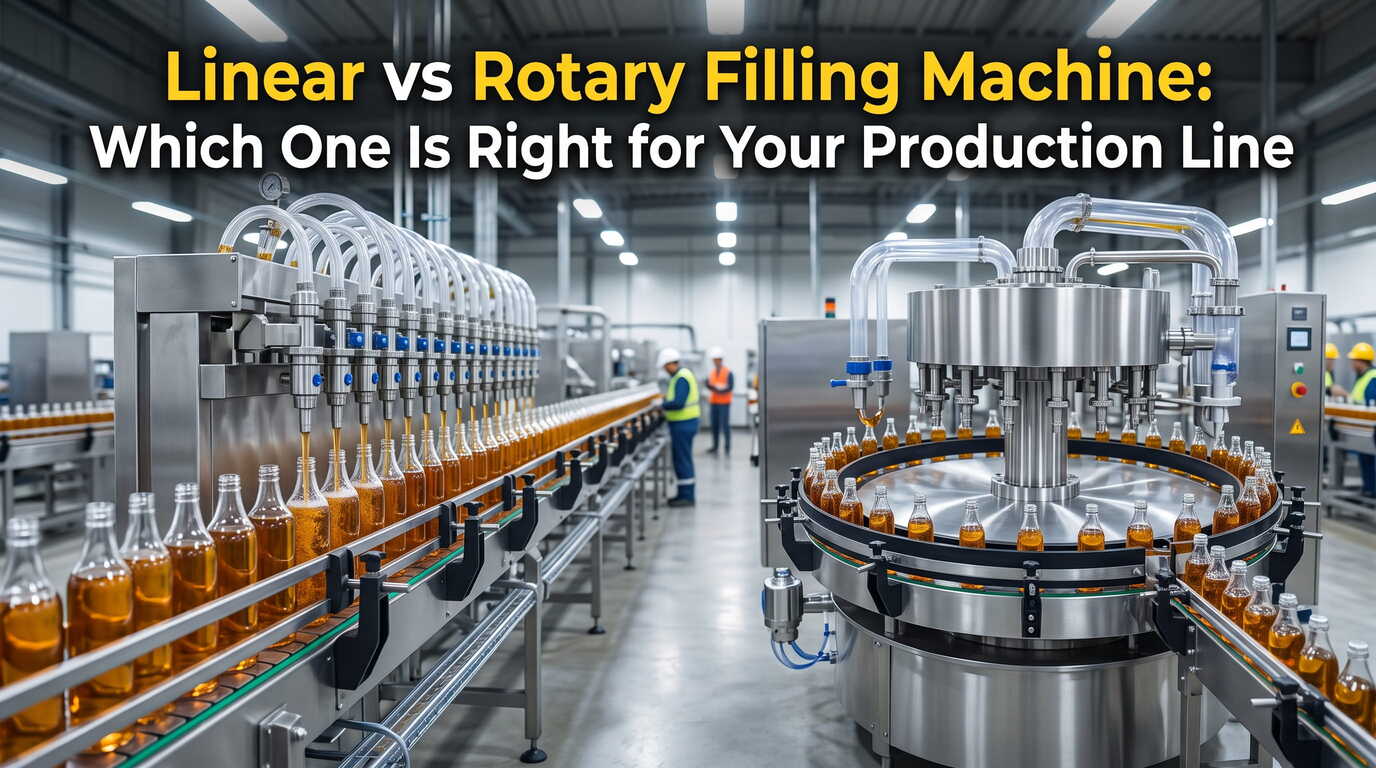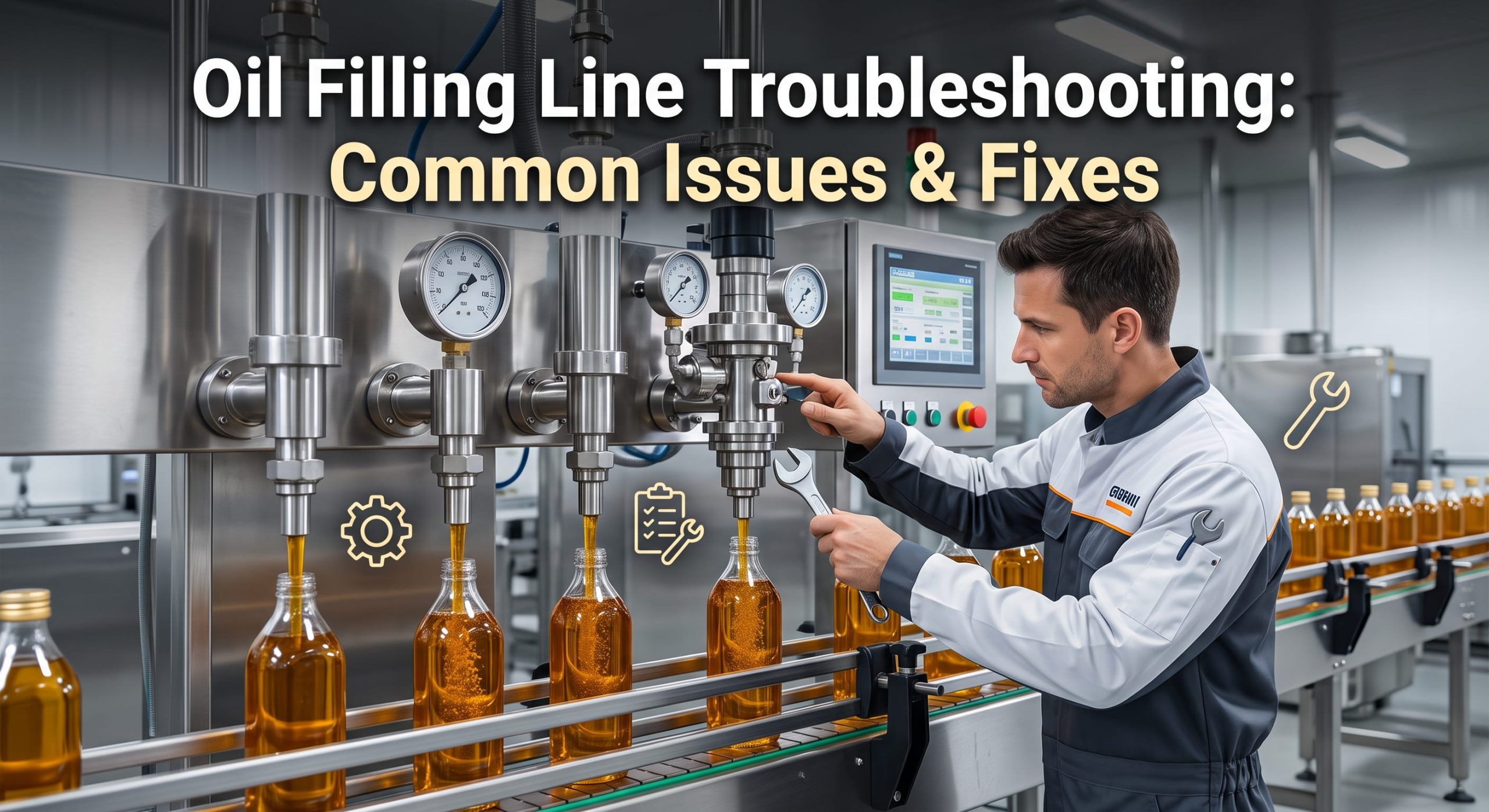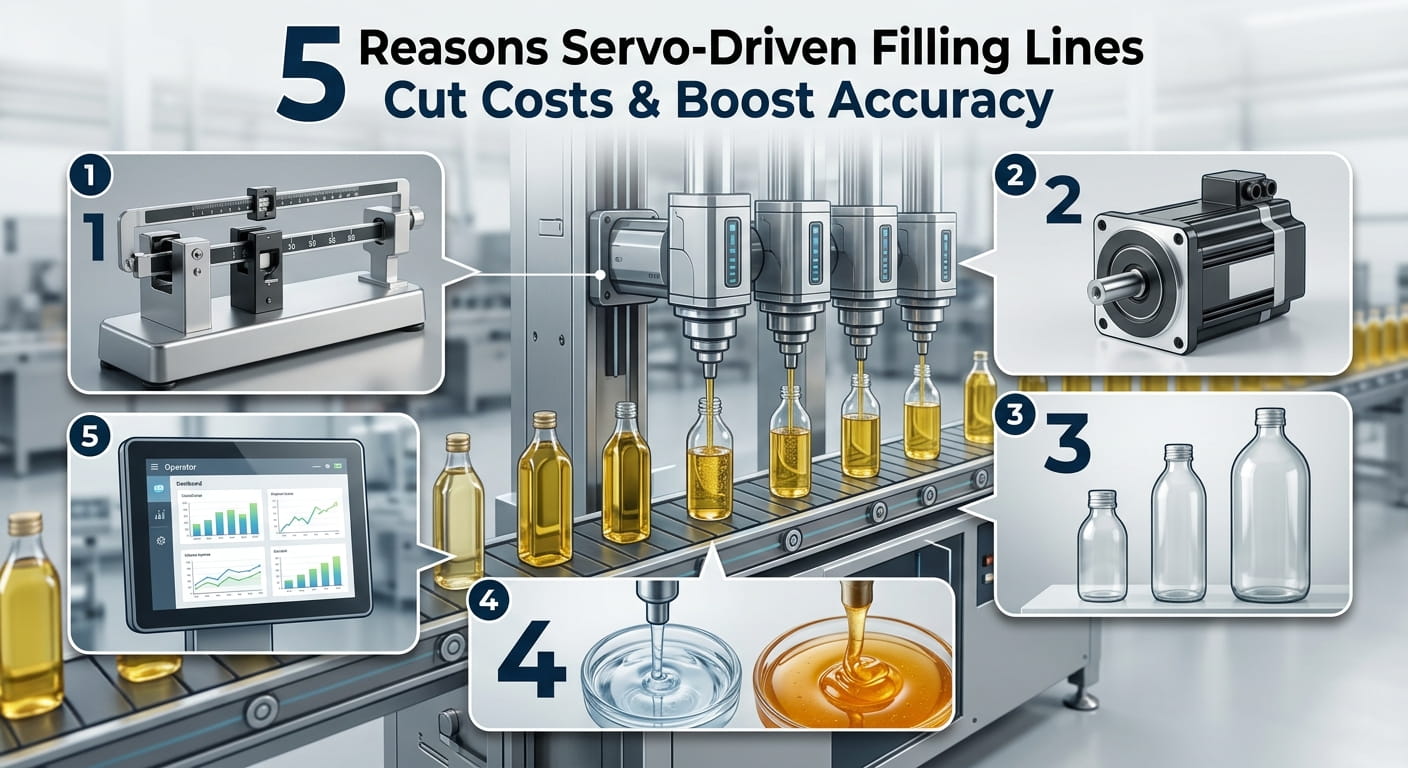

Les boissons gazeuses (CSD) sont un choix de boisson apprécié des consommateurs du monde entier depuis des décennies. Du cola classique aux saveurs fruitées, les boissons gazeuses restent une option de rafraîchissement populaire. En coulisses, la production de ces boissons pétillantes a connu une évolution significative, notamment dans le domaine des machines de remplissage. Cet article explore le parcours des machines de remplissage de boissons gazeuses, de l'opération manuelle aux processus automatisés avancés.
Les débuts : le remplissage manuel
Aux débuts de la production de boissons gazeuses, les machines de remplissage étaient principalement actionnées manuellement. Les opérateurs remplissaient méticuleusement les bouteilles ou les canettes avec la boisson gazeuse, souvent à l'aide d'outils simples tels que des entonnoirs ou des systèmes par gravité. Ce processus manuel était exigeant en main-d'œuvre et sujet aux imprécisions, entraînant des variations dans les niveaux de remplissage et des inefficacités de production.
Avancées des machines semi-automatisées
Face à la demande croissante de boissons gazeuses, l'industrie a évolué vers des machines de remplissage semi-automatisées. Ces machines étaient équipées de fonctionnalités d'automatisation de base, telles que des vannes de remplissage et des systèmes de convoyage, afin de rationaliser le processus de production. Bien que les machines semi-automatisées aient amélioré l'efficacité et la précision par rapport au remplissage manuel, elles présentaient encore des limites en termes de vitesse et d'évolutivité.
L'essor des machines de remplissage entièrement automatisées
Grâce aux avancées technologiques et aux innovations en ingénierie, les machines de remplissage entièrement automatisées ont révolutionné l'industrie de la production de boissons gazeuses. Ces machines sophistiquées intègrent des mécanismes de remplissage précis, des systèmes de surveillance en temps réel et des commandes automatisées pour garantir des niveaux de remplissage constants et minimiser le gaspillage. Les machines de remplissage automatisées peuvent s'adapter à diverses formes et tailles de bouteilles, ce qui les rend adaptées à une large gamme de boissons gazeuses.
Avantages des machines de remplissage automatisées
L'adoption de machines de remplissage automatisées dans la production de boissons gazeuses offre de nombreux avantages aux fabricants :
- Efficacité accrue : Les machines de remplissage automatisées peuvent traiter un volume élevé de bouteilles ou de canettes dans un laps de temps plus court, ce qui améliore l'efficacité de la production.
- Niveaux de remplissage constants : Les commandes précises des machines automatisées garantissent des niveaux de remplissage uniformes, préservant la qualité du produit et réduisant les variations.
- Économies de coûts : Les processus automatisés réduisent les coûts de main-d'œuvre et minimisent le gaspillage de produit, ce qui se traduit par des économies à long terme pour les fabricants.
- Une plus grande flexibilité : Les machines de remplissage automatisées peuvent être facilement ajustées pour s'adapter à différentes tailles de contenants et variantes de produits, offrant ainsi une flexibilité de production.
- Contrôle qualité amélioré : Les systèmes de surveillance en temps réel intégrés aux machines automatisées permettent aux fabricants de contrôler et d'ajuster les paramètres de production, garantissant une sortie de haute qualité.
Tendances futures et innovations dans les machines de remplissage de boissons gazeuses
En se tournant vers l'avenir, le secteur des machines de remplissage de boissons gazeuses est prêt pour de nouvelles avancées et innovations. Les tendances clés qui façonnent l'industrie incluent :
- Intégration de technologies intelligentes : Intégration de capteurs IoT et de capacités d'analyse de données dans les machines de remplissage pour la maintenance prédictive et l'optimisation des performances.
- Solutions respectueuses de l'environnement : Développement de solutions d'emballage durables et de machines de remplissage écoénergétiques pour réduire l'impact environnemental.
- Personnalisation et sur-mesure : Adoption de technologies de remplissage flexibles pour répondre à la demande croissante de boissons gazeuses personnalisées.
- Automatisation renforcée : Accent continu sur l'amélioration des fonctionnalités d'automatisation pour accroître davantage l'efficacité de la production et la qualité des produits.
Conclusion
L'évolution des machines de remplissage de boissons gazeuses, du manuel vers l'automatisé, a considérablement transformé le paysage de la production dans l'industrie des boissons. En adoptant des technologies avancées et l'automatisation, les fabricants peuvent atteindre une efficacité, une cohérence et une qualité supérieures dans la production de boissons gazeuses. À mesure que l'industrie continue d'évoluer, rester à l'affût des tendances émergentes et des innovations technologiques en matière de remplissage sera crucial pour répondre aux demandes des consommateurs et maintenir un avantage concurrentiel sur le marché.