
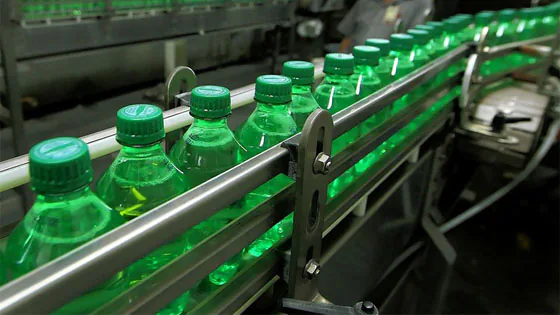
Dans l'industrie actuelle des boissons, qui évolue à un rythme effréné, la demande pour les boissons gazeuses a considérablement augmenté. Cette hausse a incité les fabricants à rechercher continuellement des solutions d'embouteillage innovantes et efficaces. Les machines d'embouteillage pour boissons gazeuses sont devenues des outils fondamentaux dans ce paysage, évoluant au fil des ans pour s'aligner sur les exigences du marché tout en améliorant considérablement la productivité et la qualité. Cet article explore les différentes dimensions des machines d'embouteillage pour boissons gazeuses, de leur évolution historique aux avancées technologiques modernes, en passant par les aspects opérationnels et leur impact sur l'industrie mondiale des boissons.
La perspective historique des machines d'embouteillage
Pour apprécier les avancées technologiques des machines d'embouteillage pour boissons gazeuses, il faut d'abord comprendre leur contexte historique. La genèse des boissons gazeuses remonte au XVIIIe siècle, avec des innovations dans les processus de carbonatation. Initialement, l'embouteillage de ces boissons était un processus manuel et exigeant en main-d'œuvre, entraînant souvent des incohérences en termes de qualité et d'efficacité.
L'introduction d'équipements d'embouteillage mécanisés au XIXe siècle a marqué une transformation significative. Les premières machines d'embouteillage ont été conçues pour gérer les contraintes de la carbonatation, permettant des niveaux de remplissage et des fermetures constants. À mesure que les préférences des consommateurs ont évolué, les machines ont suivi, menant à l'intégration de processus automatiques et à l'avènement de la production à la chaîne au début du XXe siècle.
Machines d'embouteillage modernes pour boissons gazeuses
Les machines d'embouteillage pour boissons gazeuses d'aujourd'hui sont des systèmes sophistiqués et multifonctionnels conçus pour optimiser l'efficacité de la production, améliorer la qualité du produit et réduire les coûts opérationnels. Ces machines sont généralement classées en plusieurs catégories selon leur fonctionnalité : machines de remplissage, machines de capsulage, étiqueteuses et machines d'emballage.
Types de machines d'embouteillage
1. **Machines de remplissage** : Ces machines sont conçues pour remplir les bouteilles de boissons gazeuses sans compromettre les niveaux de carbonatation du produit. Divers mécanismes de remplissage, tels que les remplisseuses par gravité, sous pression et sous vide, sont utilisés en fonction des besoins spécifiques de la boisson.
2. **Machines de capsulage** : Après le remplissage, les machines de capsulage scellent solidement les bouteilles pour maintenir la carbonatation et la fraîcheur. La technologie a évolué pour inclure des systèmes de capsulage automatiques capables de gérer divers types de bouchons, notamment les bouchons à vis, les capsules couronnes et les bouchons sport, améliorant ainsi l'efficacité.
3. **Étiqueteuses** : Le processus d'étiquetage est crucial pour l'image de marque et la conformité réglementaire. Les étiqueteuses modernes utilisent des technologies avancées, telles que l'impression numérique et les applicateurs automatiques, garantissant que les étiquettes sont appliquées de manière cohérente et attrayante.
4. **Machines d'emballage** : Enfin, les machines d'emballage gèrent le conditionnement en gros des boissons gazeuses, facilitant le passage de la ligne de production à l'expédition. Les innovations dans ce domaine prennent en compte à la fois la durabilité et l'efficacité, avec des options pour des matériaux et des conceptions respectueux de l'environnement.
Le rôle de l'automatisation dans les processus d'embouteillage
L'intégration de l'automatisation dans les machines d'embouteillage pour boissons gazeuses représente l'une des avancées les plus significatives de l'industrie des boissons. Les systèmes automatisés minimisent l'erreur humaine, augmentent les vitesses de production et réduisent les coûts de main-d'œuvre, ce qui conduit à une rentabilité accrue pour les fabricants.
Les lignes d'embouteillage modernes peuvent fonctionner en continu, traitant des milliers de bouteilles par heure. Des capteurs et des commandes avancés permettent une surveillance en temps réel des paramètres de production, garantissant la cohérence et la qualité du produit fini. L'automatisation facilite également une meilleure gestion des stocks et une meilleure traçabilité, des facteurs cruciaux sur le marché actuel axé sur la conformité.
Contrôle qualité dans les processus d'embouteillage
Le maintien de la qualité du produit est primordial dans le secteur concurrentiel des boissons. Les machines d'embouteillage actuelles sont équipées de fonctionnalités de contrôle qualité avancées qui surveillent divers paramètres tout au long du processus de production. Celles-ci incluent :
1. **Trieuses pondérales** : Évaluent automatiquement les niveaux de remplissage de chaque bouteille, garantissant la cohérence et la conformité aux normes d'étiquetage.
2. **Test de fuite** : Détecte toute fuite dans les bouteilles après le remplissage, empêchant les produits défectueux d'atteindre les consommateurs.
3. **Capteurs de turbidité** : Surveillent la clarté des boissons, garantissant que les normes esthétiques et de qualité sont respectées.
Durabilité dans les opérations d'embouteillage
Alors que la sensibilisation mondiale aux problèmes environnementaux augmente, la durabilité est devenue un point central pour les fabricants de boissons. Les machines d'embouteillage pour boissons gazeuses sont de plus en plus conçues dans une optique de pratiques respectueuses de l'environnement. Cela inclut :
1. **Technologies écoénergétiques** : Les machines consomment moins d'énergie sans compromettre les performances, contribuant à réduire les coûts opérationnels et l'empreinte carbone.
2. **Programmes de recyclage** : Les machines d'embouteillage peuvent être adaptées pour utiliser des matériaux recyclés, améliorant ainsi la durabilité des processus d'emballage.
3. **Systèmes de gestion de l'eau** : Des systèmes avancés minimisent l'utilisation de l'eau dans les processus de nettoyage et de maintenance, préservant ainsi des ressources vitales.
Impact du COVID-19 sur les opérations d'embouteillage
La pandémie de COVID-19 a inévitablement influencé la fabrication et la distribution dans tous les secteurs, y compris celui des boissons. En réponse aux préoccupations accrues en matière de santé et de sécurité, les fabricants ont dû adapter leurs processus d'embouteillage pour garantir des conditions sanitaires. Les changements clés incluent :
1. **Protocoles d'assainissement renforcés** : La désinfection régulière des machines et des zones de production est devenue la norme, protégeant à la fois la qualité du produit et la santé des travailleurs.
2. **Mesures de distanciation sociale** : Les opérations d'embouteillage ont modifié les flux de travail pour se conformer aux directives de distanciation sociale, minimisant les interactions entre les employés.
3. **Demande accrue de boissons emballées** : Avec davantage de consommateurs préférant les boissons en bouteille et en canette aux boissons à la fontaine, les lignes de production se sont adaptées pour répondre à cette demande.
Considérations pratiques pour la mise en œuvre de machines d'embouteillage
Pour les fabricants de boissons cherchant à investir dans des machines d'embouteillage pour boissons gazeuses, plusieurs considérations pratiques sont essentielles :
1. **Évaluez vos besoins de production** : Évaluez votre volume de production, les types de boissons et les exigences de vitesse d'embouteillage pour déterminer la machine la plus adaptée.
2. **Recherchez les avancées technologiques** : Restez informé des dernières innovations en matière de technologie d'embouteillage pour vous assurer que vos machines restent compétitives et efficaces.
3. **Considérez l'encombrement et l'agencement** : Concevez votre atelier de production pour optimiser l'espace et le flux de travail, en veillant à ce que les machines soient positionnées pour une efficacité maximale.
4. **Relations avec les fournisseurs** : Établissez des relations solides avec les fournisseurs de machines et les services de support pour garantir une maintenance et une assistance continues pour vos systèmes d'embouteillage.
Conclusion : L'avenir des machines d'embouteillage pour boissons gazeuses
Le marché des boissons gazeuses continue d'évoluer, porté par les préférences des consommateurs, les normes réglementaires et les avancées technologiques. En investissant dans des machines d'embouteillage modernes, les fabricants améliorent leur capacité à répondre aux demandes du marché tout en garantissant la qualité et la durabilité des produits.
En comprenant les subtilités des machines d'embouteillage pour boissons gazeuses, les fabricants peuvent prendre des décisions éclairées qui les positionnent de manière compétitive sur le marché. L'évolution continue de la technologie d'embouteillage laisse entrevoir un avenir riche en innovations qui redéfiniront l'efficacité, la durabilité et la qualité dans la production de boissons.


