À une époque où l'efficacité et la productivité règnent en maître dans l'industrie des boissons et de l'emballage, les machines de remplissage de bouteilles en plastique sont devenues des outils indispensables. Ces machines ne sont pas seulement conçues pour remplir des bouteilles, mais pour améliorer l'ensemble du processus de conditionnement, contribuant ainsi de manière significative aux économies de coûts et à l'efficacité opérationnelle. Cet article explore divers aspects des machines de remplissage de bouteilles en plastique, en fournissant des informations pratiques, des conseils et des recommandations exploitables pour les entreprises envisageant leur adoption.
Comprendre les machines de remplissage de bouteilles en plastique
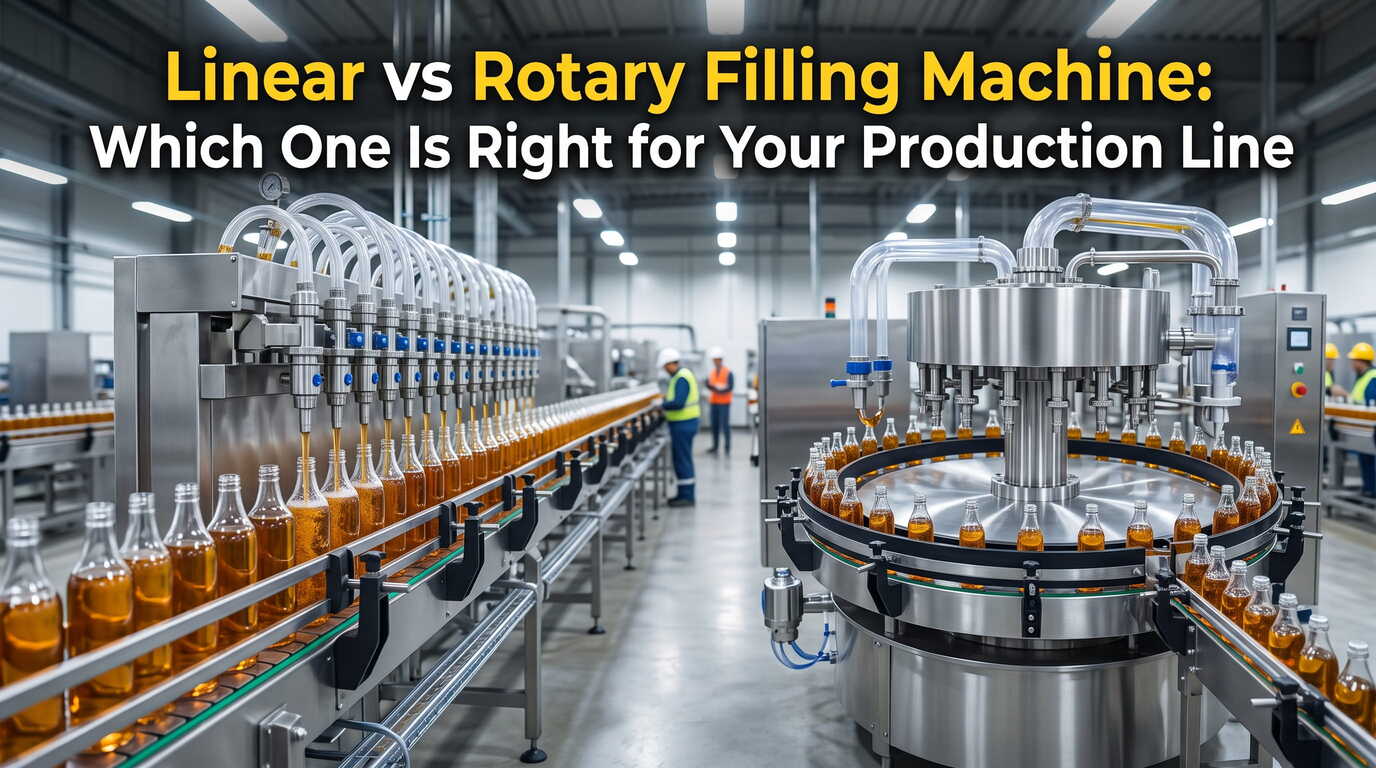
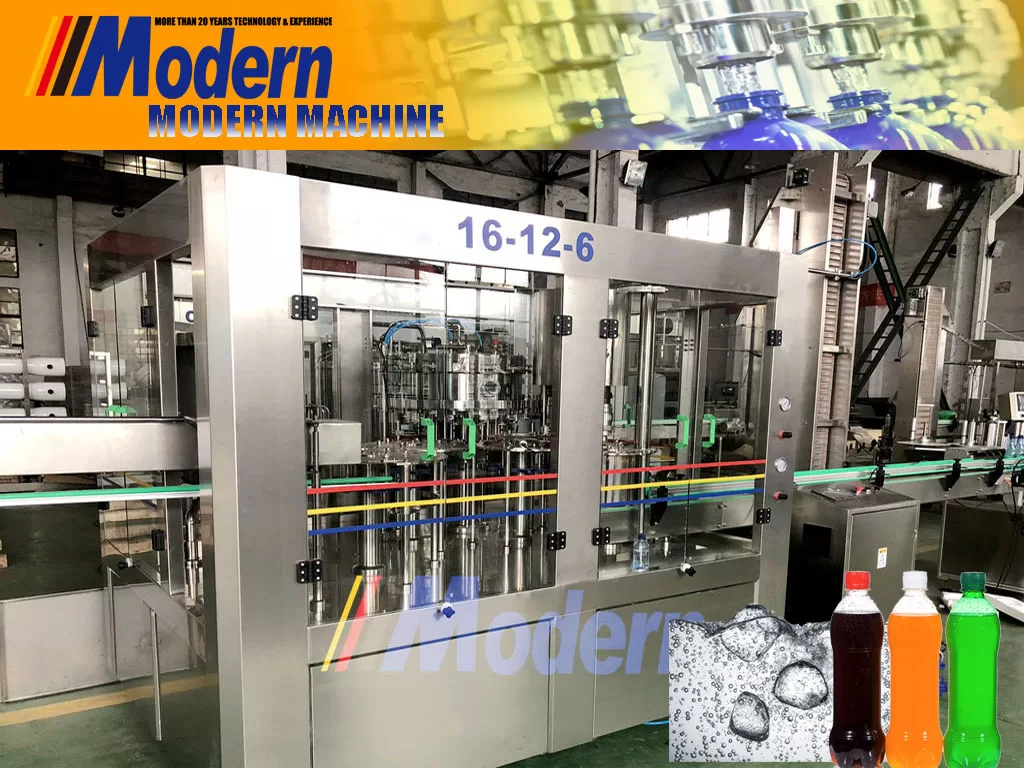
Les machines de remplissage de bouteilles en plastique sont des systèmes automatisés spécifiquement conçus pour remplir des bouteilles de tailles et de formes variées avec des liquides. Ces machines peuvent traiter une large gamme de produits, de l'eau et des boissons gazeuses aux huiles et produits chimiques. La polyvalence de ces machines les rend essentielles pour les fabricants cherchant à optimiser leurs lignes de production.
Il existe plusieurs types de machines de remplissage de bouteilles en plastique, notamment :
– Machines de remplissage par gravité
– Machines de remplissage sous pression
– Machines de remplissage sous vide
– Machines de remplissage au poids net
Comprendre les différences entre ces machines est crucial pour les entreprises qui souhaitent prendre des décisions d'achat éclairées. Chaque type présente ses propres avantages, répondant aux besoins spécifiques de l'industrie et aux caractéristiques des produits.
Caractéristiques clés des machines de remplissage de bouteilles en plastique
Lors de l'évaluation de diverses machines de remplissage, plusieurs caractéristiques doivent être prises en compte pour garantir que l'équipement s'aligne sur les objectifs de production :
1. Vitesse et efficacité
La vitesse est un facteur critique dans tout environnement de production. Les machines de remplissage à haute capacité peuvent traiter des centaines, voire des milliers de bouteilles par heure, améliorant ainsi considérablement la productivité. Il est essentiel d'évaluer la vitesse de remplissage de la machine, ainsi que sa capacité à s'adapter à une demande accrue.
2. Flexibilité
La capacité à s'adapter à différentes tailles et formes de bouteilles sans temps d'arrêt prolongé est une autre caractéristique importante. Recherchez des machines dotées de buses de remplissage réglables et de pièces facilement interchangeables pour minimiser les problèmes de maintenance et faciliter les changements rapides de produits.
3. Précision et exactitude
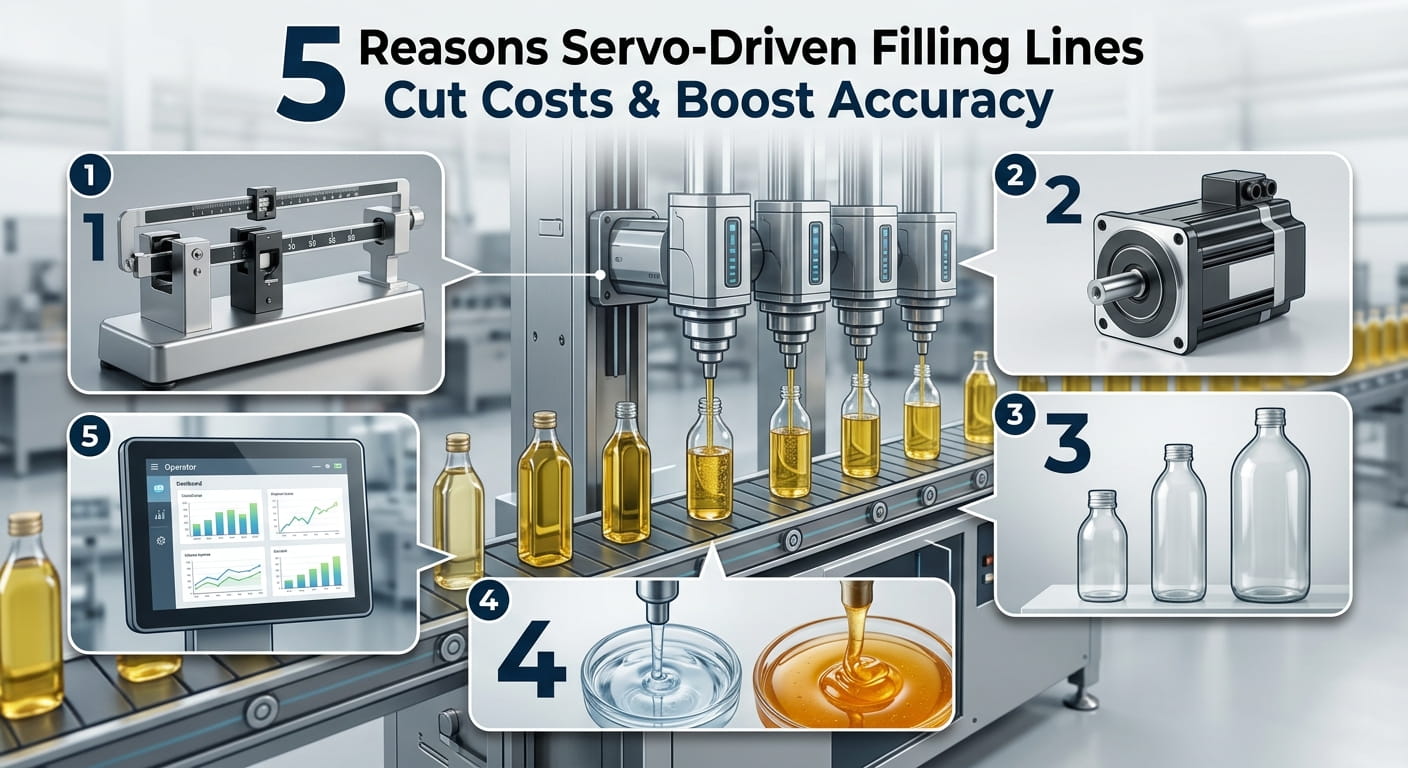
La constance du remplissage est primordiale, en particulier pour les produits vendus en quantités spécifiques. Les machines doivent être équipées de systèmes de dosage avancés garantissant des remplissages précis, réduisant ainsi le gaspillage et répondant aux exigences réglementaires.
4. Interfaces conviviales
Une conception conviviale permet de réduire le temps de formation des opérateurs et d'améliorer l'efficacité opérationnelle globale. Recherchez des machines dotées d'écrans tactiles intuitifs et de menus faciles à naviguer.
5. Hygiène et propreté
Dans des secteurs tels que l'agroalimentaire et les boissons, l'hygiène est impérative. Les machines de remplissage de bouteilles en plastique doivent être conçues pour faciliter le nettoyage et la désinfection. Une construction en acier inoxydable et des pièces amovibles peuvent améliorer les normes d'hygiène.
Choisir la bonne machine de remplissage de bouteilles en plastique
Choisir la bonne machine de remplissage implique une évaluation complète des besoins opérationnels, du volume de production et des contraintes budgétaires. Voici des étapes concrètes pour guider votre sélection :
1. Évaluer les besoins de production
Évaluez le volume de production requis. Les opérations à haut rendement nécessiteront des machines plus robustes capables de maintenir la vitesse et la précision sous pression.
2. Comprendre les caractéristiques du produit
Différents produits peuvent nécessiter des configurations de remplissage uniques. Par exemple, les liquides visqueux peuvent nécessiter un type de machine de remplissage différent de celui utilisé pour les liquides fluides comme l'eau. Analysez les caractéristiques de votre produit pour garantir la compatibilité avec la machine choisie.
3. Effectuer une analyse coûts-avantages
Bien qu'il puisse être tentant de choisir la machine de remplissage la plus avancée, il est essentiel de peser les fonctionnalités par rapport à leurs coûts. Effectuez une analyse approfondie pour déterminer si l'investissement initial générera des économies à long terme et des gains d'efficacité.
Maintenance et entretien des machines de remplissage
Un entretien régulier est essentiel pour garantir la longévité et le fonctionnement efficace des machines de remplissage de bouteilles en plastique. Voici les pratiques clés à intégrer dans votre calendrier de maintenance :
1. Nettoyages de routine
Établissez un protocole de nettoyage de routine pour éliminer les résidus de produit et prévenir la contamination. L'inspection et la désinfection régulières des pièces entrant en contact avec le produit sont essentielles dans les secteurs soumis à des normes d'hygiène strictes.
2. Inspections et diagnostics
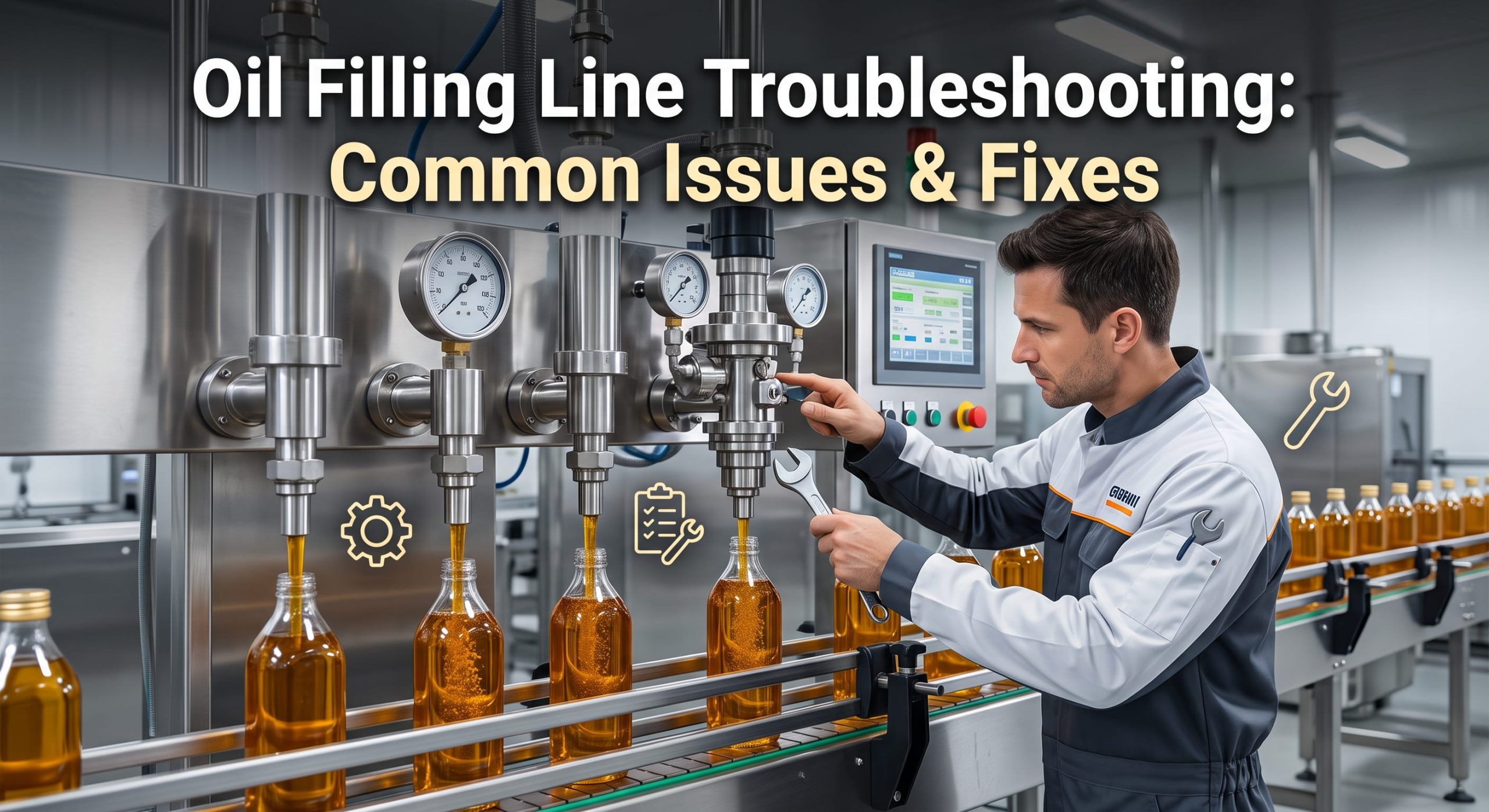
Mettez en œuvre des contrôles périodiques sur les composants mécaniques et électroniques de la machine. Cela inclut l'inspection des tuyaux, des raccords et des systèmes de pompage pour détecter l'usure et prévenir les pannes imprévues.
3. Formation des opérateurs
Assurez-vous que tous les opérateurs sont formés non seulement à l'utilisation de la machine, mais aussi à sa maintenance. Un opérateur bien informé peut identifier les problèmes potentiels avant qu'ils ne deviennent des problèmes majeurs.
Tendances futures de la technologie de remplissage de bouteilles en plastique
À mesure que les industries évoluent, la technologie entourant les machines de remplissage de bouteilles en plastique évolue également. Garder une longueur d'avance sur les tendances peut être vital pour les entreprises cherchant à maintenir un avantage concurrentiel. Voici les tendances émergentes à surveiller :
1. Automatisation et intégration
L'intégration de l'intelligence artificielle (IA) et de la technologie IoT dans les machines de remplissage augmente la précision et l'efficacité. Les systèmes automatisés peuvent surveiller les processus de production, fournissant des données en temps réel pour optimiser les opérations.
2. Pratiques durables
Avec une sensibilisation croissante aux problèmes environnementaux, les pratiques durables deviennent une priorité. Les entreprises se tournent vers des machines qui réduisent les déchets et utilisent des matériaux respectueux de l'environnement.
3. Contrôle qualité renforcé
Les machines de remplissage avancées intègrent désormais des fonctionnalités sophistiquées de contrôle qualité, telles que des systèmes de vision capables de détecter les anomalies de remplissage, garantissant ainsi la constance et la qualité du produit.
Conclusion
En conclusion, les machines de remplissage de bouteilles en plastique constituent la pierre angulaire des lignes de production modernes, offrant une multitude d'avantages allant de l'efficacité et de la précision à la flexibilité et à la facilité d'entretien. Évaluer soigneusement vos besoins de production, comprendre les technologies disponibles et investir dans un équipement adapté peut entraîner des avantages opérationnels significatifs.
Grâce aux avancées technologiques constantes et à l'importance croissante accordée à la durabilité, le potentiel d'amélioration dans ce domaine est immense. Les entreprises qui s'adaptent à ces changements améliorent non seulement leurs capacités de production, mais contribuent également de manière positive aux objectifs environnementaux.
En tirant parti des informations partagées dans cet article, les entreprises peuvent faire des choix stratégiques et éclairés concernant les machines de remplissage de bouteilles en plastique afin de répondre aux exigences d'un marché en constante évolution.