
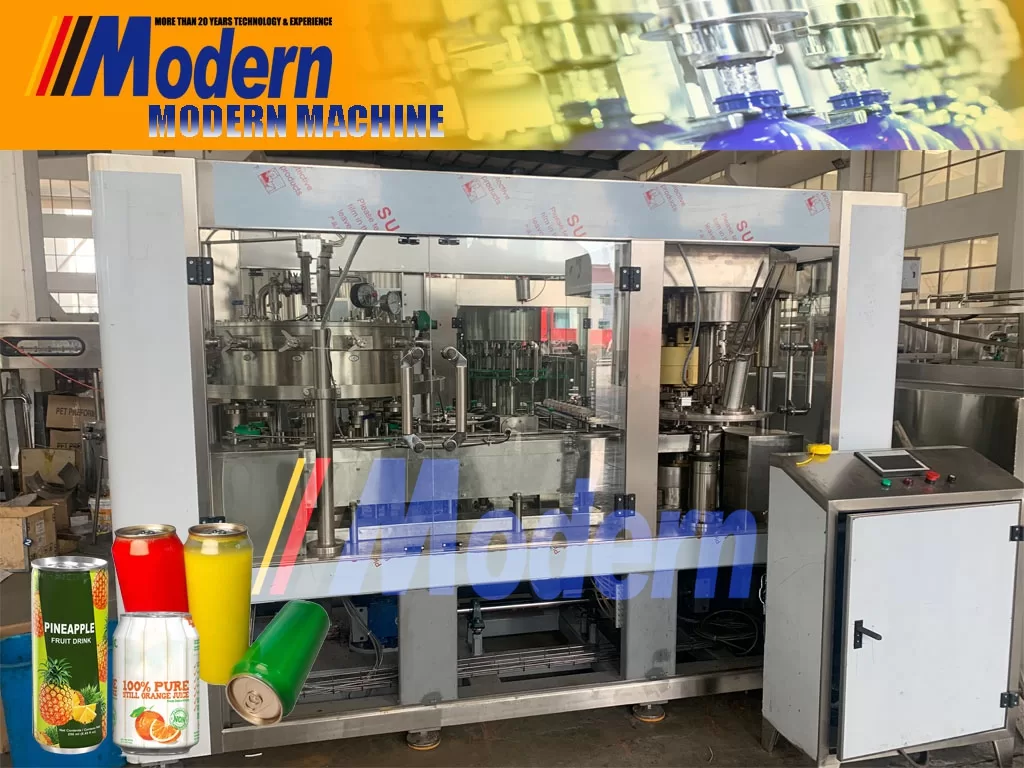
Les machines d'embouteillage de jus jouent un rôle central dans l'industrie des boissons, offrant non seulement de l'efficacité, mais garantissant également la sécurité et la qualité des produits à base de jus. Alors que la demande mondiale de jus en bouteille ne cesse de croître, comprendre les nuances de ces machines peut grandement profiter aux fabricants, aux distributeurs et aux détaillants. Cet article explore les divers aspects des machines d'embouteillage de jus, en examinant leurs types, leurs technologies, leurs processus opérationnels, leur maintenance et les avantages qu'elles offrent.
1. Comprendre les machines d'embouteillage de jus
Les machines d'embouteillage de jus sont des équipements spécialisés conçus pour remplir des bouteilles de jus, garantissant que le produit est correctement scellé et préservé. Ces machines sont essentielles pour maintenir l'intégrité du jus, prévenir la contamination et prolonger la durée de conservation.
1.1 Types de machines d'embouteillage de jus
Les machines d'embouteillage de jus se déclinent en plusieurs types, chacun répondant à un besoin spécifique de la ligne de production :
- Remplisseuses par gravité : Utilisées pour les jus épais, les remplisseuses par gravité fonctionnent sur le principe de la gravité pour remplir les bouteilles. Elles sont idéales pour les produits à faible viscosité, mais peuvent nécessiter une surveillance plus attentive.
- Remplisseuses pneumatiques : Ces remplisseuses utilisent la pression de l'air pour distribuer le jus, ce qui les rend adaptées à une large gamme de viscosités de liquides. Leur précision et leur rapidité d'exécution en font souvent un choix privilégié pour la production à haut volume.
- Remplisseuses volumétriques : Ces machines remplissent les bouteilles avec une quantité prédéterminée de jus, garantissant des volumes précis et constants. Ce type est excellent pour les recettes nécessitant des mesures exactes.
- Remplisseuses rotatives : Courantes dans les opérations de boissons à grande échelle, les remplisseuses rotatives permettent une production à haute vitesse, augmentant considérablement le rendement. On les trouve généralement dans les installations nécessitant un traitement rapide de grandes quantités de jus.
1.2 Automatisation de l'embouteillage de jus
Les machines d'embouteillage de jus modernes intègrent souvent des technologies d'automatisation qui rationalisent l'ensemble du processus de remplissage. Les systèmes automatisés réduisent le travail manuel, minimisent le risque d'erreur humaine et améliorent l'efficacité opérationnelle. Des fonctionnalités telles que des capteurs, des automates programmables industriels (API) et des bras robotisés améliorent les capacités de production en assurant un remplissage précis et une vitesse accrue.
2. Le processus d'embouteillage : étapes et considérations
Le processus d'embouteillage peut généralement être divisé en plusieurs étapes clés, chacune nécessitant une attention particulière aux détails pour des résultats optimaux :
2.1 Préparation
Avant l'embouteillage, il est crucial de s'assurer que tout l'équipement est nettoyé et désinfecté. Cela aide à éviter la contamination du jus. De plus, les opérateurs doivent vérifier qu'il y a suffisamment de bouteilles, de bouchons et de matériaux d'étiquetage disponibles pour répondre aux demandes de production.
2.2 Remplissage
Pendant l'étape de remplissage, le jus est distribué dans les bouteilles selon les spécifications de la remplisseuse utilisée. Les opérateurs doivent surveiller les débordements, les sous-remplissages ou les vitesses de remplissage incohérentes. La mise en œuvre de systèmes de contrôle qualité visuels ou électroniques peut aider à garantir que seuls des produits de haute qualité atteignent le marché.
2.3 Bouchage
Une fois remplies, l'étape suivante consiste à boucher les bouteilles en toute sécurité. Un bouchage approprié est essentiel pour éviter les fuites et l'exposition à l'air, ce qui peut entraîner une détérioration. Les machines doivent être régulièrement étalonnées pour garantir que les bouchons sont appliqués avec le couple de serrage correct.
2.4 Étiquetage et emballage
Un étiquetage précis est essentiel non seulement pour l'image de marque, mais aussi pour la conformité aux réglementations locales. Le processus d'étiquetage peut être automatisé ou manuel, selon le volume de production. Une fois étiquetés, les produits sont emballés pour le transport vers les détaillants ou directement vers les consommateurs.
3. Maintenance et dépannage
Pour garantir la longévité et la performance des machines d'embouteillage de jus, une maintenance régulière est impérative. Voici les pratiques de maintenance clés à mettre en œuvre :
3.1 Contrôles de routine
Les opérateurs doivent effectuer des inspections régulières des buses de remplissage, des unités de bouchage et des tapis roulants. Les pièces usées doivent être remplacées rapidement pour éviter les temps d'arrêt de production.
3.2 Nettoyage
Le nettoyage doit suivre des protocoles stricts pour éviter toute contamination. Créer un calendrier de nettoyage régulier basé sur l'utilisation de la machine peut aider à maintenir les normes et à prévenir la croissance microbienne.
3.3 Dépannage des problèmes courants
Certains problèmes courants peuvent inclure :
- Remplissage incohérent : Cela peut être causé par des buses obstruées ou des réglages de machine incorrects.
- Désalignement des bouchons : Souvent le résultat de bouchons défectueux ou d'erreurs d'étalonnage de la machine.
- Erreurs d'étiquetage : Un étiquetage inexact peut provenir de tailles d'étiquettes incorrectes ou d'applicateurs défectueux.
Résoudre ces problèmes rapidement peut éviter des complications opérationnelles plus importantes à l'avenir.
4. L'impact de la technologie sur l'embouteillage de jus
Les avancées technologiques ont considérablement transformé les processus d'embouteillage de jus, les rendant plus rapides, plus fiables et plus rentables. Voici quelques technologies innovantes affectant l'embouteillage de jus :
4.1 Capteurs intelligents
Les capteurs intelligents aident à surveiller le processus de remplissage en temps réel, garantissant que tout écart par rapport à la norme soit détecté immédiatement. Cette capacité réduit le gaspillage et améliore la qualité globale du produit.
4.2 Internet des objets (IoT)
L'IoT a permis aux fabricants de jus de connecter leurs machines à Internet, permettant une surveillance et une gestion à distance. Cette connectivité facilite la maintenance prédictive et génère des analyses de données pour une amélioration continue des processus.
4.3 Solutions respectueuses de l'environnement
Face à la demande croissante des consommateurs pour la durabilité, les machines d'embouteillage de jus sont développées en tenant compte de pratiques respectueuses de l'environnement. Cela inclut l'utilisation de matériaux biodégradables, l'optimisation de la consommation d'énergie et la réduction des déchets pendant la production.
5. Conformité réglementaire et normes de sécurité
Le respect des réglementations en matière de sécurité alimentaire est primordial dans l'industrie de l'embouteillage. Les fabricants doivent se familiariser avec les normes de l'industrie telles que l'analyse des risques et maîtrise des points critiques (HACCP) et les bonnes pratiques de fabrication (BPF).
5.1 Assurer le contrôle qualité
Des mesures de contrôle qualité doivent être intégrées à chaque étape du processus d'embouteillage. De l'approvisionnement en matières premières aux tests du produit final, des contrôles qualité rigoureux doivent être effectués régulièrement pour s'aligner sur les attentes réglementaires.
5.2 Dispositifs de sécurité
Les machines d'embouteillage de jus doivent être équipées de dispositifs de sécurité pour protéger les opérateurs. Les arrêts d'urgence, les protections et une visibilité claire des composants opérationnels peuvent minimiser les accidents du travail et garantir des conditions de travail sûres.
6. Conclusion
En résumé, les machines d'embouteillage de jus sont une partie indispensable de l'industrie de la production de boissons. Avec une gamme de technologies et de types disponibles, investir dans le bon équipement peut apporter des avantages significatifs, notamment une efficacité améliorée, une meilleure qualité de produit et le respect des normes de l'industrie. En comprenant le processus d'embouteillage et en donnant la priorité à la maintenance, les fabricants peuvent optimiser leurs opérations et répondre à la demande croissante des consommateurs pour des jus embouteillés de qualité, et ce, pour les années à venir.
À mesure que le paysage de la production de boissons évolue, les pratiques entourant l'embouteillage de jus doivent également évoluer. L'adoption de nouvelles technologies et de nouvelles normes permettra non seulement de répondre aux attentes des consommateurs, mais garantira également la durabilité et le succès des marques de jus dans le monde entier.


