
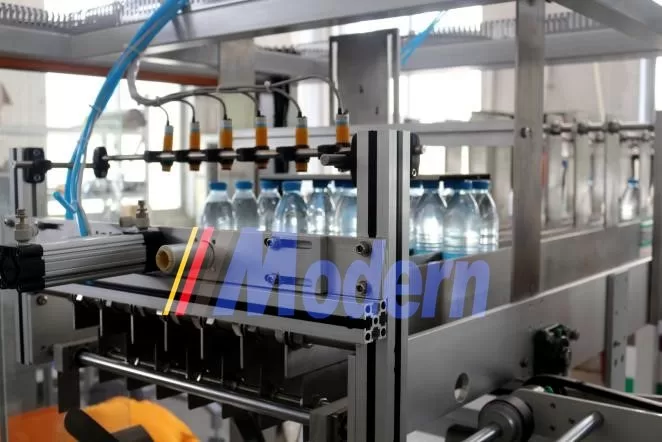
L'industrie agroalimentaire a considérablement évolué au cours des dernières décennies et, avec cette évolution, les techniques utilisées pour le conditionnement ont également subi des changements importants. L'une de ces avancées est la machine de remplissage à chaud, une technologie devenue cruciale pour maintenir la qualité des produits tout en prolongeant leur durée de conservation. Cet article vise à approfondir les subtilités des machines de remplissage à chaud, en explorant leur fonctionnement, leurs avantages, leurs applications et leur maintenance afin d'offrir une compréhension complète aux acteurs du processus de conditionnement.
Comprendre la technologie de remplissage à chaud
Le remplissage à chaud est une méthode utilisée principalement pour conditionner des boissons et des produits alimentaires sensibles à la contamination microbienne. Dans ce processus, les produits sont chauffés à une température spécifique, généralement supérieure à 85 °C (185 °F), puis versés dans des récipients pré-stérilisés. La température élevée du produit au moment du remplissage tue la plupart des micro-organismes, minimisant ainsi le besoin de conservateurs supplémentaires et maximisant la sécurité et la qualité du produit.
Les machines de remplissage à chaud sont conçues pour faciliter ce processus de manière efficace. Elles comprennent plusieurs composants tels qu'un système de chauffage, des buses de remplissage, des récipients et un panneau de contrôle. Chaque composant fonctionne à l'unisson pour garantir que le produit est non seulement rempli à la bonne température, mais également scellé de manière appropriée pour maintenir son intégrité.
Les avantages des machines de remplissage à chaud
Les machines de remplissage à chaud offrent de nombreux avantages, ce qui en fait une option attrayante pour les fabricants de l'industrie agroalimentaire. Parmi ces avantages, on peut citer :
1. Durée de conservation accrue
Le remplissage à chaud réduit considérablement la charge microbienne, permettant aux produits de rester sûrs et consommables pendant une période plus longue. Ceci est particulièrement important pour des produits comme les jus, les sauces et les boissons prêtes à consommer qui nécessitent une longue durée de conservation sans réfrigération.
2. Préservation de la qualité
En remplissant les produits à chaud, les fabricants peuvent mieux préserver la saveur, la couleur et la valeur nutritionnelle. Le processus rapide de chauffage et de refroidissement protège les ingrédients sensibles de la dégradation, favorisant un produit fini de meilleure qualité.
3. Réduction des conservateurs
Grâce au contrôle microbien efficace obtenu par le remplissage à chaud, les fabricants peuvent réduire ou éliminer l'utilisation de conservateurs. Cela répond à la demande croissante des consommateurs pour des produits « clean label » perçus comme plus sains et plus naturels.
4. Efficacité des coûts
Le remplissage à chaud peut s'avérer plus rentable, en particulier pour la production à grande échelle. La possibilité d'utiliser des matériaux d'emballage plus légers et plus fins au lieu d'options plus lourdes, en raison du besoin réduit en conservateurs, peut entraîner des économies globales sur les coûts des matériaux. De plus, l'efficacité des cycles de traitement et de remplissage contribue à réduire les coûts opérationnels.
Applications des machines de remplissage à chaud
Les machines de remplissage à chaud sont polyvalentes et applicables dans divers secteurs de l'industrie agroalimentaire. Les principales applications comprennent :
1. Jus et concentrés de jus
Les jus de fruits, en particulier ceux sans conservateurs, bénéficient énormément de la technologie de remplissage à chaud. Ce processus garantit que le produit est sans danger pour la consommation tout en conservant sa saveur naturelle et ses propriétés nutritionnelles.
2. Sauces et condiments
Les sauces, telles que le ketchup, la moutarde et les vinaigrettes, sont couramment remplies à chaud. Cette méthode aide à maintenir l'intégrité de la saveur et empêche la détérioration, ce qui est essentiel pour les produits souvent utilisés de manière saisonnière ou en petites quantités.
3. Produits laitiers
Certains produits laitiers, comme le lait aromatisé et les yaourts, peuvent également être efficacement conditionnés à l'aide de machines de remplissage à chaud. Le processus empêche la croissance bactérienne et conserve le goût et la qualité souhaités.
4. Boissons prêtes à consommer
Les thés et boissons à base de café prêts à consommer utilisent le remplissage à chaud pour prolonger leur durée de conservation. Cette méthode garantit la sécurité et la qualité du produit sans compromettre l'expérience du consommateur.
Choisir la bonne machine de remplissage à chaud
Lors de la sélection d'une machine de remplissage à chaud, divers facteurs doivent être pris en compte pour garantir qu'elle correspond à vos besoins de production. Ces facteurs incluent :
1. Capacité de production
Comprendre le rendement requis est essentiel. Les machines sont disponibles en différentes tailles, avec des cadences de production variables. Qu'il s'agisse de produire de petits lots ou de grands volumes, choisissez une machine qui s'aligne sur vos objectifs de production.
2. Type de produit
Tenez compte de la viscosité et des exigences de température du produit à remplir. Différentes machines de remplissage à chaud peuvent répondre à différents types de produits, des liquides aux semi-solides.
3. Compatibilité des récipients
Le type de récipient utilisé est également crucial. Assurez-vous que la machine que vous sélectionnez peut manipuler efficacement les matériaux et les tailles des récipients que vous prévoyez d'utiliser, qu'il s'agisse de verre, de plastique ou de métal.
4. Niveau d'automatisation
Évaluez le niveau d'automatisation dont vous avez besoin. Les systèmes entièrement automatisés peuvent augmenter l'efficacité et réduire les coûts de main-d'œuvre, tandis que les systèmes semi-automatiques peuvent offrir une flexibilité pour les petites opérations.
5. Budget et financement
Les machines de remplissage à chaud sont proposées à des prix variables, il convient donc d'établir un budget et d'explorer les options de financement si nécessaire. Tenez compte du retour sur investissement (ROI) à long terme et de la manière dont une machine peut améliorer la capacité de production.
Maintenance des machines de remplissage à chaud
Pour garantir la longévité et des performances optimales, un entretien régulier des machines de remplissage à chaud est essentiel. Voici quelques conseils de maintenance cruciaux :
1. Nettoyage régulier
En raison de la nature alimentaire des applications, un nettoyage et une désinfection réguliers de la machine sont vitaux pour prévenir la contamination croisée. Suivez les procédures de nettoyage recommandées par le fabricant pour maintenir les normes d'hygiène.
2. Inspections de routine
Effectuer des inspections de routine sur toutes les pièces mobiles et les composants électriques garantit que la machine fonctionne efficacement. Surveillez les signes d'usure et remplacez les pièces si nécessaire.
3. Étalonnage et tests
Étalonnez régulièrement la machine pour vous assurer qu'elle remplit au bon volume et à la bonne température. Cela aidera à maintenir la cohérence de votre ligne de production et à garantir la qualité du produit.
4. Formation du personnel
Équipez votre personnel des connaissances et des compétences nécessaires pour utiliser et entretenir efficacement la machine de remplissage à chaud. Des sessions de formation régulières peuvent aider à prévenir les erreurs opérationnelles et à promouvoir des pratiques de travail sûres.
Conclusion
Les machines de remplissage à chaud jouent un rôle crucial pour garantir la sécurité, la qualité et la longévité de divers produits alimentaires et boissons. En comprenant les avantages et les applications uniques de cette technologie, les fabricants peuvent prendre des décisions éclairées qui améliorent leurs processus de production. De plus, un entretien régulier et le choix de la machine adaptée peuvent conduire à une efficacité accrue et à des économies de coûts. Alors que les préférences des consommateurs s'orientent davantage vers des options soucieuses de la santé, investir dans la technologie de remplissage à chaud est une étape vers la satisfaction de ces demandes changeantes tout en maintenant l'excellence opérationnelle.


