
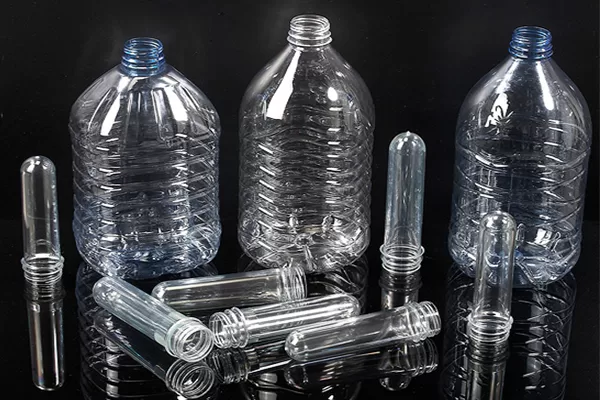
Dans le monde dynamique de la production de boissons, des processus de remplissage efficaces et précis sont cruciaux pour maintenir la qualité des produits, minimiser le gaspillage et maximiser la productivité. L'équipement de remplissage de boissons est au cœur de cette opération, servant de pont entre la création de la boisson et sa consommation par le client. Dans ce guide complet, nous explorerons les différents types d'équipements de remplissage, leurs fonctionnalités, les critères de choix des machines, ainsi que les meilleures pratiques de maintenance et d'exploitation.
Comprendre l'équipement de remplissage de boissons
L'équipement de remplissage de boissons englobe une gamme de machines conçues pour distribuer des produits liquides dans des contenants tels que des bouteilles, des canettes et des poches. Il joue un rôle essentiel dans divers secteurs, notamment les boissons gazeuses, les jus, les produits laitiers, les boissons alcoolisées et même l'embouteillage d'eau. L'équipement peut être classé en plusieurs types, chacun étant adapté à des applications spécifiques.
Types d'équipements de remplissage de boissons
Il existe plusieurs types clés d'équipements de remplissage de boissons, notamment :
- Remplisseuses par gravité : Idéales pour les liquides à haute viscosité, les remplisseuses par gravité utilisent la force de gravité pour remplir les contenants. Cette méthode est efficace et souvent rentable, ce qui la rend adaptée aux boissons plus épaisses comme les smoothies ou les sirops.
- Remplisseuses sous pression : Elles sont couramment utilisées pour les boissons gazeuses. Elles remplissent les contenants sous pression pour empêcher le gaz de s'échapper, garantissant ainsi une qualité de produit et des niveaux de carbonatation optimaux.
- Remplisseuses sous vide : Une remplisseuse sous vide élimine l'air du contenant avant de le remplir avec le produit. Cette méthode est particulièrement efficace pour garantir la fraîcheur et prolonger la durée de conservation, ce qui la rend idéale pour les jus et les boissons non gazeuses.
- Remplisseuses à piston : Ces remplisseuses utilisent un piston pour distribuer des quantités précises de liquide. Elles sont polyvalentes et peuvent gérer une large gamme de viscosités, ce qui les rend adaptées aussi bien aux liquides fluides qu'aux produits plus épais.
- Remplisseuses à vis sans fin : Couramment utilisées pour le remplissage de poudres, les remplisseuses à vis sans fin peuvent également être adaptées à certains produits liquides. Elles offrent un remplissage précis pour les applications où une mesure exacte est essentielle.
Sélectionner le bon équipement
Choisir le bon équipement de remplissage de boissons est crucial pour garantir l'efficacité, réduire les coûts d'exploitation et répondre aux demandes de production. Voici plusieurs facteurs à prendre en compte lors de la sélection de la machine de remplissage appropriée :
1. Type de produit et viscosité
Comprendre les caractéristiques de la boisson que vous remplissez est fondamental. La viscosité, le niveau de carbonatation et le pH du liquide influenceront considérablement le choix de la technologie de remplissage. Par exemple, les boissons gazeuses nécessitent des remplisseuses sous pression pour maintenir la carbonatation, tandis que les produits plus épais nécessitent des remplisseuses à piston.
2. Capacité de production
Vos exigences de production dicteront la taille de l'équipement dont vous avez besoin. Tenez compte du nombre d'unités que vous prévoyez de remplir par heure et choisissez une machine capable d'atteindre ou de dépasser cette capacité. Des remplisseuses à haute vitesse sont disponibles pour les productions à grande échelle, tandis que des machines plus compactes conviennent aux petites opérations.
3. Types et tailles de contenants
La diversité des formes et des tailles de contenants peut nécessiter différentes technologies de remplissage. Assurez-vous que l'équipement peut s'adapter à divers types de contenants, tels que des bouteilles, des canettes ou des briques, et qu'il est suffisamment flexible pour gérer les changements de séries de production.
4. Budget et retour sur investissement
Bien qu'il puisse être tentant de choisir l'option la moins chère, une analyse approfondie du coût total de possession est essentielle. Les investissements dans des équipements de haute qualité peuvent générer des économies à long terme en réduisant les temps d'arrêt, la maintenance et le gaspillage. Calculez les rendements potentiels en fonction de l'amélioration de la productivité et de l'efficacité.
5. Normes de conformité et de sécurité
Il est impératif de s'assurer que l'équipement de remplissage respecte les réglementations locales en matière de sécurité alimentaire et les normes de l'industrie. La conformité aux normes de sécurité et de qualité protège non seulement les consommateurs, mais renforce également la réputation de la marque.
Meilleures pratiques pour les opérations de remplissage de boissons
Après avoir sélectionné l'équipement de remplissage approprié, la mise en œuvre des meilleures pratiques peut encore améliorer l'efficacité de la production et la qualité du produit.
1. Entretien régulier
Une maintenance appropriée est cruciale pour la longévité de l'équipement de remplissage de boissons. Établissez un calendrier de maintenance de routine qui comprend le nettoyage, la lubrification des pièces mobiles, le remplacement des composants d'usure et la vérification des paramètres d'étalonnage. Un entretien constant minimise le risque de pannes et de contamination des produits.
2. Formation des employés
Assurez-vous que tout le personnel impliqué dans l'utilisation de l'équipement de remplissage est bien formé. Comprendre comment faire fonctionner la machine, résoudre les problèmes courants et suivre les protocoles de sécurité aide à réduire les erreurs et augmente la productivité globale.
3. Procédures de contrôle qualité
La mise en œuvre de mesures de contrôle qualité strictes pendant le processus de remplissage est essentielle. La surveillance des niveaux de remplissage, l'inspection de l'intégrité des contenants et la réalisation de contrôles qualité réguliers permettent de détecter les écarts rapidement, garantissant que seuls des produits de haute qualité atteignent les consommateurs.
4. Surveillance et analyse des données
L'utilisation de la technologie pour surveiller et analyser les données du processus de remplissage peut conduire à des améliorations significatives. L'évaluation des performances de la machine, des volumes de production et des temps d'arrêt permet aux opérateurs d'identifier les domaines à optimiser et de rationaliser les processus de production.
5. Adaptabilité et évolutivité
À mesure que les demandes du marché fluctuent, il peut devenir nécessaire d'adapter les lignes de production pour répondre aux nouvelles exigences. Investir dans un équipement de remplissage flexible et adaptable permet aux entreprises de pivoter rapidement sans temps d'arrêt significatif ni investissements en capital importants.
Tendances futures de la technologie de remplissage de boissons
L'industrie des boissons évolue rapidement, tout comme la technologie derrière les équipements de remplissage. Garder un œil sur les tendances émergentes peut offrir des avantages stratégiques aux fabricants de boissons.
1. Automatisation et technologie intelligente
L'automatisation transforme les processus de remplissage de boissons en minimisant l'intervention manuelle, réduisant ainsi les coûts de main-d'œuvre et augmentant la précision. La technologie intelligente, y compris les machines compatibles IoT, permet une surveillance en temps réel, une maintenance prédictive et des capacités de prise de décision améliorées.
2. Objectifs de durabilité
Alors que les consommateurs privilégient de plus en plus la durabilité, les fabricants recherchent des solutions respectueuses de l'environnement. Les innovations telles que les machines économes en énergie, la réduction de l'utilisation des matériaux et les options d'emballage biodégradables gagnent du terrain, provoquant un changement dans la manière dont les entreprises de boissons abordent les opérations de remplissage.
3. Personnalisation et sur-mesure
Avec des préférences individuelles façonnant les choix des consommateurs, les produits deviennent plus diversifiés. La flexibilité de l'équipement de remplissage pour gérer les petites tailles de lots et les formulations uniques permet aux fabricants de répondre aux marchés de niche et de personnaliser les options de boissons.
4. Fonctionnalités de sécurité améliorées
Alors que l'industrie continue de s'adapter aux réglementations concernant la sécurité alimentaire, les équipements de remplissage dotés de systèmes d'assainissement avancés, de détection de contamination et d'interfaces conviviales deviennent de plus en plus courants.
Conclusion
Investir dans le bon équipement de remplissage de boissons est essentiel pour tout fabricant de boissons cherchant à optimiser son processus de production. En comprenant les différents types d'équipements de remplissage disponibles, en sélectionnant soigneusement les machines en fonction des besoins du produit et en adhérant aux meilleures pratiques de maintenance et d'exploitation, les entreprises peuvent améliorer considérablement l'efficacité et la qualité des produits. Dans cette industrie en évolution rapide, rester informé des technologies et tendances émergentes permettra aux fabricants de s'adapter et de prospérer dans un paysage concurrentiel.
En fin de compte, le bon équipement de remplissage, combiné à des pratiques opérationnelles stratégiques, constitue la base d'une entreprise de boissons prospère qui non seulement répond à la demande des consommateurs, mais excelle également en matière de qualité et d'innovation.


