Dans le paysage en plein essor de l'industrie brassicole, les inefficacités de production peuvent freiner la croissance et la rentabilité. Parmi les composants critiques des opérations de brassage, les soutireuses à bière s'imposent comme des actifs essentiels qui influencent directement la qualité et l'efficacité du produit final. Cet article vise à fournir une exploration approfondie des soutireuses à bière, en examinant leurs types, leurs fonctionnalités, les critères de sélection et les meilleures pratiques pour une utilisation efficace.
Comprendre les soutireuses à bière
Les soutireuses à bière sont des équipements spécialisés conçus pour distribuer la bière dans des bouteilles, des canettes ou des fûts. Elles garantissent que le processus de remplissage maintient une qualité constante et minimise le gaspillage. Ces machines facilitent un remplissage à haute vitesse, réduisent le risque de contamination et assurent que le produit reste gazéifié. Comprendre les divers aspects des soutireuses à bière est crucial pour les brasseries cherchant à optimiser leur production et à maintenir des normes élevées.
Types de soutireuses à bière
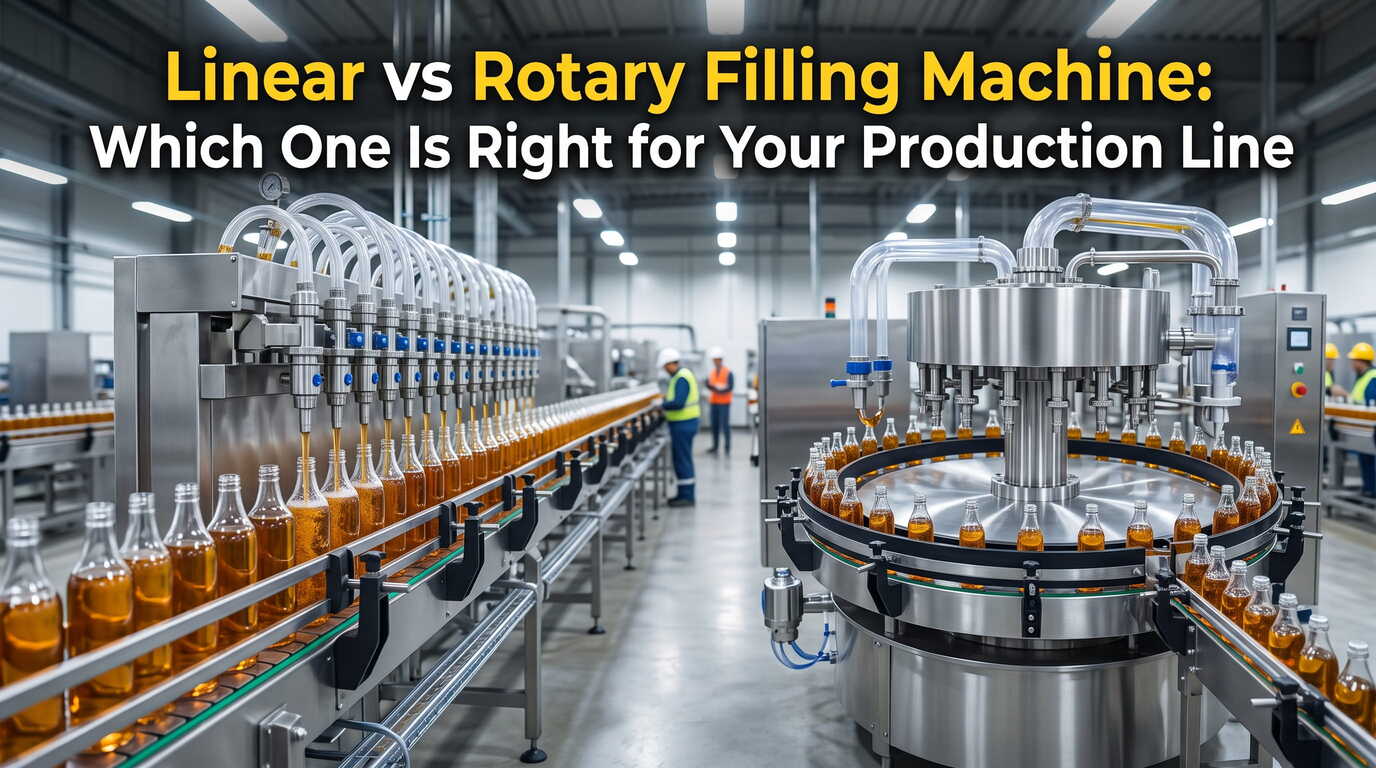
Les soutireuses à bière peuvent être largement classées en plusieurs catégories, chacune répondant à des échelles et des exigences de production différentes :
- Soutireuses manuelles : Idéales pour les brasseries à petite échelle, les soutireuses manuelles exigent que les opérateurs effectuent la plupart des tâches de remplissage. Elles sont rentables et faciles à entretenir, ce qui en fait un choix adapté pour les brasseries artisanales et les producteurs spécialisés.
- Soutireuses semi-automatiques : Combinant opération manuelle et fonctionnalités automatisées, ces machines offrent flexibilité et efficacité. Elles permettent généralement un remplissage plus rapide que les machines manuelles tout en nécessitant un certain niveau d'intervention humaine.
- Soutireuses entièrement automatiques : Ces machines sont conçues pour les brasseries à grande échelle, capables d'un remplissage à haute vitesse avec un minimum d'intervention humaine. Équipées d'une technologie avancée, elles gèrent divers formats et tailles d'emballage, garantissant des résultats constants et réduisant les coûts de main-d'œuvre.
- Soutireuses par gravité : Utilisant la gravité pour remplir les contenants, ces machines sont adaptées aux produits ayant des niveaux de carbonatation plus faibles. Elles sont généralement plus simples et moins coûteuses, souvent utilisées dans des installations plus petites.
- Soutireuses à pression : Elles sont idéales pour les boissons gazéifiées, car elles empêchent le débordement de mousse et maintiennent les niveaux de carbonatation. Elles utilisent la pression pour remplir les bouteilles ou les canettes rapidement et efficacement.
- Soutireuses à contre-pression : Version plus avancée des soutireuses à pression, les soutireuses à contre-pression purgent les bouteilles avec du CO2 avant le remplissage. Cette technique garantit que la bière reste gazéifiée et minimise l'exposition à l'oxygène.
Caractéristiques clés à rechercher dans les soutireuses à bière
Lors de la sélection d'une soutireuse à bière, plusieurs caractéristiques clés doivent être évaluées pour s'assurer qu'elle répond aux besoins spécifiques de la brasserie :
Vitesse de remplissage
La vitesse de remplissage impacte directement l'efficacité globale de la ligne de production. Les machines à plus haute vitesse peuvent remplir des centaines ou des milliers de contenants par heure, augmentant considérablement le rendement. Évaluez le volume de production moyen et choisissez une machine qui s'aligne sur les projections de croissance.
Polyvalence
Envisagez des machines qui permettent différents types et tailles d'emballage. Cette polyvalence peut être particulièrement bénéfique pour les brasseries qui proposent une variété de produits ou des sorties saisonnières. Les machines capables de passer facilement du conditionnement en canette au conditionnement en bouteille offriront une plus grande flexibilité opérationnelle.
Facilité de nettoyage et d'entretien
La qualité de la bière peut être compromise par des pratiques de nettoyage et d'entretien inadéquates. Recherchez des machines dotées de fonctionnalités de démontage facile qui facilitent un nettoyage approfondi. Les fonctionnalités d'automatisation qui alertent les opérateurs lorsqu'un entretien est nécessaire peuvent également aider à prolonger la durée de vie de la machine et à maintenir des performances optimales.
Fonctionnalités de contrôle qualité
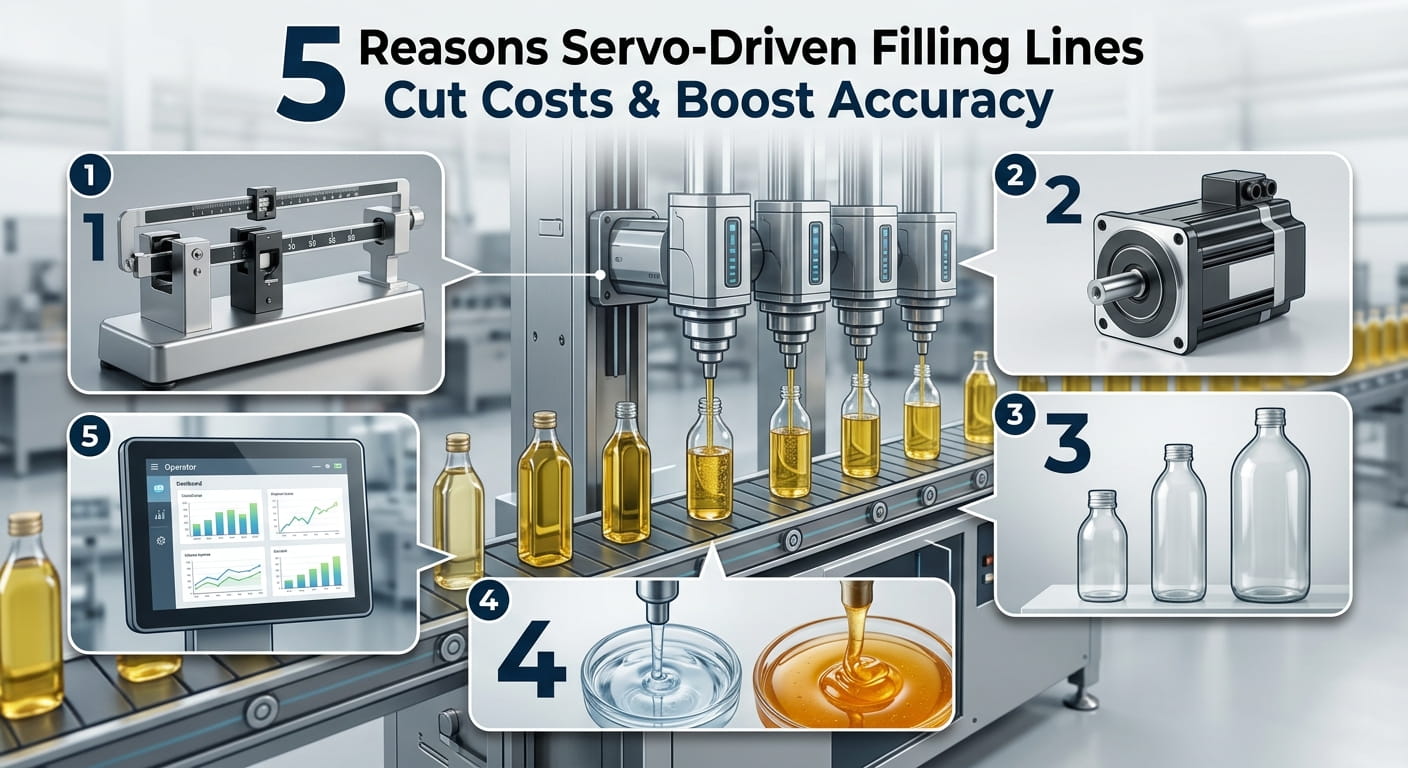
L'intégration de technologies avancées telles que des capteurs et l'automatisation peut améliorer le contrôle qualité pendant le processus de remplissage. Les machines équipées de fonctionnalités telles que la détection automatique du niveau et la surveillance du débit peuvent garantir que chaque contenant est rempli avec précision et constance. Cela minimise le gaspillage et maximise la rentabilité.
Coût et retour sur investissement
Bien que l'investissement initial puisse être important, considérez les économies à long terme associées à une efficacité accrue et à une réduction des coûts de main-d'œuvre. Effectuez une analyse approfondie des coûts, en tenant compte non seulement du prix d'achat, mais aussi des coûts opérationnels, de l'entretien et du potentiel d'augmentation du volume de production.
Meilleures pratiques pour l'utilisation des soutireuses à bière
Après avoir sélectionné la bonne soutireuse à bière, la mise en œuvre des meilleures pratiques devient cruciale pour maximiser son efficacité. Voici des stratégies essentielles à considérer :
Formation du personnel
Une formation complète pour tous les employés qui utilisent les machines de remplissage est vitale. Le personnel doit être formé aux fonctions de la machine, aux procédures d'entretien et au dépannage des problèmes courants. Une main-d'œuvre bien formée peut améliorer considérablement l'efficacité de la production et réduire les temps d'arrêt.
Entretien et inspection réguliers
Établissez un calendrier d'entretien régulier qui inclut des inspections de routine et les ajustements nécessaires. Cette approche proactive aide à prévenir les pannes de machines et prolonge la durée de vie de l'équipement. Documentez toutes les activités d'entretien pour suivre les performances et identifier les domaines à améliorer.
Suivi des indicateurs de production
Mettez en œuvre des systèmes pour suivre les indicateurs clés tels que la vitesse de remplissage, les niveaux de gaspillage et la qualité du produit. L'analyse de ces indicateurs peut révéler des tendances et des inefficacités, permettant des ajustements opportuns dans les opérations. Une approche basée sur les données aide les brasseries à affiner leurs processus en continu.
Mise en œuvre de protocoles de contrôle qualité
Établissez des protocoles de contrôle qualité stricts qui se concentrent sur la propreté, la précision du remplissage et l'intégrité du produit. Des contrôles réguliers peuvent garantir que le processus de remplissage respecte les normes établies, minimisant le risque de contamination et améliorant la longévité du produit.
Utilisation de la technologie
Envisagez d'intégrer des solutions technologiques telles que des systèmes de gestion des stocks automatisés et des logiciels de planification de la production. Ces outils peuvent fournir des informations en temps réel sur les taux de production et les niveaux de stock, aidant à rationaliser les opérations et à favoriser un environnement de production plus intégré.
L'avenir des soutireuses à bière
À mesure que la technologie évolue, l'avenir des soutireuses à bière semble prometteur. Des innovations telles que l'intelligence artificielle et l'intégration de l'IdO (Internet des objets) sont sur le point de révolutionner l'industrie brassicole en offrant une automatisation accrue, une analyse de données avancée et des capacités de maintenance prédictive. L'adoption de ces avancées permettra aux brasseries de conserver un avantage concurrentiel tout en répondant aux demandes croissantes des consommateurs.
Considérations sur la durabilité
Avec une prise de conscience croissante des enjeux environnementaux, les brasseries se concentrent de plus en plus sur la durabilité. Choisir des soutireuses à bière conçues pour l'efficacité énergétique, la réduction de la consommation d'eau et l'utilisation de matériaux recyclables peut renforcer l'engagement d'une brasserie en faveur de pratiques écologiques, séduisant ainsi les consommateurs soucieux de l'environnement.
Conclusion
En résumé, les soutireuses à bière font partie intégrante du processus de brassage, influençant l'efficacité, la qualité et la rentabilité. En comprenant les différents types de machines disponibles, en évaluant les fonctionnalités essentielles et en respectant les meilleures pratiques, les brasseries peuvent optimiser leurs processus de production et réussir sur un marché concurrentiel. Garder un œil sur les tendances futures et les pratiques de durabilité améliorera encore l'efficacité opérationnelle et la réputation de la marque. Alors que l'industrie continue de progresser, l'adoption de l'innovation garantira aux brasseries de continuer à produire des bières exceptionnelles tout en maintenant l'excellence de leurs opérations.