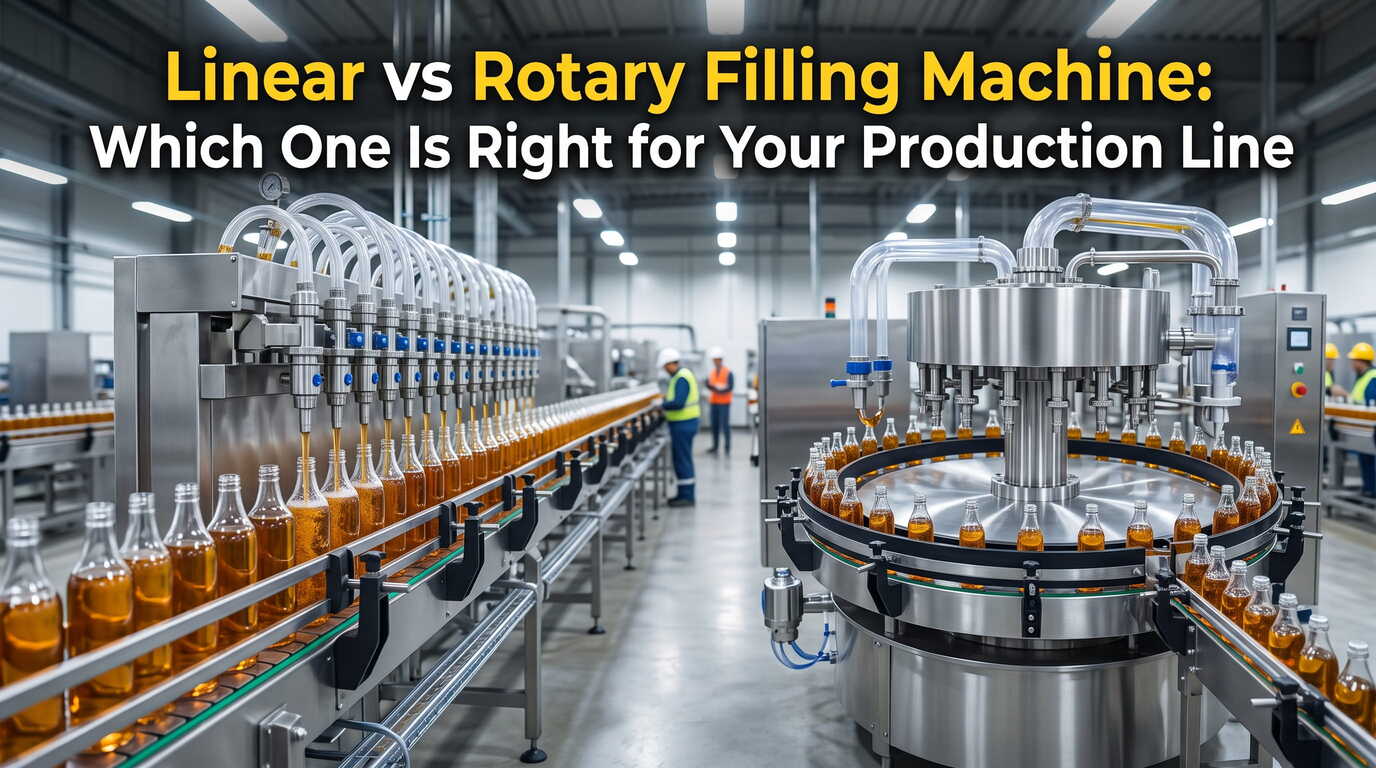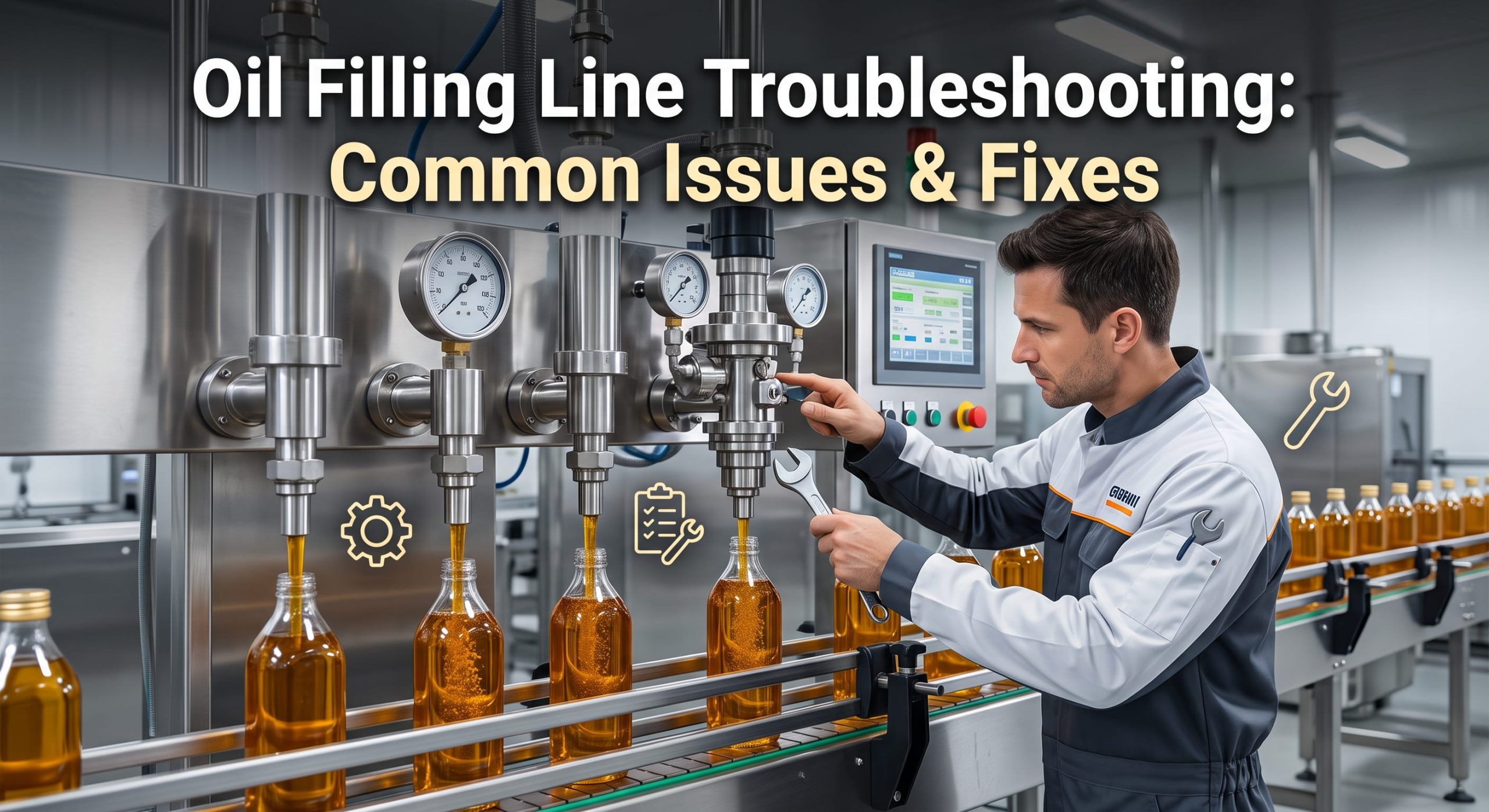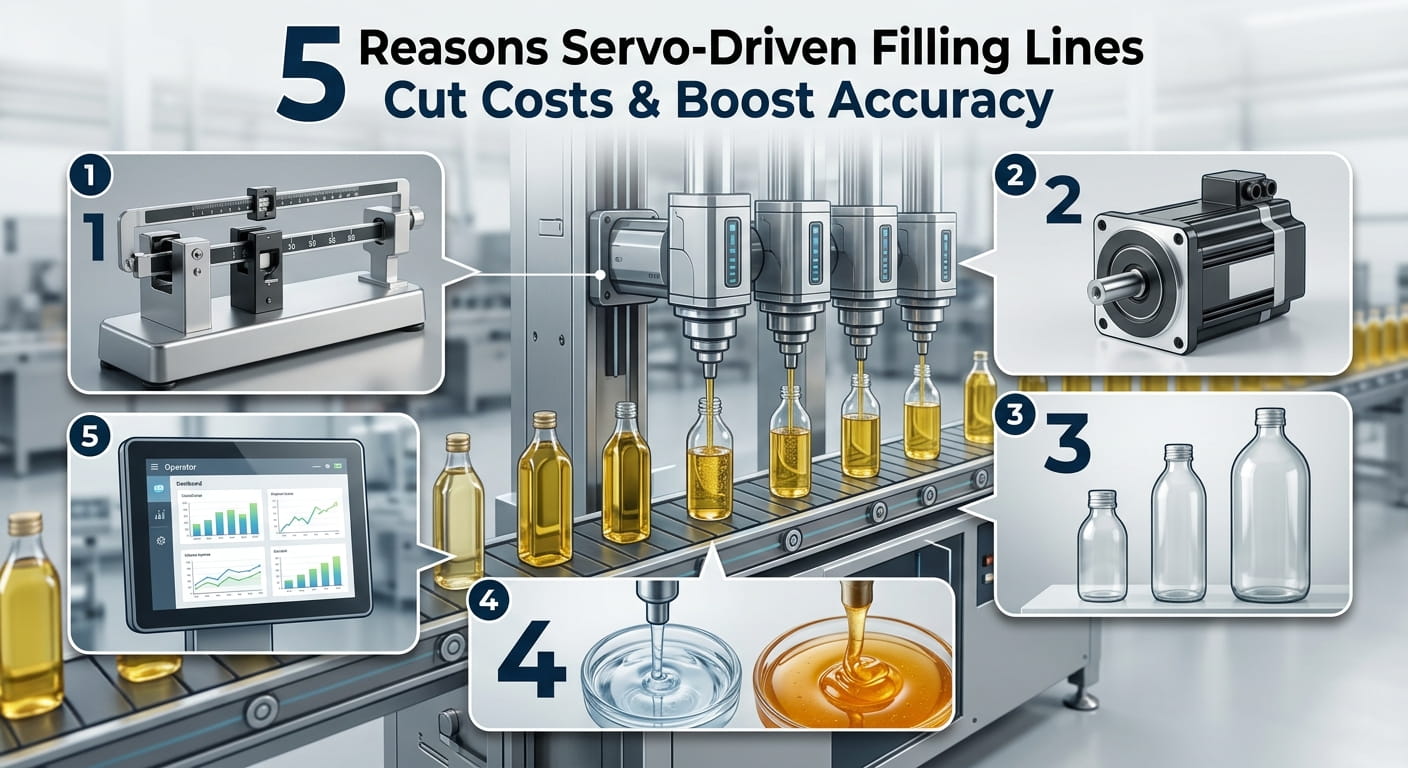
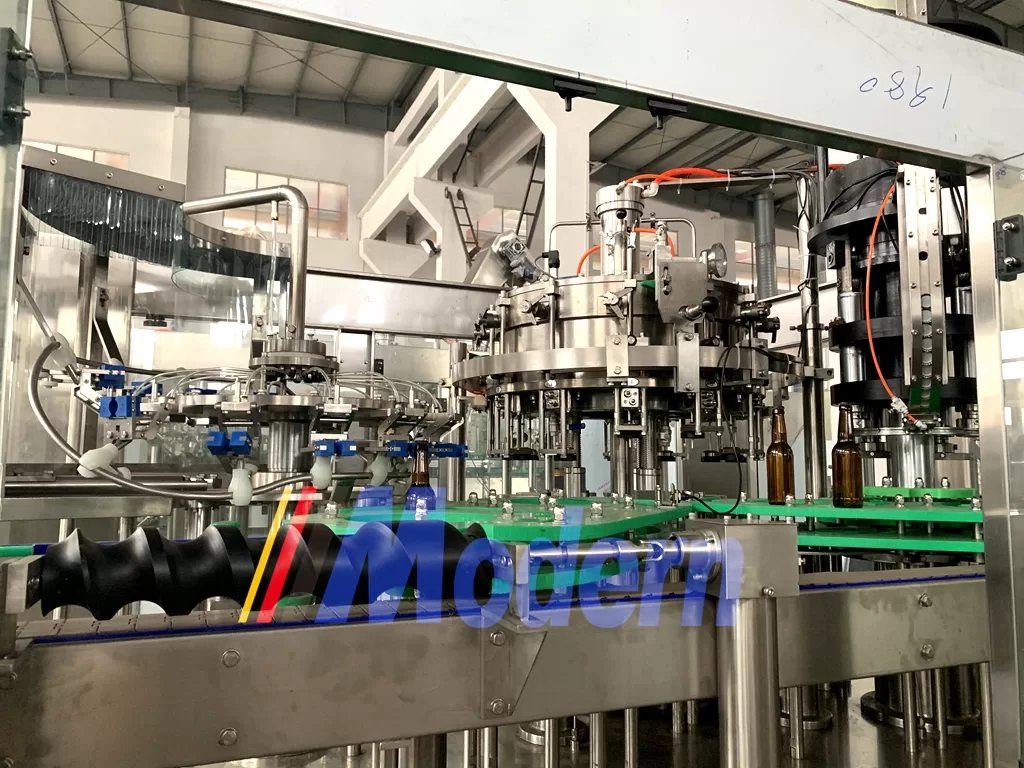
Dans le paysage en constante évolution de la production de boissons, l'importance de l'efficacité, de la précision et de l'hygiène ne peut être surestimée. Les machines de remplissage de bouteilles de soda constituent l'épine dorsale de cette industrie, permettant aux fabricants de répondre à la demande des consommateurs tout en maintenant les normes de production les plus élevées. Cet article explore divers aspects des machines de remplissage de bouteilles de soda, notamment les types, les fonctions, la maintenance et les critères de sélection, offrant des informations précieuses aux fabricants comme aux professionnels du commerce extérieur.
Comprendre les machines de remplissage de bouteilles de soda
Les machines de remplissage de bouteilles de soda sont des équipements industriels conçus pour remplir des bouteilles avec des boissons gazeuses telles que les sodas, les eaux pétillantes et autres boissons effervescentes. Ces machines font partie intégrante du processus d'embouteillage et ont révolutionné la manière dont les boissons sont produites et distribuées. En automatisant le processus de remplissage, les fabricants peuvent réduire considérablement les erreurs humaines et augmenter les cadences de production, garantissant ainsi que les produits sont remplis de manière constante aux niveaux souhaités.
Types de machines de remplissage de bouteilles de soda
Les machines de remplissage de bouteilles de soda peuvent être classées en plusieurs types en fonction de leurs mécanismes opérationnels :
Remplisseuses par gravité
Les remplisseuses par gravité fonctionnent selon un principe simple : utiliser la gravité pour remplir les bouteilles. Lorsque la bouteille est placée sous la buse de remplissage, le liquide s'écoule dans la bouteille jusqu'à ce qu'il atteigne le niveau de remplissage prédéfini. Ce type est mieux adapté aux boissons non gazeuses, mais peut être adapté à certaines boissons gazeuses avec des ajustements pour minimiser la formation de mousse.
Remplisseuses à piston
Les remplisseuses à piston utilisent un mécanisme entraîné par piston pour aspirer la boisson d'un réservoir et la délivrer dans la bouteille. Ce type peut traiter des liquides à faible et haute viscosité et est idéal pour les boissons gazeuses, offrant des niveaux de remplissage précis. La conception du piston peut supporter une pression plus élevée, ce qui le rend excellent pour manipuler des liquides gazeux sans provoquer de mousse excessive.
Remplisseuses sous vide
Les remplisseuses sous vide fonctionnent en créant un vide à l'intérieur de la bouteille, permettant à la boisson d'être aspirée sans pression excessive. Cette méthode est efficace pour les boissons gazeuses, car elle minimise les risques de perte de produit due à la mousse. Ces machines sont souvent couplées à un processus de pré-évacuation pour améliorer leur efficacité.
Remplisseuses à contre-pression
Les remplisseuses à contre-pression maintiennent la pression dans la bouteille égale à celle du réservoir de produit, permettant au liquide de se remplir sans provoquer de bulles. Ce type est essentiel pour les boissons gazeuses car il minimise la formation de mousse et garantit que la qualité pétillante de la boisson est préservée. Le remplissage à contre-pression est la méthode privilégiée pour de nombreuses usines d'embouteillage axées sur l'efficacité et la qualité.
Caractéristiques clés à prendre en compte
Lors de la sélection d'une machine de remplissage de bouteilles de soda, il y a plusieurs caractéristiques essentielles à garder à l'esprit :
Vitesse et capacité
La vitesse de la machine, mesurée en bouteilles par heure, est une considération critique. Les besoins de fabrication peuvent varier considérablement, et le choix d'une machine avec la capacité appropriée garantit que les calendriers de production sont respectés sans goulots d'étranglement.
Niveaux d'automatisation
Les machines modernes de remplissage de bouteilles de soda sont dotées de différents niveaux d'automatisation, allant des systèmes semi-automatiques aux systèmes entièrement automatiques. Les machines entièrement automatiques peuvent intégrer plusieurs processus, minimisant le besoin d'intervention humaine et augmentant l'efficacité globale.
Compatibilité
La compatibilité avec différentes tailles et types de bouteilles est cruciale pour la polyvalence de la production. Choisissez une machine de remplissage qui peut être facilement ajustée pour s'adapter à divers formats de bouteilles, conceptions de vannes et hauteurs de remplissage.
Fonctionnalités de contrôle qualité
Recherchez des machines équipées de fonctionnalités avancées de contrôle qualité. Celles-ci peuvent inclure des capteurs automatiques pour mesurer les niveaux de remplissage, la détection de bouteilles mal alignées et des capacités de détection de particules étrangères. Un contrôle qualité amélioré garantit que seuls les produits de la plus haute qualité atteignent les consommateurs.
Conseils de maintenance pour les machines de remplissage de bouteilles de soda
Un entretien approprié des machines de remplissage de bouteilles de soda prolonge leur durée de vie et garantit la constance de la qualité de production. Voici plusieurs conseils de maintenance exploitables :
Nettoyage régulier
Maintenir une machine de remplissage propre est essentiel pour prévenir la contamination. Planifiez des cycles de nettoyage réguliers conformes aux normes d'hygiène, en vous concentrant sur les zones où les résidus liquides peuvent s'accumuler.
Inspection des joints et des garnitures
L'usure des joints et des garnitures peut entraîner des fuites et la détérioration du produit. Inspectez régulièrement ces composants pour détecter tout signe de dommage et remplacez-les si nécessaire pour maintenir l'efficacité opérationnelle.
Surveillance de l'étalonnage
Assurez-vous que la machine de remplissage est correctement étalonnée pour des niveaux de remplissage constants. Effectuez des contrôles de routine par rapport aux normes de référence pour éviter les écarts qui pourraient affecter la qualité du produit.
Formation du personnel
Investir dans la formation du personnel responsable de l'exploitation et de la maintenance de la machine est primordial. Un personnel bien formé peut identifier et résoudre les problèmes plus efficacement, réduisant ainsi les temps d'arrêt et améliorant la productivité.
Choisir la bonne machine de remplissage de bouteilles de soda
Lorsqu'il s'agit de sélectionner la machine de remplissage de bouteilles de soda appropriée, une approche méthodique permet de s'assurer que l'investissement correspond aux besoins spécifiques de votre ligne de production :
Évaluez vos besoins de production
Déterminez vos besoins de production quotidienne et les types de boissons que vous allez embouteiller. Des volumes plus élevés exigent des machines avec des vitesses et des capacités d'automatisation plus importantes.
Évaluez les contraintes budgétaires
Bien que la qualité soit essentielle, il est également crucial d'aligner votre choix de machine sur les contraintes budgétaires. Évaluez les coûts totaux de possession, y compris la maintenance et l'exploitation, pour prendre une décision éclairée.
Considérez le support du fournisseur
Optez pour un fabricant ou un fournisseur qui offre des services de support robustes, notamment la maintenance, la formation et l'accès aux pièces de rechange. Un support fournisseur fiable peut réduire considérablement les temps d'arrêt potentiels et faciliter le dépannage.
Recueillez des avis et des témoignages
Avant de faire un choix final, recueillez des avis et des témoignages d'entreprises qui ont déjà utilisé les machines envisagées. Ces informations peuvent offrir une vision plus claire des performances et de la fiabilité dans des applications réelles.
Conclusion
Les machines de remplissage de bouteilles de soda sont des éléments cruciaux au sein de l'industrie des boissons, offrant une gamme de fonctionnalités qui répondent à divers besoins de production. En comprenant les différents types de machines de remplissage disponibles, en évaluant les caractéristiques, en assurant une maintenance appropriée et en prenant des décisions d'achat éclairées, les fabricants peuvent optimiser leurs opérations pour une efficacité et une qualité de produit accrues.
Alors que le marché continue d'évoluer, rester informé des avancées technologiques et des tendances du marché garantira aux entreprises de rester compétitives dans un environnement dynamique. Investir dans la technologie de remplissage appropriée n'est pas seulement un choix opérationnel ; c'est une décision stratégique qui peut avoir un impact sur le succès à long terme.