
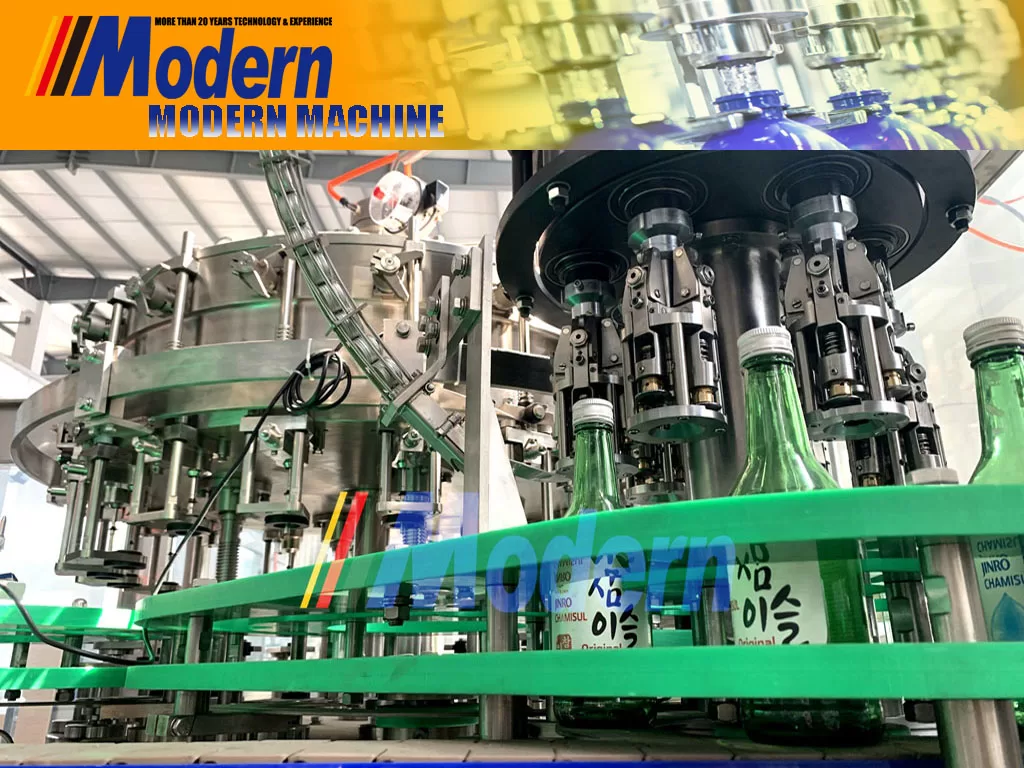
Dans le paysage en constante évolution de la production de boissons, les machines de remplissage de bouteilles de soda sont des atouts indispensables pour les fabricants cherchant à accroître leur efficacité et à maintenir la qualité de leurs produits. Le prix de ces machines est un facteur critique qui peut influencer considérablement la budgétisation et la planification stratégique globale des sites de production. Cet article approfondira les dimensions du prix des machines de remplissage de bouteilles de soda, les considérations liées à l'achat et la valeur qu'elles apportent aux lignes de production.
Comprendre les bases des machines de remplissage de bouteilles de soda
Les machines de remplissage de bouteilles de soda sont conçues pour automatiser le processus de remplissage des contenants avec des boissons gazeuses. Ces machines sont conçues pour offrir précision, vitesse et fiabilité, des éléments essentiels pour maintenir les normes de production tout en minimisant les coûts. Les machines se déclinent en diverses configurations, capacités et technologies, qui jouent toutes un rôle dans la détermination de leur prix.
Facteurs influençant le prix des machines de remplissage de bouteilles de soda
Déterminer le coût d'une machine de remplissage de bouteilles de soda implique de nombreux facteurs. Comprendre ces éléments peut aider les entreprises à prendre des décisions éclairées lors de l'achat d'équipement.
1. Type de machine et technologie
Différents types de machines de remplissage de bouteilles de soda ont des niveaux de prix variables. Les principales catégories incluent :
- Remplisseuses par gravité : Celles-ci sont généralement moins coûteuses et largement utilisées pour les boissons non gazeuses.
- Remplisseuses sous pression : Conçues pour les boissons gazeuses, ces machines maintiennent le niveau de carbonatation et sont généralement plus onéreuses.
- Remplisseuses volumétriques : Ces machines de remplissage sont conçues pour des mesures précises et peuvent être plus coûteuses en raison de leur technologie avancée.
Chaque type répond à des objectifs distincts, ce qui rend essentiel pour les entreprises d'évaluer leurs besoins de production spécifiques avant de décider, car le type de machine est directement corrélé à son prix.
2. Capacité et vitesse
La capacité de production de la machine influence considérablement son prix. Les machines à haute capacité, capables de remplir plus de bouteilles par heure, coûtent souvent plus cher que les modèles à faible capacité. Le compromis réside toutefois dans le retour sur investissement. Une machine avec un taux de remplissage plus élevé peut réduire considérablement les coûts de main-d'œuvre et augmenter la productivité, justifiant souvent son prix plus élevé.
3. Matériau et durabilité
Les matériaux utilisés dans la fabrication de la machine peuvent grandement affecter son prix. Les machines fabriquées en acier inoxydable de haute qualité sont généralement plus chères, mais offrent une durabilité accrue et une résistance à la corrosion. De plus, une durabilité améliorée peut entraîner une réduction des coûts de maintenance au fil du temps, faisant de ces machines un investissement judicieux.
4. Personnalisation et fonctionnalités
De nombreux fabricants proposent des options personnalisables qui peuvent faire grimper le prix d'une machine de remplissage de bouteilles de soda. Des fonctionnalités telles que des systèmes de nettoyage automatisés, des commandes numériques et des mécanismes de sécurité intégrés peuvent améliorer considérablement l'efficacité opérationnelle. Bien que ces fonctionnalités puissent augmenter les coûts initiaux, elles conduisent souvent à des économies à long terme plus importantes et à une meilleure qualité de production.
La gamme de prix des machines de remplissage de bouteilles de soda
Comprendre les fourchettes de prix peut aider les entreprises à établir des budgets et des attentes réalistes lors de la recherche de machines de remplissage de bouteilles de soda. Les prix peuvent varier considérablement en fonction des facteurs abordés précédemment, mais voici une répartition générale :
- Machines d'entrée de gamme : Ces machines peuvent commencer à partir de 5 000 $ à 20 000 $. Idéales pour les petites opérations ou les start-ups, elles offrent des fonctionnalités de base mais peuvent manquer des options avancées présentes dans les modèles plus coûteux.
- Machines de milieu de gamme : Généralement tarifées entre 20 000 $ et 50 000 $. Ces machines offrent un équilibre entre capacité et fonctionnalités avancées, répondant efficacement aux besoins des entreprises de taille moyenne.
- Machines haut de gamme : Avec des prix allant de 50 000 $ à plus de 100 000 $, ces machines bénéficient de capacités élevées, d'une technologie avancée et d'une construction robuste, s'adressant aux grands fabricants qui privilégient l'efficacité et la qualité.
Analyse coûts-avantages et considérations sur le retour sur investissement (ROI)
Lors de l'évaluation de l'achat d'une machine de remplissage de bouteilles de soda, il est essentiel de mener une analyse coûts-avantages approfondie. Un investissement initial plus élevé dans une machine de qualité se traduit souvent par des économies à long terme grâce à :
- Efficacité accrue : Les machines avec des vitesses de remplissage plus élevées réduisent le temps nécessaire pour remplir les bouteilles, augmentant ainsi la production et la rentabilité.
- Coûts de main-d'œuvre réduits : L'automatisation peut réduire considérablement le nombre de personnes requises, offrant des économies potentielles sur les dépenses de main-d'œuvre.
- Qualité constante : Les machines avancées assurent l'uniformité du remplissage, réduisant le gaspillage et améliorant la satisfaction des consommateurs.
Le calcul de votre retour sur investissement (ROI) implique d'analyser vos niveaux de production actuels, le potentiel d'augmentation de la production et les économies réalisables en termes de main-d'œuvre et de matériaux avec une nouvelle machine. Cette analyse peut clarifier si un coût initial plus élevé est justifié.
Options de financement pour les machines de remplissage de bouteilles de soda
La dépense financière pour l'achat de machines de remplissage de bouteilles de soda peut être substantielle. Cependant, diverses options de financement existent pour alléger ce fardeau :
- Crédit-bail (Leasing) : Cette option permet aux fabricants d'utiliser la machine sans l'investissement initial important, en répartissant le coût dans le temps.
- Prêts de financement : De nombreuses institutions financières proposent des prêts spécifiquement adaptés aux achats d'équipement, permettant des calendriers de remboursement gérables.
- Subventions et incitations gouvernementales : Dans certaines régions, les fabricants peuvent être éligibles à des subventions ou à des mesures incitatives visant à promouvoir la modernisation et les mises à niveau technologiques dans le secteur manufacturier.
Choisir le bon fournisseur
Après avoir évalué vos besoins et effectué une analyse des coûts, il est crucial de sélectionner un fournisseur réputé. Les facteurs à prendre en compte lors du choix d'un fournisseur incluent :
- Réputation : Étudiez leur présence sur le marché et les avis des clients.
- Support après-vente : Les fabricants de qualité fournissent un support client complet et des services de maintenance après l'achat.
- Options de personnalisation : Assurez-vous que le fournisseur peut proposer des machines adaptées à vos besoins de production spécifiques.
Conclusion
En conclusion, le prix des machines de remplissage de bouteilles de soda varie considérablement en fonction de multiples facteurs tels que le type, la capacité, la technologie et les matériaux. Il est essentiel pour les producteurs de boissons d'effectuer des recherches et des analyses approfondies afin de s'assurer qu'ils sélectionnent une machine qui répond à leurs besoins de production tout en offrant un retour sur investissement optimal à long terme. En évaluant les stratégies de tarification et les options de financement, les entreprises peuvent prendre des décisions éclairées qui améliorent leur efficacité opérationnelle. En fin de compte, investir du temps et des ressources dans l'acquisition de la bonne machine de remplissage est un investissement dans le succès futur de toute opération de production de boissons.


