Sur le marché actuel des boissons, en évolution rapide, la demande en eau pure et propre est plus importante que jamais. La sensibilisation croissante des consommateurs à la santé et au bien-être a conduit à une consommation accrue d'eau en bouteille. Par conséquent, cette hausse de la demande a ouvert la voie à un processus de fabrication efficace, dont un composant essentiel est la machine de remplissage d'eau pure. Dans cet article, nous explorons l'univers des machines de remplissage d'eau pure, en examinant leur technologie, leurs avantages, leurs défis et les tendances futures de cet équipement indispensable.
Comprendre les machines de remplissage d'eau pure
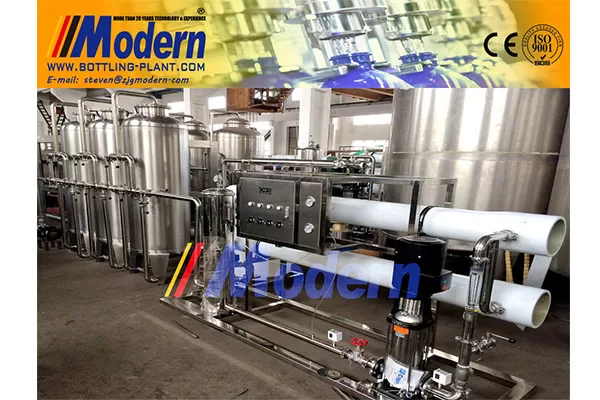
Une machine de remplissage d'eau pure est un équipement spécialisé conçu pour remplir des bouteilles avec de l'eau purifiée. Elle intègre généralement diverses technologies pour garantir que le processus de remplissage est efficace, précis et hygiénique. Ces machines sont souvent conçues pour un fonctionnement à haute vitesse, ce qui les rend adaptées aux entreprises d'embouteillage nécessitant un rendement élevé.
Types de machines de remplissage d'eau pure
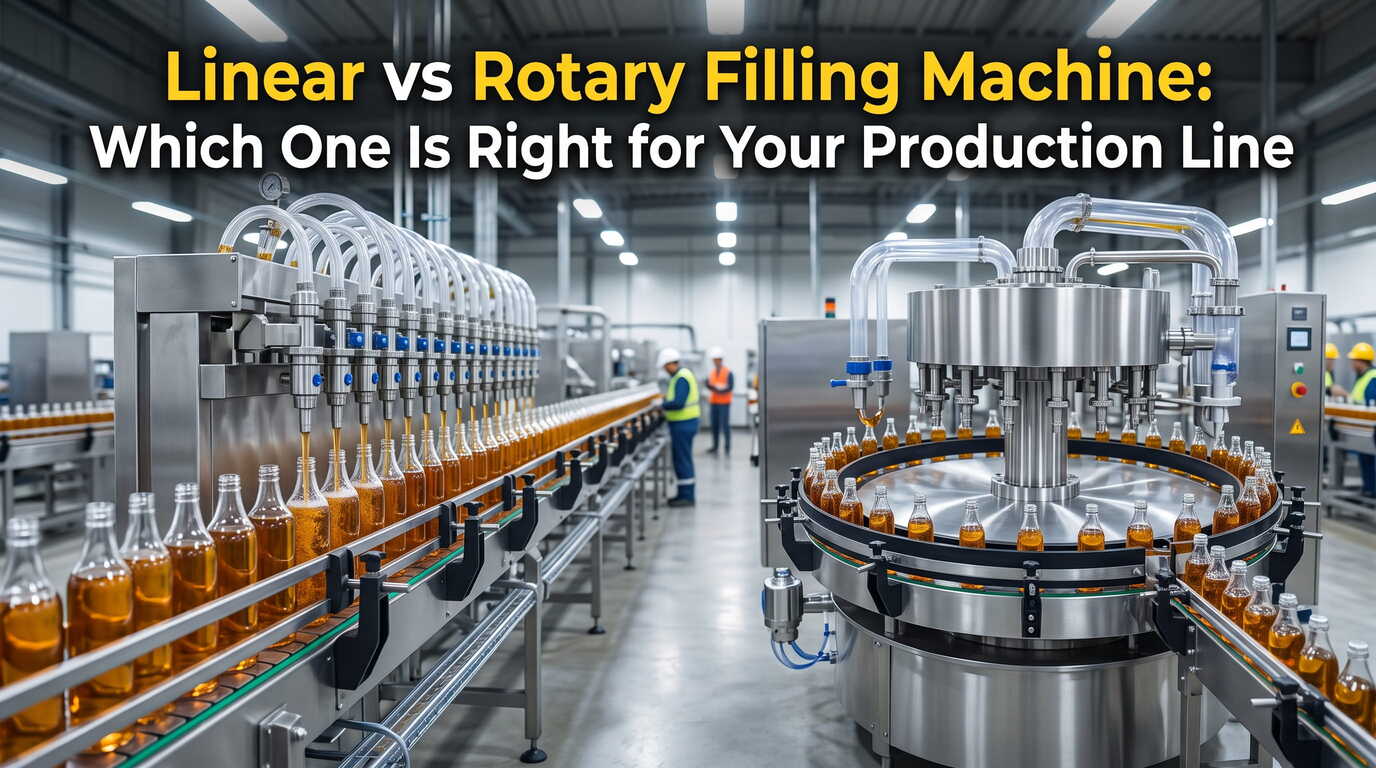
Il existe plusieurs types de machines de remplissage d'eau pure, chacune dotée de caractéristiques et d'avantages uniques. Les comprendre peut aider les fabricants à sélectionner le modèle approprié pour leurs opérations.
- Remplisseuses par gravité : Utilisant la gravité pour faire couler l'eau dans les bouteilles, les remplisseuses par gravité sont simples et rentables pour les cadences de production faibles à moyennes.
- Remplisseuses sous pression : Ces machines utilisent la pression pour remplir les bouteilles rapidement et sont idéales pour les lignes d'embouteillage à haute vitesse.
- Remplisseuses sous vide : Les remplisseuses sous vide éliminent l'air des bouteilles pour permettre un remplissage plus constant, particulièrement utile pour les produits sensibles à l'oxydation.
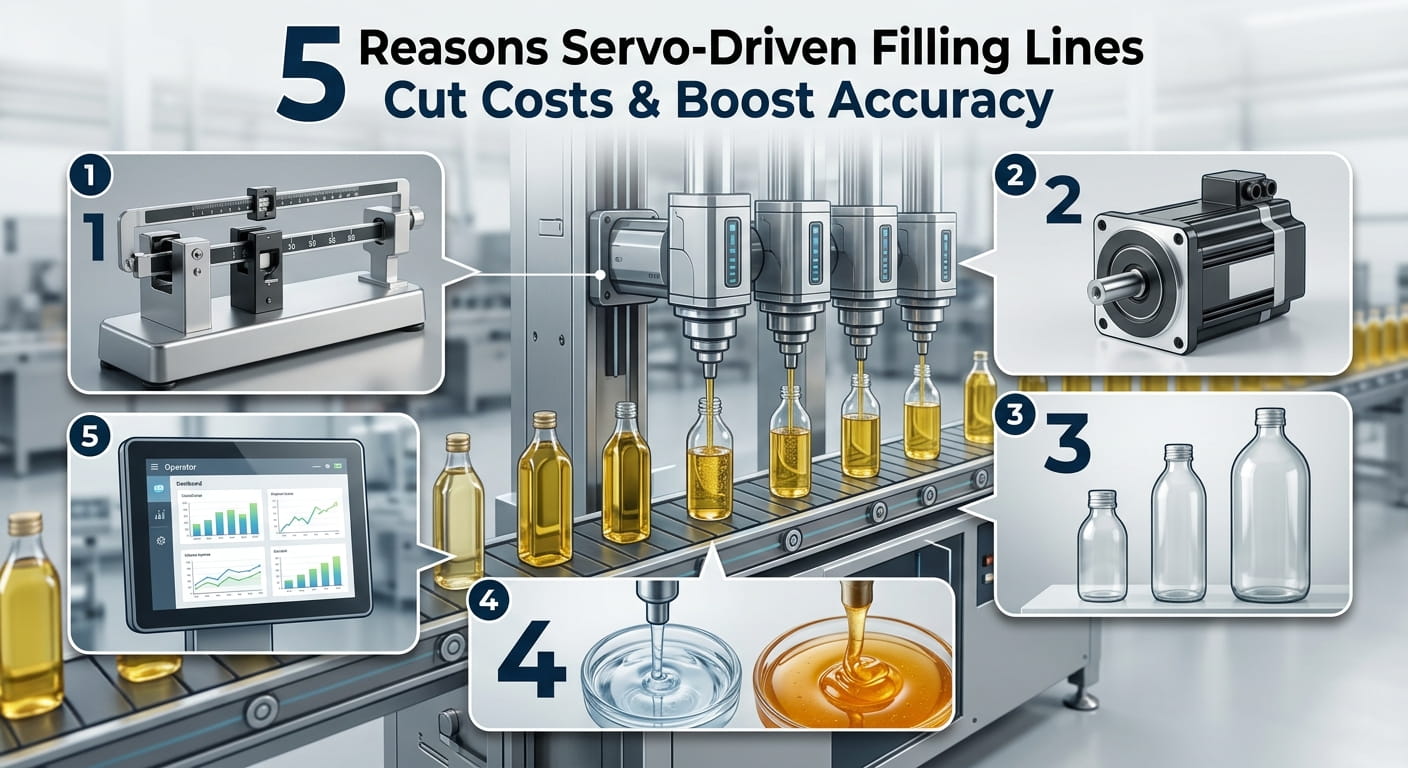
- Remplisseuses électroniques : Intégrant des systèmes de contrôle précis, les remplisseuses électroniques offrent une grande précision et une vitesse élevée, ce qui les rend adaptées aux exigences de production les plus strictes.
L'importance de l'hygiène dans les machines de remplissage
La santé et la propreté sont primordiales lorsqu'il s'agit de produits consommables tels que l'eau en bouteille. Les machines de remplissage d'eau pure doivent respecter des normes d'hygiène strictes pour éviter toute contamination pendant le processus d'embouteillage. Les fabricants emploient souvent diverses stratégies pour garantir l'hygiène, notamment :
- Sélection des matériaux : L'acier inoxydable est couramment utilisé en raison de sa résistance à la corrosion et de sa facilité de nettoyage.
- Systèmes de nettoyage automatique : L'intégration de fonctions de nettoyage et de désinfection automatiques peut réduire considérablement le risque de contamination.
- Systèmes scellés : Une machine de remplissage bien conçue doit fonctionner dans des conditions scellées afin de minimiser l'exposition aux contaminants environnementaux.
Mesures de contrôle qualité
Le contrôle qualité dans le processus d'embouteillage est essentiel pour maintenir l'intégrité du produit. Les fabricants doivent mettre en œuvre un programme complet d'assurance qualité qui comprend :
- Maintenance régulière : Une maintenance programmée garantit que les machines fonctionnent efficacement et restent exemptes de contaminants.
- Équipement de surveillance : L'installation de capteurs et de systèmes de surveillance peut aider à identifier les problèmes en temps réel, permettant une action rapide et minimisant les temps d'arrêt.
- Échantillonnage et tests : L'échantillonnage régulier des bouteilles remplies pour des tests microbiologiques et chimiques garantit que le produit final répond aux normes de sécurité.
Efficacité et productivité
L'un des principaux avantages des machines de remplissage d'eau pure est leur capacité à améliorer la productivité. Grâce à leurs capacités de remplissage à haute vitesse, ces machines peuvent remplir des milliers de bouteilles par heure, réduisant considérablement les coûts de main-d'œuvre et le temps de production. Pour maximiser l'efficacité, les fabricants doivent prendre en compte les éléments suivants :
- Automatisation : La mise en œuvre de systèmes de remplissage automatisés minimise les erreurs humaines et optimise le flux de travail.
- Intégration aux lignes de production : S'assurer que votre équipement de remplissage s'intègre parfaitement aux autres équipements de production, tels que les stations d'étiquetage et d'emballage, rationalise les opérations.
- Systèmes de surveillance en temps réel : L'utilisation de systèmes de surveillance permet aux opérateurs de superviser les indicateurs de production, permettant des ajustements proactifs et une amélioration des taux de rendement.
Considérations sur les coûts
Bien que l'investissement dans une machine de remplissage d'eau pure puisse être coûteux, une étude attentive de divers facteurs peut aider à optimiser les coûts :
- Retour sur investissement (ROI) : L'analyse du rendement et des revenus projetés par rapport au coût de la machine peut aider à déterminer un délai de retour sur investissement acceptable.
- Efficacité énergétique : Investir dans des équipements économes en énergie peut entraîner des économies à long terme sur les coûts d'exploitation.
- Coûts de maintenance : Comprendre les exigences de maintenance et les coûts potentiels des pièces de rechange permet une meilleure budgétisation.
Choisir la bonne machine
La sélection de la machine de remplissage d'eau pure appropriée nécessite une évaluation minutieuse de vos besoins de production. Tenez compte des facteurs suivants lors du choix d'une machine :
- Volume de production : Évaluez vos objectifs de production quotidiens et mensuels pour vous assurer que la machine peut répondre à ces exigences.
- Type de bouteille : La taille et le type de bouteilles que vous prévoyez de remplir (par exemple, bouteilles en PET, bouteilles en verre) influencent la compatibilité de la machine de remplissage.
- Budget d'investissement : Déterminez votre budget à l'avance, en équilibrant les coûts initiaux avec les performances projetées et les gains d'efficacité.
Défis de l'industrie du conditionnement d'eau pure
Malgré ses avantages, l'industrie du conditionnement d'eau pure fait face à plusieurs défis :
- Conformité réglementaire : Se tenir au courant des réglementations sanitaires peut être complexe et exige une vigilance constante.
- Préoccupations environnementales : Les préoccupations croissantes concernant les déchets plastiques obligent les entreprises à envisager des alternatives et des pratiques respectueuses de l'environnement.
- Avancées technologiques : Suivre le rythme des technologies émergentes peut nécessiter des investissements et une formation continus.
Tendances futures de la technologie de remplissage d'eau pure
L'avenir des machines de conditionnement d'eau pure est sur le point de se transformer, porté par les avancées technologiques et l'évolution des demandes des consommateurs. Voici quelques tendances anticipées :
- Technologie intelligente : L'intégration de la technologie IoT pour la surveillance des données et la maintenance prédictive améliorera l'efficacité et réduira les temps d'arrêt.
- Pratiques de durabilité : Les entreprises sont susceptibles d'investir dans des machines conçues pour réduire la consommation d'énergie et la production de déchets.
- Personnalisation : La demande croissante pour des produits personnalisés pourrait conduire à des innovations dans les machines de remplissage flexibles capables de s'adapter à diverses tailles et formes de bouteilles.
Conclusion
Les machines de conditionnement d'eau pure jouent un rôle essentiel dans l'industrie des boissons, répondant à une demande toujours croissante en eau embouteillée. En investissant dans une technologie efficace, hygiénique et rapide, les fabricants peuvent garantir la qualité des produits et répondre aux attentes des consommateurs. Comprendre les types, les avantages et les tendances futures des machines de conditionnement d'eau pure permet aux entreprises de prendre des décisions éclairées qui contribuent à leur succès à long terme. Alors que l'industrie continue d'évoluer, s'adapter aux nouveaux défis et adopter des innovations sera crucial pour maintenir sa compétitivité sur le marché mondial.