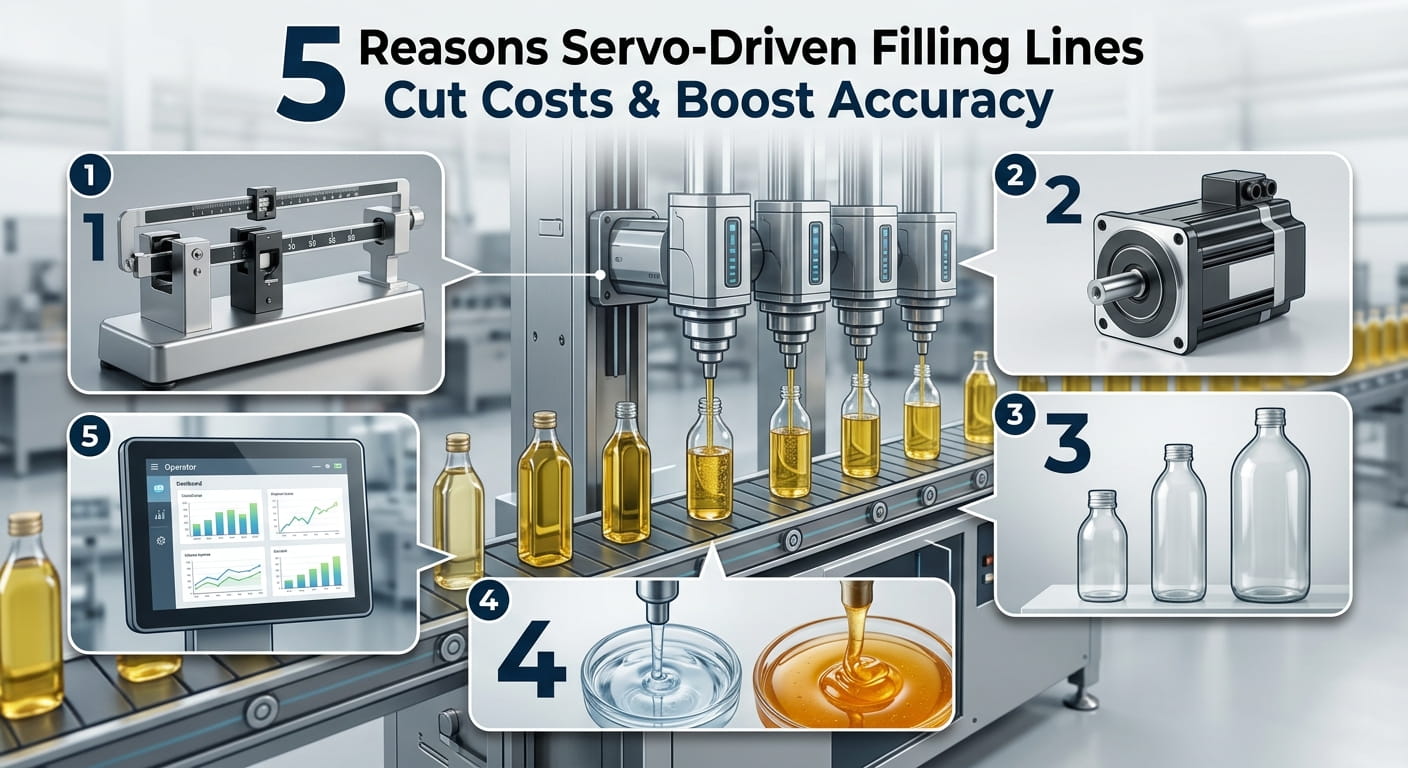
L'industrie des boissons est un secteur florissant, caractérisé par une croissance incessante de la diversité et de la demande. À mesure que les préférences des consommateurs évoluent, les méthodes et les technologies utilisées pour le conditionnement des boissons deviennent de plus en plus sophistiquées. Cet article explore les différentes dimensions du conditionnement des boissons, en offrant des perspectives, des tendances et des conseils pratiques aux acteurs du secteur souhaitant naviguer au mieux dans ce domaine complexe.
Comprendre le conditionnement des boissons : un aperçu
Le conditionnement des boissons est une étape critique du processus de production, où les liquides sont transférés dans des contenants destinés à la distribution et à la vente. Cette procédure, qui semble simple, englobe toutefois une multitude d'éléments techniques allant du choix de l'équipement de remplissage à la garantie de l'intégrité du produit. Le conditionnement des boissons concerne une large gamme de produits tels que les boissons gazeuses, les jus, les boissons alcoolisées, l'eau et les produits laitiers. Les méthodes employées peuvent varier considérablement en fonction des propriétés physiques de la boisson, du type de contenant et de la durée de conservation souhaitée.
L'importance des techniques de remplissage
Le choix de la bonne technique de remplissage est primordial pour maintenir la qualité et la sécurité du produit. Les différentes méthodes incluent :
1. Remplissage par gravité
Le remplissage par gravité est souvent utilisé pour les boissons ayant une viscosité constante, comme l'eau et les boissons gazeuses. Dans cette méthode, les contenants sont remplis en laissant la boisson s'écouler par gravité sous l'effet du poids. Bien que simple et rentable, cette technique peut ne pas convenir à toutes les boissons, en particulier celles qui sont gazéifiées.
2. Remplissage sous pression
Pour les boissons gazeuses, le remplissage sous pression est plus approprié. Cette technique utilise la pression pour pousser la boisson dans le contenant tout en minimisant la formation de mousse et la perte de gaz carbonique. Il est crucial de comprendre la pression requise pour des boissons spécifiques, car une pression inappropriée peut entraîner un moussage excessif ou un sous-remplissage.
3. Remplissage sous vide
Le remplissage sous vide est souvent utilisé pour les produits sensibles tels que les jus et les purées. En créant un vide dans le contenant avant le remplissage, cette méthode peut réduire considérablement la quantité d'air incorporée pendant le processus, prolongeant ainsi la durée de vie du produit et préservant sa saveur.
4. Remplissage par piston
Le remplissage par piston est avantageux pour les liquides plus épais tels que les sauces et certaines boissons alcoolisées. Cette méthode utilise un mécanisme à piston qui assure un contrôle précis du volume et est idéale pour les produits nécessitant une mesure exacte. Cette approche peut réduire le gaspillage et augmenter l'efficacité opérationnelle.
Tendances actuelles dans le conditionnement des boissons
L'industrie du conditionnement des boissons est en constante évolution, portée par les exigences des consommateurs en matière de durabilité, d'efficacité et de polyvalence. Plusieurs tendances clés ont émergé :
1. Initiatives de durabilité
Avec une sensibilisation croissante à l'environnement, les fabricants de boissons se tournent vers des pratiques durables. L'utilisation de matériaux d'emballage biodégradables, de contenants recyclables et la réduction de la dépendance au plastique ne sont que quelques-unes des façons dont les entreprises adaptent leurs processus de remplissage. De plus, des processus de remplissage optimisés peuvent réduire la consommation d'énergie et minimiser les déchets.
2. Intégration de technologies intelligentes
L'intégration de technologies intelligentes dans les processus de conditionnement des boissons est devenue courante. Cela inclut l'utilisation d'appareils IoT, de systèmes de surveillance automatisés et d'algorithmes d'intelligence artificielle pour améliorer l'efficacité de la production. En exploitant l'analyse de données, les fabricants peuvent optimiser les calendriers de remplissage, résoudre les problèmes de manière proactive et réduire considérablement les temps d'arrêt.
3. Personnalisation et sur-mesure
Alors que les consommateurs recherchent des expériences uniques, la demande de personnalisation a explosé. Les entreprises adoptent des systèmes de remplissage permettant des formulations variées et des petites séries. Ce changement répond non seulement aux marchés de niche, mais renforce également la fidélité des consommateurs en proposant des produits sur mesure.
Meilleures pratiques pour une opération de conditionnement de boissons efficace
Pour exploiter un système de conditionnement de boissons efficace, les parties prenantes doivent prendre en compte les meilleures pratiques suivantes :
1. Entretien régulier de l'équipement
Un entretien régulier de l'équipement de remplissage garantit fiabilité et précision. La mise en œuvre d'un programme de maintenance préventive peut réduire les temps d'arrêt imprévus et améliorer l'efficacité globale. Des contrôles périodiques et l'étalonnage des machines de remplissage aident également à maintenir des normes de qualité élevées.
2. Formation des employés
Investir dans une formation complète du personnel impliqué dans le processus de remplissage est essentiel. Les employés doivent bien connaître les consignes de sécurité opérationnelle, la manipulation des équipements et les mesures de contrôle qualité. Une main-d'œuvre compétente augmente non seulement la productivité, mais minimise également les erreurs qui pourraient compromettre l'intégrité du produit.
3. Contrôle et assurance qualité
La mise en œuvre de mesures de contrôle qualité robustes à chaque étape du processus de remplissage n'est pas négociable. Cela inclut un échantillonnage et des tests réguliers pour garantir que tous les produits répondent aux normes de sécurité. Employer une équipe d'assurance qualité pour superviser la production peut grandement contribuer à maintenir la cohérence du produit final.
4. Flexibilité des opérations
En raison des fluctuations de la demande du marché, la capacité d'adaptation est cruciale. Les systèmes de conditionnement des boissons doivent être conçus pour la flexibilité, permettant des changements rapides sur les lignes de production pour différents types de produits ou formulations. Cette adaptabilité peut s'avérer inestimable pour répondre efficacement aux tendances de consommation.
Relever les défis du conditionnement des boissons
Malgré les avancées technologiques et pratiques, plusieurs défis persistent dans le paysage du conditionnement des boissons :
1. Maintien des normes d'hygiène
Compte tenu de la nature des boissons, le maintien de conditions hygiéniques pendant le processus de remplissage est de la plus haute importance. La mise en œuvre de protocoles de propreté stricts et l'utilisation de matériaux de haute qualité pour la construction des équipements peuvent atténuer les risques de contamination.
2. Garantir l'exactitude et la précision
Un remplissage précis est essentiel pour la satisfaction du client et la conformité réglementaire. La mise en œuvre de systèmes automatisés et la garantie d'un étalonnage approfondi peuvent aider à atténuer les inexactitudes qui pourraient entraîner des plaintes ou des rappels de produits.
Conclusion
L'industrie du conditionnement des boissons est un domaine complexe et dynamique qui nécessite une attention particulière aux techniques, aux tendances et aux meilleures pratiques. En comprenant les subtilités des différentes méthodes de remplissage, en adhérant aux meilleures pratiques de l'industrie et en restant au fait des tendances émergentes, les entreprises peuvent optimiser leurs opérations pour répondre efficacement aux demandes des consommateurs. De plus, un engagement envers la durabilité et les avancées technologiques jouera un rôle central dans le façonnement de l'avenir du conditionnement des boissons, positionnant les entreprises pour une croissance et un succès à long terme sur un marché de plus en plus concurrentiel.