
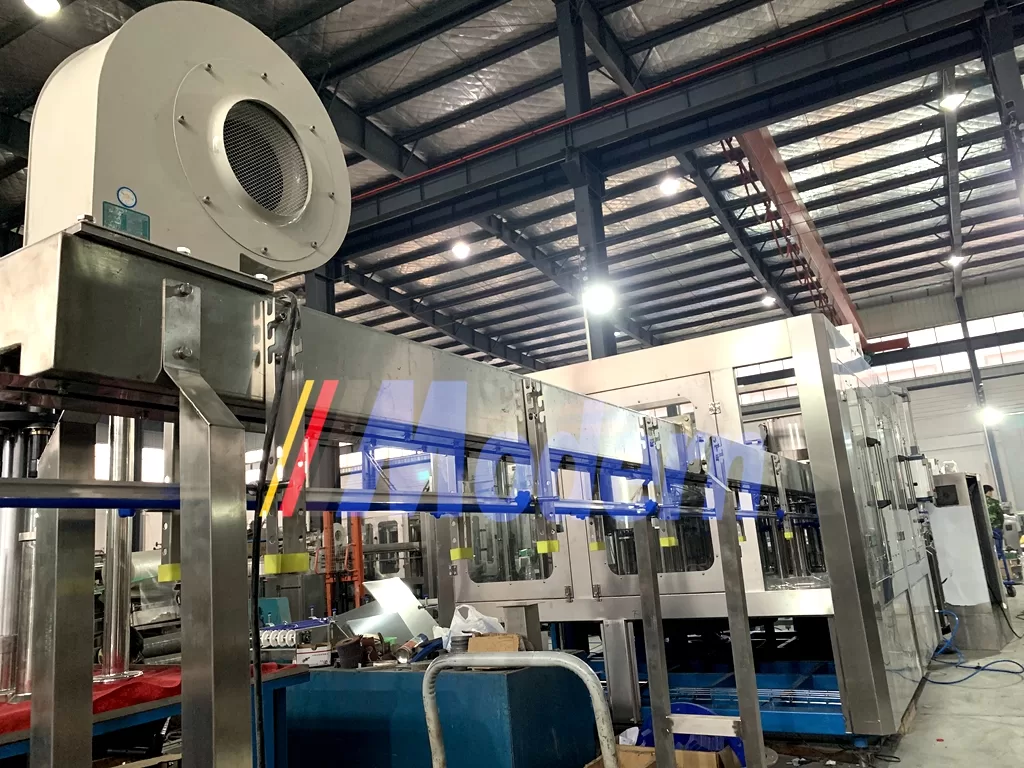
Investir dans des lignes de production de boissons modernes est une décision importante pour tout fabricant cherchant à améliorer son efficacité, sa qualité et son rendement. Mener une analyse approfondie du retour sur investissement (ROI) est crucial pour comprendre l'impact financier et les avantages à long terme d'un tel investissement. Dans cet article, nous examinerons les facteurs clés que les entreprises doivent prendre en compte lors de l'évaluation du ROI de la modernisation de leurs lignes de production de boissons.
L'importance de l'analyse du ROI
L'analyse du ROI est essentielle pour déterminer la viabilité financière de la mise à niveau ou de l'installation de nouveaux équipements de production de boissons. Elle aide les fabricants à évaluer les coûts associés à l'investissement, à estimer les rendements potentiels et à prendre des décisions éclairées qui s'alignent sur leurs objectifs commerciaux. En comprenant le ROI, les entreprises peuvent prioriser les projets qui offrent la plus grande valeur et éviter les dépenses inutiles.
Facteurs à prendre en compte dans l'analyse du ROI
1. Coûts d'investissement initiaux : Les coûts initiaux d'achat et d'installation d'équipements de production de boissons modernes jouent un rôle important dans l'analyse du ROI. Les entreprises doivent prendre en compte des facteurs tels que le prix d'achat de l'équipement, les coûts d'installation, les frais de formation et toute exigence d'infrastructure supplémentaire.
2. Améliorations de l'efficacité opérationnelle : L'un des principaux avantages des lignes de production modernes est le potentiel d'amélioration de l'efficacité opérationnelle. Les fabricants doivent analyser comment le nouvel équipement améliorera la vitesse de production, réduira les temps d'arrêt, améliorera le contrôle qualité et rationalisera les flux de travail. Ces gains d'efficacité peuvent se traduire par des économies de coûts et une augmentation de la production.
3. Coûts de main-d'œuvre et productivité : Les lignes de production modernes nécessitent souvent moins de travail manuel et peuvent automatiser certaines tâches, ce qui entraîne des économies potentielles sur les coûts de main-d'œuvre. En évaluant l'impact de la technologie sur la productivité de la main-d'œuvre, les entreprises peuvent évaluer les gains d'efficacité globaux et les réductions des coûts de main-d'œuvre.
4. Qualité et cohérence : Investir dans des équipements de production modernes peut conduire à une meilleure qualité et une plus grande cohérence des produits. En réduisant les erreurs, en minimisant le gaspillage et en assurant l'uniformité des résultats, les fabricants peuvent améliorer la satisfaction des clients et la réputation de la marque, ce qui peut avoir un impact significatif sur la rentabilité à long terme.
5. Efficacité énergétique et durabilité : Une autre considération importante dans l'analyse du ROI est le potentiel d'économies d'énergie et les avantages en matière de durabilité des lignes de production de boissons modernes. Les entreprises doivent évaluer comment le nouvel équipement peut réduire la consommation d'énergie, minimiser l'impact environnemental et s'aligner sur les objectifs de durabilité de l'entreprise.
Calcul du ROI pour les lignes de production de boissons
Lors du calcul du ROI pour les lignes de production de boissons modernes, les entreprises doivent utiliser la formule suivante :
ROI = (Bénéfice net de l'investissement – Coût de l'investissement) / Coût de l'investissement x 100
En utilisant cette formule, les entreprises peuvent évaluer les avantages financiers de la mise à niveau de leurs lignes de production et déterminer si l'investissement en vaut la peine. Il est essentiel de mener une analyse complète qui prend en compte à la fois les impacts à court et à long terme sur la rentabilité.
Recommandations clés pour atteindre un ROI optimal
1. Mener une analyse coûts-avantages approfondie pour évaluer les implications financières de l'investissement dans des lignes de production de boissons modernes.
2. Prioriser les projets qui offrent le plus grand potentiel d'amélioration de l'efficacité opérationnelle, de la qualité et du rendement.
3. Prendre en compte les avantages à long terme de la modernisation, tels qu'une compétitivité accrue, une part de marché plus importante et une meilleure satisfaction client.
4. Explorer les options de financement et les incitations qui peuvent aider à compenser les coûts initiaux de mise à niveau des équipements de production.
5. Surveiller et évaluer en permanence les performances des nouvelles lignes de production pour identifier les domaines d'optimisation et les économies supplémentaires.
Conclusion
En conclusion, mener une analyse complète du ROI des lignes de production de boissons modernes est essentiel pour les entreprises cherchant à accroître leur efficacité, leur qualité et leur rentabilité. En tenant compte de facteurs tels que les coûts d'investissement initiaux, les améliorations de l'efficacité opérationnelle, les coûts de main-d'œuvre, la qualité des produits et les avantages en matière de durabilité, les fabricants peuvent prendre des décisions éclairées qui s'alignent sur leurs objectifs commerciaux. Prioriser les projets qui offrent la plus grande valeur et surveiller les performances après la mise en œuvre sont les clés pour atteindre un ROI optimal et assurer une modernisation réussie des lignes de production de boissons.


