
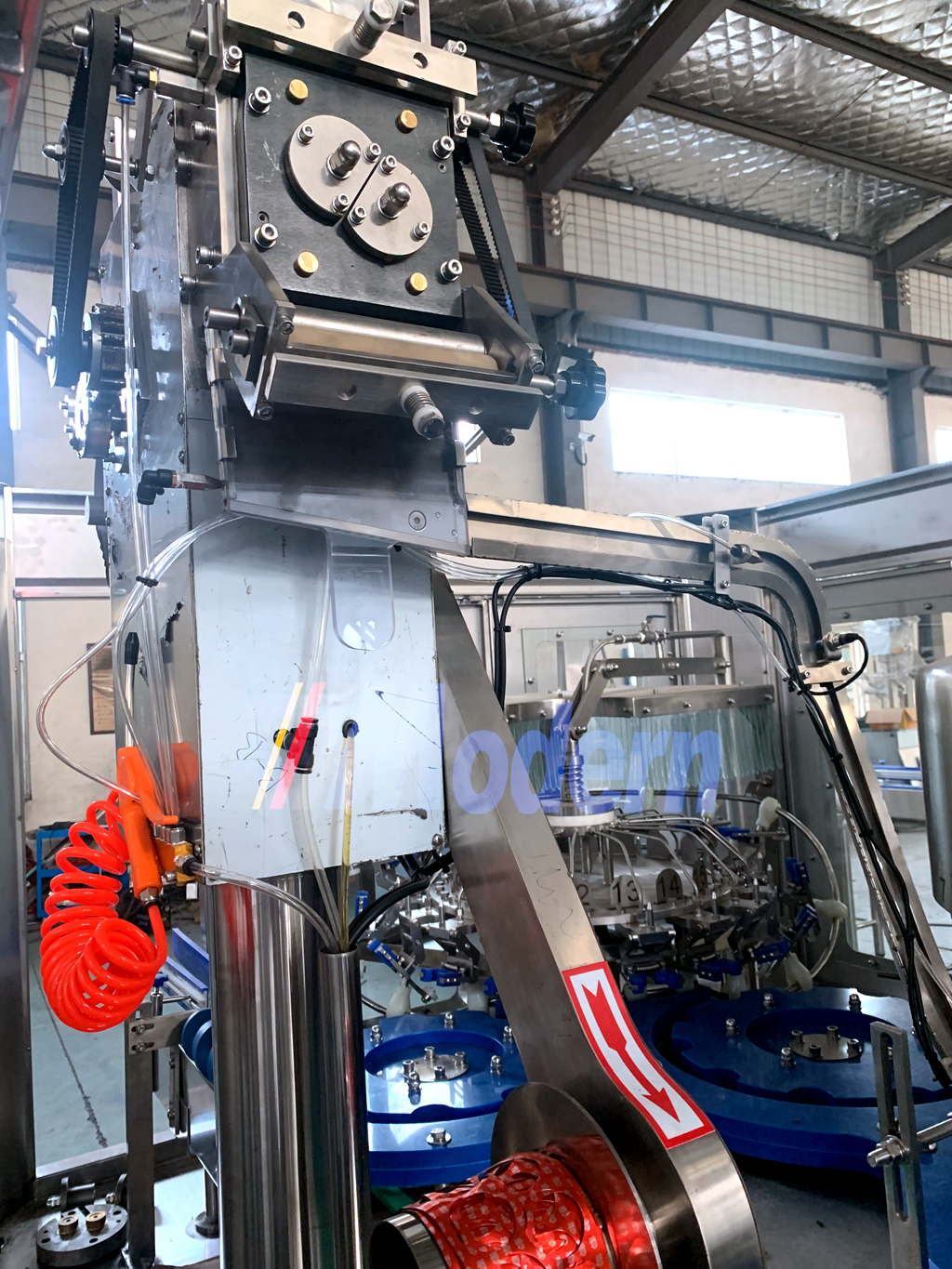
Les machines de remplissage d'huile sont des équipements essentiels utilisés dans diverses industries, notamment l'agroalimentaire, la pharmacie et l'automobile. Pour garantir des performances optimales et la longévité de ces machines, la propreté est cruciale. Un entretien approprié améliore non seulement l'efficacité, mais aide également à prévenir la contamination et l'altération du produit. Voici un guide complet sur la façon de maintenir la propreté des machines de remplissage d'huile.
1. Programme de nettoyage régulier
Établissez un programme de nettoyage de routine pour vos machines de remplissage d'huile en fonction de la fréquence d'utilisation et du type d'huile conditionnée. Les tâches de nettoyage quotidiennes, hebdomadaires et mensuelles doivent être clairement définies pour garantir que tous les composants sont soigneusement désinfectés. Utilisez les agents de nettoyage recommandés par le fabricant de la machine pour éviter tout dommage.
2. Démontage et nettoyage
Démontez périodiquement la machine de remplissage d'huile pour un nettoyage en profondeur. Retirez tous les composants entrant en contact avec l'huile, tels que les buses, les tuyaux et les vannes. Nettoyez méticuleusement ces pièces avec de l'eau tiède et un détergent doux pour éliminer tout résidu ou accumulation.
2.1 Nettoyage des buses
Les buses sont des composants critiques qui nécessitent une attention particulière. Faites-les tremper dans une solution de nettoyage recommandée par le fabricant pour dissoudre toute huile durcie ou débris. Utilisez une petite brosse pour frotter doucement les buses et assurez-vous qu'elles sont parfaitement propres avant de les remonter.
2.2 Nettoyage des tuyaux et des vannes
Les tuyaux et les vannes peuvent s'obstruer avec des résidus d'huile au fil du temps, ce qui affecte le processus de remplissage. Inspectez régulièrement ces pièces pour détecter tout blocage ou dommage. Nettoyez-les soigneusement à l'aide d'un mélange d'eau tiède et de solution de nettoyage, puis rincez-les pour éliminer tout résidu de détergent.
3. Lubrification et entretien
Une lubrification appropriée est essentielle pour éviter les frottements et assurer le bon fonctionnement de la machine de remplissage d'huile. Reportez-vous aux directives du fabricant pour connaître le type et la fréquence de lubrification recommandés pour les différents composants. Une lubrification excessive peut attirer la saleté et les débris, appliquez donc les lubrifiants avec parcimonie.
4. Prévention de la contamination
La contamination dans les machines de remplissage d'huile peut entraîner l'altération du produit et affecter la qualité de l'huile conditionnée. Mettez en œuvre des mesures pour prévenir la contamination, telles que couvrir la machine lorsqu'elle n'est pas utilisée, utiliser des alimentations en air filtré et veiller à ce que les opérateurs portent des gants et des uniformes propres.
4.1 Contrôle de la qualité de l'air
La qualité de l'air joue un rôle important dans le maintien de la propreté des machines de remplissage d'huile. Installez des filtres à air pour éliminer les contaminants et les particules susceptibles de compromettre la qualité de l'huile. Vérifiez et remplacez régulièrement les filtres conformément aux recommandations du fabricant.
4.2 Formation des opérateurs
Une formation appropriée des opérateurs de machines est cruciale pour maintenir la propreté. Informez le personnel sur l'importance des pratiques d'hygiène, telles que le lavage des mains, le port d'une tenue appropriée et la manipulation de l'équipement. Mettez en place des protocoles de nettoyage et de désinfection des zones de travail avant et après l'utilisation de la machine.
5. Inspections et contrôles qualité
Des inspections et des contrôles qualité réguliers sont essentiels pour garantir que la machine de remplissage d'huile fonctionne efficacement et produit une huile de haute qualité. Établissez une liste de contrôle pour l'inspection qui comprend des vérifications visuelles, des tests d'étanchéité et des évaluations des performances afin d'identifier rapidement tout problème.
5.1 Détection des fuites
Les fuites dans les machines de remplissage d'huile peuvent entraîner des déversements, du gaspillage et des risques potentiels pour la sécurité. Effectuez régulièrement des tests d'étanchéité en remplissant la machine avec de l'eau ou un liquide inoffensif et en surveillant tout signe de fuite. Traitez immédiatement toute fuite pour éviter d'autres dommages.
5.2 Étalonnage et précision
Étalonnez périodiquement la machine de remplissage d'huile pour maintenir la précision des niveaux de remplissage. Utilisez des instruments de mesure étalonnés pour vérifier que la machine distribue la quantité correcte d'huile. Tout écart par rapport aux paramètres définis doit être étudié et ajusté en conséquence.
6. Documentation et tenue des registres
Tenez des registres détaillés des programmes de nettoyage, des activités de maintenance, des inspections et des contrôles qualité pour la machine de remplissage d'huile. La documentation aide à suivre l'historique de maintenance, à identifier les tendances et à garantir la conformité aux exigences réglementaires. Gardez tous les dossiers organisés et facilement accessibles.
7. Entretien professionnel et assistance
Faites appel au fabricant ou à des prestataires de services certifiés pour l'entretien et la maintenance réguliers de la machine de remplissage d'huile. Les techniciens professionnels possèdent l'expertise et les outils nécessaires pour effectuer des inspections approfondies, des réparations et des mises à niveau afin de garantir que la machine fonctionne à une efficacité maximale.
8. Amélioration continue et retour d'information
Encouragez les retours d'information des opérateurs et du personnel de maintenance sur les performances de la machine de remplissage d'huile et les protocoles de propreté. Utilisez ces retours pour identifier les domaines à améliorer et mettre en œuvre des programmes de formation continue afin d'améliorer les pratiques de propreté et l'efficacité de la machine.
Conclusion
Le maintien de la propreté des machines de remplissage d'huile est essentiel pour garantir la qualité du produit, prévenir la contamination et prolonger la durée de vie de l'équipement. En mettant en œuvre un programme complet de nettoyage et d'entretien, en suivant les directives du fabricant et en donnant la priorité aux pratiques d'hygiène, vous pouvez optimiser les performances de votre machine de remplissage d'huile et respecter les normes de l'industrie.


