
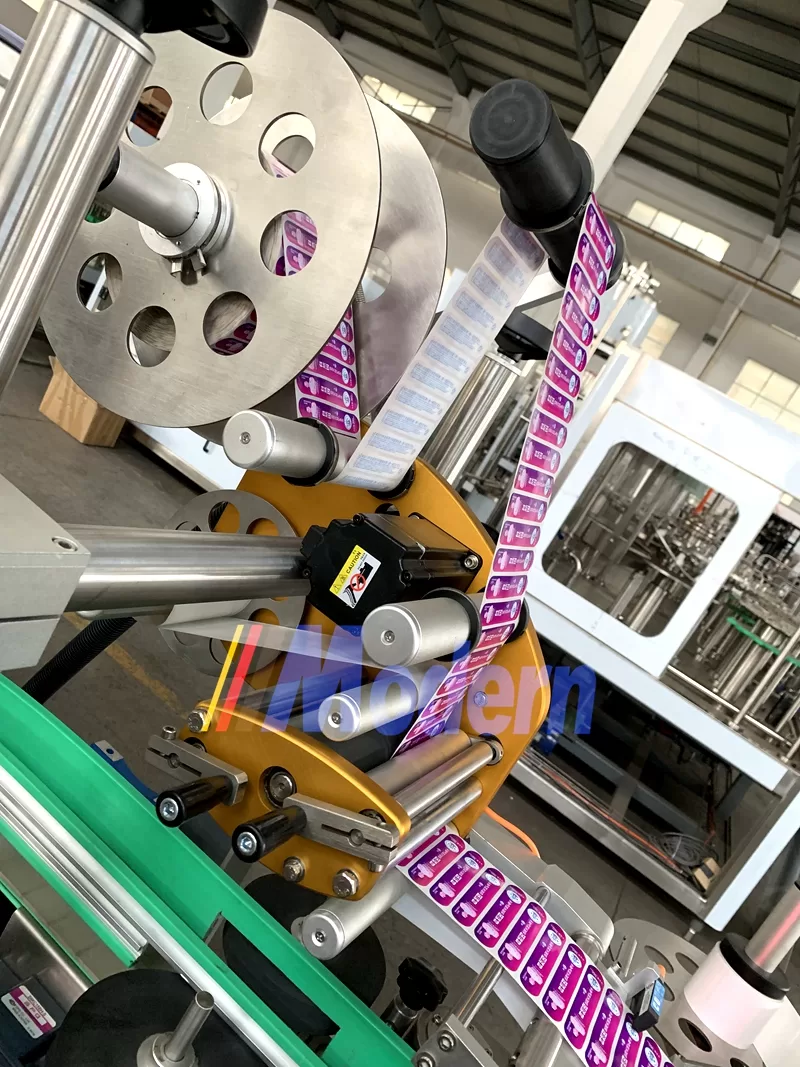
L'étiquetage par manchons rétractables est un choix populaire pour le conditionnement des produits dans divers secteurs en raison de sa polyvalence et de son attrait visuel. Cependant, trouver l'étiqueteuse pour manchons rétractables adaptée à vos besoins spécifiques peut être une décision cruciale ayant des effets durables sur la présentation et l'efficacité de vos produits. Dans ce guide complet, nous explorerons les facteurs clés à prendre en compte lors de la sélection d'une étiqueteuse pour manchons rétractables répondant à vos exigences.
1. Comprenez vos besoins en matière d'étiquetage
Avant de vous lancer dans le processus de sélection, il est essentiel d'avoir une compréhension claire de vos besoins en étiquetage. Évaluez des facteurs tels que le type de produits que vous étiquetez, le volume de production, la taille et la forme de l'étiquette, les exigences de vitesse, ainsi que toute réglementation ou norme industrielle spécifique à respecter.
2. Déterminez le type d'étiqueteuse pour manchons rétractables
Il existe différents types d'étiqueteuses pour manchons rétractables sur le marché, notamment des machines manuelles, semi-automatiques et entièrement automatiques. Le choix du type d'applicateur dépendra de votre volume de production, de votre budget et du niveau d'automatisation et de contrôle dont vous avez besoin.
Applicateurs manuels :
Les applicateurs manuels conviennent à la production à petite échelle ou aux entreprises ayant des besoins d'étiquetage limités. Ils nécessitent plus de main-d'œuvre et de temps, mais sont rentables pour les opérations à faible volume.
Applicateurs semi-automatiques :
Les applicateurs semi-automatiques offrent un équilibre entre travail manuel et automatisation. Ces machines sont idéales pour les entreprises de taille moyenne cherchant à améliorer l'efficacité et la précision de leurs processus d'étiquetage.
Applicateurs entièrement automatiques :
Les applicateurs entièrement automatiques sont conçus pour les lignes de production à haute vitesse et à haut volume. Ces machines offrent une efficacité et une précision maximales, mais nécessitent un investissement initial plus élevé.
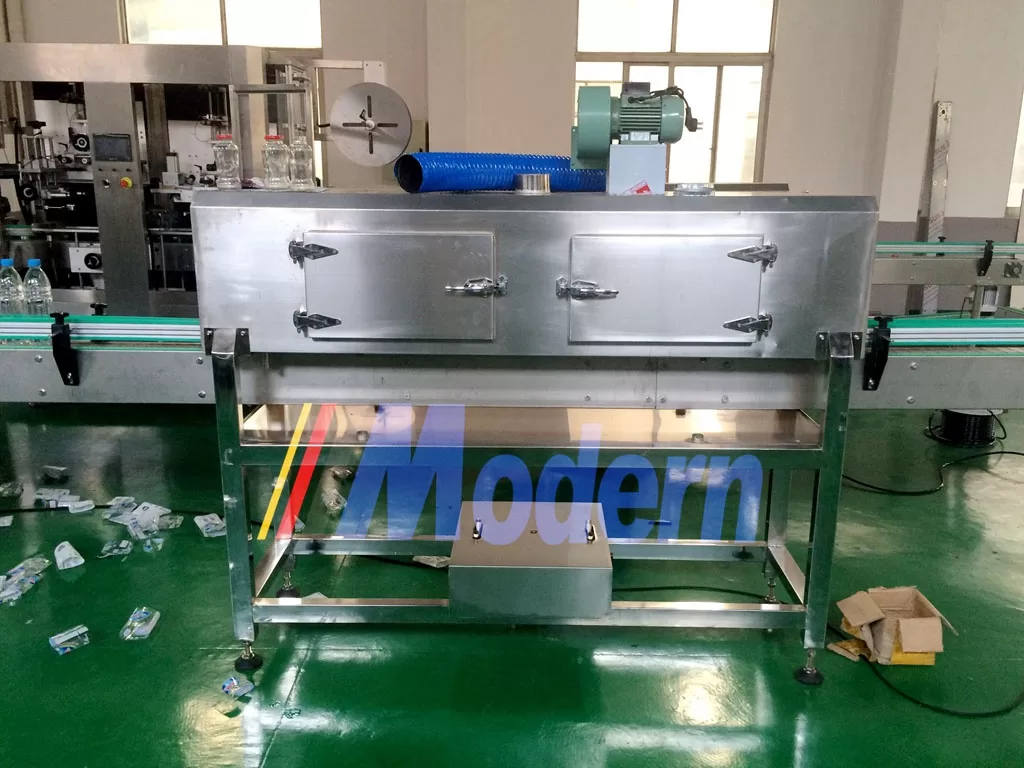
3. Tenez compte de la vitesse et de la précision de l'étiquetage
La vitesse d'étiquetage est un facteur critique à prendre en compte, en particulier pour les entreprises ayant des exigences de production à haut volume. Recherchez une étiqueteuse pour manchons rétractables capable d'atteindre la vitesse d'étiquetage souhaitée sans compromettre la précision et la qualité.
4. Évaluez la compatibilité et l'intégration
Assurez-vous que l'étiqueteuse pour manchons rétractables que vous choisissez est compatible avec le type et la taille des étiquettes que vous avez l'intention d'utiliser. De plus, envisagez l'intégration de l'applicateur avec votre ligne de production ou vos machines de conditionnement existantes pour garantir un fonctionnement fluide.
5. Examinez la maintenance et le support
Optez pour une étiqueteuse pour manchons rétractables provenant d'un fabricant réputé qui offre un support de maintenance et un service fiables. Un entretien régulier est essentiel pour garantir la longévité et les performances optimales de la machine ; pensez donc à la disponibilité des pièces de rechange et de l'assistance technique.
6. Considérations relatives aux coûts
Bien que le coût soit un facteur important dans le processus de sélection, il est essentiel de trouver un équilibre entre l'abordabilité et la qualité. Comparez le coût de l'investissement initial, les coûts opérationnels continus et le retour sur investissement potentiel pour prendre une décision éclairée qui correspond à votre budget et à vos objectifs à long terme.
7. Demandez des recommandations et des références
Avant de finaliser votre décision, demandez des recommandations à vos pairs du secteur, lisez les avis et demandez des références aux fabricants ou aux fournisseurs. Entendre parler des expériences directes d'autres entreprises peut fournir des informations précieuses et vous aider à faire un choix éclairé.
8. Testez et essayez
De nombreux fabricants offrent la possibilité de tester leurs étiqueteuses pour manchons rétractables avant de procéder à l'achat. Profitez de cette opportunité pour effectuer des essais et évaluer les performances, la compatibilité et la facilité d'utilisation de la machine dans un environnement de production réel.
9. Envisagez l'expansion et les mises à niveau futures
Anticipez vos besoins futurs en matière d'étiquetage et déterminez si l'étiqueteuse pour manchons rétractables que vous choisissez peut s'adapter à une expansion ou à des mises à niveau potentielles. Choisir une machine évolutive et polyvalente peut aider à pérenniser votre investissement et à vous adapter à l'évolution des besoins de votre entreprise.
Conclusion
Choisir la bonne étiqueteuse pour manchons rétractables est une décision cruciale qui peut avoir un impact sur l'efficacité, la productivité et l'attrait visuel de l'emballage de vos produits. En tenant compte de facteurs tels que les besoins en étiquetage, le type d'applicateur, la vitesse et la précision, la compatibilité, la maintenance, le coût, les recommandations et les capacités futures, vous pouvez faire un choix éclairé qui correspond aux objectifs et aux exigences de votre entreprise.


