
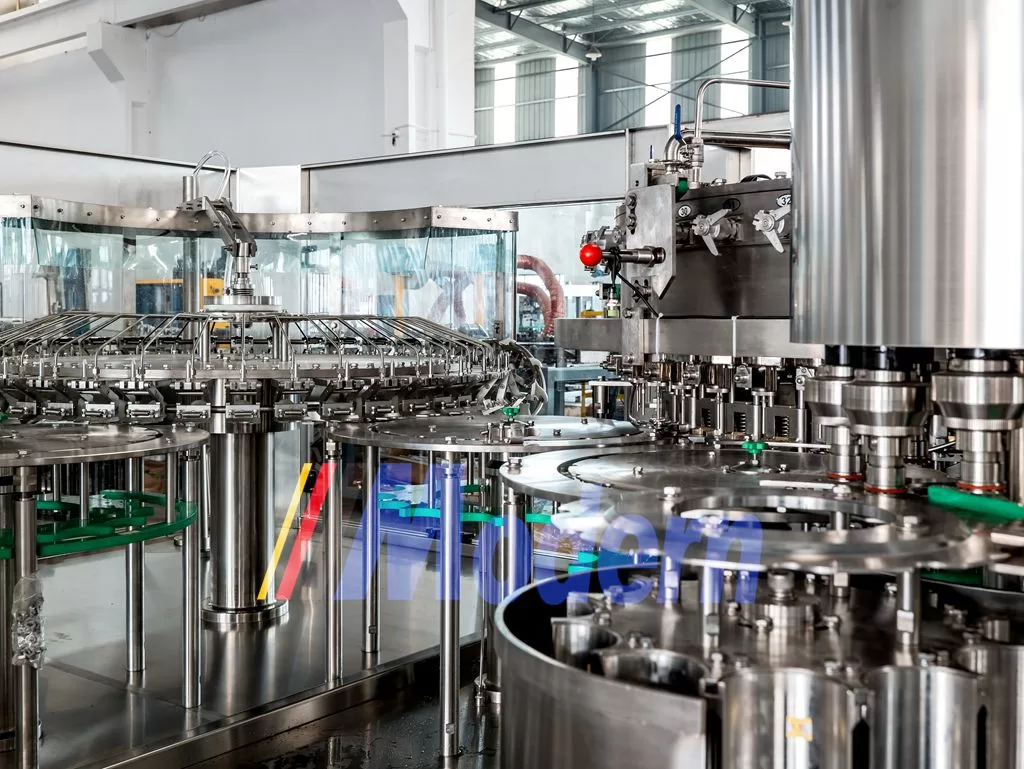
Dans l'industrie dynamique des boissons, garantir la qualité et la sécurité des produits est primordial, tant pour les consommateurs que pour les fabricants. Un aspect crucial du maintien de normes élevées consiste à détecter la contamination dans les lignes de production, ce qui peut entraîner des rappels coûteux, une réputation ternie et, surtout, des risques pour la santé des consommateurs. Les capteurs intelligents jouent un rôle essentiel dans ce processus, offrant une surveillance en temps réel et des capacités de détection précoce que les méthodes traditionnelles ne peuvent égaler.
Pertinence et contexte industriel
La contamination dans les lignes de production de boissons peut provenir de diverses sources, notamment la croissance microbienne, les résidus chimiques ou les corps étrangers. Détecter et traiter ces problèmes rapidement est essentiel pour éviter la détérioration de la qualité et assurer la conformité aux réglementations strictes de l'industrie. Les fabricants se tournent de plus en plus vers les capteurs intelligents pour améliorer leurs capacités de surveillance et protéger leurs produits.
Avantages des capteurs intelligents
- Détection en temps réel des contaminants
- Système d'alerte précoce pour les problèmes potentiels
- Précision et fiabilité améliorées par rapport aux tests manuels
- Capacités de surveillance à distance et d'analyse de données
- Solution rentable à long terme
Types et modèles de capteurs intelligents
Les capteurs intelligents destinés à détecter la contamination dans les lignes de production de boissons se présentent sous diverses formes, chacune conçue pour répondre à des besoins et des exigences spécifiques. Parmi les types courants, on trouve :
- Capteurs optiques
- Capteurs électrochimiques
- Capteurs de conductivité
- Capteurs à ultrasons
Applications et cas d'utilisation
Les capteurs intelligents sont utilisés à différentes étapes de la production et de la distribution des boissons, notamment :
- Surveillance de la qualité de l'eau avant son entrée dans la ligne de production
- Détection des impuretés dans les matières premières
- Vérification de la contamination pendant le processus de mise en bouteille et d'emballage
- Garantie de l'intégrité du produit pendant le transport et le stockage
Détails techniques et opérationnels
Les capteurs intelligents fonctionnent selon divers principes, tels que la détection des changements d'intensité lumineuse, de conductivité électrique ou d'ondes acoustiques. Ces capteurs sont équipés de fonctionnalités avancées telles que la connectivité à distance, les alertes automatisées et les capacités d'enregistrement de données pour fournir des informations en temps réel sur l'état des lignes de production de boissons.
Bonnes pratiques et conseils d'entretien
- Étalonnage et maintenance réguliers des capteurs
- Configuration d'alertes automatisées pour les lectures anormales
- Formation du personnel à l'utilisation des capteurs et à l'interprétation des données
- Mise en œuvre d'une routine de nettoyage et de désinfection rigoureuse
Tendances du marché et perspectives de l'industrie
L'industrie des boissons assiste à une transition vers une automatisation et une numérisation accrues, ce qui favorise l'adoption de technologies de capteurs intelligents. Les innovations dans la conception des capteurs et l'analyse des données permettent aux fabricants de rationaliser leurs processus de contrôle qualité et de réagir de manière proactive aux problèmes potentiels.
Défis et solutions
Malgré leurs avantages, les capteurs intelligents peuvent être confrontés à des défis tels que les interférences de signal, la dérive d'étalonnage ou les problèmes de connectivité des données. La mise en œuvre de programmes de maintenance réguliers, l'investissement dans des capteurs de qualité et l'exploitation d'outils d'analyse avancés peuvent aider à surmonter ces défis efficacement.
Durabilité et perspectives d'avenir
Les capteurs intelligents améliorent non seulement la qualité et la sécurité des produits, mais contribuent également aux efforts de durabilité en réduisant les déchets et en optimisant l'utilisation des ressources. À mesure que la technologie continue d'évoluer, nous pouvons nous attendre à des solutions de capteurs plus intelligentes et plus efficaces qui amélioreront encore la détection et la surveillance de la contamination des lignes de production de boissons.
Les capteurs intelligents jouent un rôle crucial dans le maintien des normes de qualité et la garantie de la sécurité des consommateurs dans l'industrie des boissons. En adoptant ces technologies innovantes et en mettant en œuvre les meilleures pratiques, les fabricants peuvent atténuer les risques, améliorer l'efficacité opérationnelle et maintenir leur avantage concurrentiel sur le marché mondial.


