
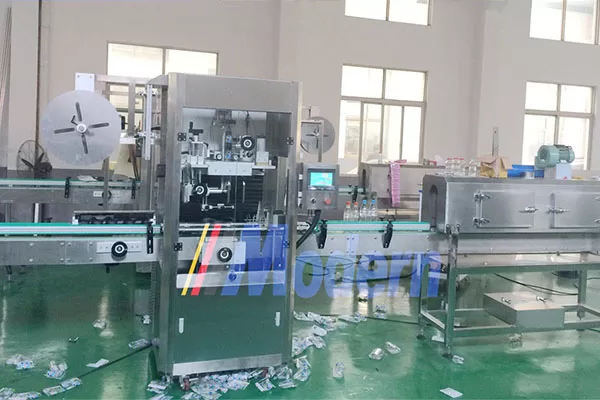
Introduction : Améliorer le contrôle qualité grâce à l'automatisation
Dans le paysage industriel actuel en évolution rapide, le contrôle qualité est primordial pour maintenir la satisfaction client, garantir la conformité aux réglementations et stimuler l'efficacité opérationnelle. Cependant, l'erreur humaine reste un défi persistant dans les contrôles qualité, entraînant des retards de production, des coûts de retouche et une atteinte à la réputation. En guise de solution à ce problème, les lignes automatisées sont devenues un facteur de changement, révolutionnant les processus d'inspection qualité dans divers secteurs.
Avantages de la mise en œuvre de lignes automatisées
Les lignes automatisées offrent une multitude d'avantages dans les contrôles qualité qui dépassent les approches manuelles traditionnelles. En intégrant une technologie de pointe et des capteurs de haute précision, les systèmes automatisés peuvent :
- Améliorer la précision et la cohérence des évaluations de qualité
- Augmenter la vitesse et l'efficacité de la production
- Réduire l'erreur humaine et les biais subjectifs
- Permettre la collecte et l'analyse de données en temps réel
- Minimiser les défauts coûteux et les rappels de produits
Ces avantages améliorent non seulement le processus global d'assurance qualité, mais renforcent également l'avantage concurrentiel et la fidélité des clients sur le marché mondial.
Types et applications des lignes automatisées dans le contrôle qualité
Les lignes automatisées se présentent sous diverses formes, répondant aux besoins de secteurs variés et aux exigences d'assurance qualité. Voici quelques types courants :
- Systèmes d'inspection par vision pour les contrôles qualité visuels
- Scanners à rayons X et infrarouges pour l'évaluation des composants internes
- Bras robotisés pour une manipulation et des tests précis
Ces systèmes trouvent des applications dans des secteurs tels que l'automobile, l'électronique, l'agroalimentaire, l'industrie pharmaceutique, et bien d'autres, où des normes de qualité strictes sont essentielles.
Aperçus techniques et meilleures pratiques
Comprendre les aspects techniques des lignes automatisées est crucial pour une performance et une fiabilité optimales. Les détails opérationnels clés à prendre en compte incluent :
- Procédures d'étalonnage et de maintenance
- Intégration des données avec les systèmes d'entreprise
- Interfaçage avec les lignes de production existantes
En suivant les meilleures pratiques telles que les vérifications régulières du système, la formation du personnel et la maintenance prédictive, les entreprises peuvent maximiser les avantages des systèmes de contrôle qualité automatisés.
Tendances du marché et perspectives d'avenir
L'automatisation des contrôles qualité est un domaine en évolution rapide, porté par les avancées technologiques et l'évolution de la dynamique industrielle. Avec l'essor de l'intelligence artificielle, de l'apprentissage automatique et de l'Internet des objets, nous pouvons nous attendre à voir :
- Une intégration accrue de capteurs intelligents et d'analyses prédictives
- Des solutions personnalisables adaptées aux besoins spécifiques de l'industrie
- Des fonctionnalités de durabilité améliorées pour réduire l'impact environnemental
Rester au fait de ces tendances et adopter des solutions innovantes sera vital pour les entreprises cherchant à garder une longueur d'avance sur le marché mondial.
Défis et solutions dans la mise en œuvre de lignes automatisées
Bien que les systèmes automatisés offrent des avantages significatifs, des défis tels que les coûts d'investissement initiaux, la complexité du système et les problèmes d'intégration peuvent survenir. Pour relever ces défis efficacement, les entreprises peuvent :
- Mener des analyses coûts-avantages approfondies avant la mise en œuvre
- Collaborer avec des fournisseurs d'automatisation expérimentés pour une intégration transparente
- Fournir une formation et un soutien complets aux employés
En abordant ces défis de manière proactive, les organisations peuvent assurer une transition en douceur vers des processus de contrôle qualité automatisés.
Conclusion
Les lignes automatisées jouent un rôle essentiel dans la réduction de l'erreur humaine et l'élévation des normes de contrôle qualité dans diverses industries. En adoptant l'automatisation et en tirant parti des technologies avancées, les entreprises peuvent rationaliser leurs processus de production, améliorer la qualité des produits et, en fin de compte, stimuler une croissance commerciale durable. Alors que le marché mondial devient de plus en plus concurrentiel, investir dans des contrôles qualité automatisés n'est plus un choix, mais une nécessité pour garder une longueur d'avance.


