
Introduction : Comprendre le choix entre machines de remplissage manuelles et automatiques dans les environnements industriels
Dans le paysage concurrentiel de la production industrielle, le choix de la machine de remplissage appropriée peut avoir un impact significatif sur l'efficacité opérationnelle, le contrôle qualité et la productivité globale. Une décision cruciale à laquelle les entreprises sont confrontées est de savoir s'il faut opter pour une machine de remplissage manuelle ou automatique. Dans ce guide complet, nous comparerons les machines de remplissage manuelles et automatiques, en explorant leurs avantages, leurs applications, leurs détails techniques et les tendances du marché pour vous aider à prendre une décision éclairée qui correspond aux besoins spécifiques de votre entreprise.
Avantages des machines de remplissage manuelles et automatiques
Lorsqu'on compare les machines de remplissage manuelles et automatiques, il est essentiel d'évaluer les avantages uniques offerts par chaque type.
Avantages des machines de remplissage manuelles :
- Rentables pour les petites séries de production
- Flexibles et faciles à utiliser et à entretenir
- Idéales pour les produits nécessitant des ajustements de remplissage précis
Avantages des machines de remplissage automatiques :
- Efficacité et rendement de production supérieurs
- Précision de remplissage constante et réduction de l'erreur humaine
- Intégration avec d'autres processus de production automatisés
Types et catégories de machines de remplissage
Les machines de remplissage se déclinent en divers types et catégories en fonction de la technologie, de la méthode de remplissage et des exigences spécifiques à l'industrie. Les types courants incluent les machines de remplissage volumétriques, par gravité, à piston et sous vide. Chaque type répond à des applications et des besoins de production distincts.
Applications et cas d'utilisation
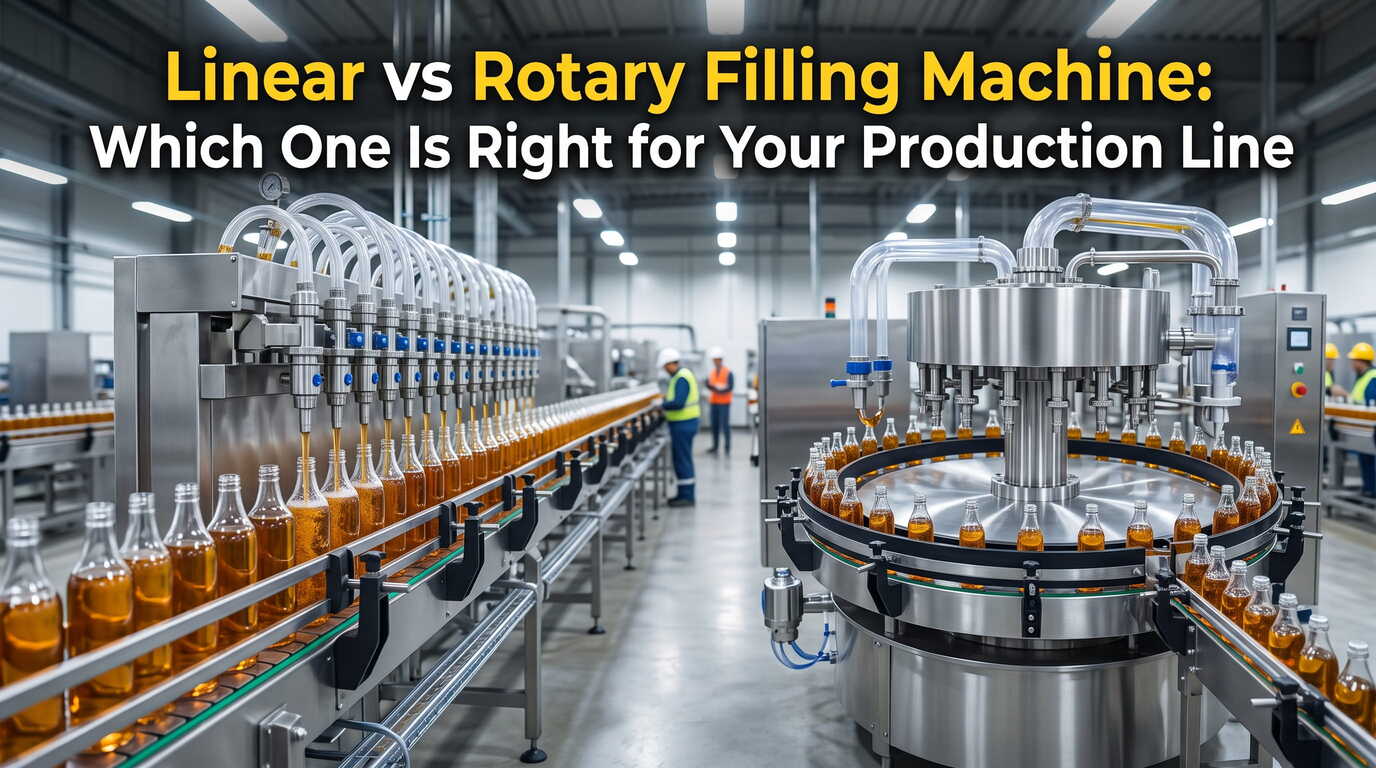
Le choix entre les machines de remplissage manuelles et automatiques dépend souvent de l'industrie spécifique et des exigences de l'application. Les machines de remplissage manuelles sont couramment utilisées dans les opérations à petite échelle, telles que la production alimentaire artisanale ou la préparation pharmaceutique. En revanche, les machines de remplissage automatiques sont prédominantes dans les industries manufacturières à grande échelle comme les cosmétiques, les boissons et les produits chimiques.
Détails techniques et opérationnels
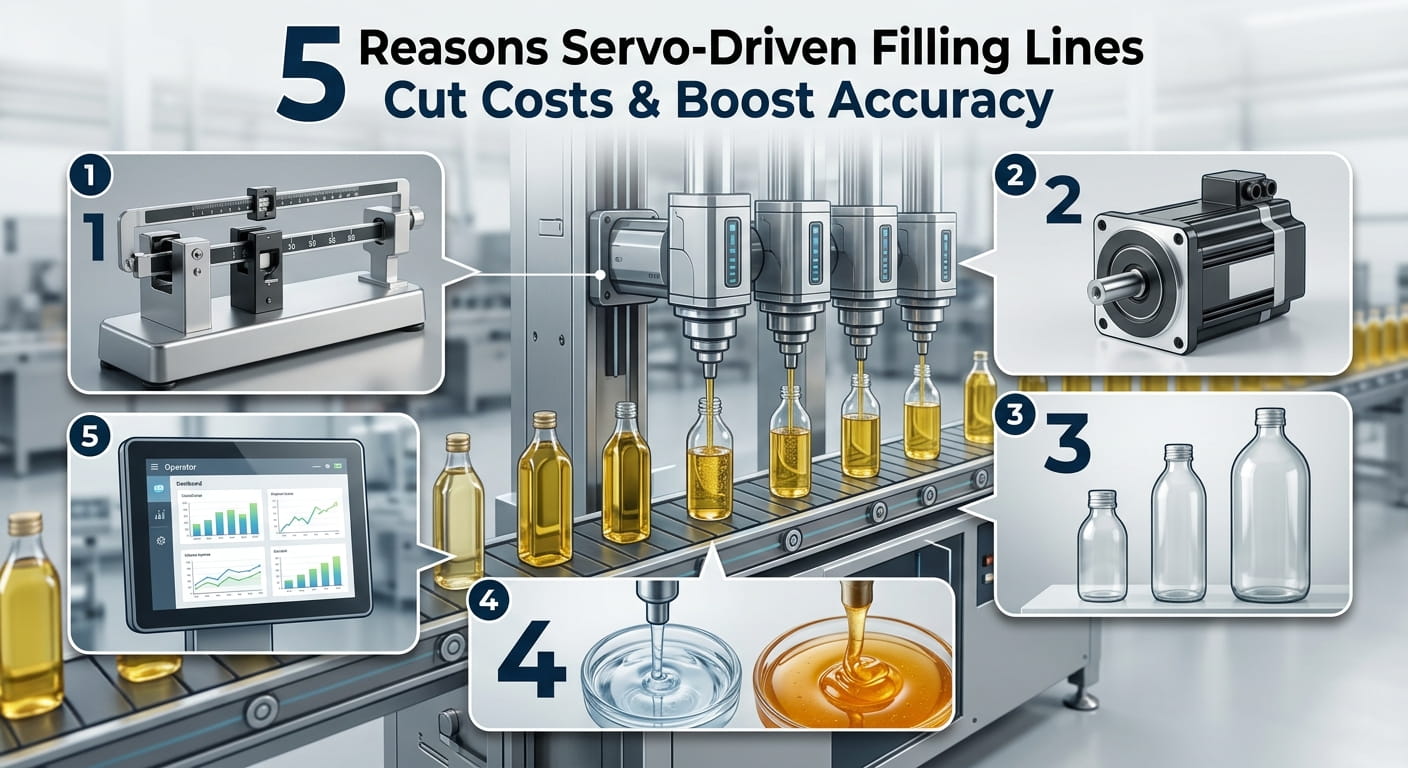
Comprendre les aspects techniques des machines de remplissage manuelles et automatiques est crucial pour une performance et une qualité de produit optimales. Les machines de remplissage automatiques utilisent des technologies avancées telles que des systèmes PLC, des capteurs et des servomoteurs pour garantir des volumes et des vitesses de remplissage précis. À l'inverse, les machines de remplissage manuelles reposent sur le contrôle de l'opérateur pour ajuster les volumes de remplissage, ce qui les rend adaptées à la personnalisation et à la production en petits lots.
Bonnes pratiques et conseils d'entretien
Quel que soit le type de machine de remplissage que vous choisissez, la mise en œuvre de bonnes pratiques et de routines de maintenance régulières est essentielle pour maximiser l'efficacité opérationnelle et la longévité. Les tâches de maintenance courantes comprennent le nettoyage, les vérifications d'étalonnage et la lubrification des composants critiques. Suivre les directives du fabricant pour la maintenance peut éviter les temps d'arrêt et les réparations coûteuses.
Tendances du marché et perspectives de l'industrie
L'industrie des machines de remplissage connaît plusieurs tendances et innovations visant à améliorer l'efficacité, la durabilité et la facilité d'utilisation. Par exemple, les fabricants intègrent de plus en plus de capacités IoT dans les machines de remplissage pour permettre la surveillance à distance et la maintenance prédictive. Les innovations dans les technologies de remplissage favorisent le développement de machines plus rapides, plus précises et respectueuses de l'environnement.
Défis et solutions
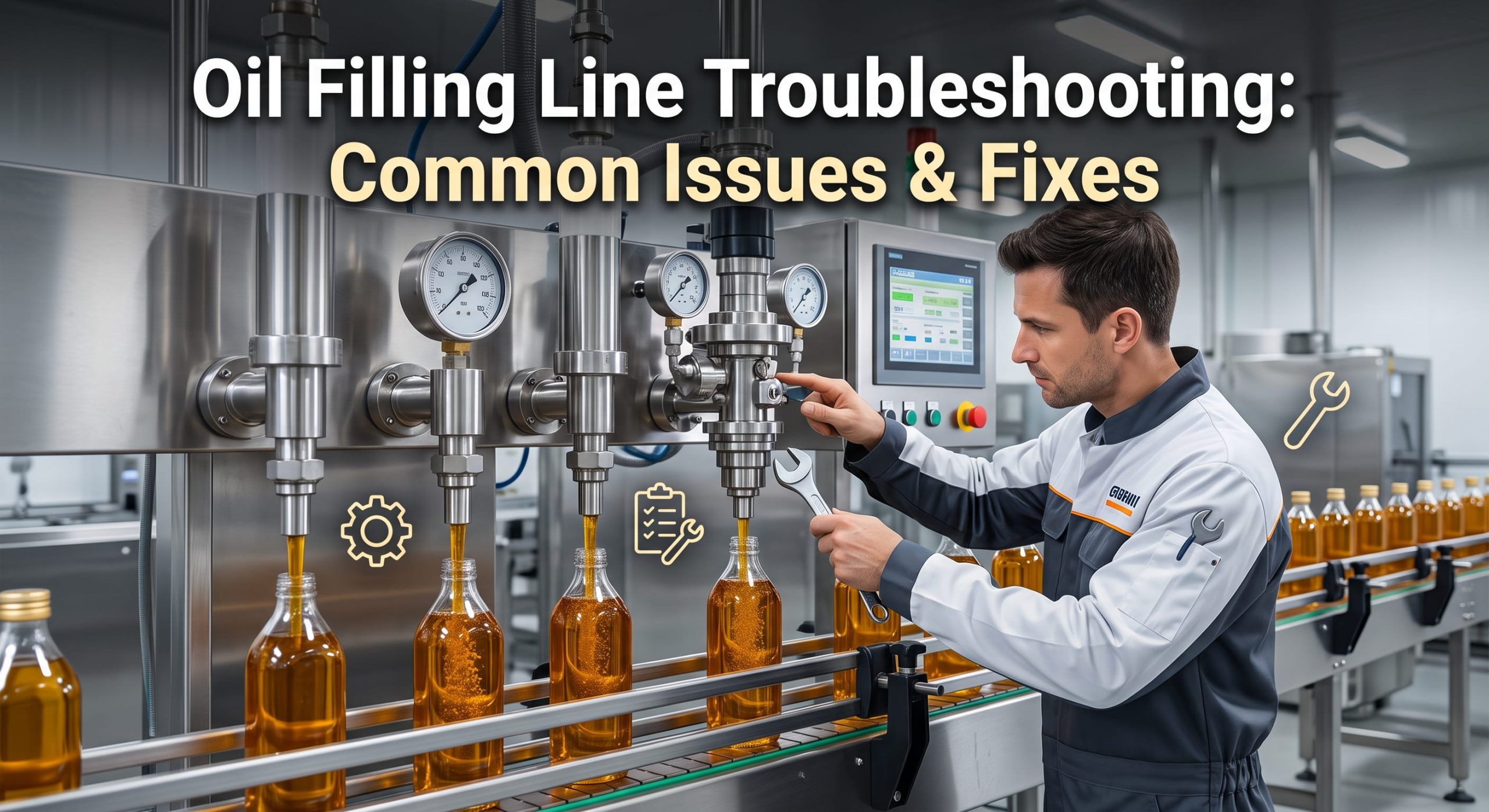
Malgré leurs avantages, les machines de remplissage manuelles et automatiques posent des défis spécifiques que les entreprises doivent relever. Les défis courants incluent les erreurs d'étalonnage, le gaspillage de produit et les temps d'arrêt dus aux pannes de machine. La mise en œuvre de calendriers de maintenance proactive, l'investissement dans la formation des opérateurs et des contrôles qualité réguliers peuvent aider à atténuer efficacement ces défis.
Durabilité et perspectives d'avenir
Conformément à l'accent croissant mis sur la durabilité et la responsabilité environnementale, les fabricants de machines de remplissage développent des solutions écologiques qui réduisent la consommation d'énergie et la production de déchets. Les perspectives d'avenir pour les machines de remplissage englobent des avancées dans les technologies vertes, des capacités d'automatisation améliorées et une intégration renforcée avec les principes de l'Industrie 4.0.
En conclusion, le choix entre les machines de remplissage manuelles et automatiques dépend en fin de compte de vos exigences de production, de vos contraintes budgétaires et de vos objectifs commerciaux à long terme. En pesant les avantages, les applications, les détails techniques et les tendances associés à chaque type de machine de remplissage, vous pouvez prendre une décision éclairée qui correspond aux besoins spécifiques de votre industrie. N'oubliez pas qu'investir dans la bonne machine de remplissage est un investissement dans l'efficacité et le succès de vos opérations de production.