
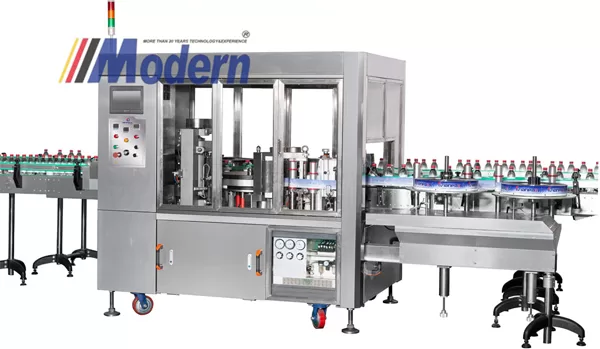
Le soufflage de bouteilles est un processus crucial dans la production de contenants en plastique. Ce processus consiste à façonner une préforme en plastique chauffée pour lui donner la forme de bouteille souhaitée. Bien que le soufflage puisse être efficace et rentable, divers problèmes peuvent survenir au cours du processus, affectant la qualité du produit final. Nous explorons ici certains des problèmes courants rencontrés lors du soufflage de bouteilles et proposons des solutions pratiques pour y remédier.
1. Épaisseur de paroi inégale
Un problème courant dans le soufflage de bouteilles est la présence d'une épaisseur de paroi inégale dans les bouteilles finies. Ce problème peut entraîner des faiblesses structurelles, affectant la durabilité et l'apparence des contenants. Pour résoudre ce problème, il est essentiel d'assurer un chauffage approprié de la préforme et un contrôle de la température du moule. De plus, l'ajustement de la pression d'air de soufflage et l'optimisation de la conception du moule de soufflage peuvent aider à obtenir une épaisseur de paroi uniforme dans les bouteilles.
2. Défauts tels que les traces d'écoulement ou les stries argentées
Les traces d'écoulement (splay) ou les stries argentées sur la surface des bouteilles soufflées peuvent avoir un impact significatif sur l'esthétique globale du produit. Ces défauts sont souvent causés par une contamination du matériau de la préforme ou un séchage inadéquat de celle-ci. Pour éviter les traces d'écoulement ou les stries argentées, il est essentiel d'utiliser des matières premières de haute qualité, de maintenir des conditions de séchage appropriées et d'assurer un environnement de fabrication propre.
3. Mauvaise intégrité du scellage
Un autre problème courant dans le soufflage de bouteilles est une mauvaise intégrité du scellage, ce qui peut entraîner des fuites ou une perte de fraîcheur du produit. Pour résoudre ce problème, il est crucial de prêter attention à la conception de la surface de scellage, ainsi qu'aux propriétés du matériau de la préforme. Un refroidissement approprié des bouteilles soufflées et l'optimisation du processus de scellage peuvent aider à améliorer l'intégrité du scellage et à rehausser la qualité du produit.
4. Ébavurage excessif ou difficultés de découpe
Un ébavurage excessif ou des difficultés à retirer l'excès de matière des bouteilles soufflées peuvent ralentir la production et augmenter les coûts. Pour minimiser l'ébavurage, il est essentiel d'optimiser la conception du moule de soufflage, d'ajuster la pression d'air de soufflage et de contrôler la répartition de la température dans le moule. De plus, la mise en œuvre de techniques de découpe efficaces et l'utilisation d'outils de coupe tranchants peuvent aider à rationaliser le processus de finition.
5. Dimensions de bouteilles incohérentes
Des dimensions de bouteilles incohérentes peuvent impacter le processus d'emballage et entraîner le rejet du produit. Ce problème peut être causé par des variations de température de la préforme, un étirage inadéquat de la préforme ou un mauvais alignement du moule. Pour obtenir des dimensions de bouteilles constantes, il est crucial de maintenir un chauffage constant de la préforme, d'optimiser le processus d'étirage et d'assurer un alignement précis du moule pendant le soufflage.
6. Voile ou opacité dans les bouteilles
Le voile ou l'opacité dans les bouteilles soufflées peut affecter l'attrait visuel du produit et résulter d'une mauvaise qualité de matériau ou de conditions de refroidissement inappropriées. Pour résoudre ce problème, l'utilisation de résines de haute qualité, l'optimisation du processus de refroidissement et l'assurance d'une ventilation adéquate dans la zone de soufflage sont essentielles. Le maintien de moules et d'équipements propres peut également aider à prévenir l'opacité dans les bouteilles finies.
7. Bouteilles fragiles ou faible résistance aux chocs
Les bouteilles trop fragiles ou manquant d'une résistance aux chocs adéquate peuvent facilement se briser lors de la manipulation ou du transport. Pour améliorer la durabilité des bouteilles soufflées, il est crucial de choisir le bon type de matériau et d'ajuster les paramètres de moulage par soufflage pour obtenir les propriétés matérielles souhaitées. Des processus de refroidissement et de recuit appropriés peuvent également améliorer la résistance aux chocs des bouteilles.
8. Consommation d'énergie excessive
Une consommation d'énergie élevée pendant le processus de soufflage de bouteilles peut augmenter les coûts de production et l'impact environnemental. Pour réduire la consommation d'énergie, l'optimisation des processus de chauffage et de refroidissement, la mise en œuvre d'équipements économes en énergie et le recyclage de l'excès d'énergie thermique peuvent être bénéfiques. Un entretien régulier des machines et le suivi de la consommation d'énergie peuvent également aider à identifier les domaines à améliorer.
Conclusion
En conclusion, résoudre les problèmes courants liés au soufflage de bouteilles nécessite une combinaison d'entretien approprié des équipements, d'optimisation des processus et de mesures de contrôle qualité. En identifiant et en résolvant ces défis, les fabricants peuvent améliorer l'efficacité, la qualité et la durabilité de leurs opérations de production de bouteilles. La mise en œuvre des solutions pratiques décrites dans cet article peut aider à minimiser les défauts, à améliorer les performances du produit et, en fin de compte, à répondre aux besoins des consommateurs dans divers secteurs.


