
Vue d'ensemble
Dans l'industrie dynamique de la production de boissons, le choix du bon équipement d'emballage est crucial pour garantir l'efficacité, la productivité et la qualité du produit. L'équipement d'emballage de boissons joue un rôle essentiel dans l'ensemble du processus de production, du remplissage et du bouchage à l'étiquetage et à la palettisation. Cet article examine les considérations clés pour sélectionner l'équipement d'emballage le plus adapté à votre ligne de production de boissons.
Avantages et bénéfices
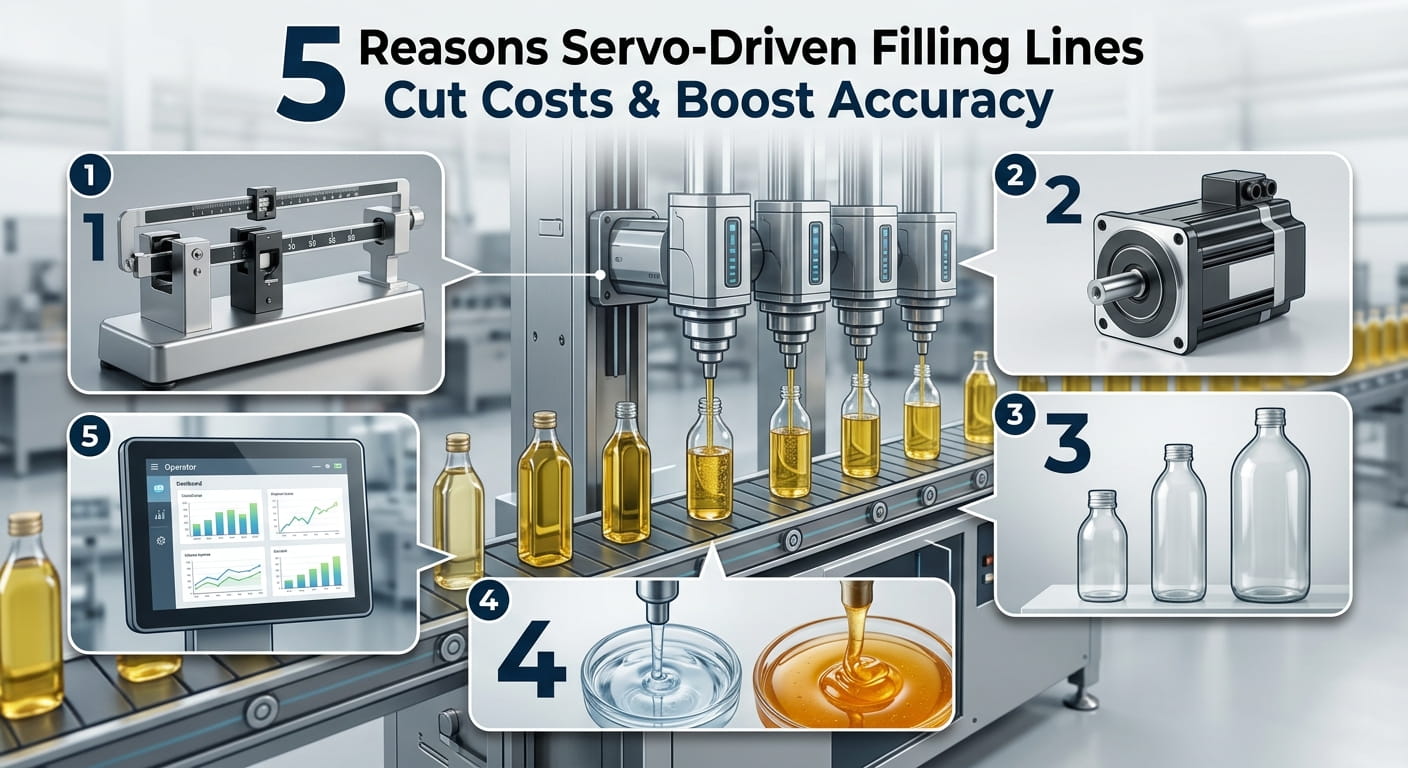
La sélection de l'équipement d'emballage approprié pour votre ligne de production de boissons peut offrir une multitude d'avantages. Une automatisation et une précision accrues peuvent conduire à une vitesse de production et une cohérence supérieures, se traduisant par des niveaux de rendement plus élevés. Une meilleure efficacité d'emballage peut également réduire les temps d'arrêt, minimiser le gaspillage de produits et améliorer la qualité globale du produit. De plus, choisir le bon équipement peut aider à réduire les coûts opérationnels et à rationaliser le processus d'emballage, augmentant ainsi vos résultats financiers.
Types et variantes
En ce qui concerne l'équipement d'emballage pour les lignes de production de boissons, il existe différents types et modèles disponibles pour répondre à divers besoins d'emballage. L'équipement courant comprend les machines de remplissage, les machines de bouchage, les étiqueteuses et les systèmes de palettisation. Chaque type d'équipement possède son propre ensemble de fonctionnalités, de capacités et d'efficacités, vous permettant de personnaliser votre ligne d'emballage en fonction de vos exigences spécifiques.
Machines de remplissage
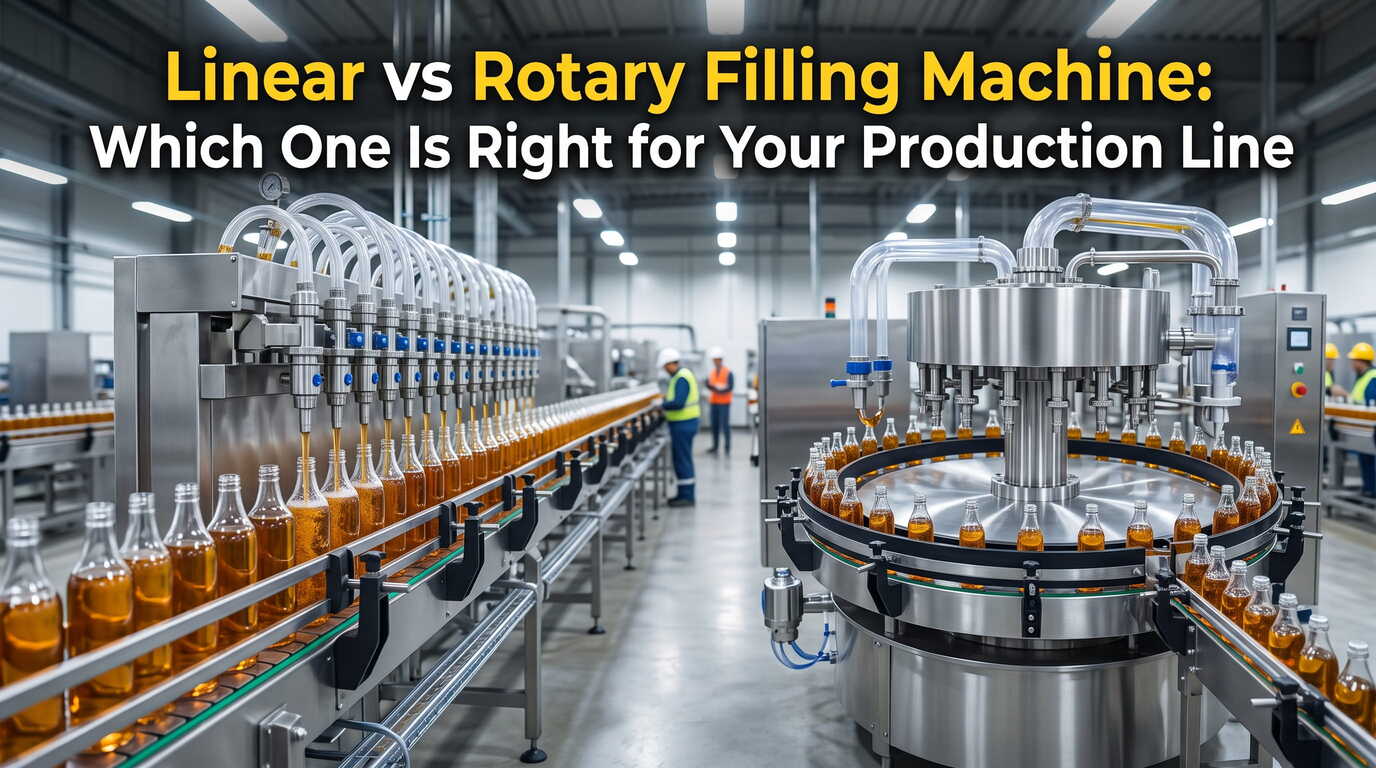
Les machines de remplissage sont essentielles pour remplir avec précision les contenants de boissons liquides. Elles se déclinent en différentes configurations, telles que les remplisseuses par gravité, les remplisseuses à piston et les remplisseuses rotatives, chacune étant adaptée à des types de boissons et à des tailles de contenants spécifiques.
Boucheuses
Les machines de bouchage sont responsables de sceller les contenants de boissons de manière sécurisée. Elles peuvent gérer divers types de bouchons, notamment les bouchons à vis, les bouchons à pression et les bouchons en liège, assurant une fermeture hermétique pour maintenir la fraîcheur et l'intégrité du produit.
Étiqueteuses
Les étiqueteuses appliquent des étiquettes sur les contenants de boissons, fournissant des informations importantes sur le produit, la marque et la conformité réglementaire. Les options incluent les étiqueteuses enveloppantes, les étiqueteuses de dessus et les étiqueteuses à manchon, chacune offrant des capacités d'étiquetage différentes.
Systèmes de palettisation
Les systèmes de palettisation automatisent le processus d'empilage et d'organisation des produits de boissons finis sur des palettes pour l'expédition et la distribution. Ces systèmes se présentent sous différentes configurations, telles que les palettiseurs robotisés, les palettiseurs conventionnels et les dépalettiseurs, offrant une flexibilité dans la manipulation de diverses tailles et poids de produits.
Applications et cas d'utilisation
Le choix de l'équipement d'emballage dépend des besoins spécifiques et des exigences de production de votre ligne de boissons. Que vous emballiez des boissons gazeuses, des jus, de l'eau en bouteille ou des boissons alcoolisées, la sélection du bon équipement est essentielle pour une performance optimale. Comprendre votre volume de production, les types de contenants et les vitesses d'emballage souhaitées peut aider à déterminer l'équipement le plus adapté à votre application.
Détails techniques et opérationnels
Lors de l'évaluation de l'équipement d'emballage pour votre ligne de production de boissons, tenez compte des aspects techniques clés tels que la vitesse de remplissage, la précision du remplissage, le contrôle du couple de bouchage, la précision de l'application des étiquettes et l'efficacité de la palettisation. Comprendre les exigences opérationnelles de chaque pièce d'équipement est crucial pour assurer une intégration transparente dans votre processus de production. De plus, la compatibilité avec les machines existantes et la facilité d'entretien sont des facteurs importants à considérer.
Bonnes pratiques et conseils d'entretien
Pour maximiser la performance et la longévité de votre équipement d'emballage, suivez les meilleures pratiques d'utilisation et d'entretien. Un nettoyage, une lubrification et un étalonnage réguliers des composants de l'équipement sont essentiels pour éviter les temps d'arrêt et assurer un fonctionnement constant. Former votre personnel aux procédures appropriées de manipulation et d'entretien de l'équipement peut également contribuer à une performance et une efficacité optimales.
Tendances du marché et perspectives de l'industrie
L'industrie de l'emballage des boissons est en constante évolution, avec des tendances axées sur la durabilité, l'automatisation et les solutions d'emballage innovantes. Les entreprises adoptent de plus en plus de matériaux d'emballage respectueux de l'environnement, mettent en œuvre des technologies d'automatisation avancées et explorent des innovations en matière d'emballage intelligent pour améliorer l'expérience du consommateur et réduire l'impact environnemental. Se tenir au courant des tendances de l'industrie peut vous aider à prendre des décisions éclairées lors de la sélection de l'équipement d'emballage pour votre ligne de production.
Défis et solutions
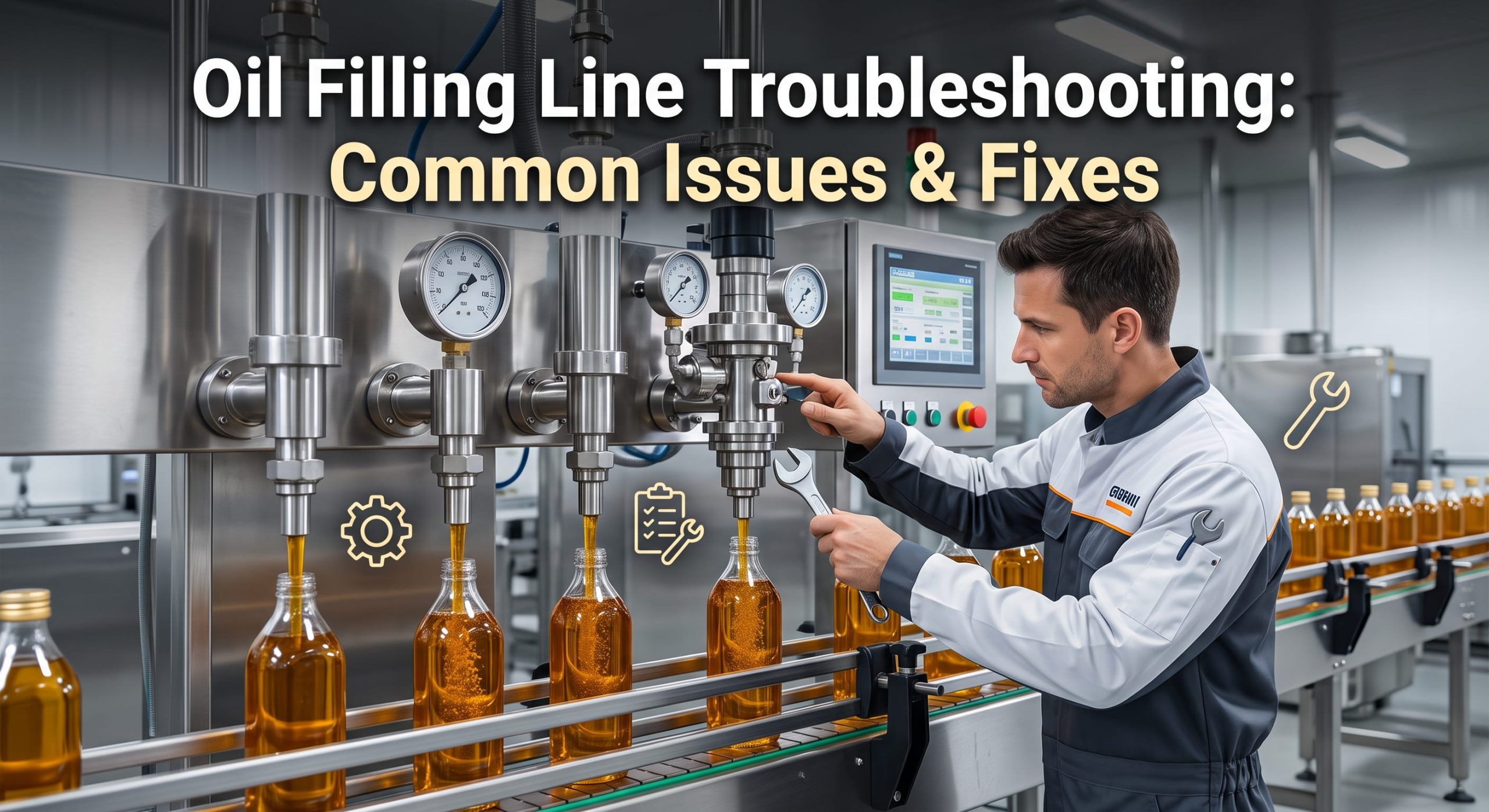
Les défis courants dans l'emballage des boissons incluent les temps d'arrêt de l'équipement, la contamination des produits, les erreurs d'étiquetage et les perturbations de la chaîne d'approvisionnement. La mise en œuvre de calendriers de maintenance préventive, l'investissement dans des mesures de contrôle qualité et la formation du personnel aux techniques de manipulation appropriées peuvent aider à atténuer ces défis. Collaborer avec des fournisseurs fiables et mettre en œuvre des protocoles d'assurance qualité robustes peut également contribuer à surmonter les obstacles liés à l'emballage.
Durabilité et perspectives d'avenir
Alors que la durabilité devient une préoccupation croissante dans l'industrie des boissons, il est essentiel de choisir un équipement d'emballage conforme aux pratiques respectueuses de l'environnement. Opter pour un équipement doté de fonctionnalités écoénergétiques, utilisant des matériaux recyclables et réduisant les déchets d'emballage peut aider à minimiser l'impact environnemental et à renforcer la réputation de la marque. À l'avenir, l'équipement d'emballage de boissons se concentrera probablement sur des solutions innovantes qui privilégient la durabilité, l'efficacité et la rentabilité.
En conclusion, la sélection du bon équipement d'emballage pour votre ligne de production de boissons implique un examen attentif de divers facteurs, notamment les types d'équipement, les applications, les détails techniques, les meilleures pratiques, les tendances du marché, les défis et la durabilité. En choisissant un équipement qui répond à vos exigences de production et qui est conforme aux normes de l'industrie, vous pouvez améliorer l'efficacité opérationnelle, la qualité du produit et le succès global de votre entreprise. Restez informé, adaptez-vous aux tendances émergentes et investissez dans des solutions d'emballage de pointe pour garder une longueur d'avance sur le marché concurrentiel des boissons.
N'oubliez pas que choisir le bon équipement d'emballage pour votre ligne de production de boissons ne concerne pas seulement la fonctionnalité ; il s'agit de créer un processus d'emballage durable et efficace qui profite à votre entreprise et à l'environnement.