
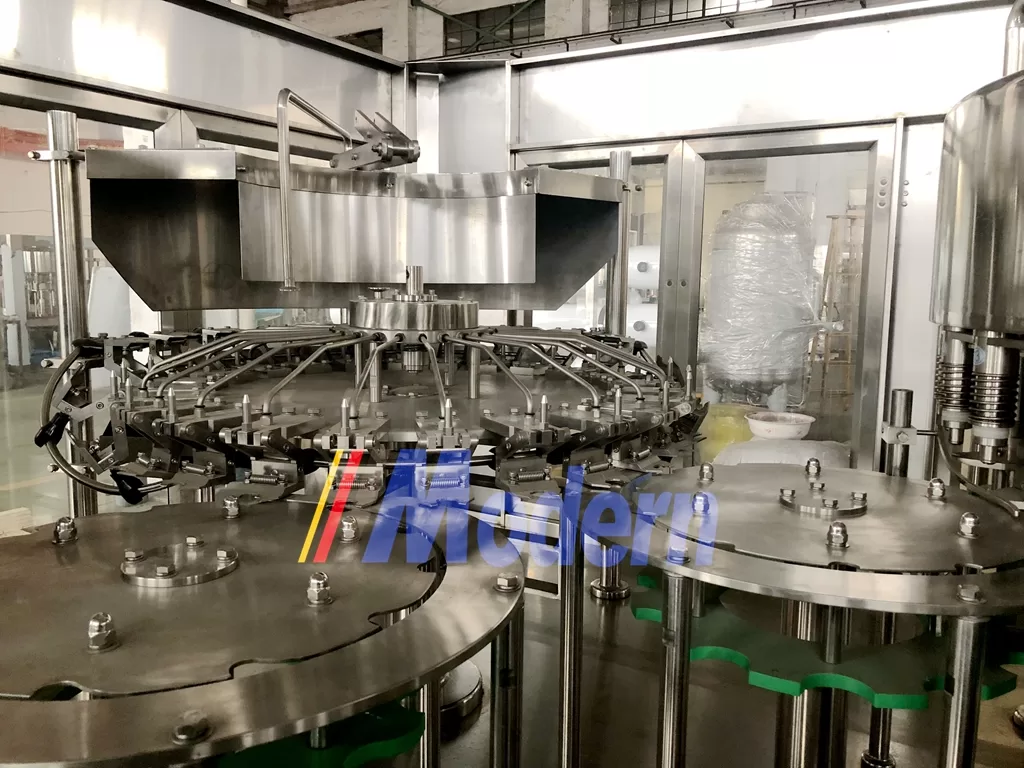
L'industrie de l'eau en bouteille a connu une croissance exponentielle ces dernières années, portée par une sensibilisation accrue à la santé et au bien-être, à la commodité et à la demande de solutions d'hydratation portables. Cette augmentation de la consommation a conduit à l'un des secteurs les plus avancés du paysage manufacturier : la ligne d'embouteillage d'eau. Dans cet article, nous explorerons les subtilités des lignes d'embouteillage d'eau, en examinant leurs composants, la technologie qui les sous-tend, l'efficacité opérationnelle, les considérations réglementaires et les meilleures pratiques visant à garantir une production de premier ordre.
Comprendre la ligne d'embouteillage d'eau
Une ligne d'embouteillage d'eau est un assemblage sophistiqué de machines et de systèmes conçus pour rationaliser le processus de mise en bouteille de l'eau, de la source au consommateur. À la base, la ligne de remplissage comprend plusieurs composants essentiels : des systèmes de traitement de l'eau, des machines de remplissage, des boucheuses, des systèmes d'étiquetage et des lignes de conditionnement. Chaque élément joue un rôle crucial dans l'amélioration de l'efficacité, le maintien de la qualité et la garantie que le produit final est conforme aux réglementations en matière de santé et de sécurité.
Les composants d'une ligne d'embouteillage d'eau
Pour bien comprendre la dynamique opérationnelle, examinons de plus près chaque composant d'une ligne d'embouteillage d'eau :
Systèmes de traitement de l'eau
La qualité commence à la source. Les systèmes de traitement de l'eau sont essentiels pour garantir que l'eau est propre, sûre et propre à la consommation. Les méthodes de traitement courantes comprennent la filtration, l'osmose inverse, la stérilisation par ultraviolets et l'ozonation. Chaque technique traite des contaminants, impuretés ou agents pathogènes spécifiques susceptibles de compromettre la qualité de l'eau. Un système de traitement de l'eau efficace garantit l'intégrité constante du produit, un aspect essentiel de la confiance des consommateurs.
Machines de remplissage
Une fois traitée, l'eau entre dans la phase de remplissage, où des machines de remplissage avancées entrent en jeu. Il existe deux principaux types de machines de remplissage : les remplisseuses par gravité et les remplisseuses sous pression. Les remplisseuses par gravité utilisent la force de gravité pour remplir les bouteilles, ce qui convient aux liquides à faible viscosité, tandis que les remplisseuses sous pression utilisent des systèmes pressurisés, idéaux pour une gamme plus large de produits. La vitesse et la précision des machines de remplissage peuvent considérablement affecter l'efficacité de la production et l'uniformité du produit.
Boucheuses
L'étape suivante du processus est la phase de bouchage. Les boucheuses fixent les bouchons des bouteilles pour éviter toute contamination et maintenir la fraîcheur du produit. Il existe plusieurs types de bouchons, tels que les bouchons à vis et les bouchons à pression, chacun nécessitant une technologie de bouchage distincte. Les boucheuses automatisées peuvent effectuer cette tâche essentielle à grande vitesse tout en assurant un couple approprié pour un scellage sécurisé.
Systèmes d'étiquetage
L'étiquetage est plus qu'un aspect cosmétique ; il transmet des informations vitales sur le produit. Les systèmes d'étiquetage efficaces appliquent, impriment ou traitent automatiquement les étiquettes, en intégrant la marque, les informations nutritionnelles et les codes-barres. À mesure que les réglementations deviennent plus strictes concernant l'étiquetage des produits, investir dans une technologie d'étiquetage avancée peut améliorer la conformité et la transparence envers les consommateurs.
Lignes de conditionnement
Enfin, l'eau en bouteille doit être préparée pour la distribution. Les lignes de conditionnement gèrent le regroupement, le filmage rétractable et la palettisation, garantissant que les produits sont prêts pour le transport. L'automatisation du conditionnement peut minimiser les coûts de main-d'œuvre et améliorer la vitesse, ce qui en fait un domaine clé à considérer pour les fabricants souhaitant faire évoluer leurs opérations.
Efficacité opérationnelle dans la production d'eau en bouteille
L'efficacité est l'élément vital d'une ligne d'embouteillage d'eau performante. Voici des stratégies pratiques pour améliorer les flux de travail opérationnels :
1. Automatisez autant que possible
La technologie d'automatisation a transformé l'industrie des boissons, avec des machines programmables permettant une intégration transparente des différentes étapes du processus de production. En investissant dans des machines avancées dotées de fonctionnalités automatisées, les entreprises peuvent augmenter considérablement leur rendement tout en réduisant les erreurs humaines.
2. Effectuez une maintenance régulière
Une production continue signifie une usure normale des machines. La mise en œuvre d'un calendrier de maintenance préventive peut aider à identifier les problèmes potentiels avant qu'ils ne s'aggravent, minimisant ainsi les temps d'arrêt et assurant le bon fonctionnement de la ligne de remplissage. Des contrôles réguliers des composants clés tels que les pompes, les vannes et les capteurs garantissent une efficacité et une qualité de produit maximales.
3. Surveillez les indicateurs de production
L'exploitation d'outils d'analyse de données pour surveiller les indicateurs de production en temps réel peut fournir des informations précieuses sur l'efficacité opérationnelle et les domaines à améliorer. En évaluant des indicateurs tels que les taux de rendement, les temps d'arrêt et les normes de qualité des produits, les fabricants peuvent prendre des décisions fondées sur des données pour améliorer leurs processus.
4. Formez votre personnel
L'élément humain est essentiel dans toute ligne de production. La création d'une main-d'œuvre bien formée minimise les erreurs et maximise l'efficacité. Des sessions de formation régulières sur l'utilisation des équipements, les meilleures pratiques et les protocoles de sécurité favorisent une culture de responsabilité et d'excellence.
Considérations réglementaires pour les fabricants d'eau en bouteille
Les fabricants doivent naviguer dans un paysage complexe de réglementations pour garantir la conformité et la sécurité des consommateurs. Voici les principales considérations réglementaires :
1. Normes de qualité
Différentes régions imposent des normes de qualité variables pour l'eau en bouteille. Il est essentiel de se familiariser avec les réglementations établies par des organismes directeurs tels que la Food and Drug Administration (FDA) aux États-Unis ou des entités similaires à l'échelle mondiale. Les normes impliquent généralement des évaluations de la qualité de l'eau, la sécurité des contenants et des directives d'étiquetage.
2. Réglementations environnementales
La surveillance accrue des déchets plastiques a incité de nombreux pays à introduire des réglementations environnementales strictes. Les fabricants d'eau en bouteille devraient explorer des pratiques durables, telles que l'utilisation de matériaux d'emballage respectueux de l'environnement, la mise en place de programmes de recyclage et la minimisation de la consommation d'eau pendant la production.
3. Protocoles de santé et de sécurité
Le lieu de travail doit respecter les réglementations en matière de santé et de sécurité afin d'offrir un environnement sûr aux employés. Cela comprend une formation appropriée sur les machines, la garantie que des protocoles d'urgence sont établis et la réalisation d'audits de sécurité réguliers de la zone de production.
Meilleures pratiques pour l'assurance qualité de l'eau en bouteille
L'assurance qualité est primordiale pour maintenir l'intégrité de la marque et la confiance des consommateurs. Voici quelques meilleures pratiques :
1. Mettre en œuvre les principes HACCP
La mise en place d'un système d'analyse des risques et de maîtrise des points critiques (HACCP) permet aux fabricants d'identifier les risques potentiels dans la production et de mettre en œuvre des contrôles proactifs. Cette approche systématique met l'accent sur la prévention plutôt que sur la correction, garantissant la sécurité dès le départ.
2. Transparence dans l'approvisionnement
Assurez-vous que la source d'eau est réputée et régulièrement testée pour détecter les contaminants. Assurer la transparence sur le processus d'approvisionnement favorise la confiance et la satisfaction des consommateurs.
3. Tests réguliers des produits
Effectuez des tests réguliers de la qualité de l'eau en bouteille pour garantir la conformité aux directives établies. L'utilisation de laboratoires tiers pour des évaluations impartiales peut renforcer davantage la crédibilité du produit.
Conclusion : L'avenir des lignes d'embouteillage d'eau
À mesure que les préférences des consommateurs évoluent, l'industrie de l'eau en bouteille continuera d'innover et de s'adapter. Les investissements dans la technologie, l'automatisation et les pratiques durables définiront la prochaine génération de lignes d'embouteillage d'eau. Pour les fabricants, comprendre les subtilités de leurs opérations et adopter une amélioration continue permettra non seulement d'optimiser l'efficacité, mais aussi de créer un produit de haute qualité qui répond aux attentes des consommateurs soucieux de leur santé.
Dans un secteur caractérisé par une concurrence intense, il est essentiel d'aligner les stratégies opérationnelles sur les normes de qualité et les objectifs de durabilité pour assurer un succès à long terme. En privilégiant la confiance des consommateurs et en produisant des produits exceptionnels, les fabricants d'eau en bouteille peuvent prospérer sur un marché dynamique.


