
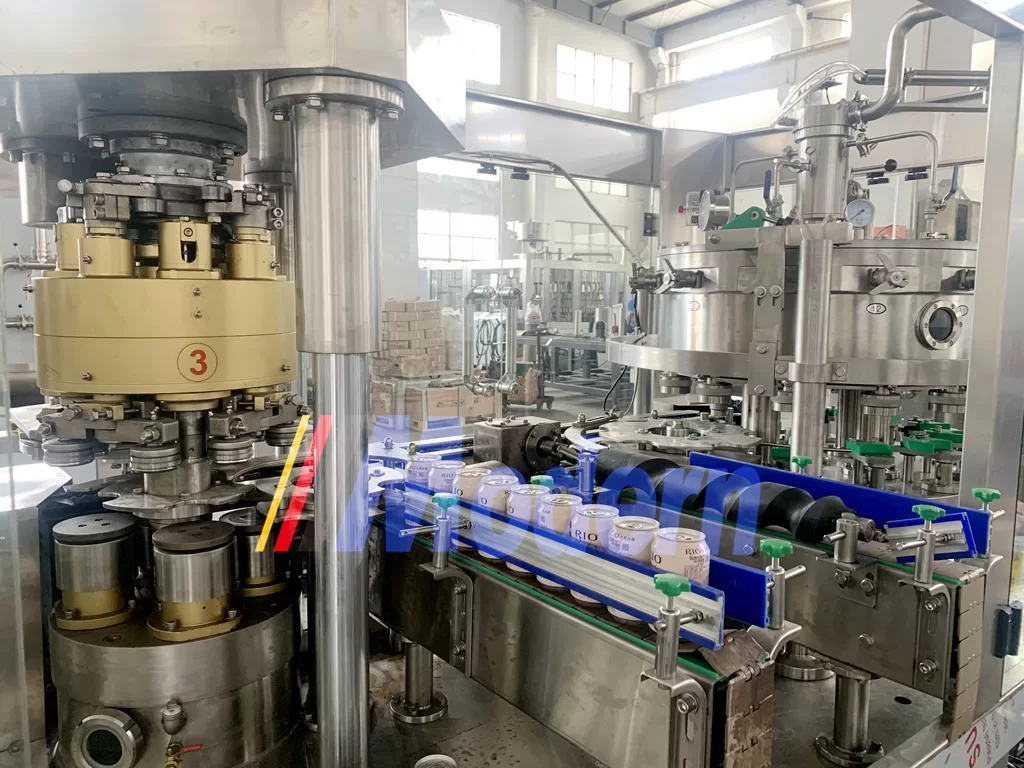
Lorsqu'il s'agit d'optimiser une ligne de production de boissons, le retour sur investissement (ROI) est un indicateur crucial que les entreprises doivent prendre en compte. Le calcul du ROI d'une ligne de production peut fournir des informations précieuses sur son efficacité, sa rentabilité et ses performances globales. Dans cet article, nous explorerons les subtilités du calcul du ROI pour une ligne de production de boissons et examinerons les facteurs clés à prendre en compte pour maximiser les rendements.
Comprendre le ROI dans la production de boissons
Le retour sur investissement (ROI) est un indicateur financier utilisé pour évaluer la rentabilité d'un investissement par rapport à son coût. Dans le contexte de la production de boissons, le calcul du ROI aide les fabricants à évaluer l'efficacité de leurs processus de production et de leurs équipements. En déterminant le ROI d'une ligne de production, les entreprises peuvent identifier les domaines à améliorer, optimiser l'allocation des ressources et prendre des décisions stratégiques pour améliorer leurs performances globales.
Calcul du ROI d'une ligne de production de boissons
Le calcul du ROI d'une ligne de production de boissons implique l'analyse des coûts associés au processus de production et leur comparaison avec les avantages financiers générés. La formule de calcul du ROI est la suivante :
ROI = (Bénéfice net / Coût de l'investissement) x 100
Ici, le bénéfice net représente le revenu total généré par la ligne de production après déduction de tous les coûts, tandis que le coût de l'investissement comprend les dépenses liées aux équipements, aux matières premières, à la main-d'œuvre, à la maintenance et aux autres coûts opérationnels engagés au cours du processus de production.
Lors du calcul du ROI d'une ligne de production de boissons, il est essentiel de prendre en compte les avantages tangibles et intangibles. Les avantages tangibles comprennent les économies de coûts, l'augmentation de l'efficacité de la production et la croissance des revenus, tandis que les avantages intangibles peuvent inclure l'amélioration de la réputation de la marque, la satisfaction des clients et la compétitivité sur le marché.
Facteurs affectant le ROI d'une ligne de production de boissons
Plusieurs facteurs peuvent avoir un impact sur le ROI d'une ligne de production de boissons. Comprendre ces facteurs et leurs implications est crucial pour optimiser les performances et maximiser les rendements. Voici quelques facteurs clés à prendre en compte :
1. Efficacité de la production
Des processus de production efficaces peuvent avoir un impact significatif sur le ROI d'une ligne de production de boissons. En minimisant le gaspillage, en réduisant les temps d'arrêt et en rationalisant les opérations, les fabricants peuvent améliorer l'efficacité globale et la rentabilité.
2. Performance des équipements
La performance et la fiabilité des équipements de production sont directement corrélées au ROI. Investir dans des Modern Machinery de haute qualité peut améliorer la productivité, réduire les coûts de maintenance et augmenter le rendement, améliorant ainsi le ROI.
3. Contrôle qualité
Le maintien de normes de qualité élevées tout au long du processus de production est essentiel pour garantir la satisfaction des clients et la fidélisation. La mise en œuvre de mesures de contrôle qualité robustes peut aider à minimiser les défauts, à éviter les rappels et à améliorer la réputation de la marque, ce qui a un impact positif sur le ROI.
4. Gestion des coûts
Une gestion efficace des coûts est essentielle pour maximiser le ROI dans la production de boissons. En surveillant de près les dépenses, en optimisant l'utilisation des ressources et en identifiant les opportunités de réduction des coûts, les entreprises peuvent améliorer leur rentabilité et obtenir un ROI plus élevé.
Stratégies pour améliorer le ROI d'une ligne de production de boissons
Pour améliorer le ROI d'une ligne de production de boissons, les entreprises peuvent mettre en œuvre les stratégies suivantes :
1. Mettre en œuvre les principes du Lean Manufacturing
L'adoption de pratiques de production allégée (Lean) peut aider à éliminer le gaspillage, à améliorer l'efficacité et à réduire les coûts de production. En rationalisant les processus, en mettant en œuvre une gestion des stocks en flux tendu et en donnant aux employés les moyens d'identifier et de résoudre les problèmes, les entreprises peuvent améliorer leur ROI.
2. Investir dans l'automatisation et la technologie
Les technologies d'automatisation peuvent améliorer considérablement la productivité, la précision et la cohérence dans la production de boissons. En investissant dans des machines automatisées, la robotique et des outils d'analyse de données, les fabricants peuvent rationaliser leurs opérations, réduire les coûts de main-d'œuvre et améliorer le ROI global.
3. Formation et développement continus
Investir dans la formation et le développement des compétences des employés peut avoir un impact positif sur l'efficacité de la production et la qualité des produits. Des employés bien formés sont mieux équipés pour gérer des tâches complexes, résoudre les problèmes et contribuer aux économies globales, améliorant ainsi le ROI.
4. Collaborer avec les fournisseurs et les partenaires
L'établissement de relations solides avec les fournisseurs et les partenaires industriels peut conduire à des opportunités de réduction des coûts, à une meilleure qualité des produits et à une rationalisation des opérations de la chaîne d'approvisionnement. En collaborant étroitement avec les parties prenantes, les entreprises peuvent améliorer leur efficacité, réduire les délais et maximiser leur ROI.
Conclusion
Le calcul du ROI d'une ligne de production de boissons est essentiel pour évaluer sa rentabilité, son efficacité et ses performances globales. En comprenant les facteurs clés influençant le ROI, en mettant en œuvre des stratégies efficaces pour améliorer les performances et en tirant parti de la technologie et de l'innovation, les entreprises peuvent optimiser leurs processus de production, maximiser leurs rendements et rester compétitives sur le marché.
N'oubliez pas que la surveillance, l'analyse et l'adaptation continues sont essentielles pour atteindre et maintenir un ROI élevé dans la production de boissons. En donnant la priorité à l'efficacité, à la qualité et à la rentabilité, les entreprises peuvent stimuler leur croissance, améliorer leur rentabilité et prospérer dans l'industrie dynamique de la fabrication de boissons.


