
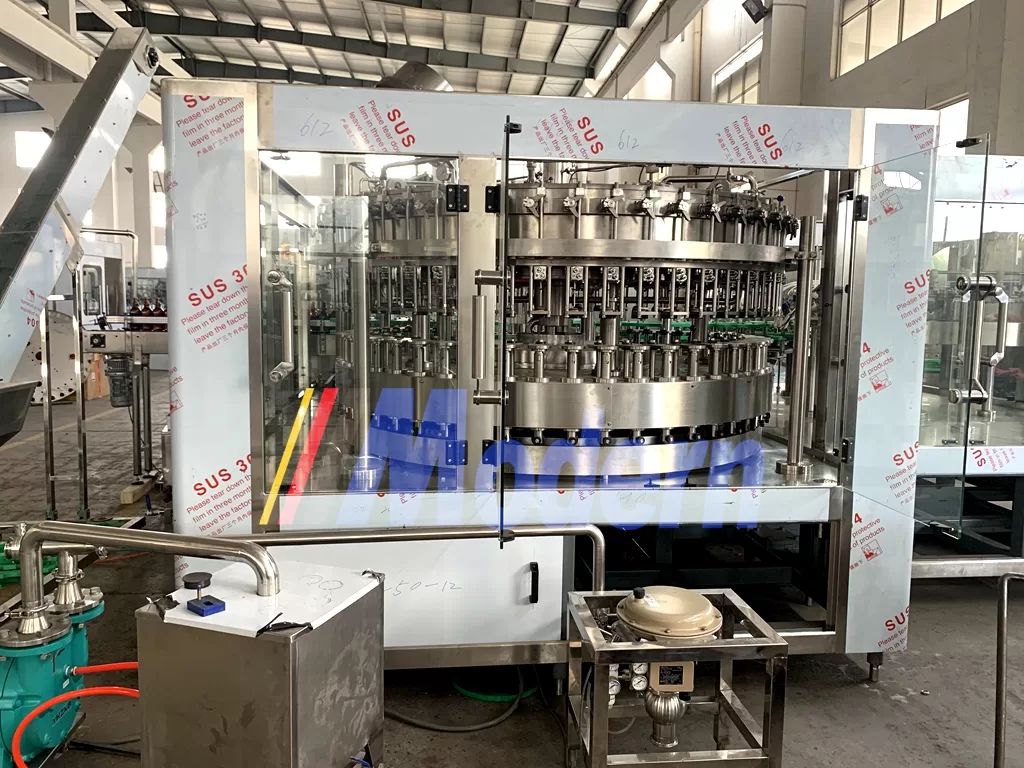
Les brasseries dépendent souvent de lignes d'embouteillage de bière sophistiquées pour conditionner efficacement leurs produits. Un entretien approprié de ces machines est crucial pour garantir des performances optimales, minimiser les temps d'arrêt et produire une bière de haute qualité de manière constante. Dans cet article, nous explorerons des conseils essentiels et les meilleures pratiques pour l'entretien des lignes d'embouteillage dans les brasseries.
Nettoyage et désinfection réguliers
L'un des aspects les plus critiques de l'entretien d'une ligne d'embouteillage est le nettoyage et la désinfection réguliers. Assurez-vous que tous les composants de la ligne, y compris les réservoirs, les filtres, les tuyaux et les vannes, sont nettoyés minutieusement pour éviter l'accumulation de bactéries et de contaminants. Utilisez des agents de nettoyage et des désinfectants de qualité alimentaire recommandés par le fabricant de l'équipement.
Inspecter et remplacer les pièces d'usure
Inspectez régulièrement les pièces d'usure telles que les joints, les garnitures, les joints toriques et les tapis roulants pour détecter tout signe d'usure. Remplacez ces pièces si nécessaire pour éviter les fuites, les dysfonctionnements et la contamination. Tenez un inventaire détaillé des pièces de rechange pour garantir des remplacements rapides en cas de besoin.
Lubrification et étalonnage
Une lubrification appropriée des pièces mobiles est essentielle pour éviter les frottements et assurer le bon fonctionnement de la ligne d'embouteillage. Suivez les directives du fabricant concernant les intervalles de lubrification et utilisez des lubrifiants de haute qualité adaptés aux équipements de transformation alimentaire. De plus, étalonnez régulièrement les capteurs, les vannes et les autres composants pour maintenir des niveaux de remplissage précis et éviter les débordements ou les sous-remplissages.
Formation et éducation
Investissez dans des programmes de formation pour votre personnel de maintenance afin de vous assurer qu'ils maîtrisent parfaitement le fonctionnement et l'entretien de la ligne d'embouteillage. Offrez une formation complète sur le dépannage des problèmes courants, l'exécution des tâches de maintenance de routine et l'identification des problèmes potentiels avant qu'ils ne s'aggravent. Un personnel bien formé peut aider à prévenir des pannes coûteuses et à assurer la longévité de votre équipement.
Surveillance et analyse des données
Utilisez des systèmes de surveillance et des logiciels pour suivre les indicateurs de performance clés de la ligne d'embouteillage, tels que les taux de remplissage, les temps d'arrêt et les taux d'erreur. Analysez régulièrement les données pour identifier les modèles, les tendances et les domaines potentiels d'amélioration. Utilisez ces informations pour optimiser l'efficacité de la ligne et résoudre les problèmes de manière proactive.
Programme de maintenance préventive
Développez un programme complet de maintenance préventive pour la ligne d'embouteillage qui inclut des inspections régulières, des tâches de nettoyage, des calendriers de lubrification et des procédures d'étalonnage. Respectez strictement ce programme pour éviter les temps d'arrêt imprévus et les réparations coûteuses. Envisagez de créer un journal de maintenance pour suivre les activités et garantir la responsabilité.
Plan d'intervention d'urgence
Préparez un plan d'intervention d'urgence en cas de défaillances ou de pannes d'équipement inattendues. Formez votre personnel aux procédures d'urgence, notamment sur la manière d'arrêter la ligne en toute sécurité, de minimiser les pertes de produit et de résoudre les problèmes courants. Tenez à jour une liste de contacts d'urgence pour les fournisseurs d'équipement et les prestataires de services afin d'obtenir une assistance rapide.
Amélioration continue
Encouragez une culture d'amélioration continue au sein de votre équipe de maintenance. Sollicitez régulièrement les commentaires des opérateurs et du personnel de maintenance sur les moyens d'améliorer les performances et la fiabilité de la ligne d'embouteillage. Mettez en œuvre des suggestions d'optimisation des processus, de mises à niveau des équipements et d'améliorations de l'efficacité pour rester compétitif sur le marché.
Conclusion
Un entretien approprié des lignes d'embouteillage est essentiel pour que les brasseries maintiennent la qualité de leurs produits, leur efficacité et leur conformité aux normes de l'industrie. En mettant en œuvre les conseils présentés dans cet article, les brasseries peuvent assurer le bon fonctionnement de leurs lignes, minimiser les perturbations et maximiser la productivité. N'oubliez pas qu'une maintenance proactive est la clé pour réussir à long terme dans l'industrie brassicole.


