
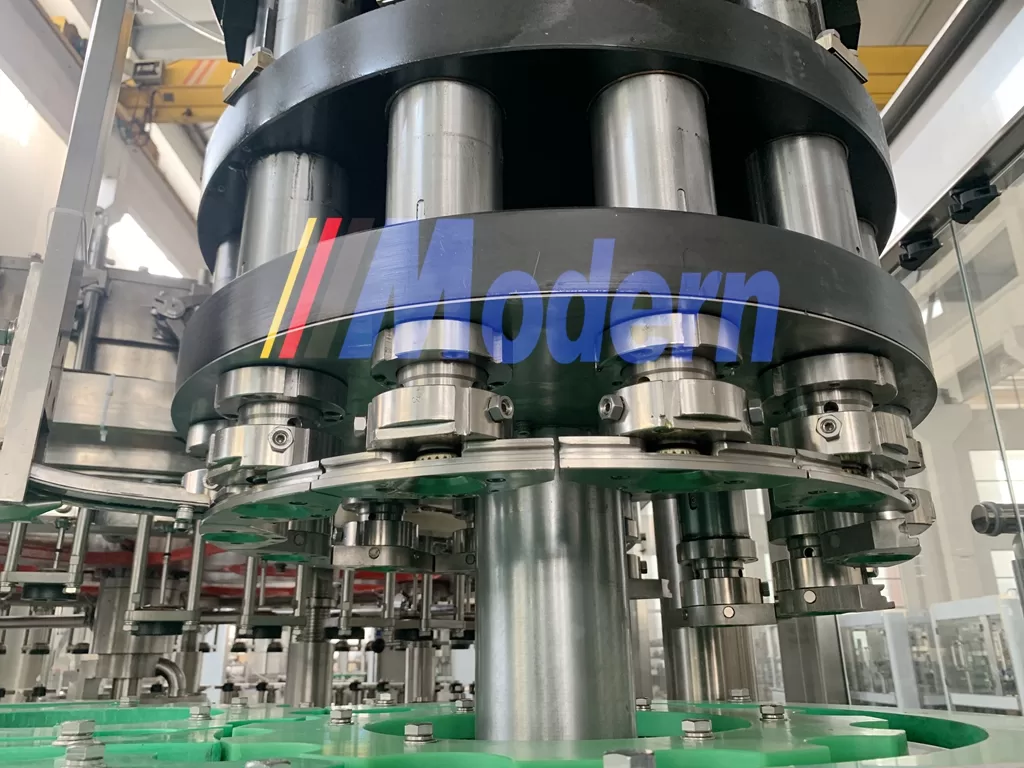
Bienvenue dans notre guide complet sur l'installation d'une ligne d'embouteillage de bière ! Que vous soyez une brasserie artisanale en phase de démarrage cherchant à augmenter votre capacité de production ou une brasserie établie planifiant d'optimiser votre processus d'embouteillage, comprendre les coûts et les équipements requis est essentiel pour réussir votre opération. Dans cet article, nous explorerons les différents aspects de la mise en place d'une ligne d'embouteillage de bière, y compris les coûts impliqués et les équipements clés nécessaires pour rationaliser vos opérations d'embouteillage.
L'importance d'investir dans une ligne d'embouteillage de bière adaptée
Investir dans une ligne d'embouteillage de bière dédiée est crucial pour les brasseries qui cherchent à conditionner efficacement leurs produits et à répondre à la demande des consommateurs. En automatisant le processus d'embouteillage, les brasseries peuvent augmenter considérablement leur capacité de production, maintenir la qualité du produit et améliorer l'efficacité opérationnelle globale.
Considérations relatives aux coûts pour l'installation d'une ligne d'embouteillage de bière
Lors de la planification de l'installation d'une ligne d'embouteillage de bière, il est essentiel de prendre en compte les divers coûts impliqués. Ces coûts peuvent inclure les dépenses liées à l'équipement, les frais d'installation, les dépenses opérationnelles et les coûts de maintenance. Décomposons les principales considérations budgétaires :
1. Coûts de l'équipement
La composante la plus importante de l'installation d'une ligne d'embouteillage de bière réside dans les coûts de l'équipement. Ceux-ci peuvent varier considérablement en fonction de l'échelle de votre opération et du niveau d'automatisation requis. L'équipement clé nécessaire pour une ligne d'embouteillage de bière comprend :
- Rinceuses de bouteilles
- Remplisseuses
- Capsuleuses
- Étiqueteuses
- Équipement de conditionnement
2. Frais d'installation
Outre les coûts de l'équipement, les brasseries doivent prendre en compte les frais d'installation. Cela inclut le coût de mise en place de la ligne d'embouteillage, son intégration avec les opérations existantes de la brasserie, ainsi que la garantie d'un étalonnage et de tests appropriés.
3. Dépenses opérationnelles
L'exploitation d'une ligne d'embouteillage de bière entraîne des dépenses courantes telles que l'électricité, l'eau, les fournitures de maintenance et les coûts de main-d'œuvre. Il est important d'intégrer ces dépenses opérationnelles lors de l'établissement du budget pour votre installation.
4. Coûts de maintenance
Pour assurer le bon fonctionnement de votre ligne d'embouteillage de bière, une maintenance régulière est cruciale. Prévoir un budget pour les coûts de maintenance, y compris les pièces de rechange, les réparations et l'entretien programmé, est essentiel pour éviter les temps d'arrêt et maintenir l'efficacité.
Équipement clé nécessaire pour une ligne d'embouteillage de bière
Explorons maintenant l'équipement essentiel nécessaire à une ligne d'embouteillage de bière pour garantir un processus fluide et efficace :
1. Rinceuse de bouteilles
Une rinceuse de bouteilles est utilisée pour nettoyer et stériliser les bouteilles avant le remplissage, garantissant ainsi l'hygiène et la qualité du produit conditionné. Il existe différents types de rinceuses, notamment les rinceuses à air, à eau et chimiques.
2. Remplisseuse
La remplisseuse est chargée de remplir les bouteilles avec la quantité précise de bière souhaitée. Il existe différents types de remplisseuses, notamment les remplisseuses par gravité, à contre-pression et sous vide, chacune étant adaptée à des types de bouteilles et à des vitesses de production spécifiques.
3. Capsuleuse
Une fois les bouteilles remplies de bière, une capsuleuse est utilisée pour sceller les bouteilles avec des capsules ou des couronnes. Les capsuleuses peuvent varier en termes de vitesse et de niveaux d'automatisation, avec des options pour les capsules dévissables, les capsules à levier ou les bouchons en liège.
4. Étiqueteuse
Une étiqueteuse applique les étiquettes sur les bouteilles, fournissant ainsi des informations sur la marque et le produit aux consommateurs. Il existe des étiqueteuses automatiques et semi-automatiques, avec des options pour les étiquettes avant et arrière, les collerettes et les étiquettes enveloppantes.
5. Équipement de conditionnement
Une fois les bouteilles remplies, capsulées et étiquetées, des équipements de conditionnement tels que des encaisseuses, des formeuses de cartons et des machines de fardelage sous film rétractable sont utilisés pour assembler et palettiser les produits finis en vue de leur distribution.
Optimiser votre ligne d'embouteillage de bière pour plus d'efficacité
Bien que l'installation d'une ligne d'embouteillage de bière représente un investissement important, l'optimisation du processus peut aider les brasseries à améliorer leur efficacité et à réduire leurs coûts à long terme. Voici quelques conseils pour optimiser votre ligne d'embouteillage :
1. Rationaliser le flux de production
Organisez la disposition de votre ligne d'embouteillage pour minimiser les goulots d'étranglement et optimiser le flux de production. Assurez-vous que chaque équipement est placé stratégiquement pour faciliter le bon fonctionnement et minimiser les temps d'arrêt.
2. Mettre en œuvre des mesures de contrôle qualité
Intégrez des points de contrôle qualité tout au long du processus d'embouteillage pour identifier et résoudre rapidement tout problème. Surveillez régulièrement les niveaux de remplissage, l'intégrité du capsulage, le placement des étiquettes et la qualité du conditionnement pour maintenir la cohérence du produit.
3. Former efficacement le personnel
Une formation appropriée du personnel exploitant la ligne d'embouteillage est essentielle pour une performance optimale. Assurez-vous que les opérateurs sont bien formés au fonctionnement de l'équipement, aux procédures de maintenance et aux protocoles de sécurité afin d'éviter les temps d'arrêt et de garantir la qualité du produit.
Conclusion
L'installation d'une ligne d'embouteillage de bière nécessite une planification minutieuse, un investissement et une compréhension approfondie des équipements et des coûts impliqués. En investissant dans une ligne d'embouteillage adaptée et en optimisant vos opérations, les brasseries peuvent augmenter leur capacité de production, maintenir la qualité de leurs produits et répondre efficacement à la demande des consommateurs. Avec le bon équipement et une approche stratégique, les brasseries peuvent rationaliser leur processus d'embouteillage et atteindre une efficacité opérationnelle sur le marché concurrentiel de la bière artisanale.


