
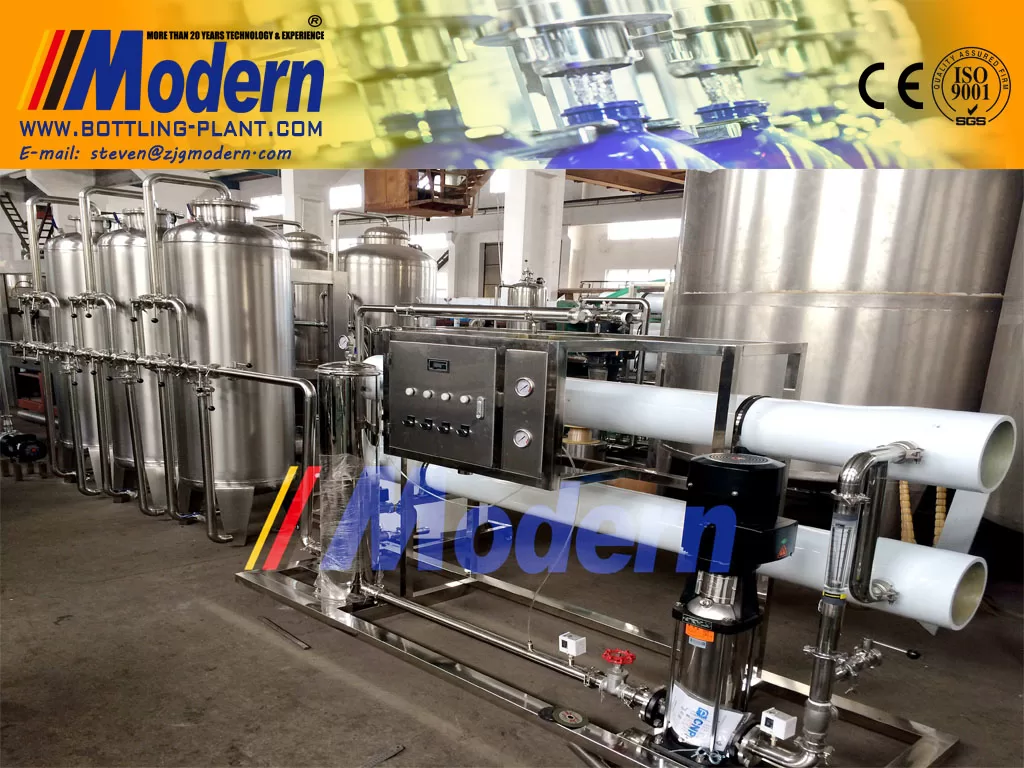
تعد المياه مورداً حيوياً لجميع الكائنات الحية على كوكبنا، فهي ضرورية لبقائنا وصحتنا ورفاهيتنا بشكل عام. ومع ذلك، ومع تزايد تلوث مصادر المياه، أصبح ضمان الوصول إلى مياه نظيفة وآمنة تحدياً كبيراً. وهنا يأتي دور معالجة المياه كعنصر أساسي في حماية الصحة العامة والبيئة.
فهم معالجة المياه
معالجة المياه هي عملية تنقية المياه لجعلها آمنة للاستهلاك، والاستخدام الصناعي، والعديد من التطبيقات الأخرى. وهي تنطوي على سلسلة من العمليات الفيزيائية والكيميائية والبيولوجية التي تزيل الملوثات والشوائب من المياه. الهدف الأساسي من معالجة المياه هو توفير مياه نظيفة وآمنة تلبي المعايير التنظيمية ولا تشكل أي مخاطر صحية على المستهلكين.
الحاجة إلى معالجة المياه
هناك عدة أسباب تجعل معالجة المياه ضرورية:
1. حماية الصحة العامة
أحد الأسباب الرئيسية لمعالجة المياه هو حماية الصحة العامة. يمكن أن تحتوي المياه الملوثة على بكتيريا وفيروسات ومواد كيميائية ضارة وملوثات أخرى يمكن أن تسبب أمراضاً منقولة بالمياه مثل الكوليرا والتيفوئيد والتهاب الكبد. ومن خلال معالجة المياه، تتم إزالة هذه الملوثات، مما يقلل من خطر الإصابة بالأمراض ويحسن الصحة العامة بشكل عام.
2. ضمان الاستدامة البيئية
تلعب معالجة المياه دوراً حاسماً في الحفاظ على بيئتنا. يمكن لمياه الصرف الصحي غير المعالجة والمخلفات الصناعية أن تلوث الأنهار والبحيرات والمحيطات، مما يؤدي إلى تدهور النظام البيئي والإضرار بالحياة المائية. ومن خلال معالجة مياه الصرف الصحي قبل تصريفها، يمكننا تقليل الأضرار البيئية وحماية الموائل الطبيعية.
3. تلبية المعايير التنظيمية
وضعت الحكومات والهيئات التنظيمية في جميع أنحاء العالم معايير لجودة المياه لضمان سلامة مياه الشرب وحماية البيئة. تساعد معالجة المياه المرافق على الامتثال لهذه اللوائح من خلال معالجة المياه لتلبية المعايير والمبادئ التوجيهية المطلوبة.
عملية معالجة المياه
تتضمن عملية معالجة المياه عادةً عدة مراحل:
1. التخثر والتلبد
في هذه المرحلة، تُضاف مواد كيميائية إلى الماء لإزالة الجسيمات العالقة والشوائب. تساعد هذه العملية هذه الجسيمات على الالتصاق ببعضها البعض لتكوين كتل أكبر، مما يسهل إزالتها من خلال الترشيح.
2. الترشيح
تمر المياه عبر وسائط ترشيح مختلفة مثل الرمل والحصى والكربون المنشط لإزالة الجسيمات المتبقية والبكتيريا والملوثات. يعد الترشيح خطوة حاسمة في ضمان الحصول على مياه نظيفة وصافية.
3. التطهير
التطهير هو المرحلة النهائية من معالجة المياه، حيث تُضاف مطهرات مثل الكلور أو الأوزون لقتل أي بكتيريا وفيروسات ومسببات أمراض متبقية في الماء. هذه الخطوة حيوية لضمان أن المياه آمنة للاستهلاك.
أنواع أنظمة معالجة المياه
هناك عدة أنواع من أنظمة معالجة المياه المتاحة، اعتماداً على مصدر المياه والملوثات الموجودة:
1. أنظمة نقطة الاستخدام
يتم تركيب أنظمة نقطة الاستخدام عند الصنابير الفردية لمعالجة المياه عند نقطة الاستخدام. هذه الأنظمة، مثل فلاتر وأجهزة تنقية المياه، فعالة في إزالة ملوثات معينة وتحسين جودة المياه للشرب والطهي.
2. أنظمة نقطة الدخول
يتم تركيب أنظمة نقطة الدخول عند خط المياه الرئيسي الذي يدخل إلى المبنى أو العقار. تعالج هذه الأنظمة جميع المياه التي تدخل إلى العقار، مما يوفر معالجة شاملة للمياه للمنزل أو المنشأة بأكملها.
3. أنظمة معالجة مياه الصرف الصحي
تم تصميم أنظمة معالجة مياه الصرف الصحي لمعالجة وتنقية مياه الصرف الصحي من المصادر السكنية والتجارية والصناعية قبل تصريفها مرة أخرى في البيئة. تساعد هذه الأنظمة في تقليل التلوث وحماية المسطحات المائية من التلوث.
فوائد معالجة المياه
هناك فوائد عديدة لمعالجة المياه، بما في ذلك:
1. تحسين جودة المياه
تعمل معالجة المياه على تحسين جودة المياه عن طريق إزالة الشوائب والملوثات والروائح، مما يجعلها آمنة ومقبولة للاستهلاك. كما تعزز المياه النظيفة النظافة والصرف الصحي بشكل أفضل.
2. مجتمعات أكثر صحة
يعد الوصول إلى مياه نظيفة وآمنة أمراً ضرورياً للحفاظ على الصحة العامة والوقاية من الأمراض المنقولة بالمياه. تساعد معالجة المياه في خلق مجتمعات أكثر صحة وتقليل عبء الأمراض المرتبطة بالمياه الملوثة.
3. حماية البيئة
من خلال معالجة مياه الصرف الصحي ومنع تلوث المياه، تساهم معالجة المياه في حماية البيئة والحفاظ عليها. تدعم المسطحات المائية النظيفة النظم البيئية المتنوعة والتنوع البيولوجي، مما يفيد البشر والحياة البرية على حد سواء.
4. التنمية المستدامة
تعد معالجة المياه أمراً بالغ الأهمية للتنمية المستدامة لأنها تضمن توافر المياه النظيفة للأجيال الحالية والمستقبلية. ومن خلال الاستثمار في البنية التحتية لمعالجة المياه، يمكننا حماية موارد المياه وتعزيز الاستدامة على المدى الطويل.
الخلاصة
تلعب معالجة المياه دوراً حاسماً في ضمان الوصول إلى مياه نظيفة وآمنة للجميع. ومن خلال تنفيذ ممارسات فعالة لمعالجة المياه، يمكننا حماية الصحة العامة، والحفاظ على البيئة، وتعزيز التنمية المستدامة. من الضروري للأفراد والمجتمعات والحكومات إعطاء الأولوية لمبادرات معالجة المياه لتأمين مستقبل صحي ومستدام. تذكر أن المياه النظيفة ليست مجرد ضرورة؛ بل هي حق أساسي من حقوق الإنسان يجب دعمه وحمايته من خلال عمليات معالجة المياه الفعالة.


