
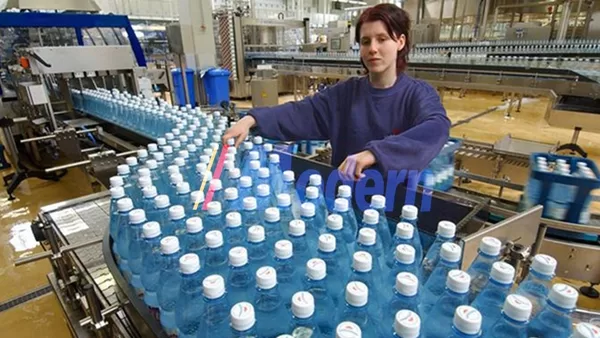
تعد آلة التعبئة قطعة أساسية من المعدات المستخدمة في مختلف الصناعات لتعبئة الحاويات بكفاءة بالمواد السائلة أو شبه السائلة أو المسحوقة. تلعب هذه الآلة متعددة الاستخدامات دوراً حيوياً في تبسيط عمليات الإنتاج، وضمان الدقة، وتعزيز الإنتاجية، والحفاظ على جودة المنتج. في هذا المقال، سوف نتعمق في الوظائف والأنواع والتطبيقات والفوائد والاعتبارات المرتبطة بآلات التعبئة.
وظائف آلة التعبئة
صُممت آلة التعبئة لأداء مجموعة من الوظائف التي تسهل عملية تعبئة الحاويات بكفاءة. ومن أهم هذه الوظائف:
1. القياس:
تُجهز آلات التعبئة بأنظمة قياس تقوم بدقة بقياس وتوزيع الحجم المحدد من المنتج داخل الحاويات. وهذا يضمن اتساق مستويات التعبئة ويقلل من هدر المنتج.
2. الإغلاق:
تأتي بعض آلات التعبئة مزودة بآليات إغلاق مدمجة لإحكام غلق الحاويات بعد تعبئتها. وتعد هذه الميزة مهمة بشكل خاص للحفاظ على نضارة المنتج ومنع التسرب أثناء التخزين والنقل.
3. التغطية:
بالإضافة إلى التعبئة والإغلاق، تتميز بعض آلات التعبئة بقدرتها على تغطية الحاويات بالأغطية، مما يوفر حلاً متكاملاً للتغليف في عملية واحدة.
أنواع آلات التعبئة
تتوفر أنواع متعددة من آلات التعبئة، حيث صُمم كل نوع لتلبية متطلبات تعبئة واحتياجات إنتاجية محددة. ومن الأنواع الشائعة لآلات التعبئة:
1. حشوات المكبس (Piston Fillers):
تستخدم حشوات المكبس مكابس لسحب المنتج من خزان وتوزيعه في الحاويات. هذه الآلات مناسبة لتعبئة السوائل اللزجة والمنتجات التي تتطلب تحكماً دقيقاً في الحجم.
2. حشوات الجاذبية (Gravity Fillers):
تعتمد حشوات الجاذبية على قوة الجاذبية لتعبئة الحاويات بالمنتجات السائلة. وهي مثالية لتعبئة السوائل الخفيفة التي لا تتطلب مستويات عالية من الدقة.
3. حشوات الفائض (Overflow Fillers):
تُستخدم حشوات الفائض عادةً لتعبئة السوائل الرغوية أو الغازية. تضمن هذه الآلات مستويات تعبئة دقيقة من خلال ملء الحاويات إلى مستوى محدد والسماح للمنتج الزائد بالتدفق للخارج.
4. حشوات البريمة (Auger Fillers):
صُممت حشوات البريمة لتعبئة المساحيق والحبيبات وغيرها من المنتجات الجافة. وهي تستخدم آلية بريمة لتوزيع المنتج في الحاويات بدقة واتساق عاليين.
تطبيقات آلات التعبئة
تجد آلات التعبئة تطبيقات في مجموعة واسعة من الصناعات، بما في ذلك على سبيل المثال لا الحصر:
1. صناعة الأغذية والمشروبات:
في صناعة الأغذية والمشروبات، تُستخدم آلات التعبئة لتعبئة الزجاجات والجرار والأكياس والحاويات بمنتجات مثل الصلصات والتتبيلات والمشروبات ومنتجات الألبان.
2. الصناعات الدوائية:
تستخدم شركات الأدوية آلات التعبئة لتعبئة الكبسولات والقوارير والمحاقن وغيرها من عبوات الأدوية بدقة بالأدوية والمنتجات الصحية.
3. صناعة العناية الشخصية:
تُستخدم آلات التعبئة في صناعة العناية الشخصية لتعبئة الحاويات بمستحضرات التجميل واللوشن والكريمات وغيرها من منتجات التجميل والعناية بالبشرة.
4. الصناعة الكيميائية:
يستخدم مصنعو المواد الكيميائية آلات التعبئة لتعبئة الحاويات بمختلف المواد الكيميائية والمذيبات وعوامل التنظيف بطريقة محكومة ودقيقة.
فوائد استخدام آلات التعبئة
يوفر استخدام آلات التعبئة العديد من المزايا للشركات التي تتطلع إلى تحسين عمليات الإنتاج الخاصة بها وتعزيز الكفاءة العامة. ومن أهم هذه المزايا:
1. زيادة الإنتاجية:
تتيح آلات التعبئة تعبئة سريعة ومتسقة للحاويات، مما يزيد من مخرجات الإنتاج والكفاءة.
2. تحسين الدقة:
من خلال استخدام أنظمة القياس وآليات التعبئة الدقيقة، تضمن آلات التعبئة مستويات تعبئة دقيقة، مما يقلل من هدر المنتج وعدم الاتساق.
3. تعزيز جودة المنتج:
تساعد آلات التعبئة في الحفاظ على جودة المنتج من خلال منع التلوث، وضمان الإغلاق السليم، وتقليل التعرض للعوامل الخارجية.
4. توفير التكاليف:
تؤدي عمليات التعبئة الفعالة إلى توفير التكاليف من خلال تقليل هدر المنتج، وتحسين الإنتاجية، وتقليل متطلبات العمالة.
اعتبارات اختيار آلة التعبئة
عند اختيار آلة تعبئة لعمليات التصنيع الخاصة بك، يجب مراعاة العديد من الاعتبارات الرئيسية لضمان الأداء الأمثل والتوافق مع متطلباتك المحددة. ومن أهم هذه الاعتبارات:
1. نوع المنتج:
حدد خصائص المنتج المراد تعبئته، مثل اللزوجة وخصائص التدفق وحجم الجسيمات، لاختيار آلة تعبئة مناسبة للتعامل مع المنتج بفعالية.
2. مخرجات الإنتاج:
قم بتقييم مخرجات الإنتاج المطلوبة ومتطلبات السرعة لاختيار آلة تعبئة يمكنها تلبية متطلبات الإنتاج دون المساس بالكفاءة.
3. حجم وشكل الحاوية:
ضع في اعتبارك حجم وشكل ومادة الحاويات المراد تعبئتها لضمان توافقها مع قدرات آلة التعبئة وإمكانيات ضبطها.
4. المرونة التشغيلية:
ابحث عن آلات التعبئة التي توفر المرونة من حيث تغيير المنتجات، وأحجام التعبئة، وخيارات الضبط للتكيف مع احتياجات الإنتاج المتغيرة.
الخلاصة
ختاماً، تلعب آلات التعبئة دوراً محورياً في عمليات التصنيع الحديثة من خلال تبسيط عمليات تعبئة وإغلاق وتغطية الحاويات بمنتجات متنوعة. ومن خلال الاستثمار في آلة تعبئة مناسبة ومراعاة العوامل الرئيسية الموضحة في هذا المقال، يمكن للشركات تعزيز كفاءة الإنتاج وجودة المنتج والربحية الإجمالية بشكل كبير. وسواء كان ذلك في قطاع الأغذية والمشروبات، أو قطاع الأدوية، أو مجال العناية الشخصية، أو التصنيع الكيميائي، فإن استخدام آلات التعبئة يوفر ميزة تنافسية في مشهد السوق الديناميكي والمتطلب اليوم.


