
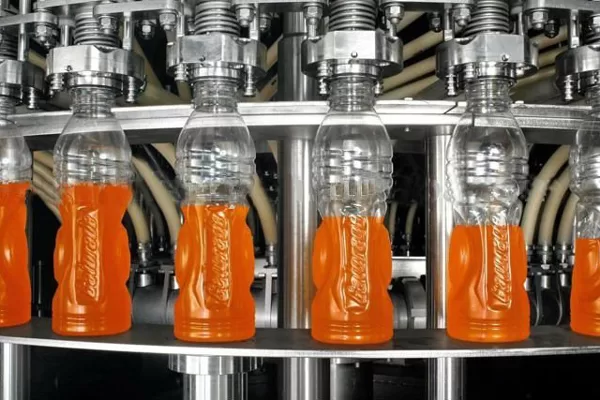
يعد خط تعبئة الزجاجات مكوناً حيوياً في عملية إنتاج المشروبات والمستحضرات الصيدلانية والمواد الكيميائية والعديد من المنتجات السائلة الأخرى. وهو عبارة عن مجموعة متطورة من الآلات، التي عادة ما تكون مؤتمتة، ومصممة لتعبئة الحاويات، مثل الزجاجات والجرار والعلب، بالسوائل بكفاءة. الهدف الأساسي من خط تعبئة الزجاجات هو ملء كل حاوية بدقة بحجم محدد من المنتج المطلوب، مما يضمن الدقة والسرعة والاتساق.
مكونات خط تعبئة الزجاجات
يتكون خط تعبئة الزجاجات النموذجي من عدة مكونات رئيسية تعمل معاً بسلاسة لتحقيق عمليات تعبئة فعالة ودقيقة. تشمل هذه المكونات:
1. تنظيف وتعقيم الزجاجات
قبل بدء عملية التعبئة، يجب تنظيف الزجاجات وتعقيمها لضمان نقاء المنتج وإطالة مدة صلاحيته. قد تتضمن هذه الخطوة الشطف، أو النفخ بالهواء، أو حتى التعقيم باستخدام الأشعة فوق البنفسجية أو العوامل الكيميائية.
2. آلة تعبئة الزجاجات
قلب خط تعبئة الزجاجات هو آلة التعبئة، المسؤولة عن توزيع الحجم الصحيح من السائل بدقة في كل حاوية. اعتماداً على خصائص المنتج، يمكن استخدام أنواع مختلفة من آلات التعبئة، مثل آلات التعبئة بالجاذبية، أو آلات التعبئة بالمكبس، أو آلات التعبئة بالتفريغ.
3. الإغلاق والختم
بمجرد ملء الزجاجات، يجب إغلاقها بإحكام لمنع التلوث والتسرب. تتضمن هذه الخطوة عادةً استخدام آلات السد أو معدات الإغلاق، مثل الأغطية اللولبية، أو الأغطية الكبس، أو الأختام الحثية.
4. وضع الملصقات والترميز
بعد التعبئة والإغلاق، قد تخضع الزجاجات لعمليات وضع الملصقات والترميز لتوفير معلومات أساسية للمستهلكين، مثل تفاصيل المنتج، وتواريخ انتهاء الصلاحية، وأرقام التشغيلات. تُستخدم آلات وضع الملصقات وطابعات الترميز بشكل شائع في هذه المرحلة.
5. الفحص ومراقبة الجودة
لضمان جودة المنتج وامتثاله لمعايير الصناعة، غالباً ما تخضع الزجاجات لأنظمة فحص تكتشف العيوب، أو الجسيمات الغريبة، أو مستويات التعبئة غير الصحيحة. تُستخدم أنظمة الرؤية وأجهزة فحص الوزن بشكل متكرر لأغراض مراقبة الجودة.
أنواع آلات تعبئة الزجاجات
تتوفر عدة أنواع من آلات تعبئة الزجاجات، كل منها مناسب لاحتياجات إنتاج وأنواع منتجات مختلفة. يمكن أن يساعد فهم الأنواع المختلفة الشركات المصنعة على اختيار الآلة الأكثر ملاءمة لمتطلباتها المحددة:
1. آلات التعبئة بالجاذبية
تستخدم آلات التعبئة بالجاذبية قوة الجاذبية الطبيعية لملء الزجاجات بالسائل. هذه الآلات مثالية لتعبئة المشروبات غير الغازية، والزيوت، وغيرها من السوائل ذات الانسيابية العالية.
2. آلات التعبئة بالمكبس
تعمل آلات التعبئة بالمكبس باستخدام آلية مكبس لتوزيع كميات دقيقة من السائل في الحاويات. تُستخدم عادةً للمنتجات اللزجة، مثل الكريمات، والمواد الهلامية، والصلصات.
3. آلات التعبئة بالفيض (Overflow)
تعمل آلات التعبئة بالفيض عن طريق ملء الزجاجات إلى مستوى ثابت من خلال السماح للسائل الزائد بالفيض. وهي مناسبة لتعبئة المشروبات الرغوية أو الغازية، بالإضافة إلى المنتجات التي تتطلب تعبئة بمستوى محدد.
4. آلات التعبئة بالتفريغ (الفراغ)
تم تصميم آلات التعبئة بالتفريغ لملء الزجاجات بالسوائل المعرضة للرغوة أو التناثر. من خلال إنشاء تفريغ داخل الحاوية، يمكن لهذه الآلات ملء الحاويات دون انسكاب أو فقاعات هواء.
فوائد استخدام خط تعبئة الزجاجات
يوفر تنفيذ خط تعبئة الزجاجات في منشأة الإنتاج العديد من الفوائد المهمة، بما في ذلك:
1. زيادة الكفاءة
يمكن لأتمتة عملية التعبئة باستخدام خط تعبئة الزجاجات أن تزيد بشكل كبير من كفاءة الإنتاج والمخرجات. التعبئة المتسقة والدقيقة للحاويات تقلل من الهدر وتعزز الكفاءة التشغيلية الشاملة.
2. تحسين جودة المنتج
من خلال استخدام آلات تعبئة متقدمة وأنظمة مراقبة الجودة، يمكن للمصنعين ضمان دقة واتساق تعبئة المنتج. يساعد هذا في الحفاظ على جودة المنتج ويقلل من مخاطر الأخطاء أو التلوث.
3. توفير التكاليف
على الرغم من أن الاستثمار الأولي في خط تعبئة الزجاجات قد يكون كبيراً، إلا أن وفورات التكلفة على المدى الطويل غالباً ما تكون كبيرة. تساهم تكاليف العمالة المنخفضة، وتقليل هدر المنتج، وزيادة القدرة الإنتاجية في كفاءة التكلفة الإجمالية.
4. المرونة وتعدد الاستخدامات
تم تصميم خطوط تعبئة الزجاجات الحديثة لتكون قابلة للتكيف مع أحجام وأشكال الحاويات وأنواع المنتجات المختلفة. تسمح هذه المرونة للمصنعين بالتبديل بسهولة بين المنتجات المختلفة أو تكوينات التعبئة والتغليف دون الحاجة إلى إعادة تجهيز واسعة النطاق.
اعتبارات رئيسية لتنفيذ خط تعبئة الزجاجات
عند التخطيط لدمج خط تعبئة الزجاجات في منشأة إنتاج، يجب مراعاة العديد من الاعتبارات الرئيسية لضمان تنفيذ ناجح:
1. متطلبات الإنتاج
يعد فهم حجم الإنتاج، وخصائص المنتج، ومتطلبات سرعة التعبئة أمراً بالغ الأهمية في اختيار آلة تعبئة الزجاجات وتكوين الخط المناسب.
2. مساحة الأرضية والتخطيط
تلعب مساحة الأرضية المتاحة وتخطيط منشأة الإنتاج دوراً مهماً في تحديد حجم وتكوين خط تعبئة الزجاجات. يعد التدفق الفعال للمواد وسهولة الوصول إلى الآلات اعتبارات أساسية.
3. الامتثال التنظيمي
يعد الامتثال للوائح ومعايير الصناعة، مثل متطلبات إدارة الغذاء والدواء (FDA) للمنتجات الغذائية والدوائية، أمراً حتمياً عند تصميم وتشغيل خط تعبئة الزجاجات. يعد ضمان التوثيق المناسب، والتحقق، وتدابير مراقبة الجودة أمراً ضرورياً.
4. الصيانة والدعم
تعد الصيانة والخدمة الدورية لخط تعبئة الزجاجات أمراً بالغ الأهمية لضمان الأداء الأمثل وطول عمر المعدات. يعد الوصول إلى الدعم الفني الموثوق وقطع الغيار أمراً ضرورياً لتقليل وقت التوقف عن العمل.
الاتجاهات المستقبلية في تكنولوجيا تعبئة الزجاجات
مع استمرار تقدم التكنولوجيا، تشهد صناعة تعبئة الزجاجات العديد من الاتجاهات الناشئة التي تشكل مستقبل تكنولوجيا التعبئة:
1. تكامل الصناعة 4.0
يُحدث دمج مفاهيم الصناعة 4.0، مثل اتصال إنترنت الأشياء (IoT)، وتحليلات البيانات، والصيانة التنبؤية، ثورة في خطوط تعبئة الزجاجات. تعمل المستشعرات الذكية وتقنيات الأتمتة على تعزيز الكفاءة وتمكين المراقبة في الوقت الفعلي لعمليات الإنتاج.
2. حلول التعبئة والتغليف المستدامة
مع التركيز المتزايد على الاستدامة، تدمج خطوط تعبئة الزجاجات بشكل متزايد مواد تغليف صديقة للبيئة وتقنيات موفرة للطاقة. تكتسب حلول تقليل هدر المواد والتغليف القابل لإعادة التدوير زخماً في الصناعة.
3. تطبيقات الروبوتات والذكاء الاصطناعي
يؤدي استخدام الروبوتات والذكاء الاصطناعي في تكنولوجيا تعبئة الزجاجات إلى تحسين الكفاءة والدقة والسرعة في عمليات الإنتاج. يمكن للأذرع الروبوتية وخوارزميات الذكاء الاصطناعي تحسين عمليات التعبئة والتكيف مع متطلبات الإنتاج المتغيرة.
الخلاصة
يعد خط تعبئة الزجاجات مكوناً حاسماً في عملية تصنيع المنتجات السائلة، حيث يوفر الكفاءة والجودة والمرونة لمنشآت الإنتاج. من خلال فهم المكونات، وأنواع آلات التعبئة، والفوائد، والاعتبارات الرئيسية، والاتجاهات المستقبلية في تكنولوجيا تعبئة الزجاجات، يمكن للمصنعين تحسين عمليات الإنتاج الخاصة بهم والبقاء في الصدارة في السوق التنافسية.


