
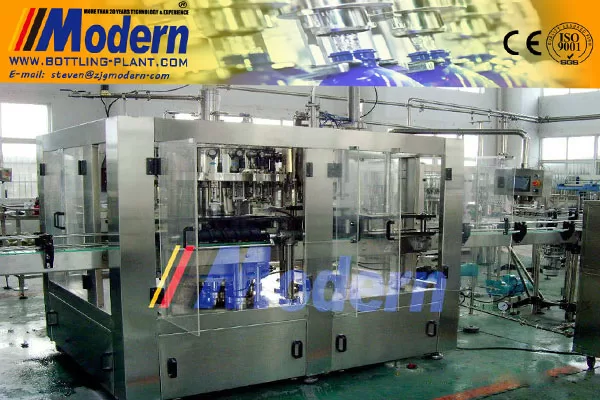
في المشهد الديناميكي للتصنيع الحديث، تعد الكفاءة والأتمتة حجر الزاوية للنجاح. ومن بين المعدات المتنوعة المستخدمة، تبرز آلات الغسيل والتعبئة والإغلاق، والتي يشار إليها غالباً بآلات WFC، لدورها الحيوي في صناعة التعبئة والتغليف. لا تعمل هذه الآلات على تبسيط العمليات فحسب، بل تعزز أيضاً الإنتاجية الإجمالية مع ضمان الامتثال التنظيمي وجودة المنتج. في هذا المقال، سنتعمق في كل مكون من مكونات هذه الآلات، وأهميتها، ورؤى عملية لتحسين استخدامها في مختلف الصناعات.
الغرض من آلات الغسيل والتعبئة والإغلاق ووظائفها
تعد عملية الغسيل والتعبئة والإغلاق أمراً بالغ الأهمية للعديد من الصناعات، بما في ذلك الأغذية والمشروبات، والأدوية، ومستحضرات التجميل، والمواد الكيميائية. تختلف متطلبات المياه والصرف الصحي بشكل كبير عبر هذه الصناعات؛ ومع ذلك، تظل الوظائف الأساسية ثابتة، وهي ضمان سلامة المنتج وصحة المستهلك. إن فهم تعقيدات كل مكون من مكونات الآلة هو المفتاح للاستفادة من قدراتها.
1. آلات الغسيل
تعمل آلات الغسيل كخط دفاع أول في الحفاظ على النظافة والتعقيم. لا يمكن المبالغة في أهمية تنظيف الزجاجات قبل التعبئة، حيث يمكن للبقايا أو الملوثات أن تضر بجودة المنتج. يمكن تكييف آلات الغسيل مع أنواع مختلفة من الحاويات، من الزجاجات الزجاجية إلى الجرار البلاستيكية، باستخدام تقنيات غسيل متنوعة.
هناك طرق غسيل متعددة يمكن استخدامها، اعتماداً على طبيعة المنتج. وتشمل هذه:
- الغسيل بالضغط العالي: يستخدم نفاثات الماء أو البخار تحت ضغط عالٍ لإزالة الملوثات الصعبة.
- التنظيف بالموجات فوق الصوتية: يستخدم موجات صوتية عالية التردد في وسط سائل تعمل على تحريك السائل وإزالة الأوساخ والبقايا.
- التنظيف في المكان (CIP): يسمح بالتنظيف الآلي للمعدات والأنابيب دون تفكيكها، مما يضمن تنظيفاً شاملاً مع توفير الوقت.
عند اختيار آلة غسيل، ضع في اعتبارك عوامل مثل نوع الحاويات المستخدمة، وتوافق المواد، وأوقات دورة التنظيف المطلوبة لتحسين كفاءة عملية الغسيل.
2. آلات التعبئة
بمجرد غسل الحاويات وتعقيمها جيداً، تكون الخطوة المنطقية التالية هي التعبئة. تعد آلات التعبئة ضرورية لضمان توزيع المنتجات بشكل صحيح وفعال في الحاويات. هناك أنواع مختلفة من آلات التعبئة التي يمكنها استيعاب منتجات مختلفة، مثل السوائل والمعاجين والمساحيق. إليك بعض الأنواع الشائعة:
- آلات التعبئة الحجمية: تستخدم تحكماً دقيقاً في الحجم لتعبئة الحاويات، وهي مناسبة للسوائل ذات اللزوجة المتسقة.
- آلات التعبئة بالجاذبية: تعتمد على الجاذبية لتوزيع المنتجات لعملية سريعة وفعالة، وهي مثالية للسوائل منخفضة اللزوجة.
- آلات التعبئة الهوائية (Pneumatic): تستخدم الهواء المضغوط لسحب المنتج وتعبئة الحاويات؛ وهي مفيدة للمنتجات التي تتطلب سرعة.
- آلات التعبئة بالمضخات: تستخدم مضخات ميكانيكية أو صحية، وهي مناسبة للمنتجات اللزجة مثل الشراب أو المستحضرات.
عند دمج آلات التعبئة، يجب على المصنعين تقييم معدل التدفق، وسعة التعبئة، وطبيعة المنتج، والدقة المطلوبة. بالإضافة إلى ذلك، فإن تكييف الآلات لتحسين الأتمتة والتكامل مع الأنظمة الحالية سيؤدي إلى كفاءة أعلى.
3. آلات الإغلاق (السد)
تكملةً لثلاثي WFC، تعد آلات الإغلاق (القفل) حاسمة في ضمان إغلاق المنتجات بإحكام داخل حاوياتها. فهي تمنع التلوث والتسرب والتلف. هناك أنواع مختلفة من طرق الإغلاق، كل منها مناسب لأنواع تغليف متميزة، مثل:
- الإغلاق بالغطاء التاجي: الأكثر شيوعاً للمشروبات الغازية، حيث يتم ضغط غطاء معدني على الحاوية.
- الإغلاق باللولب: مثالي للمنتجات في حاويات بلاستيكية أو زجاجية؛ يمكن أن تكون هذه الطريقة شبه آلية أو آلية بالكامل.
- الإغلاق بالضغط (Snap-On): شائع في صناعة الأغذية لمنتجات مثل الصلصات، حيث يتم ضغط الغطاء ببساطة على الحاوية.
عند تنفيذ آلات الإغلاق، يجب على المصنعين مراعاة عوامل مثل إعدادات عزم الدوران، ومتطلبات السرعة، والتوافق مع معادن وبلاستيك الحاويات المختلفة. الصيانة الدورية ضرورية أيضاً لضمان طول العمر والتشغيل الفعال.
تعزيز الكفاءة من خلال التكامل
يمكن أن يؤدي دمج أنظمة الغسيل والتعبئة والإغلاق إلى تبسيط عملية التصنيع الشاملة بشكل كبير. من خلال الجمع بين هذه العمليات في نظام واحد متماسك، يمكن للشركات الاستمتاع بالعديد من المزايا، بما في ذلك:
- خفض تكاليف العمالة: تقلل الأنظمة الآلية من الحاجة إلى العمل اليدوي في كل مرحلة، مما يسمح للشركات بتخصيص الموارد لمجالات أخرى.
- زيادة الاتساق: تقلل الأتمتة من الخطأ البشري، مما يضمن أن كل دورة تحافظ على معيار موحد في التنظيف والتعبئة والإغلاق.
- سرعة معززة: يمكن للآلات المتكاملة المعالجة بسرعات عالية، مما يزيد الإنتاج بشكل كبير دون التضحية بالجودة.
- رؤى تعتمد على البيانات: تولد الآلات المتقدمة بيانات قيمة عن الإنتاج يمكن أن تؤدي إلى رؤى قابلة للتنفيذ من أجل التحسين.
ومع ذلك، من الضروري التأكد من توافق الآلات مع بعضها البعض. عند تقييم خيارات التكامل، ضع في اعتبارك الأنظمة المعيارية التي يمكن توسيع نطاقها أو تقليصه بناءً على احتياجات الإنتاج.
مراقبة الجودة والامتثال
في المشهد التنظيمي اليوم، يعد الامتثال لمعايير الصحة والسلامة أمراً بالغ الأهمية. لا يتعين على المصنعين ضمان سلامة منتجاتهم للاستهلاك فحسب، بل يجب عليهم أيضاً الالتزام بالمبادئ التوجيهية الصارمة التي وضعتها السلطات. إن دمج آليات قوية لمراقبة الجودة في آلات الغسيل والتعبئة والإغلاق يضع الأساس لتلبية هذه المتطلبات.
إن تنفيذ عمليات فحص في كل مرحلة، مثل التحقق من نظافة الحاويات بعد الغسيل، وضمان مستويات تعبئة دقيقة، وتدقيق الأختام على الحاويات المغلقة، يساهم في ضمان الجودة والامتثال التنظيمي.
التدريب والصيانة: اعتبارات رئيسية
لتحقيق أقصى استفادة من آلات الغسيل والتعبئة والإغلاق، يوصى بشدة بتوفير تدريب مستمر للمشغلين. فالموظفون المدربون جيداً يمكنهم استكشاف المشكلات وإصلاحها بشكل أفضل وتحسين أداء الآلات. يجب وضع جداول صيانة دورية لمنع تعطل الآلات وتوقف العمل، وهو أمر قد يكون ضاراً للغاية في بيئات العمل سريعة الوتيرة. يجب أن يتضمن برنامج الصيانة ما يلي:
- عمليات فحص روتينية لعمليات الغسيل والتعبئة والإغلاق.
- بروتوكولات تنظيف منتظمة لتجنب التلوث.
- معايرة الآلات للحفاظ على دقة القياس.
الاتجاهات المستقبلية في تقنيات الغسيل والتعبئة والإغلاق
مع تطور الصناعات، ستتكيف تقنيات الغسيل والتعبئة والإغلاق أيضاً. تشمل بعض الاتجاهات المستقبلية ما يلي:
- الأتمتة الذكية: سيسمح دمج إنترنت الأشياء (IoT) بالمراقبة الفورية للآلات والصيانة التنبؤية.
- مبادرات الاستدامة: هناك توجه متزايد نحو المواد والعمليات الصديقة للبيئة، مما يؤدي إلى تطورات في التغليف القابل للتحلل الحيوي وأنظمة الغسيل الموفرة للمياه.
- التخصيص: يؤدي الطلب المتزايد على المنتجات المخصصة إلى زيادة الحاجة إلى آلات مرنة يمكنها التكيف بسرعة مع متطلبات المنتجات المختلفة.
الخلاصة
تلعب آلات الغسيل والتعبئة والإغلاق دوراً محورياً للمصنعين الذين يهدفون إلى إنتاج منتجات عالية الجودة ومتوافقة مع المعايير. ومع استمرار تقدم التكنولوجيا، فإن دمج هذه الآلات في عملية مبسطة لا يعزز الكفاءة التشغيلية فحسب، بل يمهد الطريق أيضاً للابتكار المستمر في ممارسات التغليف. إن المصنعين الذين يظلون استباقيين في تبني أفضل الممارسات ومواكبة الاتجاهات التكنولوجية سيضعون أنفسهم في مكانة متميزة في سوق تنافسية.
باختصار، إن فهم الفوائد المتعددة لهذه الآلات، بدءاً من ضمان سلامة المنتج من خلال الغسيل الفعال وصولاً إلى تحقيق الكفاءة التشغيلية عبر الأتمتة، يمكن أن يمكّن الشركات من اتخاذ قرارات مستنيرة تؤدي إلى نجاح دائم.


