شهدت صناعة النبيذ نمواً ملحوظاً على مدى العقد الماضي، مع ظهور عدد متزايد من مزارع الكروم ومصانع النبيذ في جميع أنحاء العالم. ومع توسع هذا السوق، زاد الطلب على آلات تعبئة النبيذ عالية الكفاءة والجودة. تلعب هذه الآلات دوراً حيوياً في ضمان تعبئة النبيذ وحفظه بسلاسة، مما يسهل التجارة العالمية والوصول إلى الأسواق. يتناول هذا المقال أبعاداً مختلفة لآلات تعبئة النبيذ، ويناقش أحدث الابتكارات، ويقدم رؤى عملية للشركات العاملة في عمليات إنتاج وتعبئة النبيذ.
فهم آلات تعبئة النبيذ
آلات تعبئة النبيذ هي معدات متخصصة تُستخدم لتعبئة زجاجات النبيذ بدقة، مما يقلل من الأكسدة ويحافظ على الجودة. تُعد عملية التعبئة أمراً بالغ الأهمية لأنها تؤثر بشكل مباشر على العمر الافتراضي للمنتج ونكهته. تلبي الأنواع المختلفة من آلات التعبئة احتياجات متنوعة داخل صناعة النبيذ، مما يسمح للمنتجين باختيار نظام يتوافق مع حجم عملياتهم وميزانيتهم وأهداف الإنتاج الخاصة بهم.
أنواع آلات تعبئة النبيذ
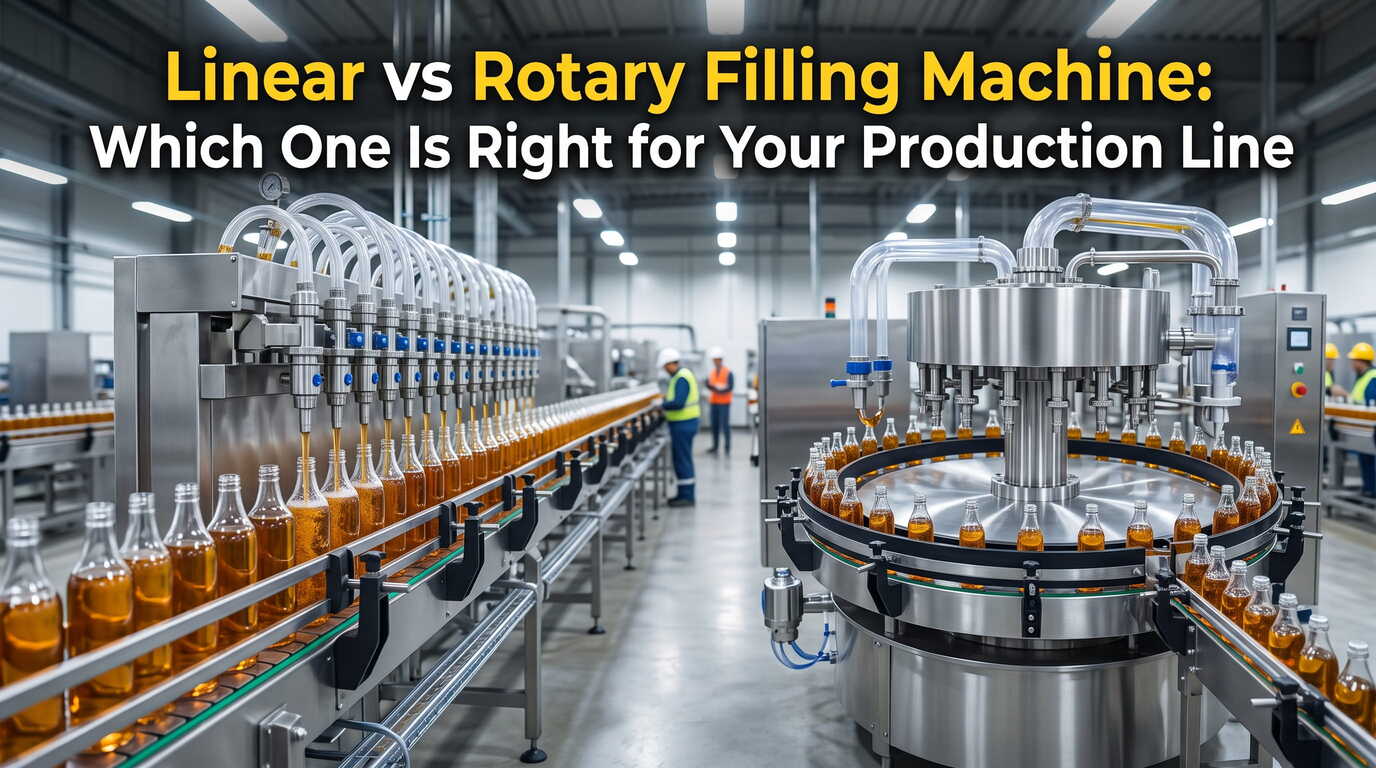
توجد بشكل أساسي ثلاثة أنواع من آلات تعبئة النبيذ التي تلبي احتياجات أحجام الإنتاج المختلفة:
- آلات التعبئة اليدوية: تعتبر آلات التعبئة اليدوية مثالية لمصانع النبيذ الصغيرة، وتوفر البساطة وفعالية التكلفة. وعلى الرغم من أنها تتطلب المزيد من العمالة والوقت، إلا أنها تسمح بالتحكم الدقيق في عملية التعبئة.
- آلات التعبئة شبه الأوتوماتيكية: تحقق هذه الآلات توازناً بين الخيارات اليدوية والأوتوماتيكية بالكامل. فهي لا تزال تتطلب بعض المساعدة اليدوية ولكنها تقوم بأتمتة عملية التعبئة إلى حد كبير، مما يعزز السرعة والكفاءة.
- آلات التعبئة الأوتوماتيكية بالكامل: صُممت الآلات الأوتوماتيكية بالكامل للإنتاج على نطاق واسع، وتسهل التشغيل عالي السرعة مع الحد الأدنى من التدخل البشري. وغالباً ما تكون مجهزة بميزات إضافية مثل شطف الزجاجات وآلات السد، مما يضمن عملية تعبئة سلسة.
الابتكارات في تكنولوجيا تعبئة النبيذ
لقد كان تطور آلات تعبئة النبيذ مدفوعاً بابتكارات تكنولوجية تهدف إلى تحسين الكفاءة والجودة. فيما يلي بعض التطورات المهمة التي تجدر ملاحظتها:
1. دقة وتحكم معززان
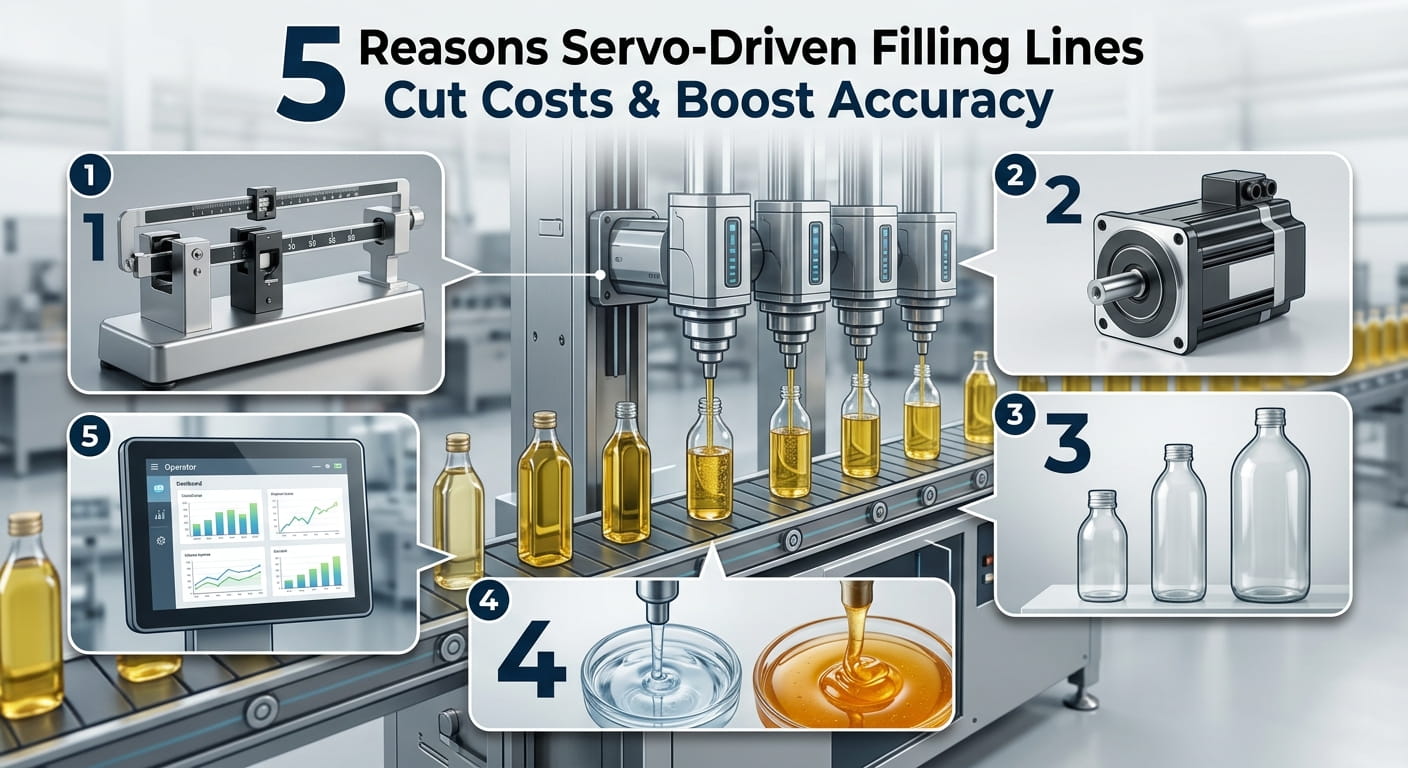
تستخدم آلات تعبئة النبيذ الحديثة أجهزة استشعار متطورة وتكنولوجيا أتمتة لضمان التعبئة الدقيقة. هذا المستوى من الدقة ضروري للحفاظ على الاتساق بين الدفعات ومنع الهدر الناتج عن التعبئة الزائدة أو الناقصة.
2. واجهات سهلة الاستخدام
تتميز الآلات المعاصرة بواجهات بديهية تسمح للمشغلين بمراقبة عملية التعبئة والتحكم فيها بسهولة. توفر شاشات اللمس بيانات في الوقت الفعلي، مما يسهل التنقل في الإعدادات واستكشاف المشكلات وإصلاحها.
3. تقنيات تقليل الأكسدة
لتحقيق أفضل نكهة، تدمج آلات التعبئة المتطورة تقنيات تقلل من تعرض النبيذ للأكسجين أثناء عملية التعبئة. تساعد تقنيات مثل التعبئة بالتفريغ وتطهير الغاز الخامل في الحفاظ على جودة النبيذ وإطالة عمره الافتراضي.
4. مبادرات الاستدامة
مع تزايد المخاوف البيئية، حول العديد من المصنعين تركيزهم نحو الاستدامة. صُممت آلات تعبئة النبيذ الحديثة لتقليل استهلاك الطاقة والنفايات، بما يتماشى مع أهداف الاستدامة العالمية.
رؤى عملية لاختيار آلات تعبئة النبيذ
يمكن أن يؤثر اختيار آلة تعبئة النبيذ المناسبة بشكل كبير على عملية الإنتاج الخاصة بك. فيما يلي بعض النصائح العملية التي يجب مراعاتها عند اتخاذ هذا القرار:
1. تحديد احتياجات الإنتاج
قم بتقييم حجم إنتاجك الحالي والمتوقع لاختيار آلة تلبي متطلباتك المحددة. قد تستفيد مصانع النبيذ الصغيرة من الآلات اليدوية أو شبه الأوتوماتيكية، بينما يجب على المؤسسات الأكبر التفكير في الخيارات الأوتوماتيكية بالكامل لزيادة الكفاءة.
2. تقييم ميزات مراقبة الجودة
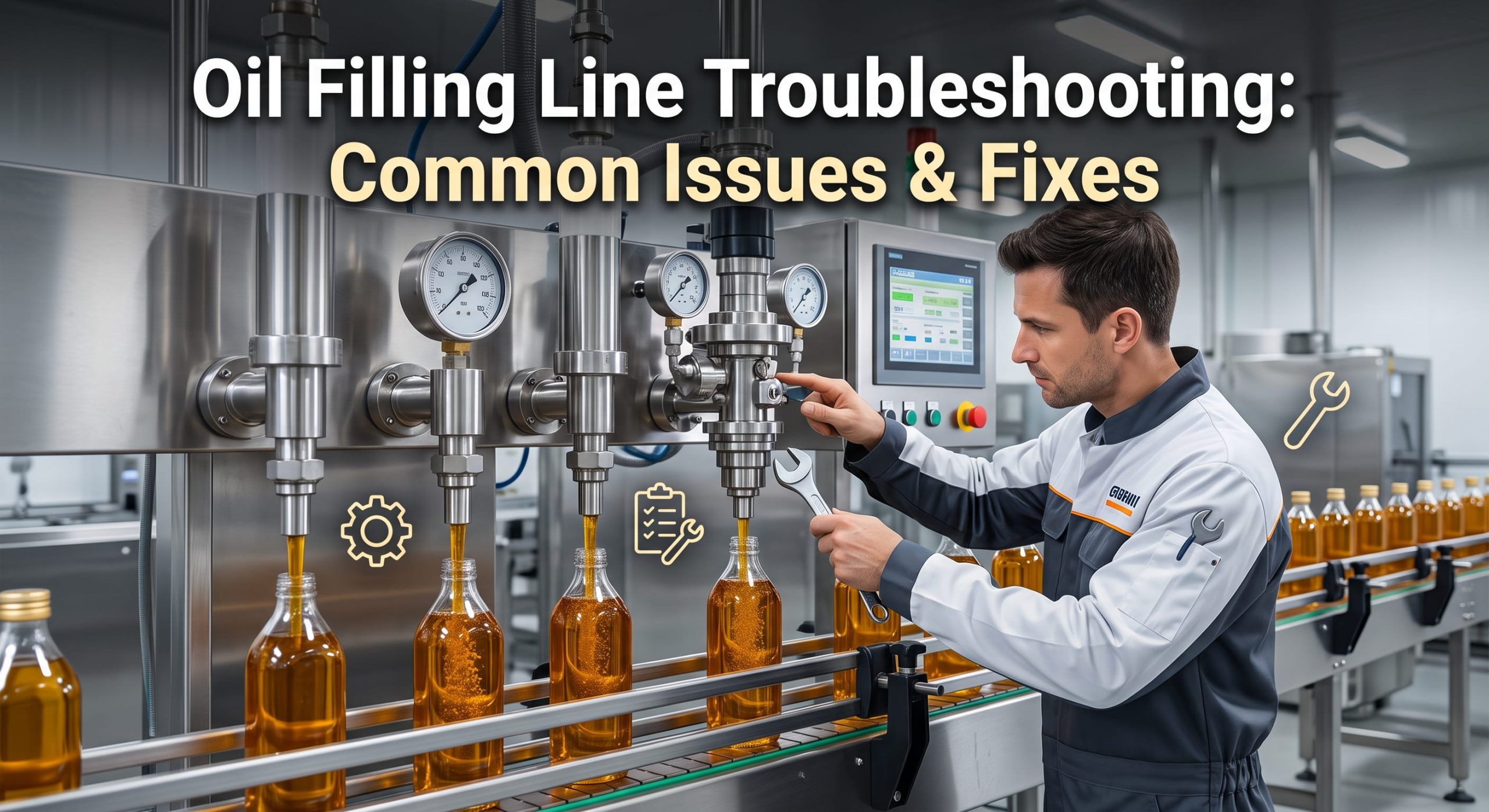
ابحث عن الآلات التي توفر ميزات متقدمة لمراقبة الجودة. يمكن أن تساعد أجهزة الاستشعار وأنظمة المراقبة الآلية في اكتشاف المشكلات في الوقت الفعلي، مما يسمح بإجراء تعديلات فورية لتقليل الهدر والحفاظ على جودة المنتج.
3. النظر في سهولة الصيانة
اختر الآلات التي يسهل تنظيفها وصيانتها. الصيانة الدورية ضرورية لضمان طول العمر والكفاءة التشغيلية. ابحث عن الآلات ذات الأجزاء القابلة للإزالة والمناطق التي يسهل الوصول إليها والتي تبسط عملية التنظيف.
4. تقييم التوافق مع التغليف
يجب أن تكون آلة تعبئة النبيذ الخاصة بك متوافقة مع مواد التغليف التي تنوي استخدامها، سواء كانت زجاجات زجاجية أو علب أو عبوات بديلة. قم بتقييم ما إذا كانت الآلة يمكنها استيعاب أحجام وأشكال الزجاجات المفضلة لديك.
5. اعتبارات الميزانية
على الرغم من أنه قد يكون من المغري اختيار أرخص طراز متاح، إلا أن الاستثمار في آلة تعبئة نبيذ عالية الجودة يمكن أن يوفر المال على المدى الطويل. ضع في اعتبارك عوامل مثل المتانة والميزات الإضافية وكفاءة الطاقة عند وضع ميزانيتك النهائية.
التجارة العالمية وآلات تعبئة النبيذ
مع زيادة إنتاج النبيذ في جميع أنحاء العالم، توسعت إمكانات تصدير النبيذ بشكل كبير. يعد فهم دور آلات تعبئة النبيذ ضمن إطار التجارة العالمية أمراً ضرورياً للمنتجين الذين يتطلعون إلى دخول الأسواق الدولية.
1. الامتثال للوائح التغليف
لدى الدول لوائح محددة فيما يتعلق بتغليف وتوسيم منتجات النبيذ. يجب أن تستوعب آلات تعبئة النبيذ هذه المتطلبات لتسهيل الدخول السلس إلى الأسواق الخارجية. يمكن أن يؤدي فهم هذه اللوائح إلى منع التأخير المكلف في الشحن والتوزيع.
2. اعتبارات سلسلة التوريد
يحتاج المنتجون إلى التفكير في سلسلة التوريد الخاصة بهم عند الاستثمار في تكنولوجيا تعبئة النبيذ. يمكن للخدمات اللوجستية وقنوات التوزيع القوية أن تعزز الكفاءة، ويعد اختيار الآلات التي تتوافق مع استراتيجية سلسلة التوريد الخاصة بك أمراً بالغ الأهمية.
3. الحساسيات والاتجاهات الثقافية
يمكن أن يساعد فهم الاختلافات الثقافية واتجاهات استهلاك النبيذ في تصميم عمليات التعبئة. قد تختلف تفضيلات السوق بين المناطق، مما يستلزم المرونة في قدرات الإنتاج.
الخلاصة
تشهد صناعة آلات تعبئة النبيذ تطوراً سريعاً مدفوعاً بالتقدم التكنولوجي وتغير متطلبات السوق. إن فهم الخيارات المتاحة واتخاذ قرارات مدروسة بشأن الآلات يمكن أن يحسن بشكل كبير من كفاءة الإنتاج وجودة المنتج. ومع استمرار نمو التجارة العالمية، سيكون التكيف مع احتياجات الأسواق الدولية أمراً أساسياً للنجاح. ومن خلال إعطاء الأولوية للابتكار ومراقبة الجودة والاستدامة، يمكن لمنتجي النبيذ ترسيخ مكانتهم كقادة في الساحة الدولية التنافسية.
في عصر الوعي المتزايد حول عمليات الإنتاج وريادة الأعمال البيئية، يجسد الجيل الجديد من آلات تعبئة النبيذ وعداً بالكفاءة والجودة دون المساومة على الاستدامة. وبالتالي، فإن الاستثمار في التكنولوجيا المناسبة ليس مجرد قرار تجاري، بل هو أيضاً خطوة نحو دمج الممارسات الحديثة في فن صناعة النبيذ العريق.