شهدت صناعة العصائر مسار نمو هائل على مدى السنوات القليلة الماضية، مدفوعة بزيادة طلب المستهلكين على المشروبات الطازجة والبدائل الصحية للمشروبات السكرية. ومع دخول الشركات إلى هذا السوق المربح، يصبح تأمين آلات فعالة أمراً بالغ الأهمية. وتعد آلة تعبئة العصير قطعة أساسية من المعدات في هذا المجال. تهدف هذه المقالة إلى تحليل العوامل التي تؤثر على أسعار آلات تعبئة العصير، والأنواع المتاحة، وتقديم إرشادات لاتخاذ قرارات شراء مستنيرة.
العوامل المؤثرة على أسعار آلات تعبئة العصير
عند التفكير في اقتناء آلة تعبئة عصير، من الضروري فهم العوامل المختلفة التي تساهم في تحديد سعرها. فيما يلي المتغيرات الأساسية التي تحدد تكلفة هذه الآلات:
1. نوع الآلة
تأتي آلات تعبئة العصير في عدة أنواع، صُمم كل منها لتلبية احتياجات إنتاجية محددة. تشمل الأنواع الأكثر شيوعاً ما يلي:
- آلات التعبئة بالجاذبية: تعتبر هذه الآلات عموماً ميسورة التكلفة، وتستخدم الجاذبية لملء العبوات. وهي مثالية للسوائل منخفضة اللزوجة، لكنها قد تفتقر إلى السرعة المطلوبة لخطوط الإنتاج ذات الطلب المرتفع.
- آلات التعبئة الهوائية (Pneumatic): تستخدم هذه الآلات الهواء المضغوط، وتوفر مرونة أكبر وهي مناسبة لمختلف لزوجات السوائل. وتميل إلى أن تكون ذات سعر أعلى بسبب آلياتها المتقدمة.
- آلات التعبئة بالتفريغ الهوائي: صُممت هذه الآلات لتعبئة المنتجات الحساسة، ويمكن أن تكون أغلى ثمناً ولكنها ضرورية للحفاظ على جودة العصير.
- الآلات الأوتوماتيكية مقابل شبه الأوتوماتيكية: تكلف الآلات الأوتوماتيكية، التي تتطلب تدخلاً بشرياً أقل، أكثر من نظيراتها شبه الأوتوماتيكية بسبب تقنيتها المتطورة وقدراتها الإنتاجية الأعلى.
2. القدرة الإنتاجية
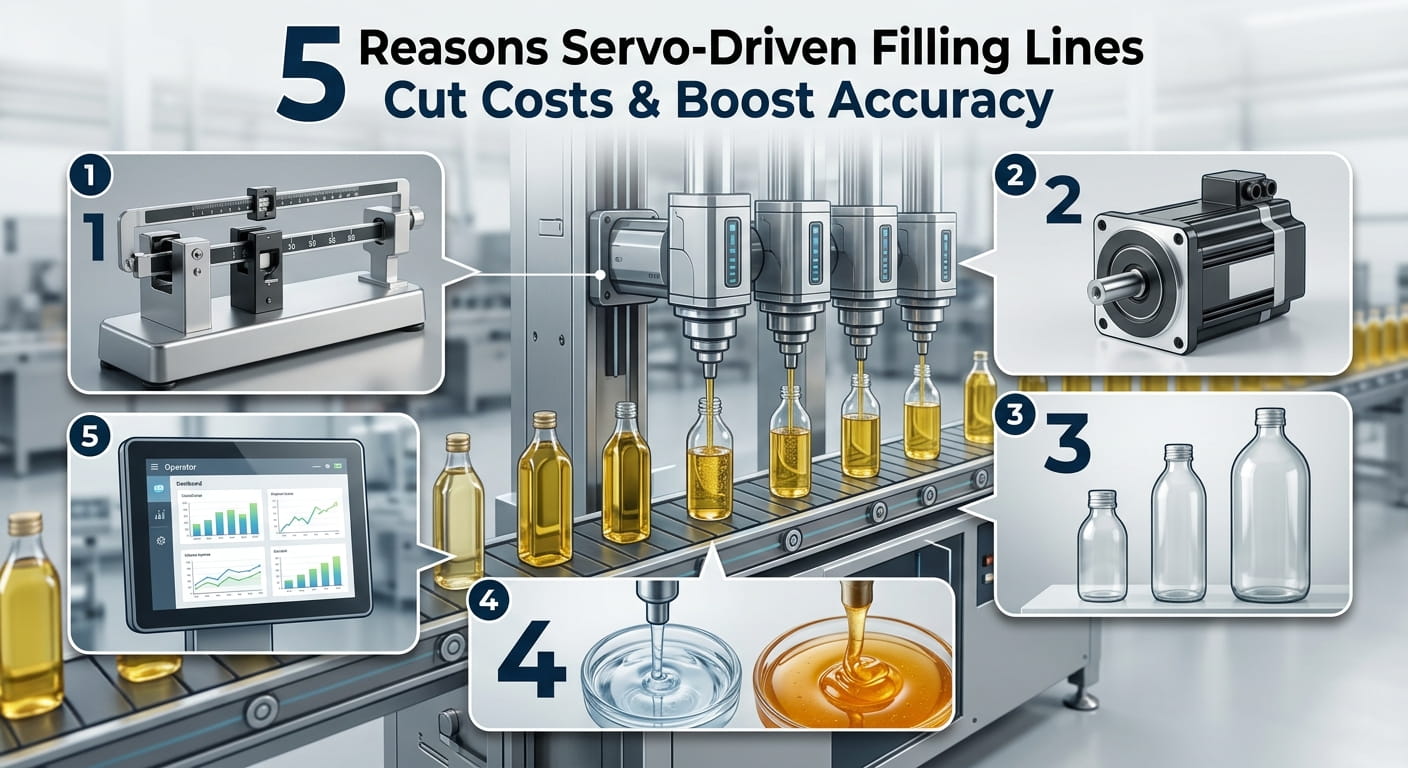
تؤثر إنتاجية الآلة بشكل كبير على سعرها. فالآلات القادرة على تعبئة كميات أكبر من العصير في فترة زمنية أقصر غالباً ما تكون أغلى ثمناً. يجب على الشركات التفكير بعناية في احتياجات الإنتاج الخاصة بها؛ فقد يؤدي الاستثمار في آلة ذات سعة عالية إلى توفير المال على المدى الطويل، لكنه يتطلب تكلفة أولية أعلى.
3. جودة المواد
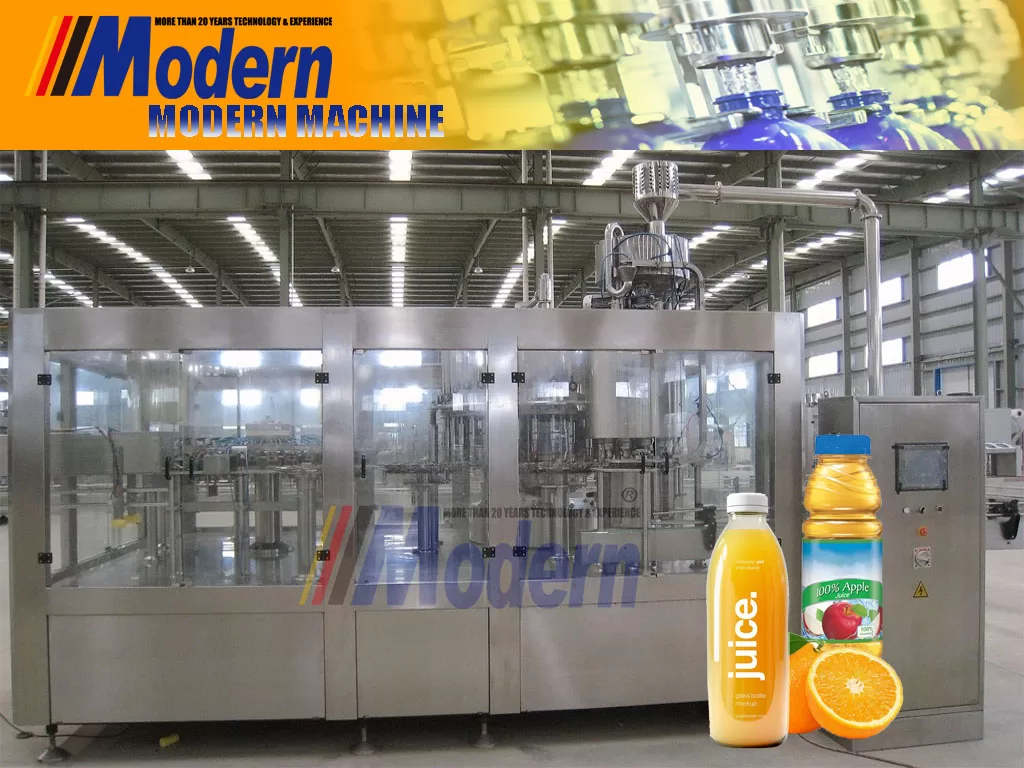
تؤثر المواد المستخدمة في تصنيع آلات التعبئة بشكل كبير على متانتها واحتياجات صيانتها. الفولاذ المقاوم للصدأ (ستانلس ستيل)، المعروف بمقاومته للتآكل ونظافته، هو مادة شائعة في الآلات عالية الجودة. وعلى العكس من ذلك، قد تأتي الآلات المصنوعة من مواد منخفضة الجودة بسعر أقل ولكنها قد تتكبد تكاليف إصلاح أعلى بمرور الوقت.
4. الميزات التكنولوجية
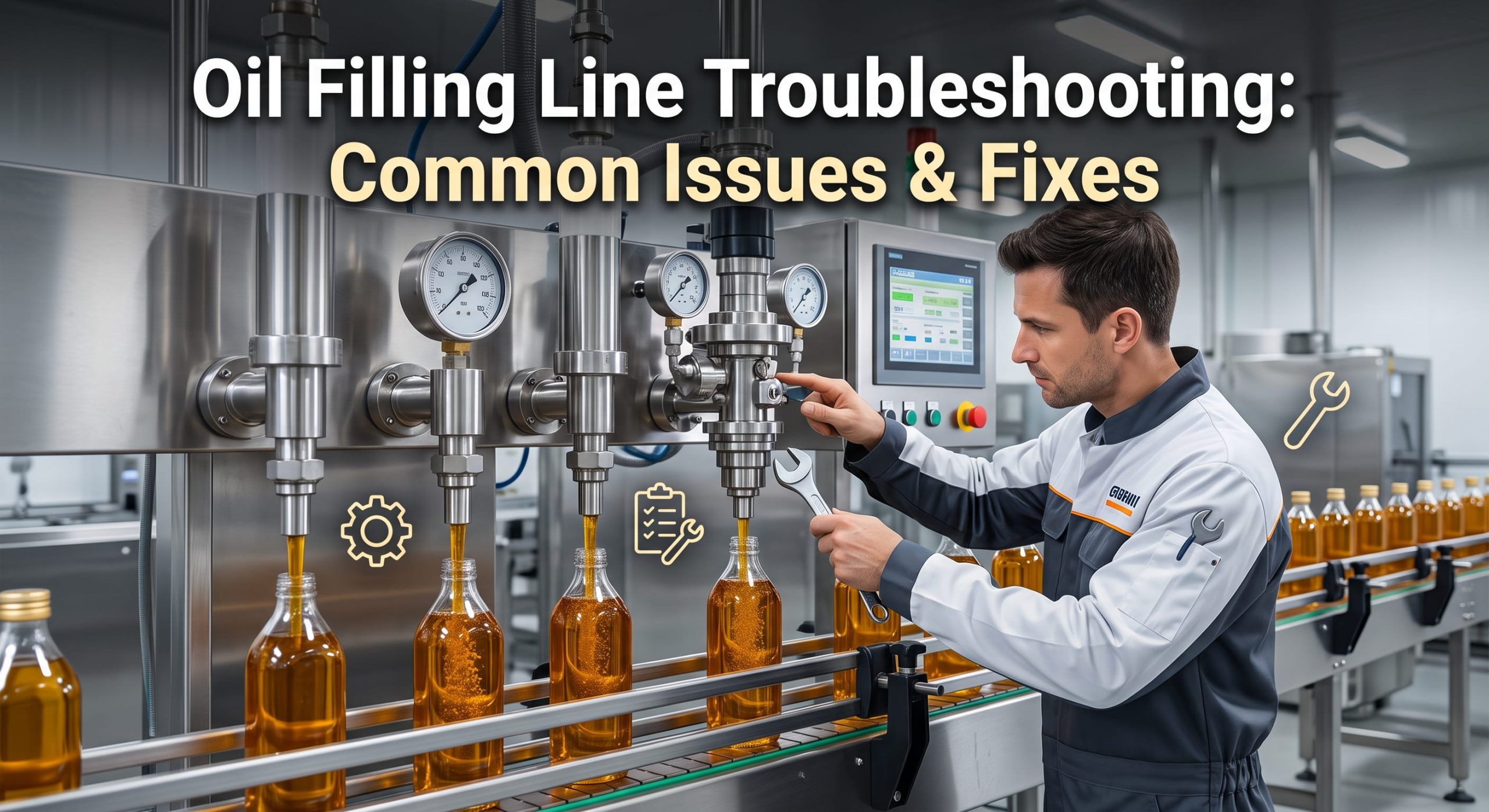
تأتي آلات تعبئة العصير الحديثة مجهزة بتكنولوجيا متقدمة، بما في ذلك وحدات التحكم المنطقي القابلة للبرمجة (PLC)، وشاشات اللمس، وأنظمة الغسيل الآلي. وفي حين أن هذه الميزات تعزز الكفاءة وسهولة الاستخدام، فإنها ترفع أيضاً من سعر الشراء الأولي. يجب على المشترين المحتملين تقييم التحسينات التكنولوجية الضرورية لعملياتهم.
5. سمعة العلامة التجارية
كما هو الحال مع أي معدات صناعية، تلعب سمعة الشركة المصنعة دوراً مهماً في التسعير. غالباً ما تفرض العلامات التجارية الراسخة أسعاراً أعلى بسبب سجلها الحافل بالجودة والموثوقية. قد يؤدي الاستثمار في علامة تجارية محترمة إلى انخفاض تكاليف التشغيل والحصول على دعم أفضل للعملاء في المستقبل.
أنواع آلات تعبئة العصير
يعتمد اختيار آلة تعبئة العصير المناسبة بشكل كبير على نوع العصير الذي يتم تعبئته وحجم الإنتاج.
1. التعبئة الساخنة مقابل التعبئة الباردة
تختلف آلات تعبئة العصير بناءً على عملية التعبئة. تتضمن آلات التعبئة الساخنة تسخين العصير إلى درجة حرارة معينة قبل التعبئة، مما يحافظ على مدة الصلاحية دون الحاجة إلى مواد حافظة. غالباً ما تتطلب هذه الطريقة تكنولوجيا أكثر تطوراً، مما يؤدي إلى أسعار أعلى. من ناحية أخرى، تحافظ آلات التعبئة الباردة على درجة حرارة أقل وقد تكون أكثر ملاءمة للمنتجات التي تخضع للبسترة أولاً.
2. الأنظمة المستقلة مقابل الأنظمة المدمجة (Inline)
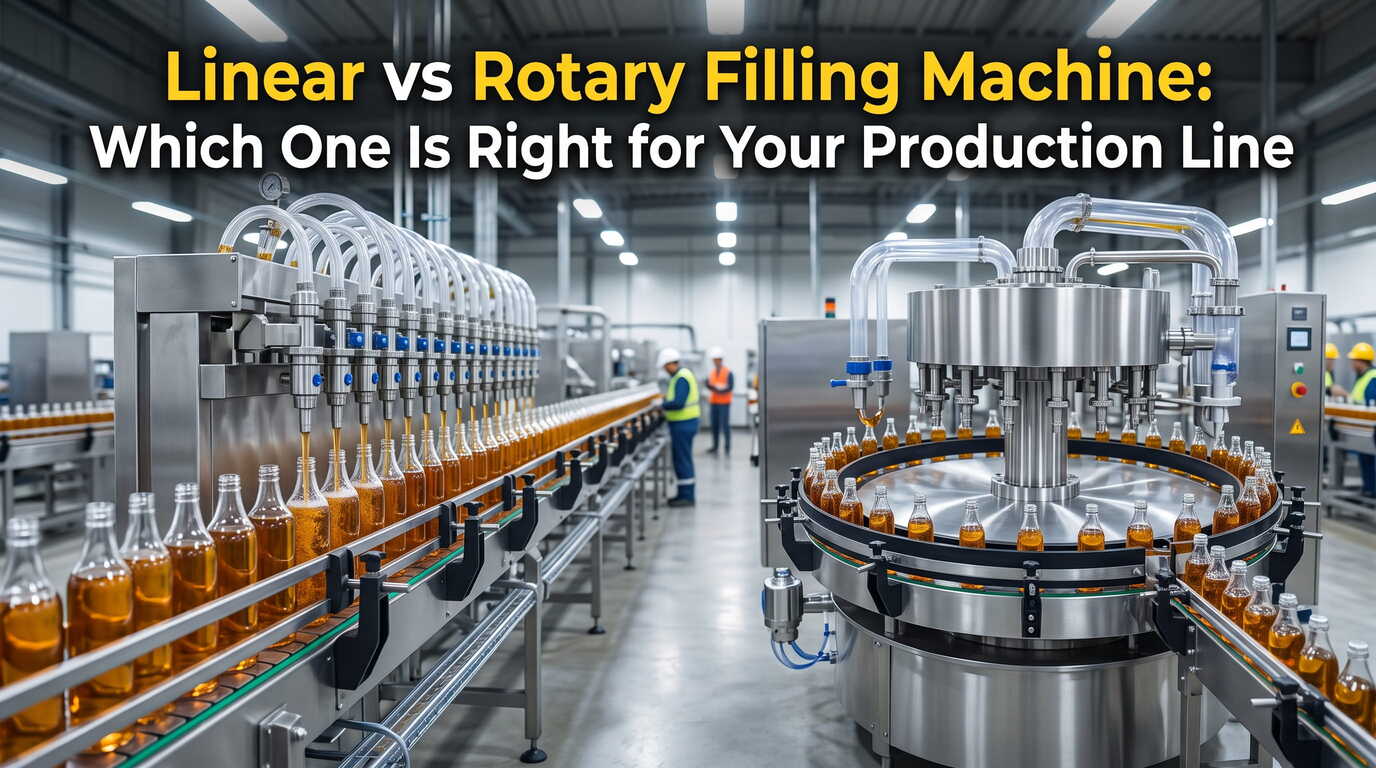
تعتبر آلات التعبئة المستقلة مثالية للعمليات الصغيرة أو الشركات التي تدخل السوق للتو. وعادة ما تتميز بتكاليف أقل وتشغيل أبسط. أما الأنظمة المدمجة فتتكامل مع معدات الإنتاج الأخرى وهي مصممة للعمليات واسعة النطاق، مما يوفر سرعات أعلى وكفاءة أكبر ولكن بسعر أولي أعلى.
اعتبارات الشراء
يعد الحصول على آلة تعبئة عصير استثماراً كبيراً؛ لذا يجب على الشركات التفكير بعناية في عدة عوامل قبل إجراء عملية الشراء.
1. تقييم احتياجات الإنتاج
قبل التعامل مع مورد، حدد بوضوح متطلبات الإنتاج، بما في ذلك المخرجات المطلوبة، وأنواع العصائر، وأحجام الزجاجات. سيساعد هذا في تضييق نطاق الخيارات وجعل عملية الاختبار أكثر كفاءة.
2. ابحث عن الموردين
استكشف العديد من الموردين لقياس معايير الصناعة والأسعار التنافسية. اطلب عروض الأسعار، وكن مستعداً للتفاوض بناءً على الميزات وشروط الضمان. بالإضافة إلى ذلك، اقرأ المراجعات وابحث عن توصيات لضمان أن المورد الذي اخترته يتمتع بسمعة طيبة.
3. تقييم خدمة ما بعد البيع والدعم
يمكن أن تؤثر خدمة ما بعد البيع بشكل كبير على التكلفة الإجمالية لامتلاك آلة تعبئة العصير الخاصة بك. استفسر عن الضمان المقدم، وخدمات الصيانة المتاحة، ومدى توفر قطع الغيار. يمكن لدعم العملاء الجيد أن يقلل بشكل كبير من وقت التوقف عن العمل ويطيل عمر المعدات.
4. التجربة والاختبار
كلما أمكن، قم بإجراء تجارب على الآلات التي تفكر فيها. يتيح اختبار المعدات بشكل مباشر للمشغلين تقييم سهولة الاستخدام والسرعة والأداء العام في ظروف واقعية. قد يسمح بعض الموردين بخيار التأجير المنتهي بالتملك، مما يوفر المرونة لضمان أن الآلة تلبي متطلبات تشغيلية محددة.
الخلاصة
الاستثمار في آلة تعبئة العصير لا يتعلق فقط بالوظيفة؛ بل هو قرار استراتيجي سيؤثر على كفاءة عملك وجودته واستدامته في سوق العصائر التنافسي. إن فهم العوامل المختلفة التي تؤثر على أسعار آلات تعبئة العصير بالإضافة إلى الأنواع المختلفة المتاحة أمر حيوي لاتخاذ خيار مستنير. من خلال تقييم قدرات الإنتاج، وإجراء بحث شامل عن الموردين، والنظر في دعم ما بعد البيع، يمكن للشركات التأكد من اختيار الآلات المناسبة لتلبية احتياجاتها بفعالية مع الحفاظ على الربحية على المدى الطويل.
مع استمرار تطور تفضيلات المستهلكين، يعد تجهيز منشأتك بآلة تعبئة عصير فعالة أمراً بالغ الأهمية للاستفادة من اتجاهات ومتطلبات الصناعة. بفضل هذه المعرفة الشاملة المتاحة لك، أصبحت الآن مجهزاً بشكل أفضل للتنقل في عملية اختيار وشراء آلات تعبئة العصير.