
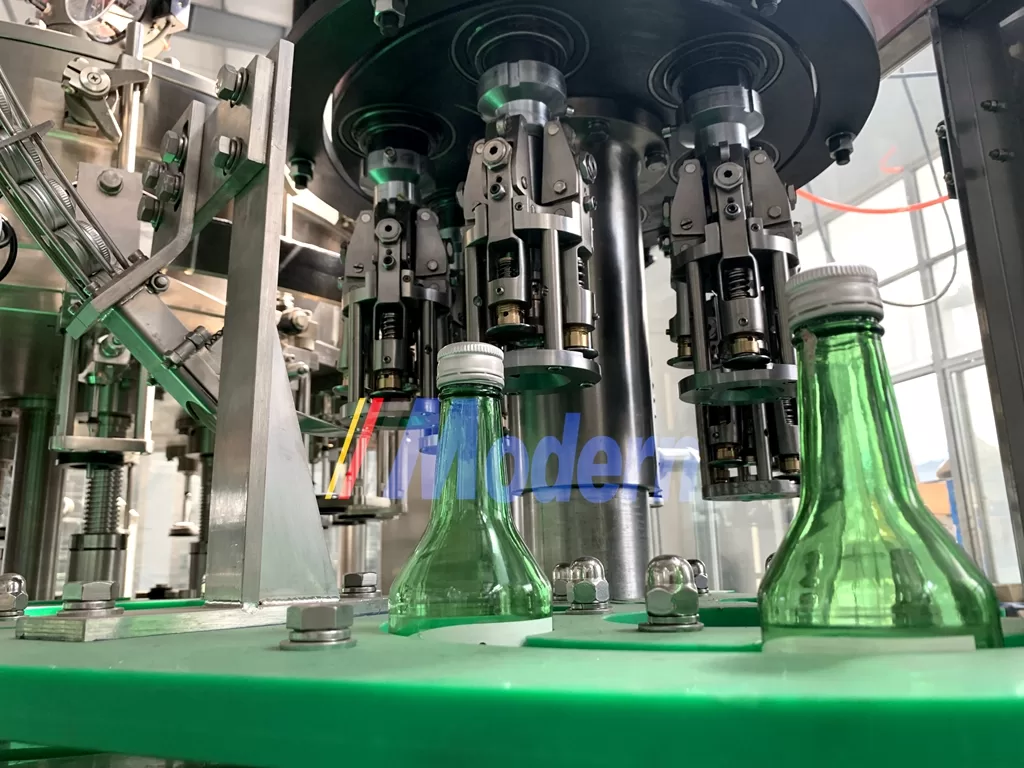
في عصر تفرض فيه الراحة والكفاءة متطلبات المستهلك، تسعى صناعة المشروبات باستمرار إلى إيجاد حلول مبتكرة لتبسيط الإنتاج. وقد برزت آلات تعبئة المياه كمعدات أساسية في هذا المشهد، حيث لا تلبي احتياجات السوق المتنامية للمياه المعبأة فحسب، بل تشمل أيضاً مجموعة متنوعة من المشروبات الأخرى. يتعمق هذا المقال الشامل في أهمية آلات تعبئة المياه، وأنواعها، ووظائفها، وفوائدها، وأفضل الممارسات لدمجها في خطوط الإنتاج.
فهم آلات تعبئة المياه
آلات تعبئة المياه هي معدات متخصصة مصممة لملء الحاويات - سواء كانت زجاجات أو أكياس أو أي نوع آخر من التغليف - بالمياه أو المشروبات. يمكن لهذه الآلات أن تعمل على مستويات مختلفة، بدءاً من الأجهزة اليدوية صغيرة الحجم وصولاً إلى الأنظمة الآلية الكبيرة القادرة على التعامل مع آلاف الحاويات في الساعة. وتتمثل وظيفتها الأساسية في ضمان تعبئة المنتجات بدقة وسرعة، مع الالتزام بمعايير عالية من النظافة والكفاءة.
أنواع آلات تعبئة المياه
يعد فهم الأنواع المختلفة لآلات تعبئة المياه أمراً بالغ الأهمية لاتخاذ قرارات شراء مستنيرة. فيما يلي الأنواع الرئيسية:
- آلات التعبئة بالجاذبية: هذه هي أبسط أنواع آلات التعبئة التي تعتمد على الجاذبية لملء الحاويات. تعتبر آلات التعبئة بالجاذبية مثالية للسوائل منخفضة اللزوجة، وهي فعالة من حيث التكلفة وسهلة التشغيل.
- آلات التعبئة الهوائية (Pneumatic): باستخدام الهواء المضغوط، تستطيع آلات التعبئة الهوائية التعامل مع مجموعة من لزوجة السوائل وتشتهر بدقتها، مما يجعلها مناسبة للسوائل السميكة والخفيفة على حد سواء.
- آلات التعبئة الحجمية: تقوم هذه الآلات بقياس كمية المياه حسب الحجم، مما يضمن حصول كل حاوية على تعبئة متسقة. غالباً ما تُستخدم آلات التعبئة الحجمية في بيئات الإنتاج عالية السرعة.
- آلات التعبئة بالفيض (Overflow Filling Machines): صُممت آلات التعبئة بالفيض لضمان ملء الحاويات إلى مستوى دقيق، وتعمل من خلال السماح للسائل الزائد بالفيض، مما يضمن التوحيد في التعبئة.
- آلات التعبئة بالضغط: تُستخدم هذه الآلات عادةً للمشروبات الغازية، حيث تقوم بملء الزجاجات تحت الضغط لتجنب تكوّن الرغوة والحفاظ على جودة المشروب.
الفوائد الرئيسية لآلات تعبئة المياه
يمكن أن يؤدي الاستثمار في آلة تعبئة المياه إلى فوائد متعددة، مما يعزز بشكل كبير من قدرة الإنتاج وكفاءته. تشمل بعض المزايا الرئيسية ما يلي:
1. زيادة كفاءة الإنتاج
الميزة الأكثر وضوحاً لآلات تعبئة المياه هي قدرتها على زيادة كفاءة الإنتاج في المنشأة بشكل كبير. يمكن للآلات الآلية ملء العديد من الحاويات في جزء بسيط من الوقت الذي تستغرقه التعبئة اليدوية، مما يعزز الإنتاجية الإجمالية بشكل كبير.
2. الاتساق ومراقبة الجودة
أحد التحديات التي تواجه إنتاج المشروبات هو الحفاظ على الاتساق. تستخدم آلات تعبئة المياه أنظمة قياس دقيقة تضمن تعبئة كل حاوية بشكل موحد، مما يقلل من الهدر ويضمن جودة المنتج. هذا المستوى من الاتساق أمر بالغ الأهمية لرضا المستهلك وسمعة العلامة التجارية.
3. معايير نظافة معززة
تم تصميم آلات تعبئة المياه الحديثة مع مراعاة النظافة. تتميز العديد من الآلات بمواد سهلة التنظيف والتعقيم، وتلتزم بلوائح صحية صارمة. وهذا مهم بشكل خاص في الصناعات التي قد يشكل فيها التلوث مخاطر جسيمة على المستهلكين.
4. التنوع
تتميز آلات تعبئة المياه بتعدد استخداماتها بشكل لا يصدق، حيث يمكنها ملء مجموعة متنوعة من السوائل، بما في ذلك المياه المنكهة والعصائر وغيرها من المشروبات غير الغازية. تسمح هذه القدرة على التكيف للمصنعين بتنويع خطوط إنتاجهم دون استثمارات إضافية كبيرة.
5. توفير التكاليف
على الرغم من أن الاستثمار الأولي في آلات تعبئة المياه قد يبدو كبيراً، إلا أن التوفير طويل الأجل في تكاليف العمالة، وتقليل الهدر، وزيادة قدرات الإنتاج يقدم حجة مقنعة لهذا الاستثمار. غالباً ما تؤدي الأنظمة الآلية إلى انخفاض تكاليف التشغيل الإجمالية.
اعتبارات عملية عند اختيار آلة تعبئة المياه
عند التفكير في اقتناء آلة تعبئة المياه، يحتاج المصنعون إلى مراعاة العديد من العوامل التي قد تؤثر على عملياتهم:
1. حجم الإنتاج
يعد فهم حجم إنتاجك أمراً بالغ الأهمية في اختيار الآلة المناسبة. قد تكون آلة التعبئة ذات السعة العالية ضرورية للعمليات الأكبر، بينما قد تجد الشركات الصغيرة أن النظام متوسط المدى أو حتى اليدوي كافٍ لاحتياجاتها.
2. نوع السائل
يؤثر نوع السائل المراد تعبئته بشكل كبير على اختيار تقنية التعبئة. على سبيل المثال، قد تتطلب السوائل الأكثر سمكاً آلات تعبئة هوائية أو حجمية، بينما يمكن التعامل مع السوائل الأخف بكفاءة بواسطة آلات التعبئة بالجاذبية.
3. أنواع الحاويات
ضع في اعتبارك أنواع الحاويات المستخدمة في خط الإنتاج الخاص بك. بعض الآلات أكثر ملاءمة لأشكال وأحجام حاويات معينة، مما قد يؤثر على سرعة التعبئة ودقتها.
4. قيود الميزانية
تلعب الميزانية دوراً حيوياً في عملية الاختيار. قم بتقييم كل من الاستثمارات الأولية وتكاليف التشغيل المستمرة لتحديد الخيار الأكثر جدوى دون المساومة على الجودة أو الكفاءة.
5. الصيانة والدعم
اختر آلة تعبئة لا تلبي احتياجات الإنتاج الخاصة بك فحسب، بل تأتي أيضاً مع خيارات دعم وصيانة موثوقة. وهذا يضمن الحد الأدنى من وقت التوقف عن العمل وإطالة العمر التشغيلي لمعداتك.
أفضل الممارسات للدمج والصيانة
بمجرد الحصول على آلة تعبئة المياه، من الضروري دمجها بفعالية في خط الإنتاج الخاص بك. فيما يلي بعض أفضل الممارسات:
1. تدريب الموظفين
تأكد من حصول جميع الموظفين المشاركين في التشغيل والصيانة على تدريب شامل حول وظائف الآلة. التدريب المناسب يقلل من احتمالية حدوث أخطاء ويعزز السلامة.
2. الصيانة الدورية
تعد الصيانة المجدولة أمراً بالغ الأهمية لضمان عمل الآلة بفعالية واستمرارها لفترة أطول. قم بتطوير جدول صيانة يتضمن التنظيف والفحص والإصلاحات اللازمة.
3. مراقبة مقاييس الإنتاج
يمكن أن يوفر استخدام البرامج لمراقبة مقاييس الإنتاج رؤى حول مستويات الكفاءة، ودقة التعبئة، والاختناقات المحتملة في العملية. سيساعد تحليل هذه البيانات بانتظام في تحديد مجالات التحسين.
4. الحفاظ على معايير النظافة
التزم ببروتوكولات النظافة الصارمة عند تشغيل آلة التعبئة. سيحافظ التنظيف والتعقيم المنتظم على الجودة ويمنع التلوث.
مستقبل آلات تعبئة المياه
تقف صناعة المشروبات على أعتاب التغيير، وتتطور آلات تعبئة المياه جنباً إلى جنب معها. أصبحت الابتكارات مثل التكنولوجيا الذكية، والأنظمة الآلية، وتحليلات البيانات جزءاً لا يتجزأ من Modern Machinery. يعد هذا التحول ليس فقط بتحسين الكفاءة ولكن أيضاً بتعزيز الاستدامة حيث يسعى المصنعون إلى تقليل الهدر واستهلاك الطاقة.
في الختام، تمثل آلات تعبئة المياه عنصراً حاسماً في عملية إنتاج المشروبات. من خلال فهم أنواعها وفوائدها واستراتيجيات دمجها، يمكن للمصنعين اتخاذ قرارات مستنيرة تتماشى مع أهدافهم المتعلقة بالكفاءة والجودة والنمو. ومع استمرار تطور التكنولوجيا، سيكون مواكبة هذه التغييرات أمراً حيوياً للحفاظ على ميزة تنافسية في عالم إنتاج المشروبات المتوسع باستمرار.


