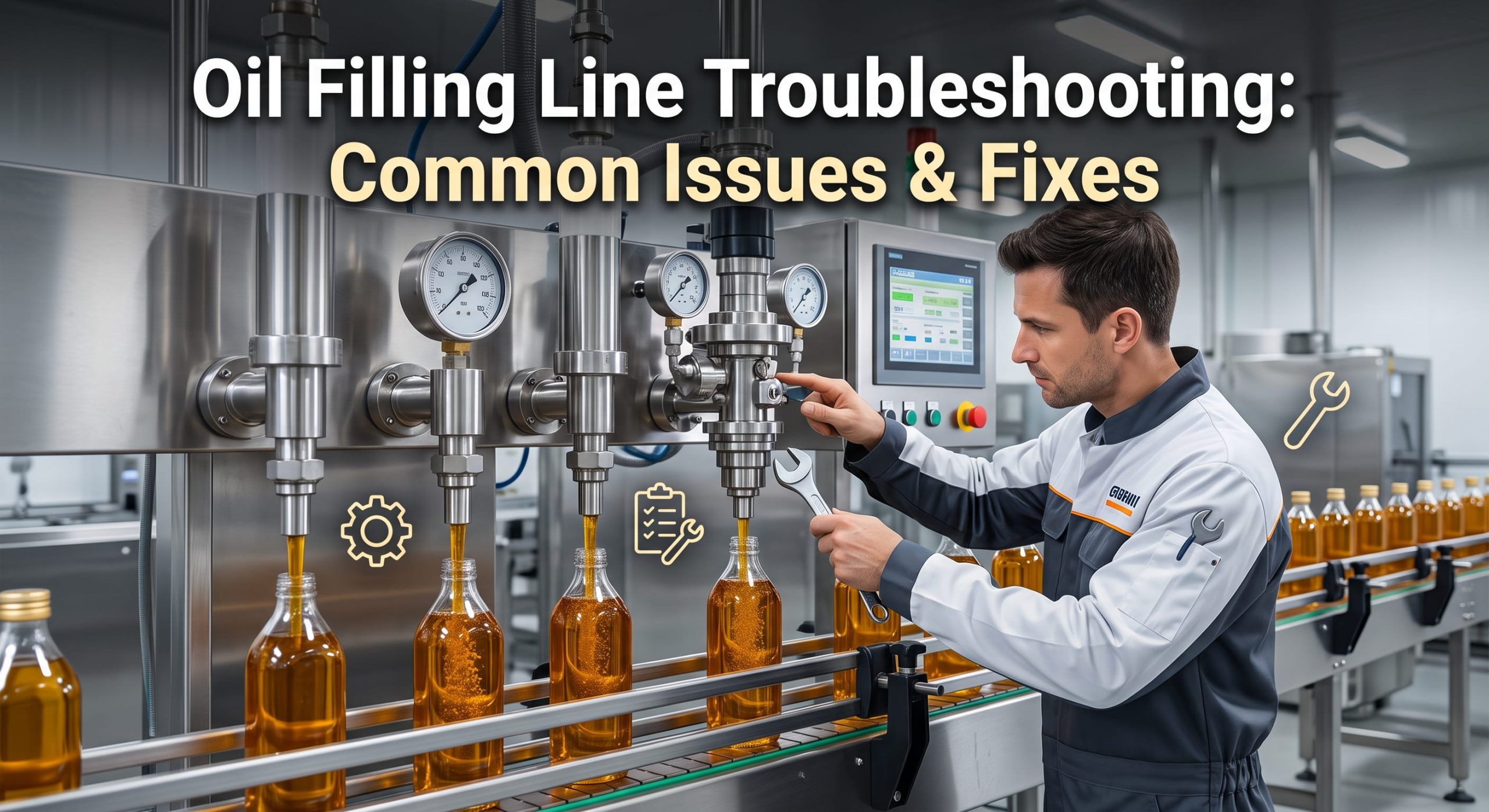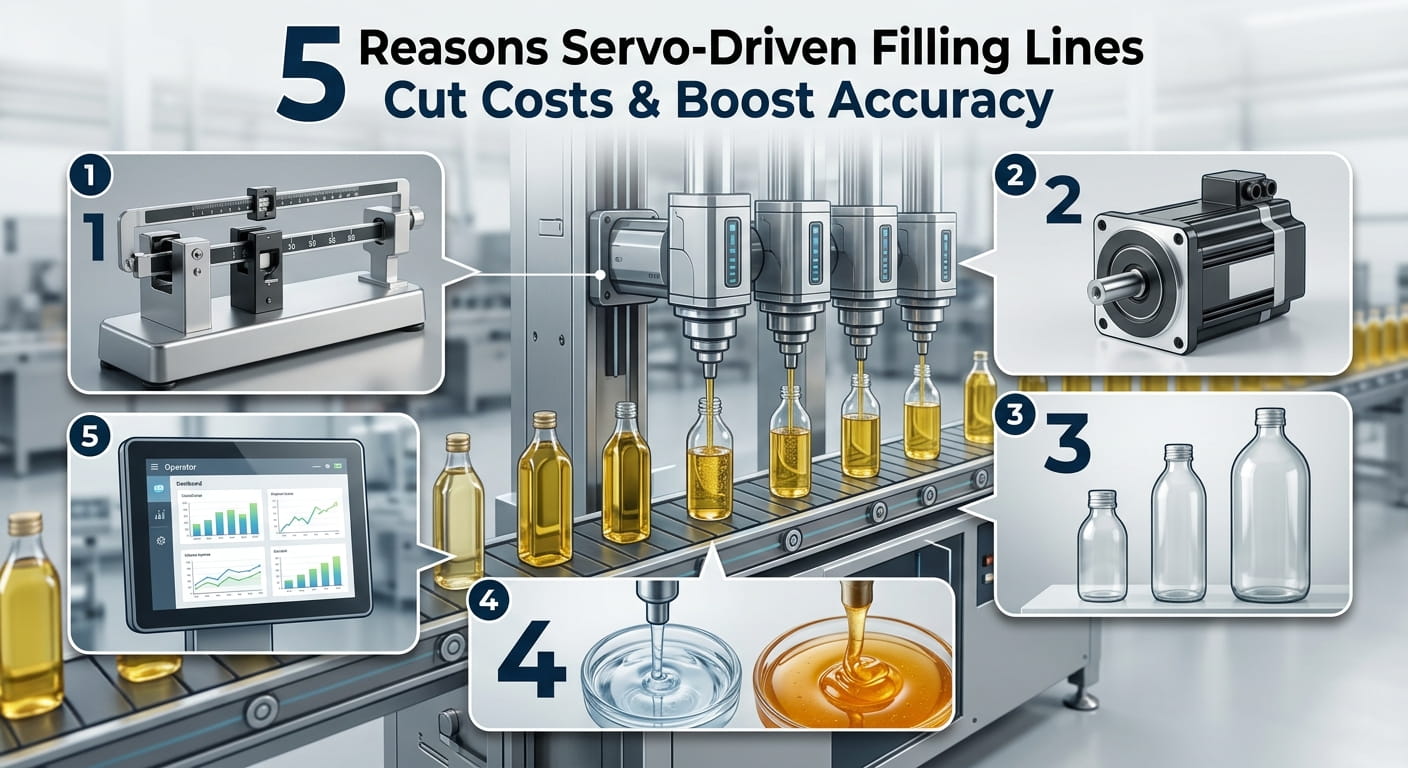

شهدت العقود الماضية ارتفاعاً هائلاً في الطلب العالمي على المياه المعبأة. ونتيجة لذلك، أصبح إنشاء محطات تعبئة زجاجات المياه جانباً حيوياً في هذه الصناعة المزدهرة. إن التعقيدات التشغيلية، والتقدم التكنولوجي، وديناميكيات السوق المحيطة بهذه المرافق تعد أموراً بالغة الأهمية لرواد الأعمال والمستثمرين الذين يتطلعون إلى شق طريقهم في هذا المجال. تهدف هذه المقالة إلى تقديم رؤى عملية ونصائح مفيدة للمهتمين بقطاع محطات تعبئة زجاجات المياه.
فهم سوق المياه المعبأة
لقد تطور سوق المياه المعبأة بشكل كبير، مدفوعاً بعوامل مثل الوعي الصحي، والراحة، وتزايد تفضيل المستهلكين لمياه الشرب النظيفة. ووفقاً لتقارير أبحاث السوق المختلفة، من المتوقع أن يواصل قطاع المياه المعبأة مسار نموه، مدعوماً بالتوسع الحضري وارتفاع الدخل المتاح في الدول النامية.
ونتيجة لذلك، يمكن أن يكون إنشاء محطة لتعبئة زجاجات المياه فرصة مربحة. ومع ذلك، قبل الغوص في عملية الإعداد، من المهم فهم القطاعات المختلفة لسوق المياه المعبأة، بما في ذلك مياه الينابيع، والمياه المنقاة، والمياه المعدنية، والمياه المنكهة. تلبي كل فئة من هذه الفئات تفضيلات متنوعة للمستهلكين، ولن يكون النهج الموحد كافياً.
الخطوات الرئيسية لإنشاء محطة تعبئة زجاجات المياه
1. أبحاث السوق وتحليل الجدوى
الخطوة الأولى في الشروع في هذا المشروع هي إجراء أبحاث سوقية شاملة. حدد الفئة المستهدفة من المستهلكين، وحلل المنافسين، وقيّم الطلب المحلي. يجب أن يتضمن تحليل الجدوى تقييماً للاستثمار المالي، والعوائد المتوقعة، والمخاطر المحتملة. كما أن مراعاة اللوائح المحلية المتعلقة بإنتاج المياه المعبأة أمر بالغ الأهمية، حيث سيؤثر الامتثال بشكل كبير على استدامة العمليات.
2. الموقع والبنية التحتية
يعد اختيار الموقع المناسب أمراً في غاية الأهمية. يمكن لعوامل مثل الوصول إلى مصادر مياه عالية الجودة، والبنية التحتية للنقل، والقرب من الأسواق المستهدفة أن تحدد الكفاءة التشغيلية للمحطة. بالإضافة إلى ذلك، يجب تصميم المرفق نفسه بقدرات إنتاجية قابلة للتوسع، مع دمج معدات حديثة لتلبية الطلبات المستقبلية دون الحاجة إلى تعديلات واسعة النطاق.
3. الحصول على التصاريح والتراخيص اللازمة
يمكن أن تختلف اللوائح المتعلقة بإنتاج المياه المعبأة بشكل كبير من منطقة إلى أخرى. من الضروري التعامل مع عملية الترخيص بدقة، والتأكد من أن محطتك تتوافق مع معايير الصحة والسلامة التي وضعتها الهيئات المحلية والدولية. قد يؤدي إهمال هذه الخطوة إلى تأخيرات مكلفة أو إغلاقات يمكن أن تضر بسمعة العمل وربحيته بشكل كبير.
4. اختيار المعدات وإعداد خط الإنتاج
يعد الاستثمار في أحدث المعدات أمراً حيوياً للكفاءة وجودة المنتج. يجب أن يعتمد اختيار الآلات على حجم الإنتاج المتوقع، ونوع المياه المعبأة التي تتم معالجتها، ومعدل الإنتاج المطلوب. تشمل المكونات الرئيسية لمحطة تعبئة زجاجات المياه عادةً ما يلي:
- أنظمة معالجة المياه
- آلات التعبئة
- آلات الإغلاق ووضع الملصقات
- معدات التغليف
إن ضمان التزام المعدات بالقواعد الصحية مع السماح بالمرونة في العمليات يمكن أن يكون حيوياً للنجاح على المدى الطويل. يجب أيضاً دمج جداول الصيانة الدورية لتقليل وقت التوقف عن العمل.
معايير مراقبة الجودة والسلامة
1. استدامة مصدر المياه
جودة المياه هي الأهم في صناعة المياه المعبأة. لذلك، يعد إنشاء مصدر مياه مستدام أمراً بالغ الأهمية. قم بإجراء اختبارات شاملة لضمان الامتثال للوائح الصحية وللتأكد من ثبات جودة المياه. ستساعد المراقبة المنتظمة في الحفاظ على المعايير.
2. تنفيذ تدابير مراقبة الجودة
ضع بروتوكولاً قوياً لمراقبة الجودة طوال عملية الإنتاج. يجب أن يشمل ذلك أخذ العينات واختبار المياه في مراحل مختلفة، من المصدر إلى التعبئة. يمكن أن يؤدي توظيف خدمات مراقبة الجودة من طرف ثالث إلى تعزيز المصداقية. كما أن دمج التكنولوجيا الحديثة، مثل الذكاء الاصطناعي والتعلم الآلي، لتقييم الجودة في الوقت الفعلي يمكن أن يحسن الكفاءة ويقلل من الخطأ البشري.
استراتيجيات العلامة التجارية والتسويق
مع اشتداد المنافسة في سوق المياه المعبأة، يمكن لاستراتيجيات العلامة التجارية والتسويق الفعالة أن تميز منتجك عن البقية. يعد تطوير عرض قيمة فريد أمراً ضرورياً. عوامل مثل التغليف المستدام، والفوائد الصحية، والجودة الممتازة يمكن أن تلقى صدى جيداً لدى المستهلكين.
1. بناء هوية العلامة التجارية
يجب أن تكون هوية علامتك التجارية متماسكة وجذابة. ويشمل ذلك تصميم الشعار، وجماليات التغليف، ورسائل العلامة التجارية. تأكد من أن قصة علامتك التجارية تعكس التزامك بالجودة والاستدامة. يمكن لسرد القصص أن يخلق روابط عاطفية مع المستهلكين، مما يعزز ولاءهم للعلامة التجارية.
2. التسويق الرقمي وقنوات التوزيع
في العصر الرقمي الحالي، يعد الاستفادة من منصات التواصل الاجتماعي ومواقع التجارة الإلكترونية أمراً بالغ الأهمية لتسويق المياه المعبأة. يمكن أن يسهل التواجد القوي عبر الإنترنت المبيعات المباشرة للمستهلكين، بينما يمكن للمحتوى الجذاب أن يعزز الوعي بالعلامة التجارية وتثقيف المستهلك. كما يمكن للتعاون مع المؤثرين والمجتمعات الصحية أن يوسع نطاق الوصول.
إدارة التكاليف والجدوى المالية
1. الميزانية والتخطيط المالي
إن وضع ميزانية واقعية أمر ضروري. ضع في اعتبارك التكاليف المتعلقة بالمعدات، والعمالة، والمواد، والتصاريح. ضع في اعتبارك أيضاً النفقات التشغيلية المستمرة مثل المرافق والصيانة. يمكن أن يساعد تطبيق مبادئ التصنيع الرشيق في تقليل الهدر وتعزيز كفاءة التكلفة.
2. استكشاف خيارات التمويل
قد يكون الحصول على تمويل لمحطة تعبئة زجاجات المياه أمراً صعباً. فكر في مجموعة متنوعة من حلول التمويل، من القروض المصرفية التقليدية إلى رأس المال الاستثماري. بالإضافة إلى ذلك، يمكن للمنح الحكومية التي تهدف إلى تعزيز الأعمال المستدامة أن توفر دعماً مالياً قيماً.
التحديات والفرص في صناعة المياه المعبأة
كما هو الحال مع أي عمل تجاري، لا تخلو صناعة المياه المعبأة من التحديات. تعد المخاوف البيئية المتعلقة بالنفايات البلاستيكية ومصادر المياه قضايا ملحة. ومع ذلك، فإن هذه التحديات توفر أيضاً فرصاً. إن الاستثمار في حلول التغليف المستدامة، مثل المواد القابلة للتحلل الحيوي، واعتماد محطات إعادة التعبئة يمكن أن يعزز سمعة العلامة التجارية ويعالج مخاوف المستهلكين.
الاتجاهات المستقبلية في إنتاج المياه المعبأة
بالنظر إلى المستقبل، من المتوقع أن تستمر صناعة المياه المعبأة في التطور. ستشكل الاتجاهات الناشئة مثل المياه الوظيفية، والمياه المنكهة، والتغليف الصديق للبيئة الإنتاج المستقبلي. إن مواكبة هذه الاتجاهات أمر ضروري للحفاظ على ميزة تنافسية في هذا السوق الديناميكي.
الخلاصة
يمكن أن يكون إنشاء محطة لتعبئة زجاجات المياه مسعى مجزياً عند التعامل معه بالعناية الواجبة والتخطيط الشامل. من خلال فهم السوق، والتعامل مع اللوائح، وضمان جودة المنتج، والاستفادة من استراتيجيات التسويق المبتكرة، يمكن لرواد الأعمال وضع أنفسهم على طريق النجاح في هذه الصناعة المتنامية باستمرار. إن التكيف مع تفضيلات المستهلكين المتطورة والبقاء مستجيبين للاحتياجات البيئية سيعزز المرونة بشكل أكبر. ومع التنفيذ الدقيق، لا يمكن لمحطة تعبئة زجاجات المياه أن تزدهر تجارياً فحسب، بل يمكنها أيضاً المساهمة بشكل إيجابي في الصحة العامة والاستدامة البيئية.