
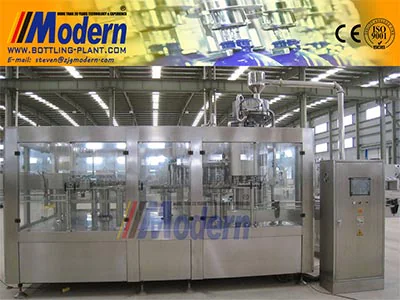
في ظل المشهد المتغير بسرعة لإنتاج المشروبات، تلعب الكفاءة والجودة أدواراً محورية في ضمان الميزة التنافسية. ومن بين الابتكارات الرائعة التي ظهرت في هذا القطاع هي آلة تعبئة العصير الساخن. لا تعمل هذه المعدات على تعزيز الإنتاجية فحسب، بل تضمن أيضاً جودة وسلامة العصير الذي يتم تعبئته. ستستكشف هذه المقالة أبعاد آلات تعبئة العصير الساخن، وتقدم رؤى قيمة ونصائح عملية للعاملين في مجال تصنيع المشروبات.
ما هي آلة تعبئة العصير الساخن؟
آلة تعبئة العصير الساخن هي قطعة متخصصة من المعدات مصممة لملء الحاويات بالعصير الذي تم تسخينه قبل التعبئة. تعمل عملية التسخين على إطالة العمر الافتراضي والقضاء على الكائنات الحية الدقيقة المسببة للتلف. أصبحت هذه التكنولوجيا ذات أهمية متزايدة في إنتاج العصير مع تزايد طلب المستهلكين المهتمين بالصحة على منتجات طازجة وعالية الجودة وخالية من المواد الحافظة.
المكونات الرئيسية لآلات تعبئة العصير الساخن
إن فهم المكونات الرئيسية لآلات تعبئة العصير الساخن يمكن أن يساعد المصنعين على تقدير قيمتها ووظائفها:
1. نظام التسخين
يعد نظام التسخين جزءاً لا يتجزأ من عمليات آلة تعبئة العصير الساخن. فهو يضمن وصول العصير إلى درجة حرارة محددة تقتل البكتيريا الضارة مع الحفاظ على جودة المنتج. تشمل طرق التسخين الشائعة:
- التسخين غير المباشر: استخدام المبادلات الحرارية لتسخين العصير عبر الماء الساخن أو البخار.
- التسخين المباشر: تطبيق البخار مباشرة على العصير لزيادة درجة الحرارة بسرعة.
2. فوهات التعبئة
تعتبر فوهات التعبئة حاسمة لتوزيع العصير الساخن بدقة في الحاويات. تم تصميم هذه الفوهات لتقليل الانسكاب وضمان مستوى تعبئة ثابت. قد تشمل الخيارات:
- حشوات المكبس (Piston Fillers): للعصائر ذات اللزوجة العالية.
- حشوات الجاذبية (Gravity Fillers): مناسبة للعصائر ذات اللزوجة المنخفضة.
3. نظام النقل
هناك حاجة إلى نظام نقل قوي لتحريك الزجاجات أو الحاويات عبر مراحل مختلفة من عملية التعبئة، مما يساهم في الكفاءة التشغيلية. قد يشمل ذلك أحزمة النقل وأنظمة الرفع التي تساعد في تبسيط سير عمل الإنتاج.
4. نظام التبريد
بعد التعبئة، يعد نظام التبريد ضرورياً لخفض درجة حرارة العصير المعبأ بسرعة لمنع الإفراط في الطهي والحفاظ على المذاق والطزاجة.
أنواع آلات تعبئة العصير الساخن
يمكن تصنيف آلات تعبئة العصير الساخن إلى أنواع مختلفة بناءً على الآليات التشغيلية ومتطلبات الإنتاج:
1. آلات التعبئة شبه الآلية
تتطلب هذه الآلات بعض التدخل اليدوي ولكنها توفر حلاً فعالاً من حيث التكلفة للعمليات الصغيرة والمتوسطة الحجم. وعلى الرغم من أنها تتطلب عمالة مكثفة، إلا أنها توفر المرونة وتكاليف أولية أقل.
2. آلات التعبئة الآلية بالكامل
مثالية للعمليات واسعة النطاق، تعمل الآلات الأوتوماتيكية بالكامل على زيادة الإنتاجية من خلال أتمتة كل مرحلة من مراحل عملية التعبئة، من التسخين إلى التبريد. وهي مجهزة بتكنولوجيا متقدمة مثل المستشعرات وأجهزة التحكم المنطقي القابل للبرمجة (PLC)، مما يضمن تشغيلاً دقيقاً.
3. آلات التعبئة الدوارة
يستخدم هذا النوع آلية دوارة لعمليات أسرع، مما يسمح بالتعبئة المتزامنة لحاويات متعددة. وهي فعالة بشكل خاص لإعدادات الإنتاج عالية السرعة والحجم الكبير.
مزايا استخدام آلات تعبئة العصير الساخن
يوفر اعتماد آلات تعبئة العصير الساخن العديد من المزايا التي يمكن أن تفيد المصنعين:
1. إطالة فترة الصلاحية
تعمل المعالجة الحرارية على إطالة العمر الافتراضي لمنتجات العصير بشكل كبير، مما يجعلها أكثر أماناً للمستهلكين ويقلل من الهدر للمصنعين.
2. الحفاظ على القيمة الغذائية
على الرغم من عملية التسخين، تم تصميم العديد من آلات تعبئة العصير الساخن لتقليل الضرر الذي يلحق بنكهة العصير ومحتواه الغذائي، مما يسمح للعلامات التجارية بتسويق منتجاتها كخيارات واعية بالصحة.
3. إنتاج فعال من حيث التكلفة
من خلال تبسيط عملية التعبئة، تقلل هذه الآلات من تكاليف العمالة وتزيد من معدلات الإنتاج، مما يؤدي إلى وفورات كبيرة وهوامش ربح أعلى.
4. الامتثال للوائح الصحية
يعد تلبية لوائح سلامة الأغذية أمراً بالغ الأهمية. تساعد آلات تعبئة العصير الساخن المنتجين بفعالية على الامتثال للوائح الصحية من خلال ضمان بسترة المنتجات وخلوها من مسببات الأمراض الضارة.
اختيار آلة تعبئة العصير الساخن المناسبة
مع وجود العديد من الخيارات المتاحة في السوق، قد يكون اختيار آلة تعبئة العصير الساخن المناسبة أمراً شاقاً. ضع في اعتبارك العوامل التالية:
1. الطاقة الإنتاجية
قم بتقييم احتياجات الإنتاج الخاصة بك. الآلة التي تستوعب مخرجاتك المطلوبة ستمنع الاختناقات وتلبي متطلبات السوق بفعالية.
2. متطلبات المساحة
قم بتقييم مساحة الأرضية المتاحة للتركيب، حيث تختلف الآلات في الحجم والتكوين. تأكد من وجود مساحة كافية للصيانة والتشغيل.
3. نوع العصير
يتطلب التمييز بين أنواع العصير—المركز، أو اللب، أو المهروس—تقنيات تعبئة مختلفة. إن تحديد نوع العصير الذي تهدف إلى إنتاجه سيوجه اختيارك للآلات.
4. الصيانة والدعم
اختر آلة تأتي مع دعم شامل، بما في ذلك الكتيبات، وخدمة العملاء، وتوافر قطع الغيار. الصيانة الدورية حيوية للحفاظ على الوظائف وإطالة عمر الآلة.
الاتجاهات المستقبلية في تكنولوجيا تعبئة العصير الساخن
مع تطور صناعة المشروبات، من المتوقع أن تعيد الابتكارات في تكنولوجيا تعبئة العصير الساخن تعريف الكفاءة التشغيلية:
1. دمج التكنولوجيا الذكية
بشكل متزايد، يقوم المصنعون بتنفيذ تكنولوجيا ذكية، مثل أجهزة إنترنت الأشياء (IoT)، مما يتيح المراقبة والتحسين في الوقت الفعلي لعمليات الإنتاج.
2. التركيز على الاستدامة
تكتسب الآلات الصديقة للبيئة التي تحافظ على الطاقة وتقلل من النفايات زخماً. توقع رؤية المزيد من المصنعين يتبنون ممارسات مستدامة في عملياتهم.
3. التخصيص
مع تغير تفضيلات المستهلكين، ستصبح الآلات التي توفر المرونة والتخصيص في أشكال الزجاجات وأحجامها وأحجام التعبئة ذات صلة متزايدة.
الخلاصة
باختصار، تمثل آلات تعبئة العصير الساخن عنصراً حيوياً في إنتاج العصائر الحديث، حيث تجمع بين الكفاءة والجودة والاستدامة. ومن خلال فهم مكوناتها وأنواعها ومزاياها وكيفية اختيار الآلة المناسبة، يمكن للمنتجين تعزيز قدراتهم الإنتاجية بشكل كبير مع ضمان سلامة المنتج ورضا المستهلك. ومع استمرار تطور التكنولوجيا، فإن البقاء على اطلاع باتجاهات الصناعة سيمكن المصنعين من الازدهار في سوق المشروبات التنافسي.


