تعد صناعة المشروبات الغازية قطاعاً ديناميكياً ومزدهراً في الاقتصاد العالمي، حيث تنتج مجموعة واسعة من المشروبات التي تلبي تفضيلات المستهلكين المتنوعة. ومن بين المكونات الحاسمة في عملية الإنتاج، تلعب آلات التعبئة دوراً محورياً في ضمان الكفاءة والجودة والاتساق في تعبئة المشروبات الغازية. في هذا المقال، سنستكشف أنواع آلات التعبئة المستخدمة في هذه الصناعة، ومبادئ تشغيلها، والفوائد التي تقدمها، والاعتبارات العملية للمصنعين الذين يتطلعون إلى تعزيز عمليات التعبئة لديهم.
فهم آلات التعبئة
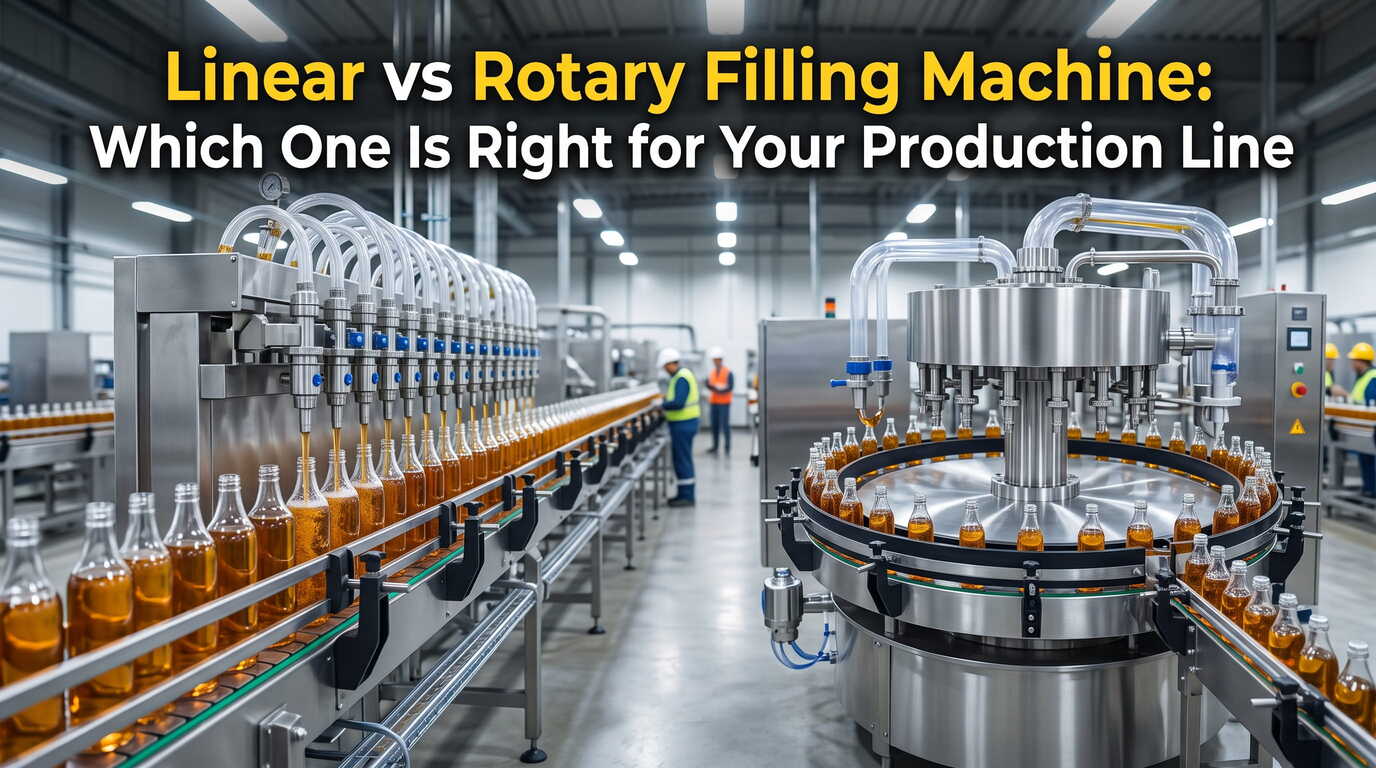
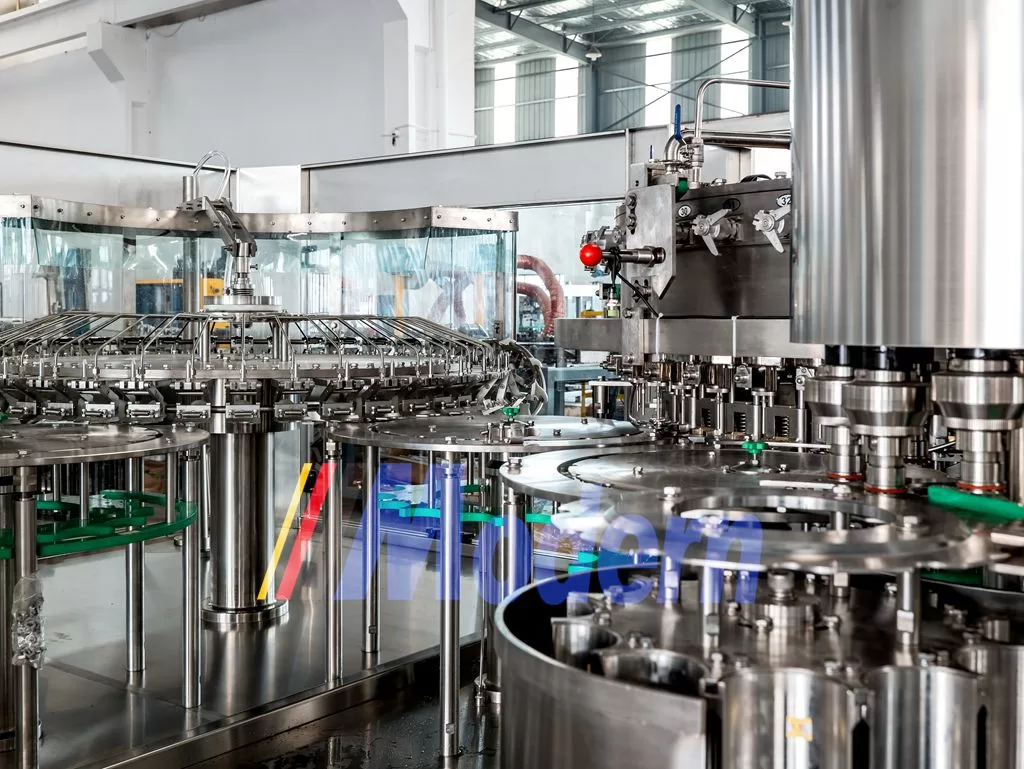
آلات التعبئة هي أجهزة متطورة مصممة لنقل المشروبات إلى حاويات مثل الزجاجات أو العلب أو الكرتون. وتعد هذه الآلات ضرورية للحفاظ على معايير النظافة، وضمان دقة القياسات، وتحسين الكفاءة العامة لخط الإنتاج. واعتماداً على حجم الإنتاج والمتطلبات المحددة للمشروب، تتوفر أنواع مختلفة من آلات التعبئة في السوق.
أنواع آلات التعبئة
1. آلات التعبئة بالجاذبية: تعتمد هذه الآلات على الجاذبية لملء الحاويات. وهي مناسبة للسوائل الخفيفة وغالباً ما تُستخدم في تعبئة المشروبات الغازية. وتعتبر آلات التعبئة بالجاذبية بسيطة نسبياً وفعالة من حيث التكلفة وسهلة الصيانة، مما يجعلها خياراً شائعاً لمنشآت الإنتاج الصغيرة والمتوسطة.
2. آلات التعبئة بالضغط: تعتبر آلات التعبئة بالضغط مثالية للمشروبات الغازية، حيث تستخدم الغاز المضغوط لدفع السائل إلى الحاويات. تقلل هذه الطريقة من تكوّن الرغوة وتضمن احتفاظ المشروب بغازاته. وتعد آلات التعبئة بالضغط أكثر تعقيداً ولكنها ضرورية لخطوط الإنتاج واسعة النطاق التي تتعامل مع المشروبات الفوارة.
3. آلات التعبئة بالمكبس والمضخة: هذه الآلات متعددة الاستخدامات ويمكنها التعامل مع لزوجات سوائل مختلفة. تستخدم آلات التعبئة بالمكبس آلية مكبس لتوزيع أحجام دقيقة من السوائل، بينما تستفيد آلات التعبئة بالمضخة من مضخات ميكانيكية. وكلا النوعين مناسب لمجموعة من المشروبات الغازية، بما في ذلك المشروبات السكرية.
4. آلات التعبئة الحجمية: تشتهر آلات التعبئة الحجمية بدقتها، حيث تقيس أحجاماً محددة مسبقاً من المشروب قبل التعبئة. تُستخدم هذه الطريقة غالباً في الأنظمة الآلية ويمكنها التعامل مع المشروبات الغازية وغير الغازية، مما يجعلها خياراً شائعاً للمنتجين الذين يهدفون إلى الدقة.
كيف تعمل آلات التعبئة
إن فهم مبادئ تشغيل آلات التعبئة يمكن أن يوفر رؤى قيمة حول تحسين عمليات الإنتاج. وبغض النظر عن النوع المستخدم، تتبع معظم آلات التعبئة سير عمل أساسي متشابه:
1. التحضير: تبدأ عملية التعبئة بتحضير المشروب. يتضمن ذلك التأكد من خلط السائل بشكل صحيح، وتهويته (إذا لزم الأمر)، وضخه إلى آلة التعبئة.
2. مناولة الحاويات: يتم نقل الحاويات إلى آلة التعبئة، غالباً من خلال نظام ناقل آلي. يعد المحاذاة الصحيحة أمراً بالغ الأهمية للتعبئة الفعالة، وقد تم تجهيز آلات التعبئة المتقدمة بأجهزة استشعار لضمان وضع الحاويات بشكل صحيح.
3. التعبئة: تختلف عملية التعبئة الفعلية حسب نوع الآلة ولكنها تتضمن عموماً إطلاق السائل بشكل محكوم في الحاوية، إما عن طريق الجاذبية أو الضغط أو الوسائل الميكانيكية. قد تستخدم آلات التعبئة المتطورة فوهات متعددة لتعزيز السرعة والكفاءة.
4. الإغلاق والختم: بعد التعبئة، يتم إغلاق الحاويات أو سدها للحفاظ على جودة المشروب ومنع التلوث. تدمج بعض الآلات عمليات التعبئة والإغلاق في عملية واحدة، مما يبسط خط الإنتاج.
فوائد استخدام آلات التعبئة المتقدمة
يمكن أن يؤدي الاستثمار في آلات تعبئة عالية الجودة إلى فوائد عديدة لمصنعي المشروبات الغازية. تشمل بعض المزايا الرئيسية ما يلي:
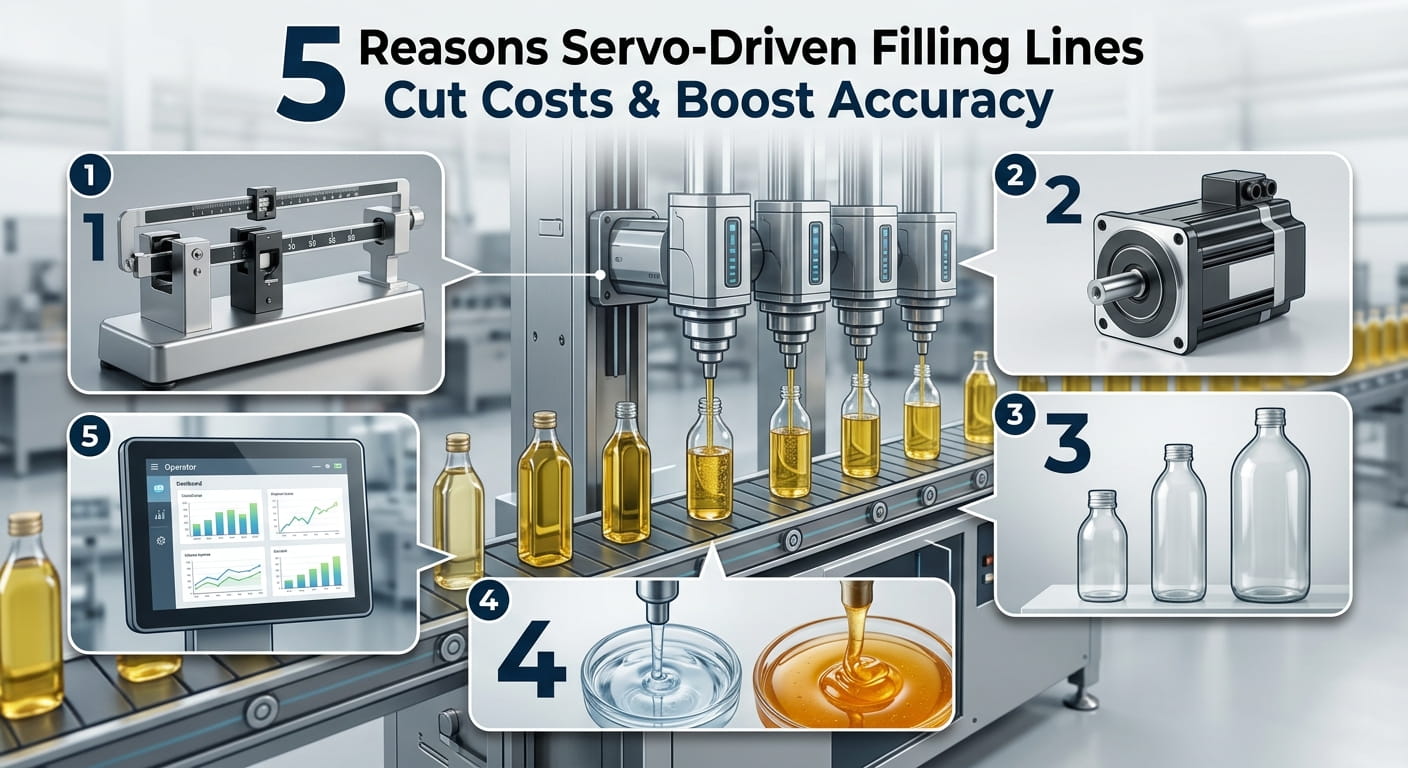
1. زيادة الكفاءة: تعمل آلات التعبئة الآلية على زيادة معدلات الإنتاج بشكل كبير. يمكن للنماذج عالية السرعة تعبئة آلاف الحاويات في الساعة، مما يقلل من تكاليف العمالة ويزيد من الإنتاج.
2. تحسين الدقة: تضمن تقنية التعبئة المتقدمة أحجام مشروبات متسقة في كل حاوية. تقلل هذه الدقة من الهدر وتساعد في الحفاظ على رضا العملاء من خلال تقديم منتج يلبي توقعاتهم.
3. تعزيز جودة المنتج: تساعد آلات التعبئة المصممة لأنواع معينة من المشروبات في الحفاظ على سلامة المنتج. بالنسبة للمشروبات الغازية، تحافظ آلات التعبئة بالضغط المتخصصة على الغازات، بينما تضمن حلول التعبئة المعقمة استقرار المشروبات الأخرى على الرفوف.
4. فرص التخصيص: العديد من آلات التعبئة الحديثة قابلة للتكيف ويمكن تهيئتها للتعامل مع أشكال وأحجام حاويات مختلفة. تسمح هذه المرونة للمصنعين بتنويع نطاقات منتجاتهم دون إجراء تغييرات واسعة النطاق على خطوط الإنتاج الخاصة بهم.
نصائح عملية لاختيار وتشغيل آلات التعبئة
يتطلب اختيار آلة التعبئة المناسبة لمنشأة إنتاج المشروبات الغازية دراسة متأنية للعديد من العوامل. إليك بعض النصائح العملية:
1. قيّم احتياجات الإنتاج الخاصة بك
قبل شراء آلة تعبئة، من الضروري تقييم حجم إنتاجك، وأنواع المشروبات التي تنوي إنتاجها، وتنسيقات الحاويات التي تخطط لاستخدامها. سيساعدك فهم هذه الاحتياجات على اختيار المعدات التي تتماشى مع أهدافك التشغيلية.
2. إعطاء الأولوية للنظافة والسلامة
في صناعة الأغذية والمشروبات، تعتبر النظافة أمراً بالغ الأهمية. اختر آلات تعبئة مصنوعة من مواد عالية الجودة ومناسبة للأغذية وسهلة التنظيف. ابحث عن ميزات مثل دورات التنظيف التلقائي وسهولة الوصول للمساعدة في الصيانة الدورية.
3. تقييم خيارات الأتمتة
يمكن للأتمتة أن تعزز كفاءة الإنتاج بشكل كبير. ابحث عن آلات التعبئة التي تتكامل بسلاسة مع أنظمة التعبئة والتغليف الأخرى مثل وضع الملصقات والتكديس. تقلل الأنظمة الآلية من العمل اليدوي وتقلل من مخاطر الخطأ البشري.
4. النظر في النمو المستقبلي
عند الاستثمار في معدات التعبئة، ضع في اعتبارك إمكانية توسيع منشأتك في المستقبل. إن اختيار الآلات التي يمكن ترقيتها أو توسيع نطاقها بسهولة سيوفر لك الوقت والموارد على المدى الطويل مع زيادة الطلب.
التحديات في عملية التعبئة
بينما توفر آلات التعبئة فوائد عديدة، قد يواجه المصنعون تحديات في عملية الإنتاج. تشمل بعض العقبات الشائعة ما يلي:
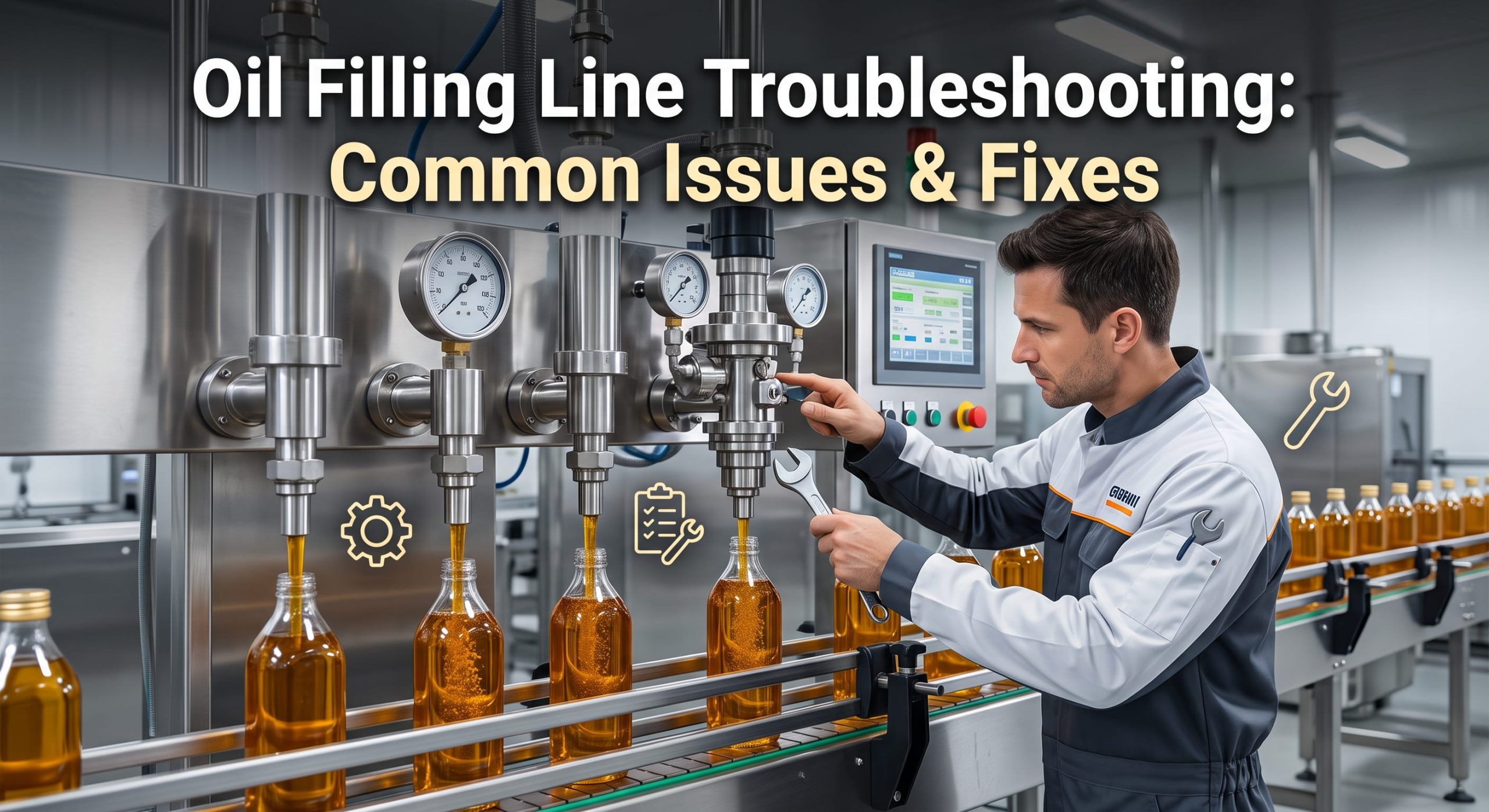
1. مشاكل الرغوة: يمكن أن يؤدي الرغوة المفرطة أثناء التعبئة إلى فقدان المنتج وعدم الاتساق. هذا شائع بشكل خاص في المشروبات الغازية، لذا فإن الاستثمار في الآلات المصممة لتقليل تراكم الرغوة أمر ضروري.
2. الانسداد والتعطل: يمكن أن تنسد الزجاجات أو الأغطية أو المكونات أو تتعطل أثناء التعبئة، مما يؤدي إلى تأخير الإنتاج. يمكن للصيانة الدورية واختيار آلات قوية التخفيف من هذه المشكلات.
3. التغييرات في الوصفة أو خط الإنتاج: قد يتطلب تغيير تركيبات المنتج أو إطلاق مشروبات جديدة تعديلات في المعدات. من الضروري اختيار آلات قابلة للتكيف وسهلة إعادة التشكيل عند الحاجة.
الخلاصة
تعتمد صناعة المشروبات الغازية بشكل فريد على آلات تعبئة فعالة وعالية الجودة لتلبية طلب المستهلكين والحفاظ على سلامة المنتج. من خلال فهم الأنواع المختلفة لآلات التعبئة، وعملياتها التشغيلية، والمزايا التي تقدمها، يمكن للمصنعين التأكد من أنهم مجهزون جيداً للتعامل مع تعقيدات إنتاج المشروبات الحديثة. سواء كنت منتجاً صغيراً أو منشأة تصنيع كبيرة، فإن اختيار آلة التعبئة المناسبة هو خطوة حاسمة نحو تحقيق الكفاءة التشغيلية وتقديم مشروبات غازية عالية الجودة إلى السوق.