
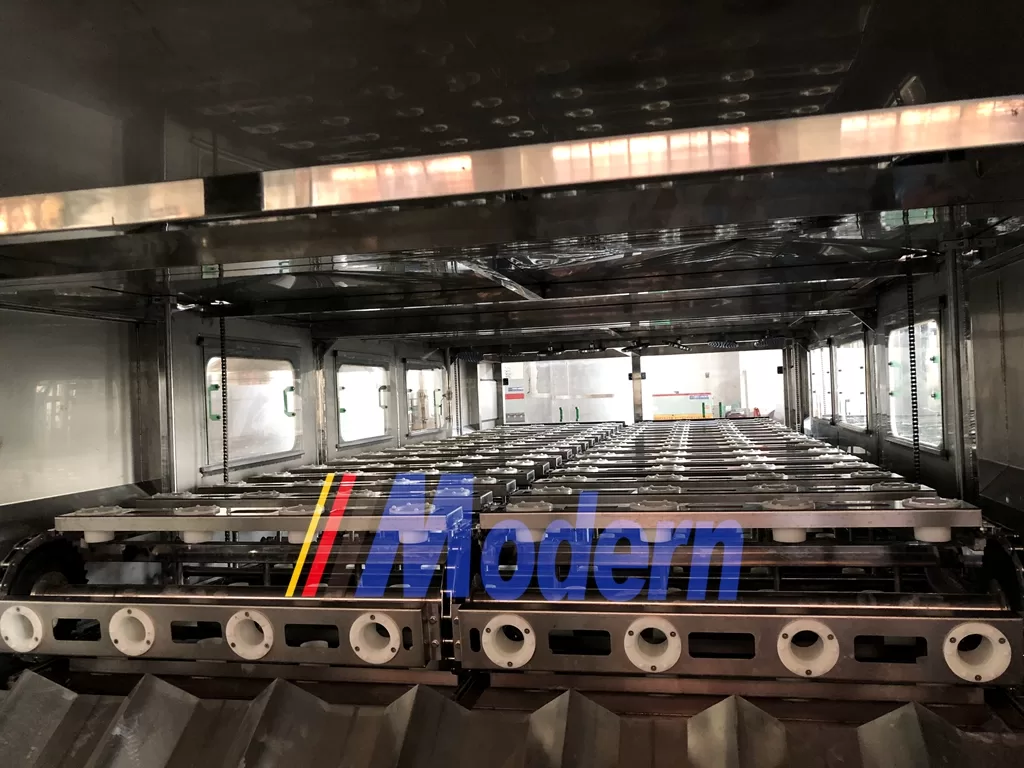
تعد المياه مورداً أساسياً في العديد من القطاعات، بدءاً من المشروبات وصولاً إلى الأدوية، وتعتبر عملية تعبئتها بفعالية أمراً بالغ الأهمية للجودة والراحة على حد سواء. تلعب آلات تعبئة المياه دوراً محورياً في تلبية الطلبات المتزايدة للمستهلكين مع ضمان احتفاظ المنتجات بسلامتها من الإنتاج إلى الاستهلاك. يستعرض هذا المقال أهمية آلات تعبئة المياه، وأنواعها، وفوائدها، والاعتبارات اللازمة لاختيار الآلات المناسبة لعملياتك.
فهم آلات تعبئة المياه
آلات تعبئة المياه هي أنظمة آلية تقوم بتعبئة الحاويات، مثل الزجاجات أو الأوعية، بالمياه بكفاءة. تأتي هذه الآلات في تكوينات متنوعة، لتلبي احتياجات مجموعة واسعة من الصناعات، بما في ذلك المياه المعبأة، والعصائر، والحليب، وحتى المحاليل الطبية. الغرض الأساسي من هذه الأجهزة هو تبسيط عملية الإنتاج مع تقليل الهدر وتعظيم معايير النظافة.
أنواع آلات تعبئة المياه
1. آلات التعبئة بالجاذبية
تعمل آلات التعبئة بالجاذبية بناءً على مبدأ الجاذبية. تتميز هذه الآلات بتصميم بسيط، حيث تسمح للمياه بالتدفق من خزان عبر فوهات إلى الحاويات المستهدفة. تعد آلات التعبئة بالجاذبية الأنسب للسوائل منخفضة اللزوجة وتُستخدم عادةً في البيئات الأقل تنظيماً.
2. آلات التعبئة بالضغط
تستخدم آلات التعبئة بالضغط الضغط لنقل المياه إلى الحاويات، مما يجعلها مثالية لتعبئة المشروبات الغازية أو اللزجة. يضمن الضغط تحرك السائل بسرعة ويقلل من تكوّن الرغوة، وهو ما قد يمثل مشكلة في المنتجات الغازية. توفر هذه الآلات سرعة وكفاءة معززتين، مما يجعلها مناسبة للإنتاج على نطاق واسع.
3. آلات التعبئة بالتفريغ (الفراغ)
تقوم آلات التعبئة بالتفريغ (الفراغ) بسحب الهواء من الحاوية قبل التعبئة، مما يسمح بإغلاق محكم وتقليل تهوية السائل. تعد هذه الطريقة مفيدة بشكل خاص في الحفاظ على جودة المياه، ومنع الأكسدة، والحفاظ على سلامة النكهة. آلات التعبئة بالتفريغ مناسبة للمنتجات ذات اللزوجة العالية والمنخفضة.
4. آلات التعبئة المؤازرة (Servo)
تستخدم آلات التعبئة المؤازرة تقنية متطورة للتعبئة الدقيقة، وغالباً ما تتمتع بالقدرة على ضبط سرعة وحجم التعبئة في الوقت الفعلي. يعد هذا الخيار رائعاً للصناعات التي تتطلب دقة وكفاءة عاليتين، مما يمكّن الشركات من تعزيز الإنتاجية مع إدارة التكاليف بفعالية.
فوائد آلات تعبئة المياه
يوفر الاستثمار في آلات تعبئة المياه المتقدمة مزايا متنوعة للمصنعين والموزعين على حد سواء. فيما يلي العديد من الفوائد الرئيسية:
1. تعزيز الكفاءة
تعمل آلات تعبئة المياه الآلية على تحسين سرعات الإنتاج بشكل كبير مقارنة بالعمليات اليدوية. من خلال استخدام نهج خط التجميع، يمكن للشركات تعبئة الزجاجات وإغلاقها ووضع الملصقات عليها بسرعة، مما يسمح لها بتلبية طلبات الكميات الكبيرة دون التضحية بالجودة.
2. فعالية التكلفة
على الرغم من أن الاستثمار الأولي في آلات تعبئة المياه قد يبدو كبيراً، إلا أن التوفير على المدى الطويل كبير. تقلل الأنظمة الآلية من تكاليف العمالة، وتقلل من الأخطاء المرتبطة بالتعبئة اليدوية، وتقلل من الهدر من خلال آليات التعبئة الدقيقة.
3. ضمان الجودة
يعد ضمان جودة المياه المعبأة أمراً بالغ الأهمية. تم تجهيز الآلات عالية الجودة بميزات تحافظ على النظافة وتقلل من خطر التلوث. على سبيل المثال، تعد آليات التعقيم وأنظمة الشطف شائعة في آلات تعبئة المياه الحديثة، والتي تدعم معايير الصناعة وسلامة المستهلك.
4. المرونة وتعدد الاستخدامات
يمكن للعديد من آلات تعبئة المياه استيعاب أحجام وأنواع متنوعة من الحاويات، مما يسمح للمنتجين بتبديل المنتجات دون توقف طويل. تعد هذه المرونة أمراً بالغ الأهمية في الاستجابة لاتجاهات السوق وتفضيلات العملاء.
5. زيادة العمر الافتراضي
من خلال الحفاظ على جودة المياه عبر تقليل التعرض للهواء والتلوث أثناء عملية التعبئة، يمكن للآلات الحديثة المساعدة في إطالة العمر الافتراضي للمنتجات. يعد هذا أمراً حيوياً بشكل خاص للمياه المعبأة، حيث أصبح المستهلكون أكثر وعياً بالنضارة.
اعتبارات رئيسية لاختيار آلات تعبئة المياه
عند التفكير في شراء أو استئجار آلة تعبئة مياه، هناك عدة عوامل تستحق الدراسة لضمان أفضل ملاءمة لعملياتك:
1. حجم الإنتاج
قم بتقييم احتياجاتك التشغيلية وحدد كمية المياه التي تخطط لإنتاجها يومياً. سيساعد هذا التقييم في تحديد ما إذا كانت هناك حاجة إلى آلة عالية السرعة أو إذا كان خيار أكثر اعتدالاً سيكون كافياً.
2. نوع المياه
قد تتطلب أنواع المياه المختلفة (مياه الينابيع، المقطرة، المنكهة) أنواعاً محددة من آلات التعبئة أو تعديلات في عملية التعبئة. يعد فهم خصائص منتجك أمراً أساسياً في اختيار الآلات المناسبة.
3. تصميم وحجم الزجاجة
سيؤثر شكل وحجم ومادة الزجاجات التي تنوي استخدامها على تصميم آلة تعبئة المياه. تأكد من أن النظام المختار يمكنه تلبية متطلباتك المحددة، بما في ذلك أي توسعات مستقبلية.
4. معايير النظافة
في الصناعات التي تكون فيها النظافة أمراً بالغ الأهمية، مثل الأدوية والأغذية والمشروبات، تأكد من أن الآلة المختارة تتوافق مع اللوائح الصحية ذات الصلة ومصممة لسهولة التنظيف والصيانة. ابحث عن الآلات ذات الهيكل المصنوع من الفولاذ المقاوم للصدأ والأجزاء التي يمكن تعقيمها.
5. الميزانية
يعد وضع ميزانية أمراً بالغ الأهمية قبل الشروع في شراء أي آلات. ضع في اعتبارك كلاً من التكاليف الأولية والعائد المتوقع على الاستثمار. بالإضافة إلى ذلك، ضع في اعتبارك تكاليف الصيانة والتشغيل لاتخاذ قرار مستنير.
الاتجاهات المستقبلية في تكنولوجيا تعبئة المياه
مع تطور الصناعة، تظهر العديد من الاتجاهات الرئيسية التي قد تشكل مستقبل آلات تعبئة المياه:
1. زيادة الأتمتة
مع التقدم في التكنولوجيا، قد تنتقل المزيد من المنشآت إلى عمليات آلية بالكامل، مما يقلل من التدخل البشري في عملية التعبئة. قد يؤدي هذا إلى تحسينات في الكفاءة وحتى اتساق أكبر في الإنتاج.
2. ابتكارات صديقة للبيئة
أصبحت الاستدامة محوراً رئيسياً في تطوير المنتجات بشكل متزايد. قد تركز آلات التعبئة المستقبلية على تقليل النفايات البلاستيكية من خلال دمج المزيد من المواد القابلة لإعادة الاستخدام وإعادة التدوير، إلى جانب الابتكارات في كفاءة الطاقة.
3. دمج التكنولوجيا الذكية
يمكن أن يؤدي دمج تقنية إنترنت الأشياء (IoT) في آلات تعبئة المياه إلى تبسيط العمليات بشكل أكبر. قد تسهل المراقبة في الوقت الفعلي، والصيانة التنبؤية، وأنظمة التقارير الآلية اتخاذ قرارات أفضل وتحسين الكفاءة التشغيلية.
الخلاصة
تعد آلات تعبئة المياه أصلاً لا غنى عنه في مشهد الإنتاج اليوم، حيث تقدم فوائد متنوعة تساهم في الكفاءة، وفعالية التكلفة، وضمان الجودة. من خلال فهم أنواع الآلات المتاحة والنظر في العوامل الحاسمة قبل الشراء، يمكن للشركات اتخاذ قرارات مستنيرة تعزز عملياتها وتلبي طلبات المستهلكين. مع تقدم التكنولوجيا، سيكون البقاء على اطلاع باتجاهات الصناعة أمراً بالغ الأهمية للحفاظ على ميزة تنافسية. سواء كان الأمر يتعلق بمعالجة تحديات الإنتاج الحالية أو توقع الاحتياجات المستقبلية، فإن الاستثمار في آلة تعبئة المياه المناسبة هو خطوة استراتيجية ستؤتي ثمارها على المدى الطويل.


