شهدت صناعة المشروبات العالمية تحولاً هائلاً في السنوات الأخيرة، لا سيما في مجال المشروبات الغازية. وقد جاء هذا التغيير مدفوعاً بالابتكار في تكنولوجيا الإنتاج، وتحولات تفضيلات المستهلكين، واللوائح الصارمة المتعلقة بالصحة والسلامة. وفي قلب هذا التطور يكمن نظام تعبئة المشروبات الغازية، وهو تجميع معقد وفعال بشكل ملحوظ يضمن وصول ملايين الزجاجات إلى السوق العالمية بأمان وكفاءة. في هذا المقال، سوف نتعمق في تعقيدات أنظمة تعبئة المشروبات الغازية، ونستكشف مكوناتها وفوائدها والاتجاهات الناشئة، مع تقديم رؤى عملية للشركات العاملة في صناعة المشروبات.
فهم نظام تعبئة المشروبات الغازية
يشير نظام تعبئة المشروبات الغازية إلى سلسلة شاملة من العمليات والآلات المصممة لتعبئة المشروبات السائلة في زجاجات. وفي حين تظل الفكرة الأساسية ثابتة - التعبئة، والإغلاق، ووضع الملصقات - فإن الأنظمة الحديثة تدمج تقنيات متقدمة لتلبية الطلبات المتزايدة على الكفاءة والجودة والاستدامة.
مكونات نظام التعبئة
يتكون نظام تعبئة المشروبات الغازية النموذجي من عدة مكونات حيوية:
1. اختيار الزجاجات وتجهيزها: تبدأ عملية التعبئة باختيار الزجاجات المناسبة. يتضمن ذلك فهم المادة والشكل والحجم للزجاجات التي ستخدم المنتج بشكل أفضل. بالإضافة إلى ذلك، يجب شطف الزجاجات أو معالجتها لضمان نظافتها، مما يزيل أي بقايا قد تؤثر على جودة المنتج.
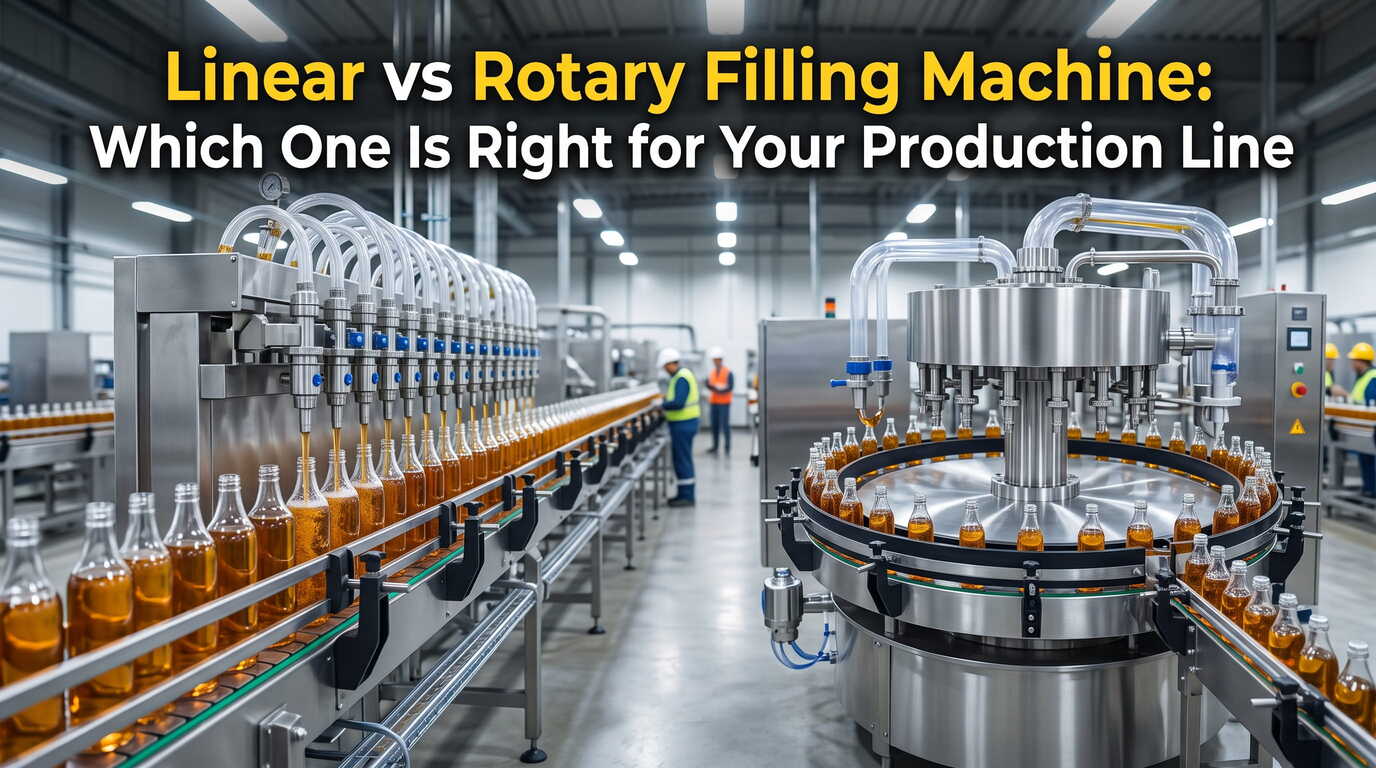
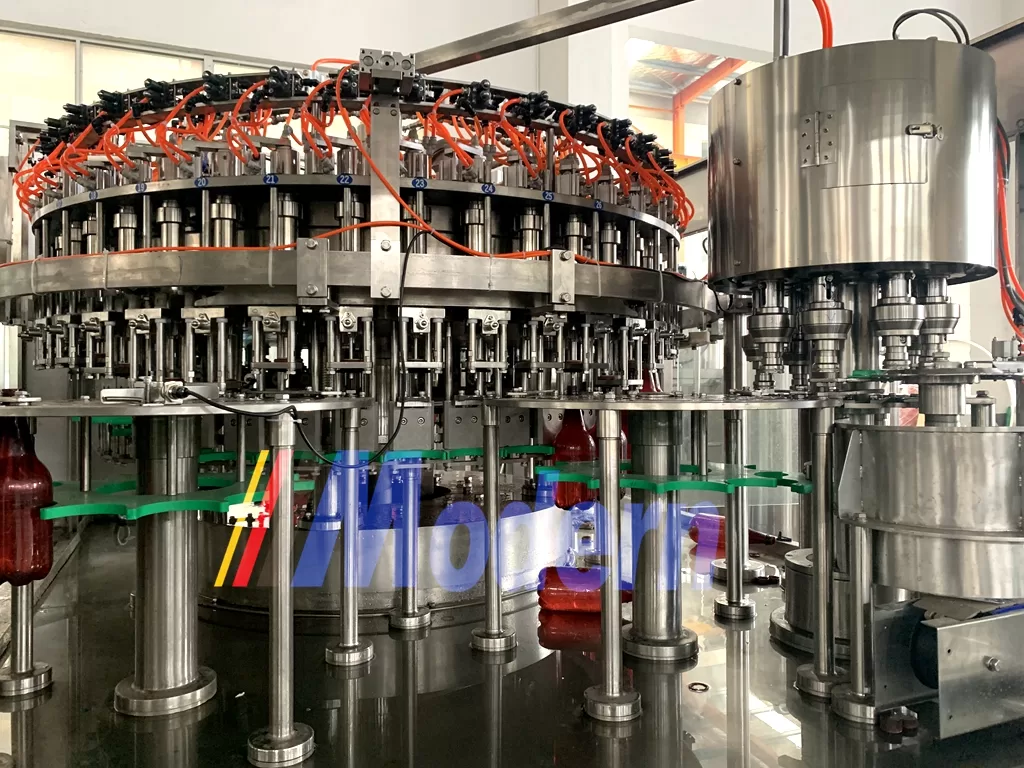
2. محطة التعبئة: بمجرد تجهيز الزجاجات، تنتقل إلى محطة التعبئة. وهنا تلعب الأتمتة دوراً حاسماً. تضمن آلات التعبئة المتقدمة ملء كل زجاجة بالمستوى الصحيح في ظل ظروف صحية. يتم استخدام تقنيات مثل التعبئة بالجاذبية أو الضغط أو التفريغ للحفاظ على سلامة المنتج وتجنب الانسكاب.
3. آلية الإغلاق: بعد التعبئة، يتم إغلاق الزجاجات بالأغطية لمنع التلوث وفقدان الكربنة. يمكن أن تشمل هذه المرحلة أنواعاً مختلفة من تكنولوجيا إغلاق الأغطية، بما في ذلك الأغطية اللولبية وأغطية التاج، والتي يتم اختيارها بناءً على مواصفات المنتج.
4. وضع الملصقات والتغليف: تتضمن الخطوة التالية وضع الملصقات، حيث يتم لصق العلامة التجارية ومعلومات المنتج على الزجاجات. يعد هذا جانباً أساسياً للتسويق والامتثال التنظيمي. بعد وضع الملصقات، يتم تجميع الزجاجات للشحن، إما في كرتون أو تغليف انكماشي، قبل الانتقال إلى التخزين أو التوزيع.
الكفاءة في عمليات التعبئة
تعتبر الكفاءة أمراً بالغ الأهمية في قطاع تعبئة المشروبات الغازية. يسعى المصنعون باستمرار إلى إيجاد طرق لتعزيز الإنتاجية مع التحكم في التكاليف. ولتحقيق هذه الأهداف، يمكن استخدام عدة استراتيجيات:
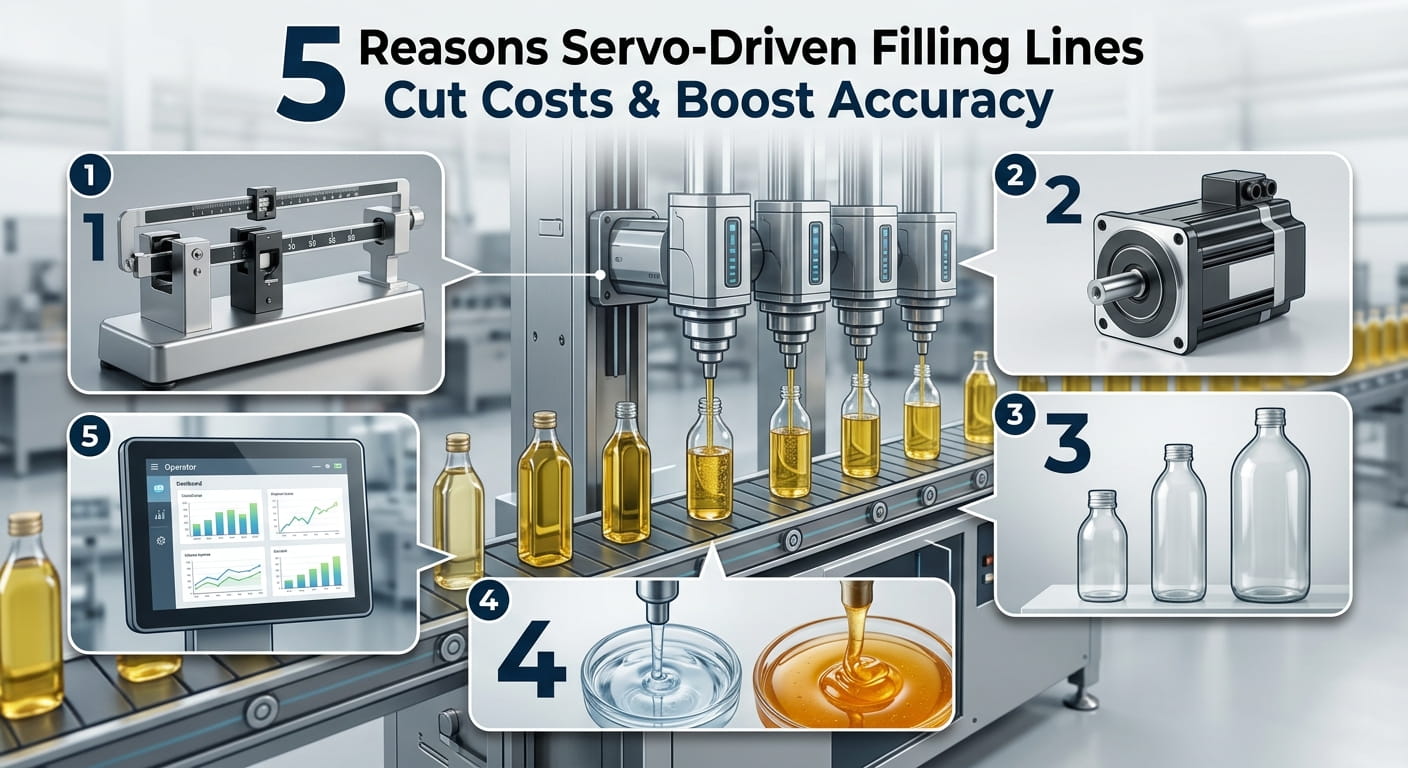
1. الأتمتة: يؤدي تنفيذ الأنظمة الآلية إلى تقليل تكاليف العمالة بشكل كبير وتعزيز الاتساق في العمليات. يمكن للسيور الناقلة الآلية، والروبوتات للتعبئة، والآلات الذكية المجهزة بأجهزة استشعار أن تعزز السرعة والدقة.
2. تقنيات التصنيع الرشيق: يساعد تبني مبادئ التصنيع الرشيق في تقليل الهدر وتعظيم الإنتاجية. يمكن أن يتضمن ذلك تبسيط العمليات، وتحسين سير العمل، وضمان أن كل عنصر في خط التعبئة يضيف قيمة إلى المخرج النهائي.
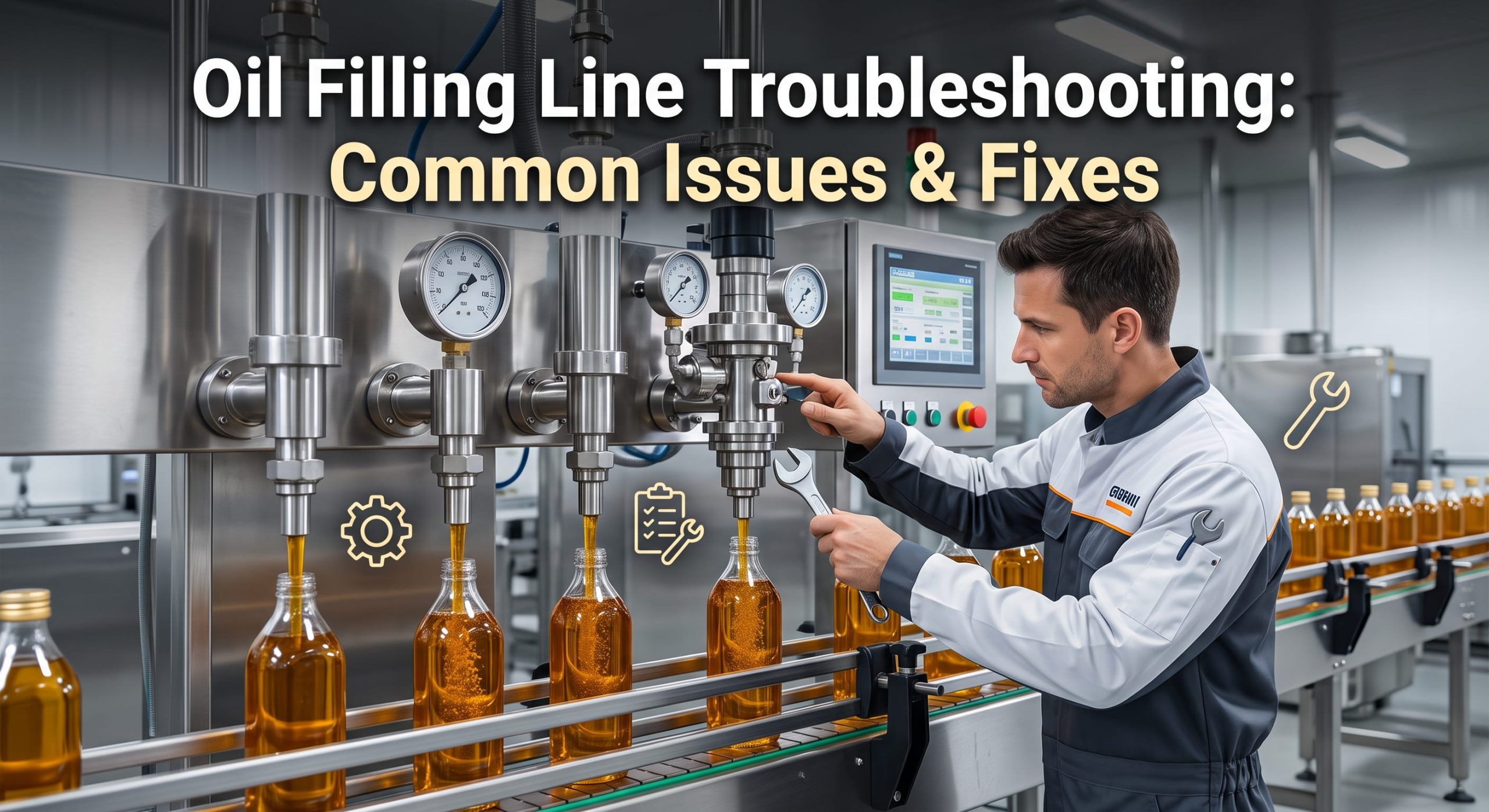
3. الصيانة الدورية والرعاية: تعد الصيانة الروتينية للآلات ضرورية لمنع الأعطال والحفاظ على إنتاج ثابت. يمكن أن يساعد تنفيذ برامج الصيانة التنبؤية في توقع المشكلات قبل أن تؤدي إلى توقف مكلف للعمل.
الاستدامة في تعبئة المشروبات الغازية
مع تزايد الوعي البيئي بين المستهلكين والشركات على حد سواء، أصبحت الاستدامة نقطة محورية في قطاع تعبئة المشروبات الغازية. تسعى الشركات الآن بنشاط إلى تقليل بصمتها البيئية من خلال مبادرات مختلفة:
1. استخدام المواد القابلة لإعادة التدوير: يعطي مصنعو المشروبات الأولوية لاستخدام المواد القابلة لإعادة التدوير في عملية التعبئة الخاصة بهم، مثل زجاجات PET. يدعم هذا الاختيار اقتصاداً دائرياً حيث يتم إعادة استخدام المواد، مما يقلل من النفايات.
2. استراتيجيات إدارة المياه: يعد الاستخدام الفعال للمياه أمراً بالغ الأهمية، خاصة بالنظر إلى اعتماد الصناعة الكبير على هذا المورد الحيوي. يمكن أن يؤدي تنفيذ أنظمة إعادة تدوير المياه إلى تقليل استهلاك المياه بشكل كبير وخفض التكاليف التشغيلية.
3. كفاءة الطاقة: يمكن أن يؤدي تحسين استخدام الطاقة - من خلال تقنيات مثل محركات التردد المتغير في المضخات والمحركات - إلى توفير كبير في التكاليف وتقليل انبعاثات الكربون. بالإضافة إلى ذلك، يمكن أن يؤدي الاستثمار في مصادر الطاقة المتجددة إلى تعزيز الاستدامة بشكل أكبر.
التحديات في عمليات التعبئة
على الرغم من التقدم العديدة، تواجه صناعة تعبئة المشروبات الغازية تحديات فريدة:
1. الامتثال التنظيمي: يجب على مصنعي المشروبات التنقل في مشهد معقد من اللوائح المتعلقة بالصحة والسلامة. يتطلب الالتزام بهذه اللوائح مراقبة وتحديثاً مستمراً للعمليات لتلبية معايير الصناعة.
2. تفضيلات المستهلك: أصبح مستهلكو اليوم أكثر اطلاعاً وتمييزاً من أي وقت مضى. إنهم يعطون الأولوية لشفافية المنتج والمكونات. يجب أن تلبي أنظمة التعبئة احتياجات إنتاج مجموعة متنوعة من المشروبات، من المشروبات الغازية السكرية إلى البدائل الصحية.
3. اضطرابات سلسلة التوريد: سلط الوباء العالمي الضوء على هشاشة سلاسل التوريد. غالباً ما تعتمد عمليات التعبئة على إمدادات ثابتة من المواد، ويمكن أن تؤثر الاضطرابات بشكل كبير على جداول الإنتاج.
الاتجاهات الناشئة في الصناعة
نظام تعبئة المشروبات الغازية ليس ثابتاً. هناك العديد من الاتجاهات التي تشكل المستقبل، ويجب على الشركات التكيف وفقاً لذلك:
1. التخصيص: مع تزايد تخصص تفضيلات المستهلكين، تتجه الشركات نحو إنتاج مشروبات مخصصة. ومن المرجح أن يستلزم هذا الاتجاه أنظمة تعبئة مرنة قادرة على التعامل مع مختلف النكهات وأحجام العبوات وتصاميم الملصقات.
2. الرقمنة: يُمكّن دمج تقنيات إنترنت الأشياء (IoT) من مراقبة عملية التعبئة في الوقت الفعلي. ويمكن لتحليلات البيانات تحسين الأداء وتقليل الهدر وتعزيز جودة المنتج.
3. المنتجات المهتمة بالصحة: هناك طلب متزايد على خيارات المشروبات الصحية، بما في ذلك المشروبات منخفضة السكر والمشروبات الوظيفية المعززة بالفيتامينات. يجب أن تتكيف أنظمة التعبئة لتلبية هذه الأذواق والتفضيلات المتطورة.
الخلاصة
يعد نظام تعبئة المشروبات الغازية جانباً حيوياً في صناعة المشروبات، حيث يتأثر بعوامل مختلفة، بما في ذلك التكنولوجيا وتفضيلات المستهلك واعتبارات الاستدامة. ومع استمرار تطور السوق، يجب على الشركات البقاء على اطلاع بالاتجاهات الناشئة، وتكييف عملياتها لتحقيق الكفاءة، وتبسيط إجراءاتها لتلبية طلبات المستهلكين. ومن خلال التعامل بفعالية مع تعقيدات عمليات التعبئة، يمكن للشركات وضع نفسها في مكانة تضمن لها النجاح في هذه الصناعة الديناميكية والتنافسية.