في عالم الصناعة سريع الخطى اليوم، تتطلب عمليات التصنيع الكفاءة والاتساق والمخرجات عالية الجودة. ومن بين الآليات المحورية التي تسهل تحقيق هذه الأهداف هي خطوط التعبئة المتكاملة. يهدف هذا المقال إلى تقديم فهم شامل لخطوط التعبئة المتكاملة، وأهميتها، ومكوناتها، وأفضل الممارسات لتنفيذها في مختلف قطاعات التصنيع.
ما هو خط التعبئة المتكامل؟
خط التعبئة المتكامل هو نظام مترابط مصمم لأتمتة عملية تعبئة المنتجات في حاويات مثل الزجاجات أو العلب أو الأكياس. تشمل هذه الخطوط سلسلة من الآلات والعمليات المترابطة التي تضمن التعبئة الدقيقة، والإغلاق، ووضع الملصقات، وتغليف المنتجات. تُستخدم خطوط التعبئة المتكاملة بشكل شائع في صناعات مثل الأغذية والمشروبات، والأدوية، ومستحضرات التجميل، وهي تعزز الإنتاجية بشكل كبير وتقلل من الخطأ البشري.
أهمية خطوط التعبئة المتكاملة
يوفر تنفيذ خط تعبئة متكامل العديد من المزايا التي تلبي احتياجات الكفاءة التشغيلية وجودة المنتج. أولاً، تؤدي الأتمتة إلى زيادة المخرجات، مما يسمح للمصنعين بتلبية الطلب المتزايد دون المساومة على الجودة. ثانياً، يقلل الاتساق في عمليات التعبئة من الهدر ويحسن استخدام الموارد. وأخيراً، تعمل خطوط التعبئة المتكاملة على تحسين سلامة مكان العمل من خلال تقليل العمل البدني، وبالتالي تقليل مخاطر الإصابات المرتبطة بالعمليات اليدوية.
المكونات الرئيسية لخط التعبئة المتكامل
يعد فهم مكونات خط التعبئة المتكامل أمراً ضرورياً لتحسين أدائه. فيما يلي العناصر الأساسية التي يتكون منها خط التعبئة النموذجي:
1. أنظمة تحضير المنتج
قبل تعبئة العناصر، يجب تحضيرها بفعالية. قد يتضمن ذلك عمليات مثل الخلط، أو البسترة، أو الترشيح، اعتماداً على طبيعة المنتج. إن ضمان مطابقة المنتج لمعايير الجودة المحددة مسبقاً قبل دخوله مرحلة التعبئة أمر بالغ الأهمية، لأنه يؤثر بشكل مباشر على جودة المنتج النهائي.
2. آلات التعبئة
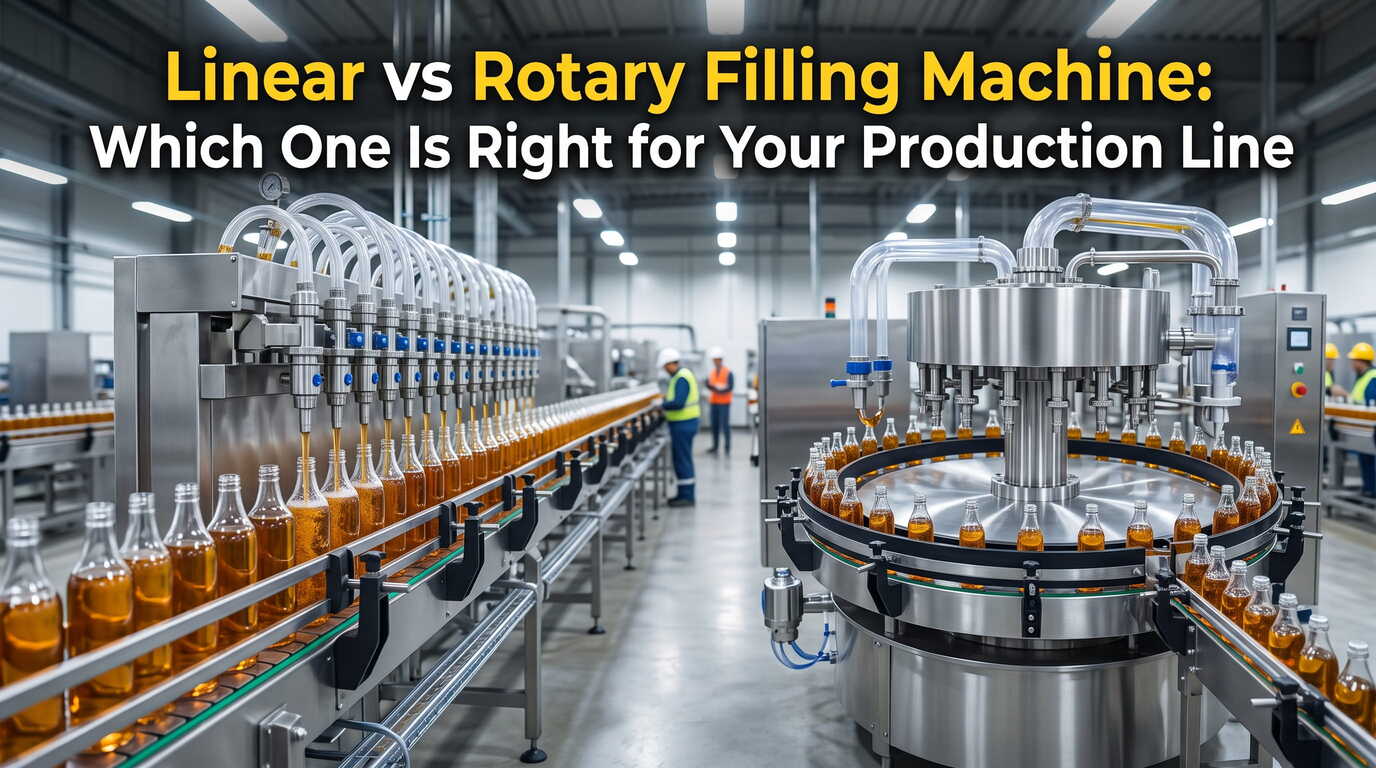
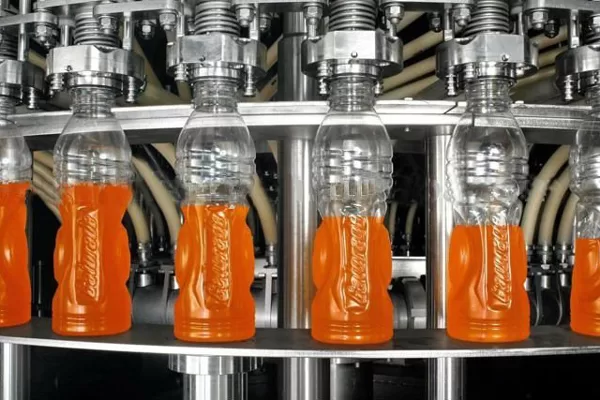
قلب أي خط تعبئة هو آلة التعبئة. تم تصميم هذه الآلات لتوزيع المنتج في حاوياته بدقة عالية. توجد أنواع مختلفة من آلات التعبئة، بما في ذلك حشوات الحجم، وحشوات الجاذبية، وحشوات الضغط. يقدم كل نوع مزايا فريدة يمكن تصميمها لتناسب خصائص المنتج ومتطلبات الإنتاج المحددة.
3. آلات الإغلاق (السد)
بعد التعبئة، تقوم آلات الإغلاق (السد) بإغلاق الحاويات بإحكام. يعد الإغلاق الموثوق جانباً محورياً في التغليف، وهو ضروري لضمان نضارة المنتج وسلامته. يمكن لآلات الإغلاق الأوتوماتيكية التعامل مع أنواع مختلفة من الأغطية، مثل الأغطية اللولبية، والأغطية القابلة للضغط، والسدادات الفلينية، مما يسمح للمصنعين بالحفاظ على المرونة في عملياتهم.
4. آلات وضع الملصقات
تلعب آلات وضع الملصقات دوراً حاسماً في العلامة التجارية وتحديد هوية المنتجات. تضمن عملية وضع الملصقات أن يتم تمييز كل حاوية بشكل مناسب بمعلومات حيوية، مثل المكونات، وتعليمات الاستخدام، وتواريخ انتهاء الصلاحية. يمكن لآلات وضع الملصقات عالية السرعة تعزيز معدلات الإنتاج بشكل كبير مع الحفاظ على الدقة.
5. آلات التغليف
أخيراً، بعد عمليات التعبئة والإغلاق ووضع الملصقات، يجب تغليف المنتجات للتوزيع. تعمل آلات التغليف على أتمتة عمليات التغليف، والتعبئة في صناديق، ورص البضائع على منصات نقالة، مما يبسط الخدمات اللوجستية المتعلقة بنقل المنتجات إلى السوق.
سير العمل في خط التعبئة المتكامل
يمكن أن يساعد فهم سير العمل داخل خط التعبئة المتكامل في زيادة الكفاءة إلى أقصى حد. فيما يلي تفصيل خطوة بخطوة لسير العمل النموذجي:
الخطوة 1: استقبال المنتج ومراقبة الجودة
عند الوصول، تخضع المواد الخام لفحوصات مراقبة الجودة لضمان الالتزام بمعايير السلامة. يوفر هذا الفحص الأولي الوقت والموارد لاحقاً في عملية الإنتاج.
الخطوة 2: الخلط أو التحضير
بمجرد الموافقة، تحتاج المنتجات التي تتطلب تحضيراً إلى الخلط أو المعالجة. على سبيل المثال، قد تمر المشروبات بعمليات ترشيح أو كربنة، بينما قد تتطلب الكريمات أو المستحضرات عملية تجانس.
الخطوة 3: التعبئة
يدخل المنتج المحضر بعد ذلك إلى آلة التعبئة. اعتماداً على نوع الآلة، يتم توزيع المنتج في الحاويات بدقة وكفاءة. يجب على المشغلين معايرة آلات التعبئة وصيانتها بانتظام لضمان الدقة المستمرة.
الخطوة 4: الإغلاق (السد)
بعد التعبئة، تنتقل الحاويات إلى قسم الإغلاق حيث يتم وضع الأغطية. هذه الخطوة حاسمة في منع التلوث والحفاظ على جودة المنتج.
الخطوة 5: وضع الملصقات
بمجرد إغلاق الحاويات، يتم وضع الملصقات عليها. من الضروري التأكد من وضع الملصقات بشكل صحيح لتجنب مشاكل العلامة التجارية أو المشكلات التنظيمية. يجب توحيد الفحص الدوري للملصقات للحفاظ على الدقة.
الخطوة 6: التغليف
أخيراً، يتم تغليف المنتجات التي تحمل ملصقات وتجهيزها للشحن. تعمل أنظمة التغليف الفعالة على تعزيز سرعة الخدمات اللوجستية ويمكن أن تقلل من التلف أثناء النقل.
أفضل الممارسات لتنفيذ خطوط التعبئة المتكاملة
لضمان فعالية خطوط التعبئة المتكاملة، يجب على المصنعين الالتزام بأفضل الممارسات التي تؤكد على الجودة والكفاءة:
1. إجراء تقييم شامل للاحتياجات
قبل الاستثمار في خط تعبئة متكامل، يجب على المصنعين إجراء تقييم شامل للاحتياجات ذات الصلة. قد يشمل ذلك تحليل أحجام الإنتاج، وأنواع المنتجات، ومتطلبات السوق المستهدفة. إن فهم هذه العوامل يسمح للشركات باختيار الآلات والعمليات الأكثر ملاءمة.
2. الاستثمار في آلات عالية الجودة
تعد معدات التعبئة عالية الجودة أمراً بالغ الأهمية لتحقيق معايير الإنتاج المطلوبة. الاستثمار في آلات متينة وموثوقة يقلل من الأعطال ويعزز الإنتاجية. يُنصح بالبحث في الخيارات المختلفة وطلب توصيات من الزملاء في الصناعة.
3. تنفيذ برامج التدريب
تدريب الموظفين أمر حيوي. يجب تدريب المشغلين على الاستخدام الصحيح وصيانة آلات خط التعبئة. يمكن أن تساهم الدورات التنشيطية المنتظمة في تحقيق مستويات أعلى من الكفاءة ومعايير السلامة.
4. الصيانة والمعايرة الدورية
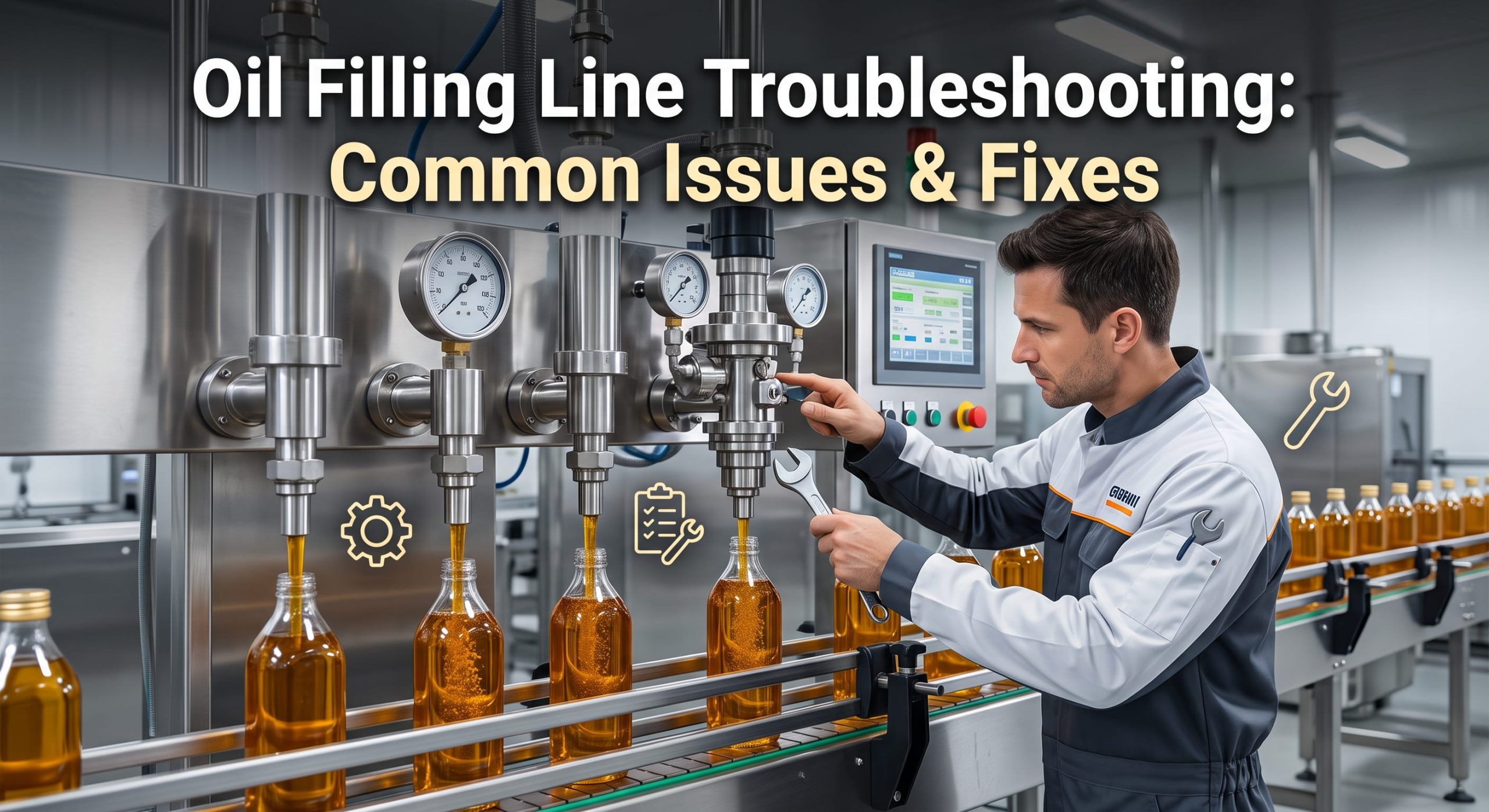
يضمن وضع جدول للصيانة أن تعمل جميع الآلات بأقصى كفاءة. يمكن أن تساعد المعايرة المنتظمة لآلات التعبئة في منع التناقضات وضمان قياسات دقيقة.
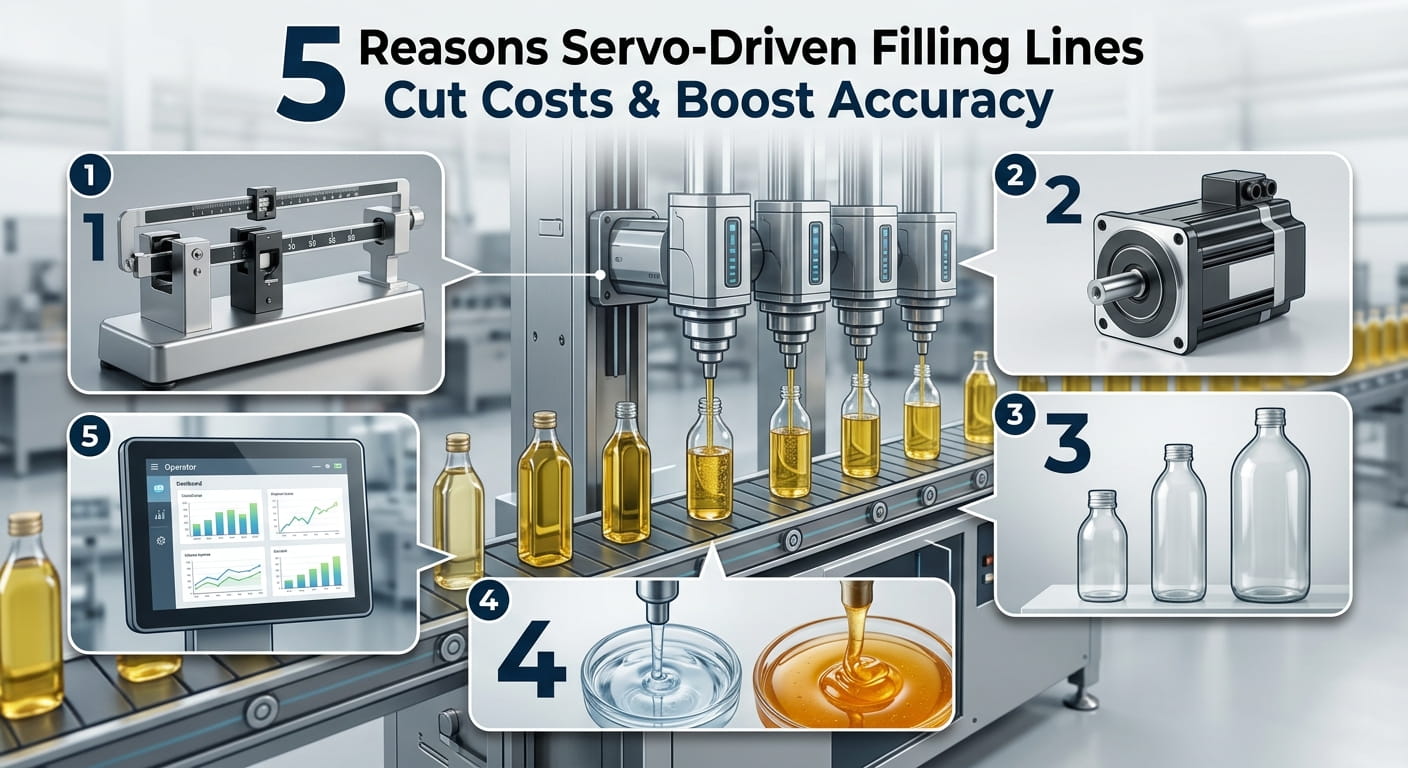
5. الاستفادة من التكنولوجيا والأتمتة
يمكن أن يؤدي استخدام أحدث التقنيات، مثل إنترنت الأشياء (IoT) والتعلم الآلي، إلى تحسين العمليات وتسهيل مراقبة عمليات الإنتاج في الوقت الفعلي. تساعد هذه الابتكارات في تحديد الاختناقات ومجالات التحسين.
الاتجاهات المستقبلية في تكنولوجيا خطوط التعبئة
مع استمرار تطور التصنيع، ستتكيف خطوط التعبئة المتكاملة أيضاً مع الاتجاهات الناشئة. فيما يلي ابتكارات جديرة بالملاحظة قد تشكل مستقبل تكنولوجيا خطوط التعبئة:
1. الأتمتة الذكية
سيؤدي الاستخدام المتزايد للذكاء الاصطناعي وتعلم الآلة إلى حلول أتمتة أكثر ذكاءً. ستعمل هذه التقنيات على تعزيز الصيانة التنبؤية والسماح باتخاذ القرارات في الوقت الفعلي لتحسين الكفاءة.
2. حلول صديقة للبيئة
مع تزايد المخاوف البيئية، يسعى المصنعون إلى تبني عمليات مستدامة. ستصبح الابتكارات في تكنولوجيا خطوط التعبئة التي تقلل من استهلاك الطاقة وتستخدم مواد قابلة لإعادة التدوير أكثر انتشاراً.
3. الأنظمة المرنة
تتغير متطلبات السوق باستمرار. ستكون القدرة على التبديل السريع بين أنواع المنتجات أمراً بالغ الأهمية. من المرجح أن تدمج خطوط التعبئة المستقبلية تصميمات معيارية لتعزيز القدرة على التكيف وقابلية التوسع.
الخلاصة
توفر خطوط التعبئة المتكاملة حلاً لا غنى عنه للمصنعين الذين يهدفون إلى تبسيط عمليات الإنتاج مع الحفاظ على الجودة والاتساق العاليين. إن فهم المكونات وسير العمل وأفضل الممارسات المرتبطة بهذه الأنظمة يمكن أن يمكّن الشركات من تحسين عملياتها والاستجابة ببراعة لمتطلبات السوق. مع استمرار تقدم التكنولوجيا، سيكون البقاء على اطلاع بالاتجاهات أمراً حيوياً أيضاً للحفاظ على ميزة تنافسية في صناعة ديناميكية بشكل متزايد.