
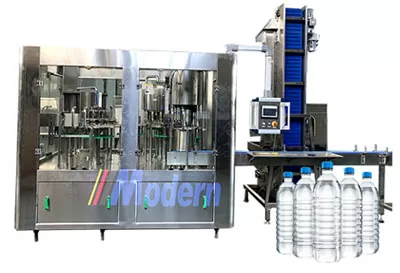
في عالم التصنيع والتعبئة والتغليف، تلعب آلات التعبئة دوراً لا غنى عنه في ضمان الكفاءة والدقة والاتساق. ومع استمرار تطور الصناعات، تقدمت التكنولوجيا الكامنة وراء آلات التعبئة بشكل كبير، مما يوفر للشركات مجموعة متنوعة من الخيارات المصممة خصيصاً لتلبية احتياجاتها المحددة. يتعمق هذا المقال في تعقيدات آلات التعبئة، ويستكشف أنواعها وتطبيقاتها ومزاياها واتجاهاتها المستقبلية، مع تقديم رؤى عملية للشركات التي تتطلع إلى تحسين عمليات التعبئة لديها.
فهم آلات التعبئة
آلات التعبئة هي أجهزة آلية مصممة لتوزيع حجم محدد من السوائل أو المساحيق أو المواد الحبيبية في حاويات مثل الزجاجات أو الجرار أو الأكياس. تعتبر هذه الآلات حيوية في مختلف القطاعات، بما في ذلك الأغذية والمشروبات، والأدوية، ومستحضرات التجميل، والمواد الكيميائية. الهدف الأساسي من آلة التعبئة هو تعزيز كفاءة الإنتاج مع الحفاظ على معايير عالية من الدقة والنظافة.
أنواع آلات التعبئة
يمكن تصنيف آلات التعبئة بشكل عام بناءً على آليتها ونوع المنتج الذي تتعامل معه. إن فهم هذه الفئات يمكن أن يساعد الشركات على اختيار الآلة الأكثر ملاءمة لعملياتها.
1. آلات تعبئة السوائل
تم تصميم آلات تعبئة السوائل للتعامل مع مجموعة واسعة من السوائل، بدءاً من الماء وحتى المواد اللزجة مثل الصلصات والكريمات. ويمكن تقسيمها أيضاً إلى:
- آلات التعبئة الحجمية: تقوم هذه الآلات بتوزيع حجم محدد مسبقاً من السائل، مما يضمن الاتساق عبر الدفعات.
- آلات التعبئة الوزنية: باستخدام مستشعرات الوزن، تقوم هذه الآلات بملء الحاويات بناءً على الوزن، وهو ما يمكن أن يكون مفيداً بشكل خاص للمنتجات عالية اللزوجة.
- آلات التعبئة الهوائية (Pneumatic): تستخدم هذه الآلات الهواء المضغوط لملء الحاويات، مما يجعلها مناسبة للسوائل التي تكون رغوة.
2. آلات تعبئة المساحيق
تم تصميم آلات تعبئة المساحيق خصيصاً للتعامل مع المواد المسحوقة. ويمكن تصنيفها إلى:
- آلات التعبئة اللولبية (Auger): تستخدم هذه الآلات برغياً دواراً (أوجير) لتوزيع المساحيق، وهي مثالية لمنتجات مثل الدقيق والسكر.
- آلات التعبئة بالجاذبية: باستخدام الجاذبية، تسمح هذه الآلات للمساحيق بالتدفق إلى الحاويات، وهي مناسبة للمساحيق حرة التدفق.
3. آلات تعبئة الحبيبات
تُستخدم آلات تعبئة الحبيبات لمنتجات مثل البذور والحبوب والكريات. وهي تعمل بشكل عام باستخدام مبادئ مشابهة لآلات تعبئة المساحيق ولكنها مصممة لاستيعاب أحجام جزيئات أكبر.
تطبيقات آلات التعبئة
تجد آلات التعبئة تطبيقات في مختلف الصناعات، ولكل منها متطلبات وتحديات فريدة. إن فهم هذه التطبيقات يمكن أن يساعد الشركات على تحديد الآلة المناسبة لاحتياجاتها.
1. صناعة الأغذية والمشروبات
في قطاع الأغذية والمشروبات، تُستخدم آلات التعبئة لتعبئة السوائل مثل العصائر والصلصات ومنتجات الألبان، بالإضافة إلى المساحيق مثل التوابل والدقيق. تعتبر النظافة والامتثال للوائح الصحية أمراً بالغ الأهمية في هذه الصناعة، مما يجعل اختيار تكنولوجيا التعبئة المناسبة أمراً حاسماً.
2. الصناعات الدوائية
تعتمد صناعة الأدوية بشكل كبير على آلات التعبئة لتعبئة الأدوية، سواء في شكل سائل أو مسحوق. الدقة أمر بالغ الأهمية في هذا القطاع، حيث أن الجرعات غير الصحيحة يمكن أن تؤدي إلى عواقب وخيمة. لذلك، يجب أن تلتزم الآلات بالمعايير التنظيمية الصارمة.
3. صناعة مستحضرات التجميل
تتطلب مستحضرات التجميل ومنتجات العناية الشخصية، مثل اللوشن والكريمات والعطور، آلات تعبئة متخصصة يمكنها التعامل مع المواد اللزجة والمتطايرة. كما أن جماليات التعبئة والتغليف مهمة أيضاً في هذه الصناعة، حيث تؤثر على تصور المستهلك وصورة العلامة التجارية.
4. الصناعة الكيميائية
في القطاع الكيميائي، تُستخدم آلات التعبئة لتعبئة مجموعة متنوعة من المواد، بما في ذلك المواد الخطرة. تعد ميزات السلامة والبناء القوي ضرورية لضمان المناولة الآمنة والامتثال للوائح البيئية.
مزايا استخدام آلات التعبئة
يوفر الاستثمار في آلات التعبئة العديد من المزايا التي يمكن أن تعزز بشكل كبير الكفاءة التشغيلية وجودة المنتج.
1. زيادة الكفاءة
تعمل آلات التعبئة على أتمتة عملية التعبئة، مما يقلل الوقت والجهد المطلوبين مقارنة بالتعبئة اليدوية. تسمح هذه الكفاءة المتزايدة للشركات بتوسيع نطاق الإنتاج دون المساس بالجودة.
2. الاتساق والدقة
تضمن آلات التعبئة الآلية ملء كل حاوية وفقاً للمواصفات الدقيقة، مما يقلل من مخاطر الملء الزائد أو الناقص. هذا الاتساق أمر بالغ الأهمية للحفاظ على جودة المنتج وتلبية توقعات العملاء.
3. خفض تكاليف العمالة
من خلال أتمتة عملية التعبئة، يمكن للشركات تقليل اعتمادها على العمالة اليدوية، مما يؤدي إلى خفض تكاليف العمالة وتقليل


