في عصر أصبح فيه التخصيص أمراً بالغ الأهمية، لم تعد صناعة المشروبات بمنأى عن هذا التطور. فقد أدى الطلب المتزايد على العصائر الفريدة والطازجة وعالية الجودة إلى زيادة كبيرة في استخدام آلات تعبئة العصائر المخصصة. توفر هذه الآلات المرونة والكفاءة والدقة، مما يغير الطريقة التي يتم بها إنتاج العصائر وتعبئتها. تتعمق هذه المقالة في تفاصيل آلات تعبئة العصائر المخصصة، وتستكشف مزاياها ووظائفها وأفضل الممارسات لتنفيذها في بيئات الإنتاج الحديثة.
فهم آلات تعبئة العصائر المخصصة
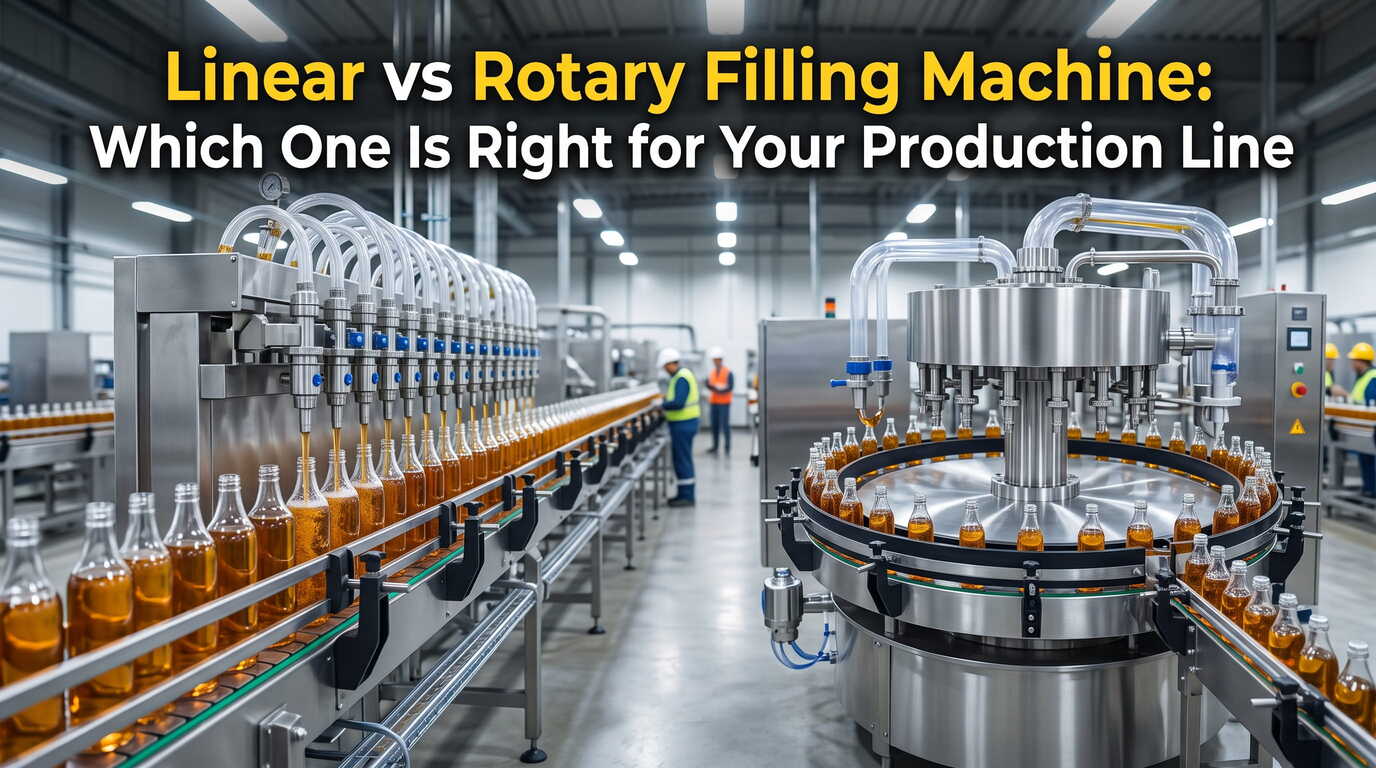
تم تصميم آلات تعبئة العصائر المخصصة خصيصاً لتلبية الاحتياجات المتنوعة لمنتجي العصائر. وعلى عكس آلات التعبئة القياسية، يمكن لهذه الحلول المخصصة التعامل مع أحجام زجاجات وأحجام تعبئة وتنسيقات تغليف مختلفة، مما يجعلها متعددة الاستخدامات بشكل لا يصدق. وهي تخدم مجموعة من التطبيقات بدءاً من المنتجين الحرفيين على نطاق صغير وصولاً إلى المصنعين الصناعيين على نطاق واسع.
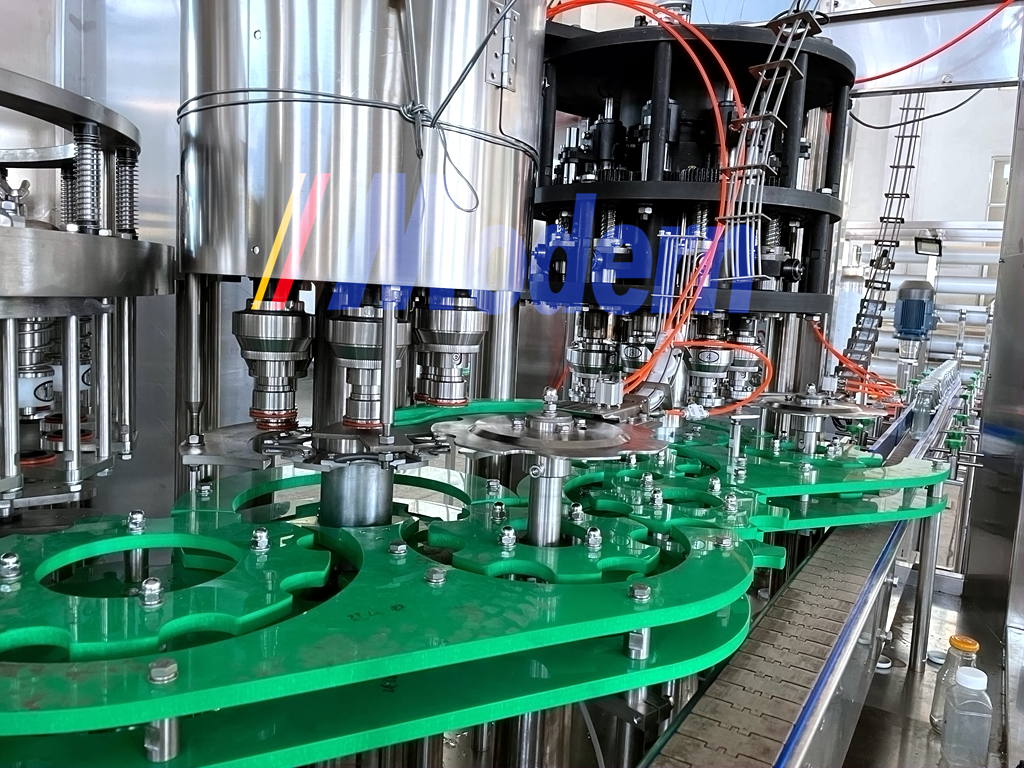
تتضمن المكونات الأساسية لآلة تعبئة العصائر النموذجية قادوساً لحفظ العصير، ومضخة لنقل السائل، وفوهات تعبئة، ونظام إغلاق. قد تدمج الطرازات المتقدمة عمليات التنظيف والتعقيم لضمان النظافة، بالإضافة إلى خيارات وضع الملصقات والتغليف لتبسيط خط الإنتاج.
مزايا آلات تعبئة العصائر المخصصة
1. المرونة والقدرة على التكيف
تعد المرونة إحدى المزايا الأساسية لآلات تعبئة العصائر المخصصة. إذ يمكن تصميم هذه الآلات لتعبئة أنواع مختلفة من العصائر، بما في ذلك العصائر المخفوقة (سموذي)، والعصائر المعصورة على البارد، والأنواع المنكهة. ومن خلال دمج أجزاء قابلة للتبديل، يمكنها التبديل بسرعة بين المنتجات دون توقف كبير، مما يتيح للمصنعين تلبية اتجاهات السوق بسرعة أكبر.
2. تعزيز الكفاءة
تعد الكفاءة أمراً بالغ الأهمية في صناعة المشروبات التنافسية. تم تحسين آلات التعبئة المخصصة لتقليل الهدر وتعزيز سرعة الإنتاج. يمكن لتقنيات الأتمتة المتقدمة تقليل التدخل البشري والأخطاء، وتقليل انسكاب المنتج، وضمان مستويات تعبئة متسقة. ترتبط هذه الكفاءة المتزايدة بشكل مباشر بتوفير التكاليف في العمالة والمواد بمرور الوقت.
3. الدقة والاتساق
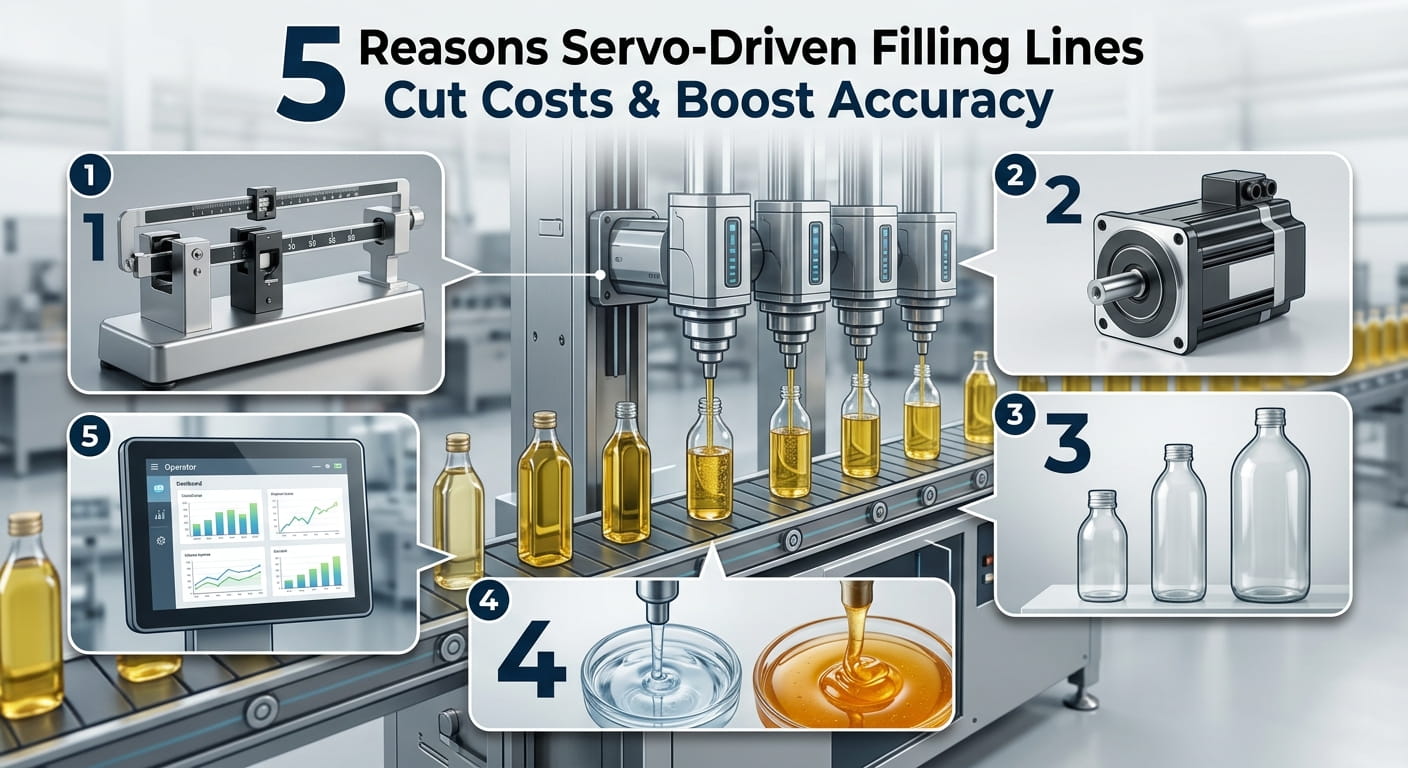
تعد التعبئة الدقيقة ضرورية للحفاظ على جودة المنتج وتلبية المعايير التنظيمية. تستخدم آلات تعبئة العصائر المخصصة مستشعرات وأنظمة تحكم متطورة لتوفير قياسات تعبئة دقيقة وضمان تعبئة كل حاوية بشكل صحيح. يساعد هذا المستوى من الدقة العلامات التجارية في الحفاظ على الاتساق عبر دفعات الإنتاج، وهو أمر حيوي لرضا العملاء وولاء العلامة التجارية.
الميزات الرئيسية التي يجب البحث عنها في آلة تعبئة العصائر المخصصة
1. نظام وحدة التحكم المنطقية القابلة للبرمجة (PLC)
يعزز نظام PLC التحكم التشغيلي، مما يسمح بإجراء تعديلات سهلة على البرنامج ومراقبة عملية الإنتاج. ومن خلال واجهة سهلة الاستخدام، يمكن للمشغلين تعديل الإعدادات بسرعة، مما يضمن تلبية الآلة لمتطلبات إنتاج محددة.
2. النظافة وسهولة التنظيف
في صناعة العصائر، النظافة أمر غير قابل للتفاوض. يجب أن تتمتع آلات التعبئة المخصصة بتصاميم تسمح بالتفكيك والتنظيف السهل. يجب أن تلبي المواد المستخدمة في التصنيع معايير سلامة الغذاء، مثل الفولاذ المقاوم للصدأ والبلاستيك المخصص للأغذية، لمنع التلوث.
3. التكامل مع الأنظمة الأخرى
غالباً ما يتطلب خط إنتاج المشروبات الناجح دمج آلات مختلفة، بما في ذلك الخلاطات، وأجهزة البسترة، وآلات وضع الملصقات. اختر آلة تعبئة عصائر يمكنها الاندماج بسلاسة مع الآلات الموجودة لإنشاء سير عمل سلس وفعال.
أفضل الممارسات لتنفيذ آلات تعبئة العصائر المخصصة
1. إجراء بحث شامل
قبل الاستثمار في آلة تعبئة عصائر مخصصة، قم بإجراء بحث شامل حول الأنواع والمصنعين والميزات المتاحة في السوق. قم بتقييم احتياجات الإنتاج الخاصة بك، وقيود الميزانية، ومستويات الإنتاج المطلوبة للعثور على الخيار الأمثل لعملياتك.
2. طلب دعم وتدريب المصنع
تواصل مع المصنع لفهم الخدمة والدعم الذي يقدمونه بعد الشراء. يعد التدريب الشامل لموظفيك أمراً بالغ الأهمية لتعظيم وظائف الآلة وضمان كفاءة تشغيلية طويلة الأمد. تأكد من تدريب فريقك بشكل كافٍ على ممارسات الصيانة لتقليل وقت التوقف عن العمل.
3. المراقبة والصيانة المستمرة
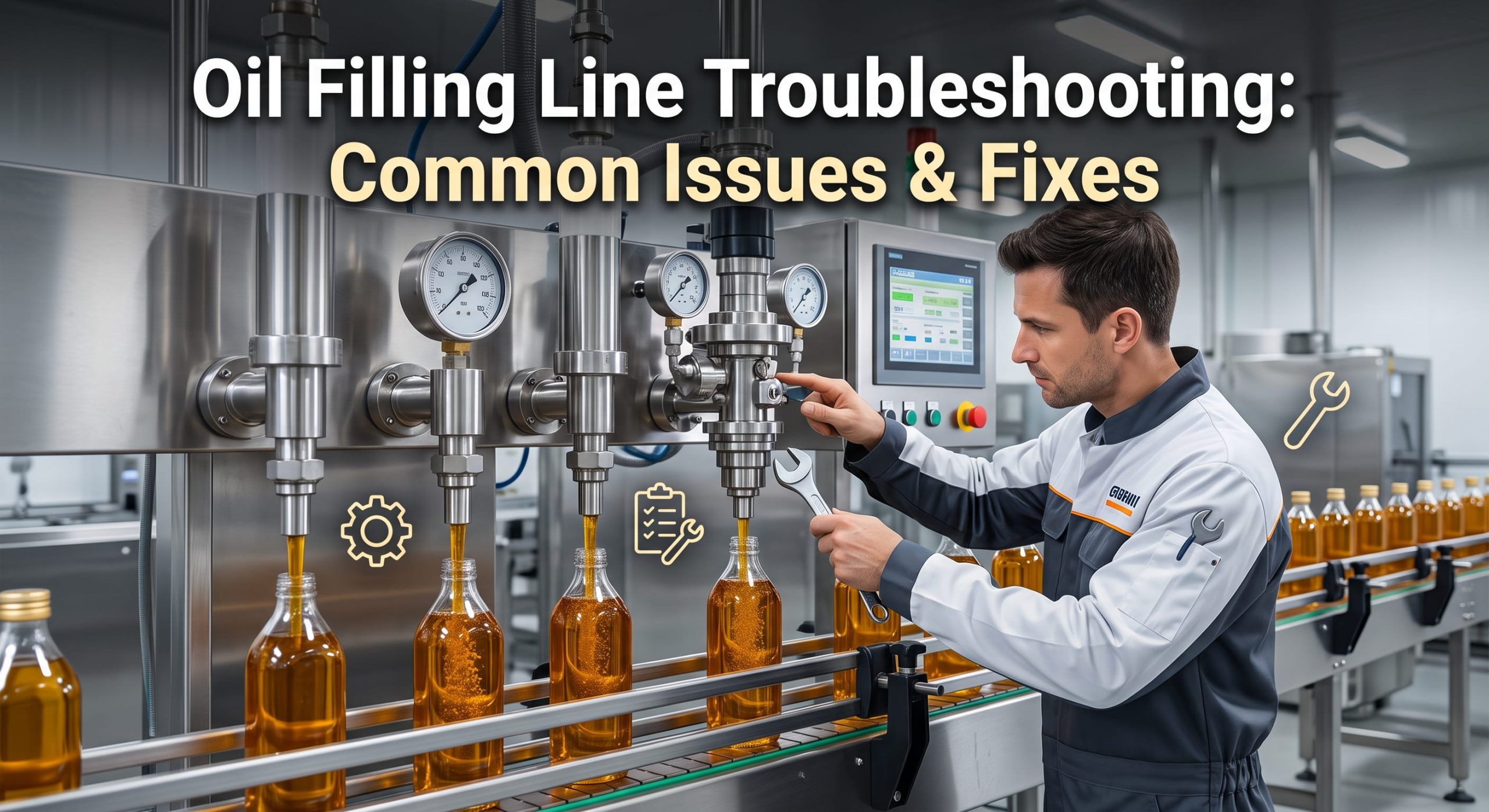
بعد التثبيت، من الضروري مراقبة أداء آلة تعبئة العصائر باستمرار. يمكن لفحوصات الصيانة الدورية منع الأعطال غير المتوقعة وإطالة عمر المعدات. يمكن أن يساعد إعداد جدول صيانة ودمج تقنيات الاستشعار في تتبع حالة الآلة بفعالية.
الاتجاهات المستقبلية في تكنولوجيا تعبئة العصير
تتطور صناعة المشروبات باستمرار، مع ظهور تقنيات جديدة لتلبية تفضيلات المستهلكين المتغيرة والمتطلبات التنظيمية. تتكيف آلات تعبئة العصائر المخصصة أيضاً مع هذه الاتجاهات. إليك بعض الجوانب التي يجب مراقبتها:
1. الممارسات المستدامة
مع تزايد وعي المستهلكين بالبيئة، يستكشف المصنعون طرقاً لجعل عملياتهم أكثر استدامة. يمكن لآلات التعبئة المخصصة تقليل الهدر من خلال عمليات التعبئة الفعالة ودمج مواد التغليف القابلة لإعادة التدوير. من المرجح أن يشكل هذا الاتجاه التصاميم والوظائف المستقبلية.
2. دمج التكنولوجيا الذكية
يتزايد استخدام التكنولوجيا الذكية في عمليات التصنيع بسرعة. قد تدمج آلات تعبئة العصائر المخصصة قريباً تقنية إنترنت الأشياء (IoT)، مما يتيح جمع البيانات وتحليلها في الوقت الفعلي. سيسمح هذا التقدم للمصنعين بتحسين جداول الإنتاج، ومراقبة أداء الآلة عن بُعد، والتنبؤ باحتياجات الصيانة، وبالتالي زيادة الكفاءة التشغيلية.
3. خيارات تخصيص محسنة
مع سعي المستهلكين المستمر للحصول على نكهات وتغليف فريد، سيرتفع الطلب على تخصيص أكبر في المعالجة. قد تتميز آلات تعبئة العصائر المستقبلية بتصاميم معيارية، مما يسمح للمنتجين بتكييف عمليات التعبئة الخاصة بهم بسرعة لتلبية طلبات العملاء المحددة، وبالتالي الحفاظ على ميزة تنافسية في السوق.
الخلاصة
تعمل آلات تعبئة العصائر المخصصة على تغيير مشهد إنتاج المشروبات من خلال توفير المرونة، وتعزيز الكفاءة، والحفاظ على سلامة منتجات العصائر. يتطلب الاستثمار في هذه التكنولوجيا دراسة متأنية لاحتياجاتك الخاصة، والمراقبة المستمرة، والانفتاح على تبني اتجاهات جديدة مع تطور الصناعة. من خلال تبني حلول التعبئة المخصصة، لا يمكن لمنتجي العصائر تبسيط عملياتهم فحسب، بل يمكنهم أيضاً وضع أنفسهم في موقع متميز داخل سوق شديدة التنافسية. مع استمرار تحول طلبات المستهلكين نحو التخصيص والجودة، سيصبح دور آلات تعبئة العصائر المخصصة حاسماً بشكل متزايد في تلبية تلك التوقعات.