
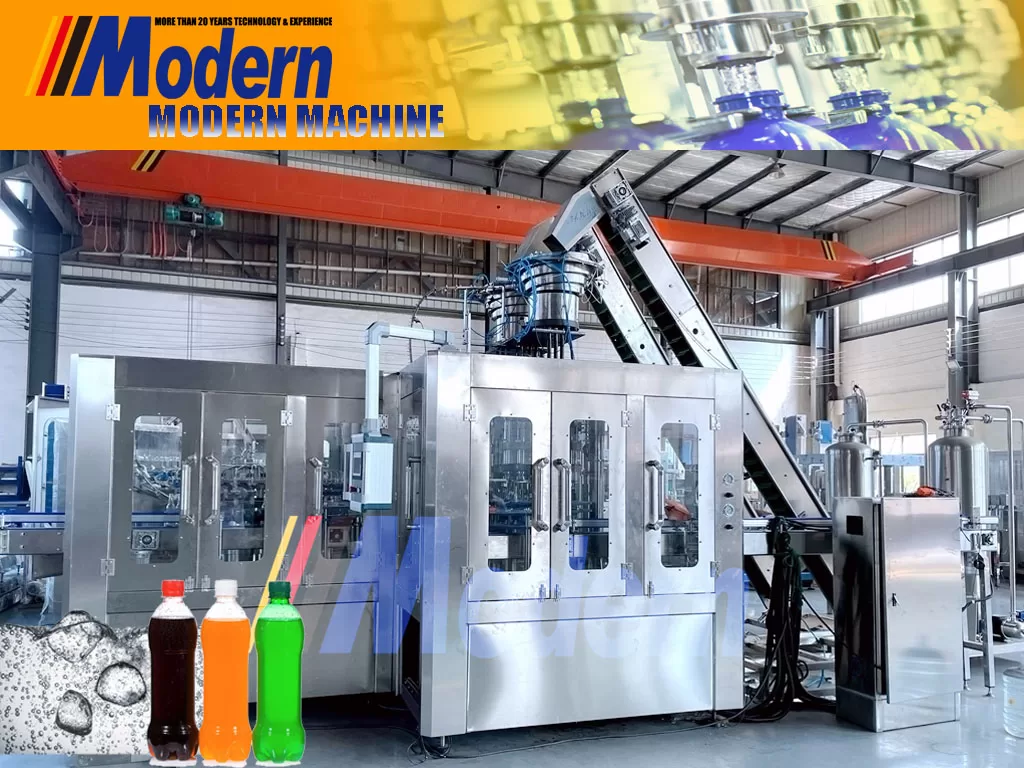
في عالم إنتاج المشروبات سريع الخطى، أصبحت آلات تعبئة المشروبات الغازية أدوات لا غنى عنها لتعزيز الكفاءة، وضمان الاتساق، وتعزيز الممارسات الصحية. ومع تحول تفضيلات المستهلكين نحو عروض أكثر تنوعاً، تزداد الحاجة إلى آلات تعبئة حديثة تلبي تركيبات المشروبات المختلفة. يستكشف هذا المقال تطور آلات تعبئة المشروبات الغازية وأنواعها ووظائفها وأفضل الممارسات المتعلقة بها، مما يوفر رؤى قيمة للشركات العاملة في صناعة المشروبات.
1. السياق التاريخي لآلات التعبئة
يمكن تتبع رحلة آلات تعبئة المشروبات الغازية إلى أواخر القرن التاسع عشر. في البداية، كانت عمليات تعبئة المشروبات تعتمد على العمليات اليدوية باستخدام معدات بدائية، والتي كانت كثيفة العمالة وعرضة للأخطاء. ومع تزايد طلب المستهلكين بفضل الشعبية المتزايدة للمشروبات الغازية، بدأ المصنعون في البحث عن حلول أسرع وأكثر موثوقية.
بحلول منتصف القرن العشرين، أدخلت التطورات التكنولوجية آلات تعبئة أوتوماتيكية وشبه أوتوماتيكية، مما أدى إلى زيادة سرعة الإنتاج بشكل كبير وتقليل تكاليف العمالة. واليوم، تم تجهيز هذه الآلات بأحدث التقنيات، وهي قادرة على التعامل مع مجموعة متنوعة من أحجام وأشكال ومواد الزجاجات.
2. أنواع آلات تعبئة المشروبات الغازية
يعد فهم الأنواع المختلفة لآلات تعبئة المشروبات الغازية أمراً ضرورياً للشركات التي تهدف إلى تحسين عمليات الإنتاج الخاصة بها. تشمل الأنواع الرئيسية ما يلي:
2.1 آلات التعبئة بالجاذبية
تعمل حشوات الجاذبية وفقاً لمبدأ الجاذبية. غالباً ما تُستخدم هذه الآلات للمشروبات غير الغازية، مثل العصائر أو الشاي. يتدفق السائل من خزان إلى الزجاجات تحت قوة الجاذبية، مما يضمن تعبئة فعالة للمنتجات منخفضة اللزوجة.
2.2 حشوات التفريغ (Vacuum Fillers)
تخلق حشوات التفريغ فراغاً داخل الزجاجة لسحب السائل إلى الداخل، مما يجعلها مناسبة للمنتجات عالية اللزوجة. هذه الآلات مثالية لتعبئة الشراب والعصائر الكثيفة، حيث قد تواجه حشوات الجاذبية صعوبة في ذلك. علاوة على ذلك، فهي تقلل من الرغوة، مما يضمن تعبئة نظيفة.
2.3 حشوات الضغط (Pressure Fillers)
تستخدم حشوات الضغط الهواء المضغوط لدفع المشروب الغازي إلى الزجاجات. تُستخدم هذه الطريقة بشكل شائع للمشروبات الغازية، لأنها تسمح بالتحكم في حجم الغاز ومستويات الكربنة. تقلل حشوات الضغط من مخاطر الانسكاب وفقدان المنتج.
2.4 حشوات المكبس (Piston Fillers)
تستخدم حشوات المكبس مضخة مكبس لتوزيع حجم معين من السائل في الزجاجات. هذه التقنية دقيقة للغاية وغالباً ما تُستخدم للسوائل الأكثر كثافة، بما في ذلك الصلصات والشراب. تسمح حشوات المكبس بالتحكم الدقيق في مستويات التعبئة، مما يساهم في اتساق المنتج.
3. الميزات والتقنيات الرئيسية
تدمج آلات تعبئة المشروبات الغازية الحديثة تقنيات متقدمة تعزز من أدائها وموثوقيتها. تشمل الميزات الرئيسية ما يلي:
3.1 الأتمتة
تعد الأتمتة عاملاً مغيراً لقواعد اللعبة في تعبئة المشروبات الغازية. تقلل الآلات الأوتوماتيكية من التدخل البشري، مما يزيد من الكفاءة مع تقليل مخاطر التلوث. ميزات مثل التعامل الأوتوماتيكي مع الزجاجات، والسد، ووضع الملصقات تعمل على تبسيط عملية الإنتاج.
3.2 تكنولوجيا الاستشعار
إن تجهيز آلات التعبئة بأجهزة استشعار يعزز سلامة وجودة المنتج. يمكن لأجهزة الاستشعار اكتشاف وجود الزجاجات، وقياس مستويات التعبئة، ومراقبة درجة الحرارة والضغط. يسمح هذا النهج القائم على البيانات للمصنعين بإجراء تعديلات في الوقت الفعلي ومعالجة المشكلات المحتملة بشكل استباقي.
3.3 معايير النظافة
في سوق اليوم المهتم بالصحة، لا يمكن المبالغة في أهمية النظافة في إنتاج المشروبات. تم تصميم آلات تعبئة المشروبات الغازية بمكونات وأسطح سهلة التنظيف، وغالباً ما تتميز بهياكل من الفولاذ المقاوم للصدأ تقاوم التآكل ونمو البكتيريا. بالإضافة إلى ذلك، تتضمن العديد من الآلات خيارات التنظيف الذاتي، مما يضمن الامتثال للوائح الصحية.
3.4 كفاءة الطاقة
مع تزايد المخاوف البيئية، تركز صناعة المشروبات بشكل متزايد على الاستدامة. تم تصميم آلات التعبئة الحديثة لتحقيق كفاءة الطاقة، واستهلاك طاقة أقل وتقليل النفايات. تساعد ميزات مثل محركات السرعة المتغيرة وأنظمة استعادة الحرارة الشركات على تحقيق أهداف الاستدامة الخاصة بها.
4. أفضل الممارسات لتشغيل آلات تعبئة المشروبات الغازية
إن فهم كيفية تشغيل وصيانة آلات التعبئة بفعالية يمكن أن يعزز من عمرها الافتراضي وأدائها. فيما يلي العديد من أفضل الممارسات:
4.1 الصيانة الدورية
يعد تنفيذ جدول صيانة روتيني أمراً بالغ الأهمية لأي آلة تعبئة. يمكن للفحوصات والخدمة المنتظمة منع الأعطال غير المتوقعة وإطالة العمر التشغيلي للآلة. يجب أن تشمل هذه الصيانة التشحيم، وفحص الأختام، واستبدال المكونات البالية.
4.2 تدريب المشغلين
الاستثمار في التدريب الشامل للمشغلين يضمن فهمهم لوظائف الآلة وبروتوكولات السلامة. يمكن للموظفين المدربين جيداً اكتشاف المشكلات مبكراً، وتشغيل الآلات بكفاءة، والالتزام بمعايير النظافة.
4.3 تحسين معايير الإنتاج
يمكن أن يؤدي ضبط آلة التعبئة على معايير الإنتاج المثلى إلى تحسين جودة المخرجات بشكل كبير. تشمل المعايير الرئيسية سرعة التعبئة، وإعدادات الضغط، والتحكم في درجة الحرارة. إن تحليل هذه الإعدادات بانتظام وفقاً لخصائص المنتج يعزز كلاً من كفاءة الإنتاج واتساق المنتج.
4.4 تدابير مراقبة الجودة
يعد تنفيذ بروتوكول صارم لمراقبة الجودة أمراً لا غنى عنه في إنتاج المشروبات. يضمن أخذ العينات واختبار المنتجات المعبأة بانتظام الامتثال لمعايير الصناعة وتوقعات المستهلكين. يجب معالجة أي انحرافات على الفور لمنع دفعات من المنتجات دون المستوى المطلوب.
5. الاتجاهات والابتكارات المستقبلية في تكنولوجيا التعبئة
مع تطور صناعة المشروبات الغازية، تتطور أيضاً التقنيات المحيطة بآلات التعبئة. تشمل بعض الاتجاهات المستقبلية المتوقعة ما يلي:
5.1 الواقع المعزز (AR) والواقع الافتراضي (VR)
من المتوقع أن تُحدث تقنيات الواقع المعزز والواقع الافتراضي ثورة في تدريب وصيانة آلات التعبئة. يمكن للمشغلين تلقي رؤى في الوقت الفعلي ومساعدة عن بُعد عبر نظارات الواقع المعزز، مما يقلل من وقت التوقف عن العمل ويعزز الأداء في أرضية الإنتاج.
5.2 دمج الذكاء الاصطناعي (AI)
يمكن لخوارزميات الذكاء الاصطناعي التنبؤ بأعطال الآلات بناءً على البيانات التاريخية، مما يتيح الصيانة الاستباقية وتقليل فترات التوقف غير المتوقعة. علاوة على ذلك، يمكن للذكاء الاصطناعي المساعدة في تحسين معايير التعبئة لتحقيق اتساق وكفاءة أفضل للمنتج.
5.3 بيئة عمل محسنة
مع تطور القوى العاملة، سيزداد التركيز على بيئة العمل في تصميم الآلات. إن آلات التعبئة التي تعتمد على مبادئ بيئة العمل ستعمل على تقليل إجهاد العمال، وتعزيز الإنتاجية، وتوفير بيئة عمل أكثر أماناً.
الخلاصة
ختاماً، تُعد آلات تعبئة المشروبات الغازية أصولاً بالغة الأهمية لأي منشأة لإنتاج المشروبات. إذ تؤثر تصميماتها وميزاتها وأفضل ممارسات التشغيل الخاصة بها على الإنتاجية وجودة المنتج والامتثال للمعايير الصحية. ومع تقدم الصناعة، سيكون تبني التقنيات والاتجاهات الجديدة أمراً حيوياً للمصنعين الذين يتطلعون إلى الحفاظ على قدرتهم التنافسية في سوق دائم التطور. ومن خلال الاستثمار المدروس في تكنولوجيا التعبئة والالتزام بالجودة والكفاءة، يمكن للشركات تلبية توقعات المستهلكين وتجاوزها لسنوات قادمة.


