
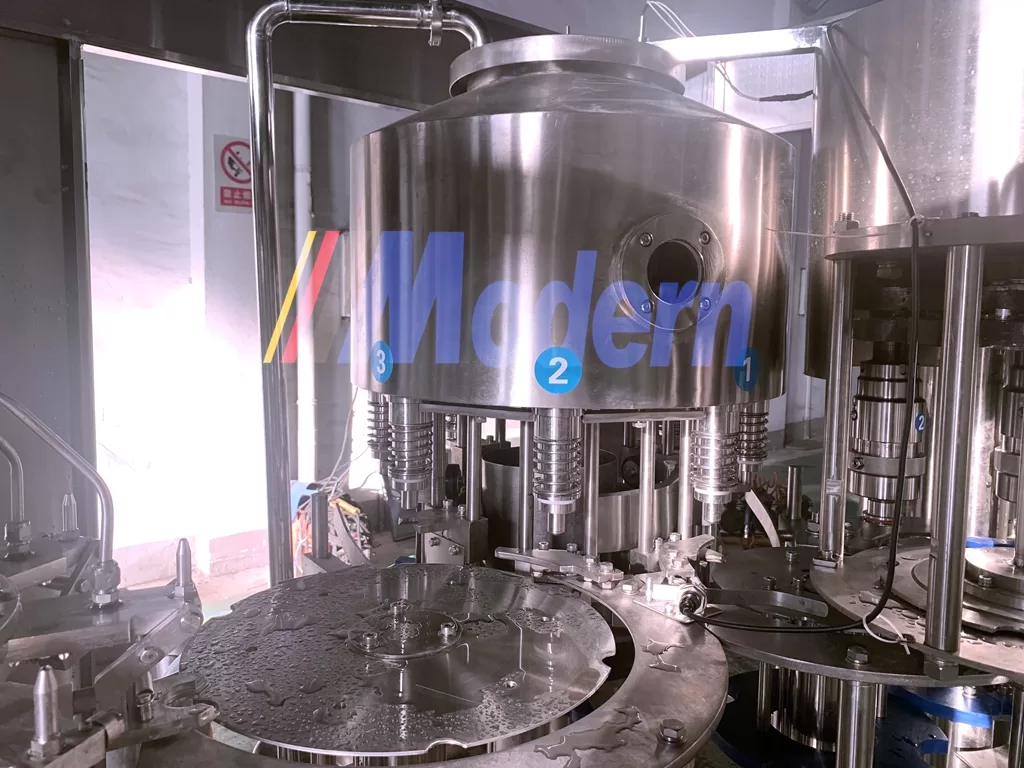
في عالم إنتاج المشروبات سريع الخطى، تلعب آلات تعبئة المشروبات دوراً محورياً في ضمان الكفاءة والاتساق والجودة. ومع النمو الهائل الذي تشهده صناعة المشروبات العالمية، تزايد الطلب على آلات التعبئة المتطورة. يتعمق هذا المقال في عالم آلات تعبئة المشروبات، ويستكشف أنواعها وابتكاراتها وأفضل الممارسات للشركات التي تتطلع إلى تعزيز عملياتها.
فهم آلات تعبئة المشروبات
آلات تعبئة المشروبات هي معدات متخصصة مصممة لتوزيع السوائل في العبوات، مما يضمن دقة الحجم، وتقليل الانسكاب، وتقليل الاعتماد على العمالة اليدوية. توجد هذه الآلات في قطاعات مختلفة، بما في ذلك المشروبات الغازية، والبيرة، والمياه، والعصائر، ومنتجات الألبان، وحتى الأدوية. لا يمكن المبالغة في أهميتها في صناعة المشروبات، حيث أنها تؤثر بشكل مباشر على جودة المنتج وسرعة الإنتاج والتكاليف التشغيلية.
أنواع آلات تعبئة المشروبات
تأتي آلات تعبئة المشروبات في أنواع مختلفة، كل منها مصمم لتلبية متطلبات إنتاج محددة. يمكن أن يساعد فهم الفئات المختلفة الشركات على اختيار المعدات المناسبة لاحتياجاتها.
1. آلات التعبئة بالجاذبية
تعتمد آلات التعبئة بالجاذبية على قوة الجاذبية لملء العبوات. هذه الآلات بسيطة نسبياً، مما يجعلها فعالة من حيث التكلفة، وهي مثالية للمنتجات ذات اللزوجة المنخفضة إلى المتوسطة. تُستخدم عادةً لتعبئة المياه والعصائر وغيرها من المشروبات غير الغازية. إحدى المزايا الملحوظة هي أنها تتطلب حداً أدنى من الصيانة ويمكن أن تعمل بكفاءة بسرعات معتدلة.
2. آلات التعبئة بالضغط
بالنسبة للمشروبات الغازية، تعتبر آلات التعبئة بالضغط ضرورية. تقوم هذه الآلات بملء العبوات تحت الضغط، مما يمنع فقدان الغازات أثناء عملية التعبئة. وهي قادرة على التعامل مع سرعات أعلى وتوفر أحجام تعبئة دقيقة، مما يجعلها مناسبة لإنتاج البيرة والمياه الفوارة. ومع ذلك، قد تتطلب هذه الآلات مزيداً من الصيانة بسبب آلياتها المعقدة.
3. آلات التعبئة بالتفريغ (الفراغ)
تستخدم آلات التعبئة بالتفريغ (الفراغ) ضغطاً سالباً لسحب السائل إلى العبوة. هذه الطريقة فعالة للغاية للمنتجات التي تحتاج إلى الحفاظ على سلامتها ونضارتها، مما يجعلها مثالية للسوائل الحساسة مثل العصائر والنبيذ. الميزة الرئيسية للتعبئة بالتفريغ هي أنها يمكن أن تقضي على جيوب الهواء، وبالتالي إطالة العمر الافتراضي للمنتجات.
4. آلات التعبئة بالبريمة (Auger)
تُستخدم آلات التعبئة بالبريمة (Auger) عادةً للمساحيق والمواد الحبيبية ولكن يمكن استخدامها أيضاً للسوائل السميكة. تعمل هذه الآلات عن طريق تدوير بريمة لتوزيع حجم دقيق من المنتج في العبوات. وغالباً ما توجد في صناعة الأغذية للمواد التي تتطلب حصة محددة، مثل الصلصات أو الشراب.
5. آلات التعبئة الخطية
توفر آلات التعبئة الخطية المرونة والقابلية للتعديل، ويمكنها استيعاب أنواع مختلفة من العبوات والمنتجات. وهي تعمل بطريقة خطية، مما يجعلها مناسبة لخطوط الإنتاج عالية السرعة. يمكن لهذه الآلات استخدام تقنيات تعبئة مختلفة، مثل الجاذبية أو الضغط أو التفريغ، اعتماداً على المنتج الذي تتم معالجته.
الميزات والابتكارات الرئيسية في آلات تعبئة المشروبات
أدت التطورات التكنولوجية إلى تحويل آلات تعبئة المشروبات بشكل كبير، مما أدى إلى تعزيز الأداء والكفاءة والموثوقية. فيما يلي بعض الميزات والابتكارات الرئيسية التي يجب مراعاتها عند تقييم الآلات:
1. أنظمة الأتمتة والتحكم
تم تجهيز آلات تعبئة المشروبات الحديثة بشكل متزايد بأنظمة آلية تعزز الدقة والكفاءة. تسمح لوحات التحكم المتقدمة للمشغلين بتعديل الإعدادات بسرعة ومراقبة معدلات الإنتاج، مما يضمن مراقبة الجودة أثناء عملية التعبئة. كما مهدت الثورة الصناعية الرابعة الطريق لدمج التكنولوجيا الذكية، مما يتيح الصيانة التنبؤية ومراقبة الأداء في الوقت الفعلي.
2. التصميم والمواد الصحية
نظراً لطبيعة المشروبات، فإن النظافة وسلامة الغذاء أمران في غاية الأهمية. غالباً ما يتم تصنيع آلات التعبئة المعاصرة من الفولاذ المقاوم للصدأ وغيرها من المواد الصحية التي يسهل تنظيفها. تتميز العديد من التصميمات الآن بأسطح ملساء وشقوق قليلة لتقليل مخاطر التلوث.
3. كفاءة الطاقة
مع تزايد الاهتمام بالاستدامة، قدم المصنعون مكونات موفرة للطاقة في آلات تعبئة المشروبات. تشمل هذه الابتكارات محركات محسنة، وتقليل استخدام المياه، وأنظمة استعادة الطاقة التي تعيد تدوير الطاقة المستهلكة أثناء الإنتاج. إن الاستثمار في الآلات الموفرة للطاقة لا يقلل التكاليف التشغيلية فحسب، بل يعزز أيضاً الاعتمادات البيئية للشركة.
4. حلول معيارية وقابلة للتوسع
بدأ العديد من المصنعين في تقديم آلات تعبئة معيارية يمكن ترقيتها أو توسيع نطاقها بسهولة وفقاً لاحتياجات الإنتاج. هذه القدرة على التكيف أمر بالغ الأهمية للشركات التي تشهد نمواً أو تقلبات موسمية، مما يسمح لها بتعديل السعة دون الحاجة إلى إعادة استثمار واسعة النطاق في آلات جديدة.
أفضل الممارسات لاختيار وتنفيذ آلات تعبئة المشروبات
يعد اختيار آلة تعبئة المشروبات المناسبة قراراً حاسماً يمكن أن يؤثر على كفاءة المؤسسة وربحيتها. فيما يلي بعض أفضل الممارسات التي يجب مراعاتها عند اختيار وتنفيذ آلات التعبئة:
1. تقييم احتياجات الإنتاج
قبل إجراء أي عمليات شراء، يجب على الشركات إجراء تقييم شامل لمتطلبات الإنتاج الخاصة بها. تلعب عوامل مثل أنواع العبوات، ولزوجة المنتج، ومعدلات الإنتاج المطلوبة أدواراً حاسمة في تحديد آلة التعبئة المناسبة. سيؤدي فهم هذه الاحتياجات إلى توجيه الشركات نحو خيارات أكثر ملاءمة ويؤدي إلى رضا أكبر على المدى الطويل.
2. النظر في الدعم الفني والتدريب
عند الاستثمار في آلات جديدة، ضع في اعتبارك مدى توفر الدعم الفني والتدريب من المورد. يضمن التدريب الشامل أن المشغلين مجهزون جيداً لاستخدام الآلات بفعالية، وبالتالي زيادة الإنتاجية وتقليل وقت التوقف عن العمل بسبب الأخطاء التشغيلية. يعد دعم ما بعد البيع الموثوق به ضرورياً أيضاً للحفاظ على أداء الآلة على المدى الطويل.
3. تقييم التكلفة مقابل الفوائد
على الرغم من أنه قد يكون من المغري اختيار خيارات أرخص، يجب على الشركات تقييم التكاليف طويلة الأجل مقابل فوائد الآلات المختلفة. يجب مراعاة عوامل مثل الكفاءة التشغيلية، وتوفير الطاقة، وتكاليف الصيانة لفهم العائد الإجمالي على الاستثمار. في كثير من الحالات، يمكن أن يؤدي الاستثمار أكثر قليلاً في البداية إلى وفورات كبيرة على المدى الطويل.
4. التحسين المستمر والترقيات
صناعة المشروبات ديناميكية، حيث تتطور تفضيلات المستهلك والتكنولوجيا باستمرار. يجب على الشركات تبني ثقافة التحسين المستمر والبقاء على اطلاع بأحدث الابتكارات في تكنولوجيا تعبئة المشروبات. يمكن للترقيات أو التعديلات المنتظمة على الآلات الحالية تحسين الأداء والتوافق مع متطلبات السوق المتغيرة، مما يعزز القدرة التنافسية.
الخلاصة
تعتبر آلات تعبئة المشروبات جزءاً لا يتجزأ من عملية تصنيع المشروبات، حيث تؤثر على كل شيء بدءاً من كفاءة الإنتاج وحتى جودة المنتج. من خلال فهم الأنواع المختلفة لآلات التعبئة، وتقييم الميزات المبتكرة، وتنفيذ أفضل الممارسات، يمكن للشركات اتخاذ قرارات مستنيرة ستؤثر بشكل كبير على أرباحها النهائية. مع استمرار نمو صناعة المشروبات وتكيفها، سيكون البقاء على اطلاع بالتطورات التكنولوجية واستراتيجيات الإنتاج أمراً حيوياً للنجاح المستدام.


