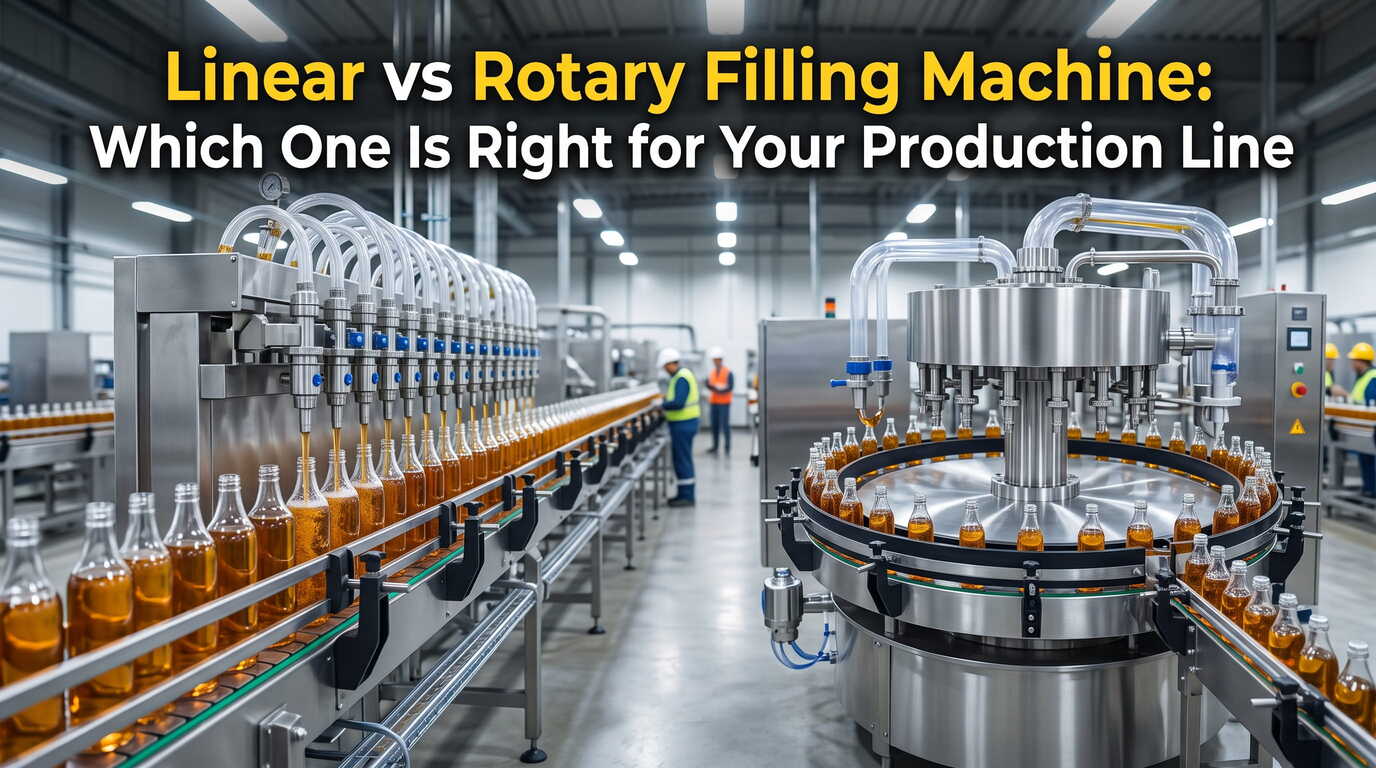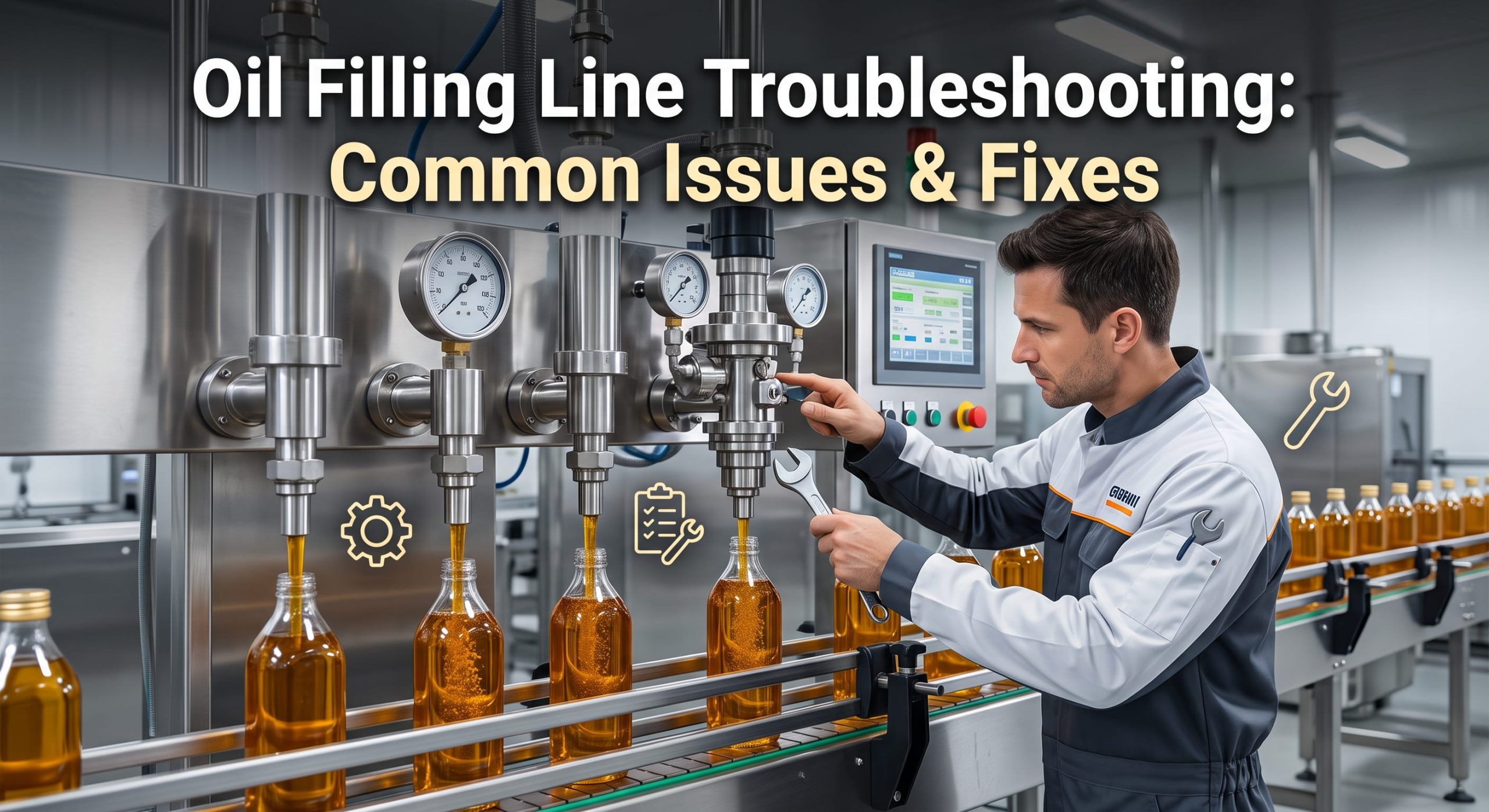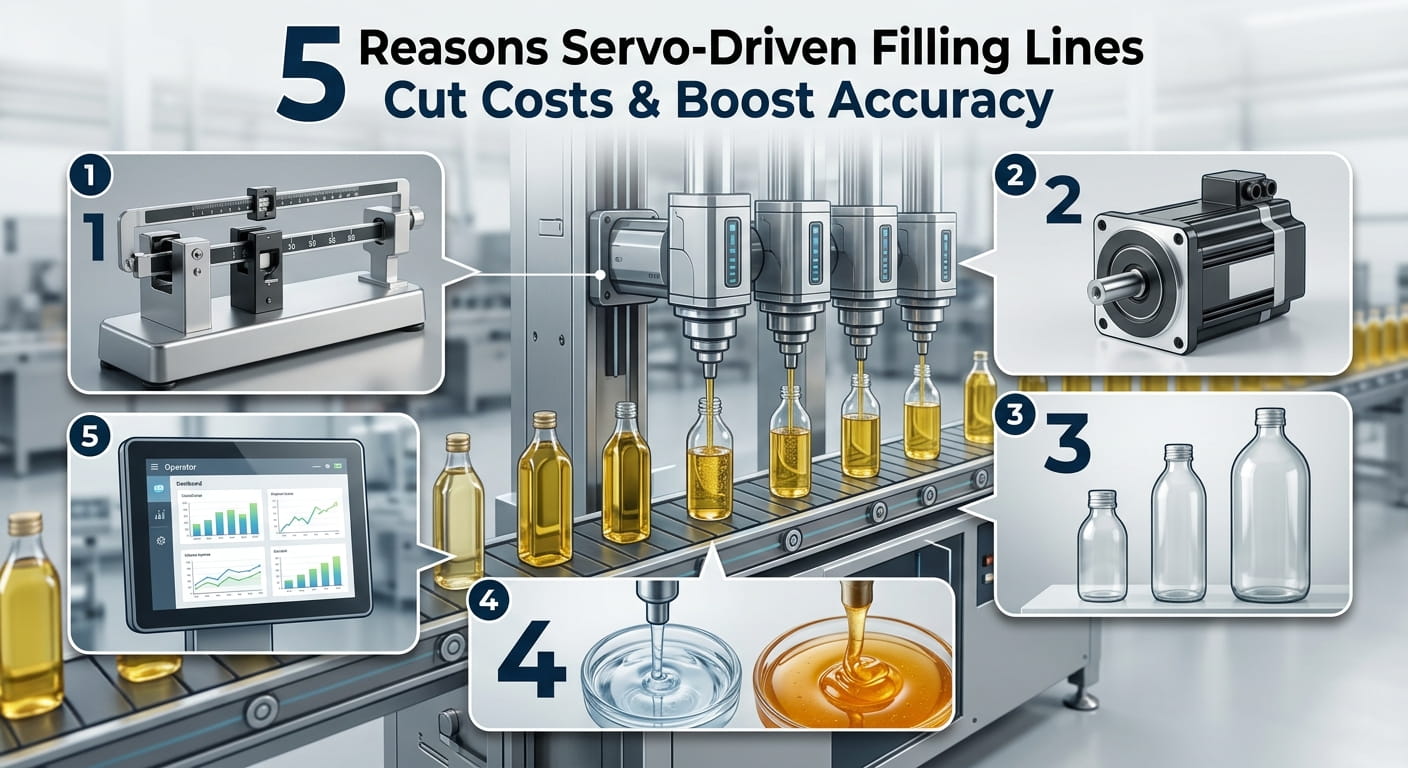
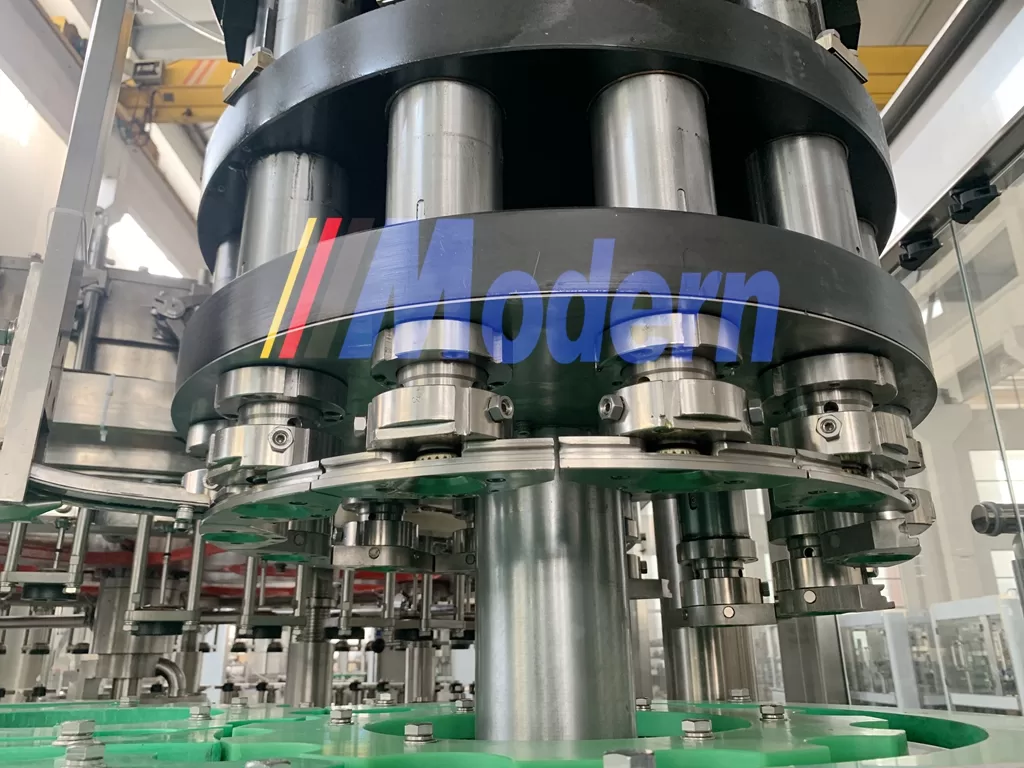
في المشهد الديناميكي لصناعة المشروبات العالمية، برزت آلات تعبئة أكياس المياه كمعدات حيوية للمصنعين. فهي تلعب دوراً لا يقدر بثمن في تعبئة مياه الشرب بكفاءة في أكياس لراحة المستهلك. يستعرض هذا المقال التعقيدات التشغيلية، ومزايا استخدام هذه الآلات، والعوامل التي يجب مراعاتها عند شراء واحدة، والاتجاهات المستقبلية التي قد تؤثر على هذا القطاع الأساسي من صناعة التعبئة والتغليف.
فهم آلات تعبئة أكياس المياه
آلات تعبئة أكياس المياه هي أجهزة متخصصة مصممة لتعبئة الأكياس مسبقة الصنع بالمياه. في العديد من المناطق، وخاصة في الدول النامية، تعد أكياس المياه الصغيرة خياراً شائعاً نظراً لأسعارها المعقولة وسهولة حملها وراحتها. تعمل هذه الآلات على أتمتة عملية التعبئة، مما يعزز الكفاءة مقارنة بالتعبئة اليدوية، وبالتالي يقلل من تكاليف العمالة ويقلل من مخاطر التلوث.
كيف تعمل آلات تعبئة أكياس المياه
يمكن تقسيم تشغيل آلات تعبئة أكياس المياه إلى سلسلة من الخطوات الرئيسية:
- تشكيل الأكياس: تأتي العديد من الآلات مجهزة بنظام لتشكيل الأكياس من لفات الأفلام البلاستيكية. وهذا يوفر مرونة من حيث الحجم وطرق الإغلاق.
- عملية التعبئة: تقوم الآلة بتعبئة الأكياس بدقة بالمياه المعالجة أو المفلترة. وغالباً ما يتم تحقيق ذلك من خلال أنظمة تعبئة حجمية أو تعتمد على الوزن لضمان الدقة.
- الإغلاق: بعد التعبئة، تخضع الأكياس لعملية إغلاق لضمان كونها محكمة الإغلاق وحماية المحتويات من التلوث.
- مراقبة الجودة: غالباً ما تكون الآلات المتقدمة مجهزة بأنظمة مراقبة لضمان مطابقة كل كيس لمعايير الجودة فيما يتعلق بحجم التعبئة وسلامة الإغلاق.
مزايا آلات تعبئة أكياس المياه
يوفر الاستثمار في آلة تعبئة أكياس المياه العديد من المزايا للمصنعين والمنتجين:
1. تعزيز الكفاءة
تزيد هذه الآلات بشكل كبير من سرعة الإنتاج. يمكن لعمليات التعبئة المؤتمتة إنتاج مئات إلى آلاف الأكياس في الساعة، اعتماداً على مواصفات الآلة. وتعد هذه القابلية للتوسع ضرورية لتلبية الطلب المتزايد، خاصة في المناطق ذات الكثافة السكانية العالية أو خلال مواسم الذروة.
2. فعالية التكلفة
على الرغم من أن الاستثمار الأولي قد يكون كبيراً، إلا أن التوفير طويل الأجل في العمالة والمواد والوقت يفوق هذه التكاليف بشكل عام. تقلل الأتمتة من الحاجة إلى عمالة مكثفة، مما يسمح للشركات بتخصيص الموارد بشكل أكثر فعالية.
3. تحسين النظافة والسلامة
في البلدان التي تشكل فيها جودة المياه مصدر قلق، يعد الحفاظ على النظافة أثناء عملية التعبئة أمراً بالغ الأهمية. تقلل آلات تعبئة أكياس المياه من التلامس البشري طوال فترة الإنتاج، مما يقلل من مخاطر التلوث ويضمن بقاء المياه آمنة للاستهلاك.
4. التنوع
تم تصميم العديد من الآلات لتعبئة ليس فقط المياه، ولكن أيضاً سوائل أو أشباه سوائل أخرى. تتيح هذه القدرة على التكيف للشركات تغيير عروض منتجاتها أو التنويع في أسواق جديدة دون الحاجة إلى معدات إضافية.
5. خيارات التخصيص
يمكن للمصنعين تخصيص حجم وطباعة وتصميم الأكياس، وتكييف المنتجات لتلبية متطلبات سوق معينة أو تفضيلات المستهلك. غالباً ما تؤدي هذه المرونة إلى تعزيز التعرف على العلامة التجارية وولاء العملاء.
اعتبارات رئيسية عند شراء آلة تعبئة أكياس المياه
قبل شراء آلة تعبئة أكياس المياه، هناك العديد من العوامل الحاسمة التي يجب تقييمها:
1. الطاقة الإنتاجية
قم بتقييم حجم الإنتاج المتوقع. يجب أن تتماشى الآلة مع أهدافك التشغيلية. إذا كان الطلب مرتفعاً بشكل خاص، فقد يكون من الحكمة الاستثمار في آلة ذات قدرة إنتاجية أكبر.
2. الجودة والمتانة
اختر الآلات المصنوعة من مواد عالية الجودة تعد بطول العمر وقلة الصيانة. يمكن أن توفر قراءة المراجعات وطلب التوصيات رؤى حول موثوقية النماذج المختلفة.
3. التكنولوجيا والميزات
قم بتقييم التكنولوجيا المدمجة في الآلة. يمكن لعناصر التحكم الرقمية، وأجهزة الاستشعار التلقائية، وتقنيات الإغلاق المتقدمة تحسين الكفاءة والموثوقية. اختر آلة توفر ميزات تتماشى مع متطلبات الإنتاج الخاصة بك.
4. الامتثال للمعايير
تأكد من أن الآلة تلتزم بلوائح الصحة والسلامة المحلية أو المعايير الدولية. المعدات التي تلبي هذه المعايير تقلل من المشكلات القانونية أو المتعلقة بالصحة المحتملة في المستقبل.
5. دعم ما بعد البيع والصيانة
سمعة المورد أمر بالغ الأهمية. ابحث عن دعم العملاء لديهم، وتوافر قطع الغيار، وخدمات الصيانة. يمكن للمورد الموثوق أن يحدث تأثيراً كبيراً على طول عمر وأداء أجهزتك.
الاتجاهات المستقبلية في قطاع آلات تعبئة أكياس المياه
سوق آلات تعبئة أكياس المياه مهيأ للتحول بسبب التقدم التكنولوجي وتغير تفضيلات المستهلك. إليك بعض الاتجاهات الناشئة التي يجب مراقبتها:
1. الأتمتة والتقنيات الذكية
تعد الأتمتة الأكبر تركيزاً حاسماً للمصنعين. ستوفر الآلات الذكية المجهزة بقدرات إنترنت الأشياء (IoT) بيانات التشغيل ووظائف الصيانة التنبؤية، مما يعزز الإنتاجية ويقلل من وقت التوقف عن العمل.
2. الاستدامة والمواد الصديقة للبيئة
مع زيادة الوعي بالمخاوف البيئية، تتحول الاتجاهات نحو التعبئة المستدامة. يمكن أن يؤدي اعتماد مواد قابلة للتحلل أو إعادة التدوير إلى وضع الشركات في مكانة إيجابية في السوق.
3. التخصيص وتفريد المنتجات
يستمر طلب المستهلكين على المنتجات الشخصية في النمو. ستكون آلات تعبئة أكياس المياه التي توفر خيارات تخصيص سريعة في ميزة تنافسية، مما يمكن العلامات التجارية من تلبية احتياجات الأسواق المتخصصة.
4. التكامل الرقمي
سيستمر تقارب التكنولوجيا داخل مساحة التعبئة والتغليف - من خلال استخدام تحليلات البيانات، والتعلم الآلي، والذكاء الاصطناعي - في إحداث ثورة في العمليات، مما يؤدي إلى تحسين الكفاءات وتقديم حلول مخصصة للمصنعين.
الخلاصة
تمثل آلات تعبئة أكياس المياه مكوناً أساسياً في صناعة تعبئة المشروبات، مما يساهم في الكفاءة وفعالية التكلفة وسلامة المستهلك. مع نمو السوق، ستصبح أهمية فهم الفروق الدقيقة التشغيلية وديناميكيات السوق لهذه الآلات أكثر حيوية. من خلال النظر بعناية في الميزات والتكنولوجيا والاتجاهات المستقبلية، يمكن للمصنعين اتخاذ قرارات مستنيرة تتماشى مع أهداف أعمالهم، مما يؤدي في النهاية إلى النجاح في هذا المشهد التنافسي. إن الاستثمار في آلة تعبئة أكياس مياه عالية الجودة اليوم يمكن أن يوفر عوائد كبيرة لسنوات قادمة.