
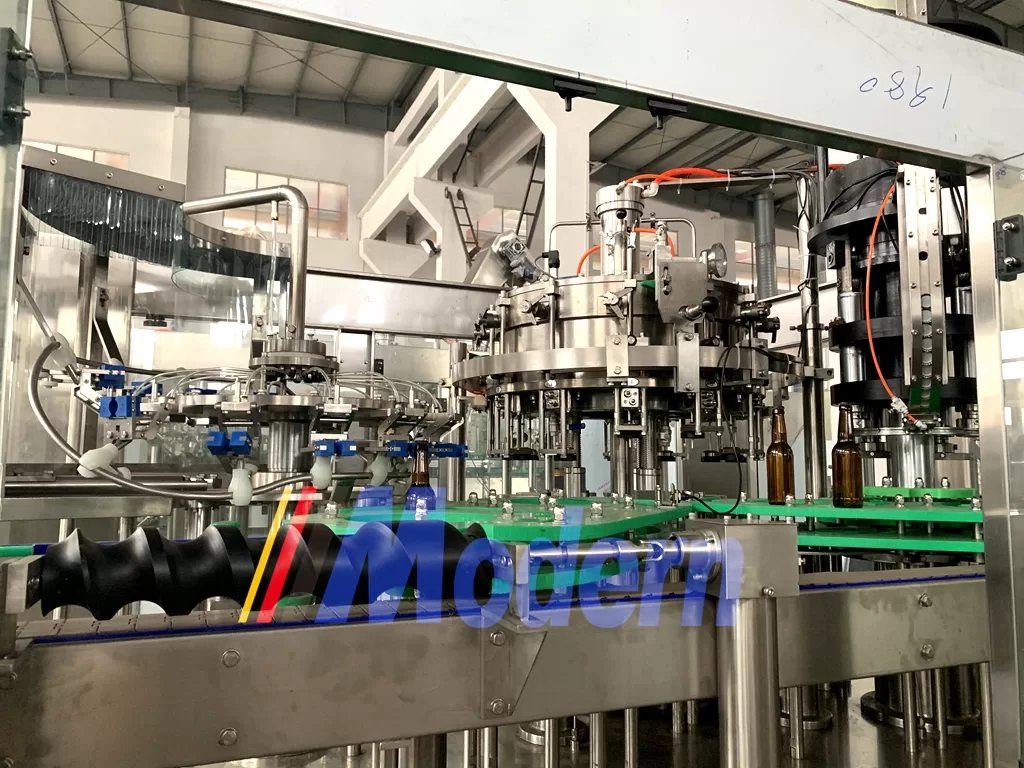
في صناعة إنتاج المشروبات، تعتبر الكفاءة والموثوقية أمراً بالغ الأهمية، خاصة عندما يتعلق الأمر بتعبئة المشروبات الغازية في زجاجات PET (بولي إيثيلين تيريفثاليت). يتعمق هذا المقال في تفاصيل آلات تعبئة المشروبات الغازية في زجاجات PET ويقدم رؤى حول أسعارها ومميزاتها والعوامل التي تؤثر على التكاليف. إن فهم هذه الجوانب أمر حيوي للشركات التي تتطلع إلى تحسين خطوط إنتاجها وضمان بقائها قادرة على المنافسة في سوق يتطور بسرعة.
ما هي آلة تعبئة المشروبات الغازية في زجاجات PET؟
آلة تعبئة المشروبات الغازية في زجاجات PET هي جهاز صناعي مصمم لتعبئة الزجاجات المصنوعة من PET بالمشروبات الغازية، مثل الصودا والمياه الفوارة. تعتبر هذه الآلات جزءاً لا يتجزأ من عملية التعبئة، حيث تقوم بأتمتة الإجراء لتعزيز الكفاءة وتقليل الخطأ البشري والحفاظ على جودة ثابتة.
أنواع آلات تعبئة زجاجات PET
هناك عدة أنواع من آلات تعبئة المشروبات الغازية في زجاجات PET، يختلف كل منها في التكنولوجيا والتصميم. إن فهم هذه الاختلافات يمكن أن يؤثر بشكل كبير على التسعير:
1. آلات التعبئة بالجاذبية
تستخدم آلات التعبئة بالجاذبية قوة الجاذبية لملء الزجاجات. هذه الطريقة بسيطة وفعالة من حيث التكلفة، مما يجعلها مناسبة للعمليات الصغيرة إلى متوسطة الحجم. ومع ذلك، يمكن أن تؤثر الصيانة والرعاية على التكاليف طويلة الأجل.
2. آلات التعبئة بالضغط
تعمل آلات التعبئة بالضغط باستخدام الضغط لملء الزجاجات. هذه الآلات مفيدة بشكل خاص للمشروبات الغازية لأنها تقلل من فقدان الكربنة. عادة ما تأتي بتكاليف أولية أعلى ولكنها يمكن أن توفر قيمة أفضل على المدى الطويل بسبب الكفاءة والسرعة.
3. آلات التعبئة الحجمية
تقوم آلات التعبئة الحجمية بتوزيع حجم محدد بدقة من السائل في كل زجاجة. يمكن لهذه الدقة أن تقلل بشكل كبير من الهدر وهي مثالية للأسواق عالية التنافسية حيث تعد مراقبة الجودة أمراً بالغ الأهمية.
العوامل المؤثرة على سعر آلات تعبئة المشروبات الغازية في زجاجات PET
يمكن أن يختلف سعر آلات تعبئة المشروبات الغازية في زجاجات PET بشكل كبير بناءً على عدة عوامل. فهم هذه العوامل يمكن أن يساعد الشركات على اتخاذ قرارات شراء مستنيرة.
1. نوع الآلة
يلعب نوع آلة التعبئة دوراً مهماً في تحديد التكلفة. تميل آلات التعبئة بالجاذبية إلى أن تكون أقل تكلفة من آلات الضغط والآلات الحجمية. يجب على الشركات تقييم احتياجات الإنتاج الخاصة بها لتحديد الحل الأكثر فعالية من حيث التكلفة.
2. القدرة الإنتاجية
عادة ما تأتي الآلات ذات السعة الأعلى بسعر أعلى. بالنسبة للشركات التي تتوقع نمواً أو تلك التي تعمل على نطاق واسع، يمكن أن يوفر الاستثمار في آلة ذات سعة عالية المال على المدى الطويل من خلال زيادة الكفاءة.
3. مستوى الأتمتة
يؤثر مستوى أتمتة الآلة أيضاً على التسعير. الآلات المؤتمتة بالكامل أغلى من الخيارات شبه المؤتمتة. في حين أن التكلفة الأولية قد تكون أعلى، فإن التوفير في تكاليف العمالة والاتساق الذي توفره الأتمتة قد يستحق الاستثمار.
4. جودة المواد والتصنيع
تؤثر مادة وجودة التصنيع بشكل مباشر على متانة وعمر الآلة. الآلات المصنوعة من الفولاذ المقاوم للصدأ، على سبيل المثال، تميل إلى أن تكون أغلى ثمناً ولكنها توفر مقاومة للتآكل وسهولة في التنظيف.
5. التكنولوجيا والمميزات
تساهم الميزات المتقدمة، مثل عناصر التحكم الإلكترونية، وواجهات شاشة اللمس، وبروتوكولات السلامة المحسنة، في زيادة التكاليف. ومع ذلك، يمكن لهذه الميزات تحسين الكفاءة وتقليل العمالة وضمان منتج عالي الجودة.
متوسط نطاق السعر
يقدم السوق مجموعة واسعة من الأسعار لآلات تعبئة المشروبات الغازية في زجاجات PET، والوعي بهذا النطاق مهم للميزانية:
1. آلات المستوى المبتدئ
تتراوح أسعار آلات المستوى المبتدئ، التي تكون عادة يدوية أو شبه مؤتمتة، من 5,000 دولار إلى 20,000 دولار. هذه مثالية للعمليات الصغيرة ذات متطلبات الإنتاج المتواضعة.
2. آلات متوسطة المدى
يمكن أن تتراوح تكلفة الآلات متوسطة المدى، والتي غالباً ما تكون مؤتمتة بالكامل ومصممة للعمليات المتوسطة إلى الكبيرة، بين 20,000 دولار و100,000 دولار. توازن هذه الآلات بين الكفاءة والفعالية من حيث التكلفة للشركات التي تهدف إلى توسيع نطاق الإنتاج.
3. آلات عالية المستوى
تتراوح أسعار الآلات المتطورة والمؤتمتة بالكامل للإنتاج على نطاق واسع عادةً من 100,000 دولار إلى 500,000 دولار أو أكثر. توفر هذه الأنظمة المتقدمة السرعة والكفاءة والتكنولوجيا المتطورة للصناعات ذات متطلبات الإنتاج العالية.
الاستثمار في آلة تعبئة المشروبات الغازية في زجاجات PET
عند التفكير في الاستثمار في آلة تعبئة المشروبات الغازية في زجاجات PET، يجب على الشركات النظر إلى ما هو أبعد من سعر الشراء الأولي لتقييم إجمالي تكلفة العمر الافتراضي. ويشمل ذلك الصيانة والتشغيل والترقيات المحتملة. إليك بعض النصائح العملية للقيام باستثمار حكيم:
1. إجراء تقييم للاحتياجات
قم بتحليل احتياجات الإنتاج الخاصة بك، بما في ذلك الحجم وأنواع المشروبات والنمو المخطط له. سيساعد هذا التقييم في اختيار آلة تناسب متطلباتك المحددة.
2. تقييم سمعة المورد
ابحث عن الموردين المحتملين من حيث سمعتهم وخدمة العملاء وتوافر قطع الغيار. سيكون المورد الموثوق به أمراً بالغ الأهمية للإصلاحات والدعم المستمر.
3. النظر في التكلفة الإجمالية للملكية
ضع في اعتبارك تكاليف الصيانة واستهلاك الطاقة وأي ترقيات ضرورية على مدار عمر الآلة. ستساعدك هذه النظرة الشاملة على فهم القيمة الحقيقية للآلة.
4. طلب مقارنات
اطلب عروض أسعار من موردين متعددين وقارن بين الميزات والضمانات واتفاقيات الخدمة. قد يكشف فهم الاختلافات عن قيمة أكبر في خيار على آخر.
الخلاصة
يشمل سعر آلة تعبئة المشروبات الغازية في زجاجات PET أكثر من مجرد السعر المعلن. مع وجود عدد لا يحصى من العوامل التي تؤثر على التكاليف، فإن فهم الجوانب الأساسية لهذه الآلات يمكن أن يقود الشركات إلى اتخاذ قرارات استثمارية مستنيرة. من خلال تقييم الاحتياجات وتقييم الموردين والنظر في تكاليف الملكية الإجمالية، يمكن للمؤسسات تحسين قدراتها الإنتاجية وتعزيز قدرتها التنافسية في سوق المشروبات الديناميكي.
مع تطور التكنولوجيا وتفضيلات المستهلكين، فإن مواكبة التطورات في تكنولوجيا آلات التعبئة ستضمن أن الشركات لا تلبي المتطلبات الحالية فحسب، بل تضع نفسها أيضاً في مكانة للنجاح في المستقبل.


