
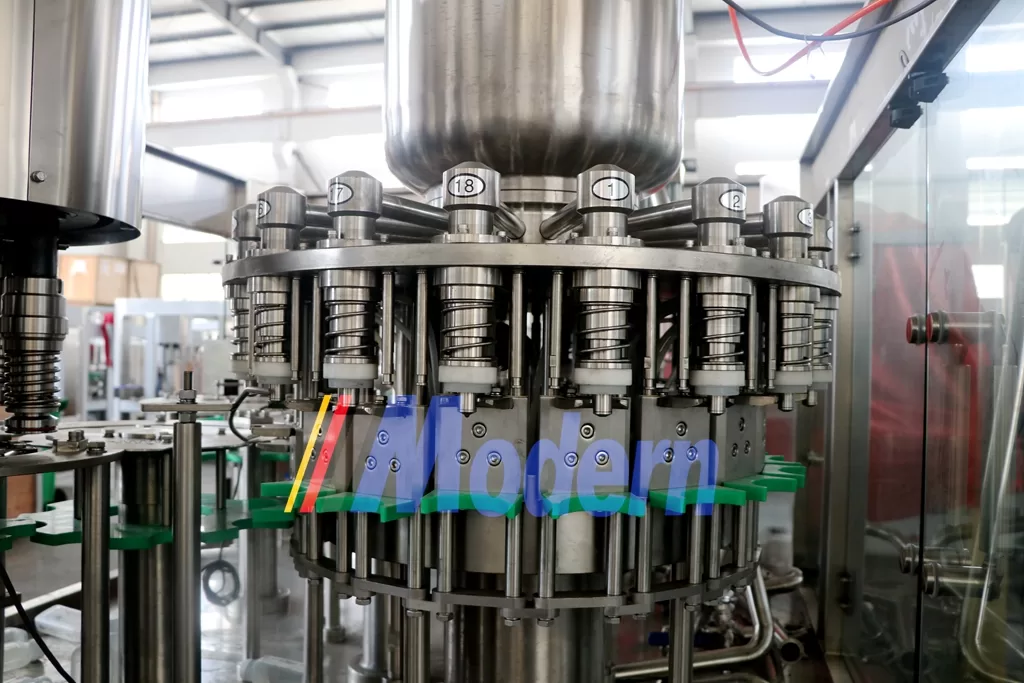
في عالمنا سريع الخطى اليوم، يستمر الطلب على المياه المعبأة في الارتفاع. يفتح هذا النمو فرصاً تجارية كبيرة، خاصة لرواد الأعمال في صناعات التصنيع والتعبئة. أحد المكونات المحورية لهذا العمل هو آلة تعبئة المياه في زجاجات PET. تتناول هذه المقالة بدقة كل ما تحتاج إلى معرفته حول آلات تعبئة المياه في زجاجات PET، بما في ذلك أنواعها، ووظائفها، وكفاءة الطاقة، ونصائح الصيانة، وكيفية اختيار الآلة المناسبة لعملك.
فهم آلات تعبئة المياه في زجاجات PET
تتميز زجاجات PET (البولي إيثيلين تيريفثاليت) بأنها خفيفة الوزن وقوية ومقاومة للغاية للصدمات، مما يجعلها خياراً مثالياً لتعبئة المشروبات مثل المياه. آلات تعبئة المياه في زجاجات PET هي معدات متخصصة مصممة لتعبئة هذه الزجاجات بالمياه بكفاءة. تضمن طبيعتها الأوتوماتيكية أو شبه الأوتوماتيكية مستوى عالٍ من الدقة والسرعة، وهو أمر بالغ الأهمية لتلبية متطلبات المستهلكين المتزايدة.
أنواع آلات تعبئة المياه في زجاجات PET
يعد اختيار النوع المناسب من آلات التعبئة أمراً بالغ الأهمية لنجاح مشروع التعبئة الخاص بك. تشمل الفئات الرئيسية لآلات تعبئة المياه في زجاجات PET ما يلي:
1. آلات التعبئة بالجاذبية
تعتمد آلات التعبئة بالجاذبية على قوة الجاذبية الطبيعية لملء الزجاجات. هذه الآلات بسيطة نسبياً وفعالة من حيث التكلفة، ولكنها أكثر ملاءمة للمنتجات ذات اللزوجة المنخفضة، مثل المياه. إنها توفر مستوى منخفضاً من الدقة ولكنها مثالية لمصانع التعبئة الصغيرة التي تتعامل مع أحجام إنتاج أقل.
2. آلات التعبئة بالضغط
تستخدم آلات التعبئة بالضغط ضغط الهواء لملء الزجاجات، مما يجعلها أسرع وأكثر كفاءة من آلات الجاذبية. إنها مثالية لخطوط الإنتاج المتوسطة وقادرة على ملء الزجاجات بسرعة مع الحد الأدنى من الانسكاب. ومع ذلك، فهي تتطلب صيانة أكثر من آلات الجاذبية بسبب تعقيدها الإضافي.
3. آلات التعبئة بالتفريغ (الفراغ)
تخلق آلات التعبئة بالتفريغ (الفراغ) ضغطاً سالباً داخل الزجاجة لسحب السائل. تقلل هذه الطريقة من التعرض للهواء وتساعد في الحفاظ على جودة المياه المعبأة. تعد آلات التعبئة بالتفريغ مناسبة للمنتجات عالية الجودة، مما يجعلها خياراً رائعاً للمصنعين الذين يركزون على الجودة.
4. آلات التعبئة الإلكترونية
تستخدم آلات التعبئة الإلكترونية أجهزة استشعار وإعدادات قابلة للبرمجة لتحقيق دقة عالية في عملية التعبئة. إنها مثالية لعمليات التعبئة واسعة النطاق ويمكنها التكيف بسهولة مع أحجام وأشكال الزجاجات المختلفة. على الرغم من أن هذه الآلات لها تكلفة أولية أعلى، إلا أن كفاءتها وموثوقيتها غالباً ما تؤدي إلى عائد أفضل على الاستثمار.
الميزات الرئيسية التي يجب البحث عنها في آلة تعبئة المياه في زجاجات PET
عند شراء آلة تعبئة المياه في زجاجات PET، يجب مراعاة العديد من الميزات المهمة:
1. السرعة والكفاءة
تعد سرعة التعبئة أمراً بالغ الأهمية للحفاظ على مستويات الإنتاج. قم بتقييم حجم الإنتاج المتوقع واختر آلة يمكنها تلبية هذا المطلب أو تجاوزه دون التضحية بالجودة.
2. الدقة
تعد دقة التعبئة أمراً حيوياً لتقليل الفاقد. ابحث عن آلات ذات تقنية متقدمة تضمن قياسات دقيقة، مما يقلل من مخاطر التعبئة الزائدة أو الناقصة.
3. المرونة
اختر آلة يمكنها استيعاب أحجام وأشكال زجاجات متنوعة. تتيح لك المرونة التكيف بسهولة مع متطلبات السوق دون الحاجة إلى استثمارات إضافية كبيرة.
4. سهولة الاستخدام
يمكن لعناصر التحكم سهلة الاستخدام والإعداد البسيط أن تعزز الإنتاجية بشكل كبير. ستسمح الآلات ذات الواجهات البديهية وميزات الأتمتة لفريقك بتشغيلها بأقل قدر من التدريب.
5. الصيانة والقابلية للخدمة
تعد الصيانة الدورية ضرورية لضمان طول عمر الآلة. اختر آلات من موردين مرموقين معروفين بخدمة العملاء الممتازة وتوافر قطع الغيار.
كفاءة الطاقة والاستدامة
مع التركيز العالمي المتزايد على الاستدامة، أصبحت آلات تعبئة المياه في زجاجات PET الموفرة للطاقة تحظى بشعبية متزايدة. إن الاستثمار في الآلات التي تستهلك طاقة أقل لا يقلل من تكاليف التشغيل فحسب، بل يتماشى أيضاً مع الممارسات الصديقة للبيئة، وهو ما قد يكون جذاباً للمستهلكين.
يقدم العديد من المصنعين الآن آلات مصممة بميزات توفير الطاقة، مثل محركات التردد المتغير (VFD) للتحكم في سرعة المحرك وميزات الإغلاق التلقائي خلال فترات الخمول. تساعد هذه الابتكارات في تقليل استهلاك الكهرباء والمساهمة في تقليل البصمة الكربونية.
نصائح صيانة لآلات تعبئة المياه في زجاجات PET
تعد الصيانة الدورية لآلات تعبئة المياه في زجاجات PET أمراً بالغ الأهمية للأداء والكفاءة على المدى الطويل. إليك بعض نصائح الصيانة العملية:
1. التنظيف الدوري
تأكد من تنظيف جميع أجزاء الآلة بانتظام، وخاصة تلك التي تلامس المياه. هذا يقلل من خطر التلوث ويضمن جودة عالية للمنتج.
2. التشحيم
التزييت المناسب للأجزاء المتحركة يحسن الكفاءة ويقلل من التآكل. اتبع إرشادات الشركة المصنعة بشأن تكرار ونوع مادة التشحيم المستخدمة.
3. فحص الأختام والحشيات
تحقق بانتظام من حالة الأختام والحشيات. يمكن أن تؤدي الأجزاء التالفة أو البالية إلى حدوث تسريبات، مما يؤثر على كل من الكفاءة وجودة المنتج.
4. جدولة الصيانة المهنية
فكر في الاستعانة بفنيين معتمدين لإجراء صيانة مهنية دورية. سيساعد هذا في تحديد المشكلات المحتملة قبل أن تتفاقم وتتحول إلى إصلاحات مكلفة.
اختيار آلة تعبئة المياه في زجاجات PET المناسبة لعملك
يعد الاستثمار في آلة تعبئة المياه في زجاجات PET قراراً مهماً يمكن أن يؤثر على كفاءة وجودة عملية الإنتاج الخاصة بك. عند اختيار الآلة المناسبة، ضع في اعتبارك الخطوات التالية:
1. قيّم احتياجات الإنتاج الخاصة بك
حدد طاقتك الإنتاجية وأنواع المنتجات التي تخطط لتعبئتها. سيساعدك الفهم الواضح لمتطلباتك على اختيار آلة تتماشى مع أهدافك.
2. البحث الشامل
خذ الوقت الكافي للبحث عن أنواع وعلامات تجارية مختلفة لآلات التعبئة. اقرأ مراجعات المستخدمين، واستشر منتديات الصناعة للحصول على رؤى حول الأداء والموثوقية.
3. مقارنة التكاليف
لا تتخذ قرارك بناءً على سعر الشراء فقط. ضع في اعتبارك التكاليف طويلة الأجل، بما في ذلك الصيانة والتشغيل واستهلاك الطاقة، لتقييم القيمة الإجمالية.
4. طلب استشارة الخبراء
إذا أمكن، استشر خبراء الصناعة أو المهندسين لفهم احتياجاتك وإمكانيات الآلات المختلفة بشكل أفضل. يمكن لرؤيتهم أن تقدم توجيهاً قيماً في عملية اتخاذ القرار الخاصة بك.
الخلاصة
مع استمرار توسع سوق المياه المعبأة، يعد الاستثمار في آلة تعبئة مياه في زجاجات PET عالية الجودة أمراً ضرورياً لأي رائد أعمال جاد. من خلال فهم أنواع الآلات المتاحة، وميزاتها، وممارسات الصيانة، وكفاءة الطاقة، يمكنك اتخاذ قرارات مستنيرة تمكن عملك من الازدهار. إن الاستثمار في المعدات المناسبة لا يضمن الإنتاجية فحسب، بل يضمن أيضاً جودة واستدامة المياه المعبأة، مما يضعك في مكانة تنافسية في السوق. سواء كنت شركة ناشئة أو تتطلع إلى ترقية خط التعبئة الحالي لديك، فإن الدراسة المتأنية لهذه العوامل ستساهم في النهاية في نجاحك في هذه الصناعة المربحة.


