
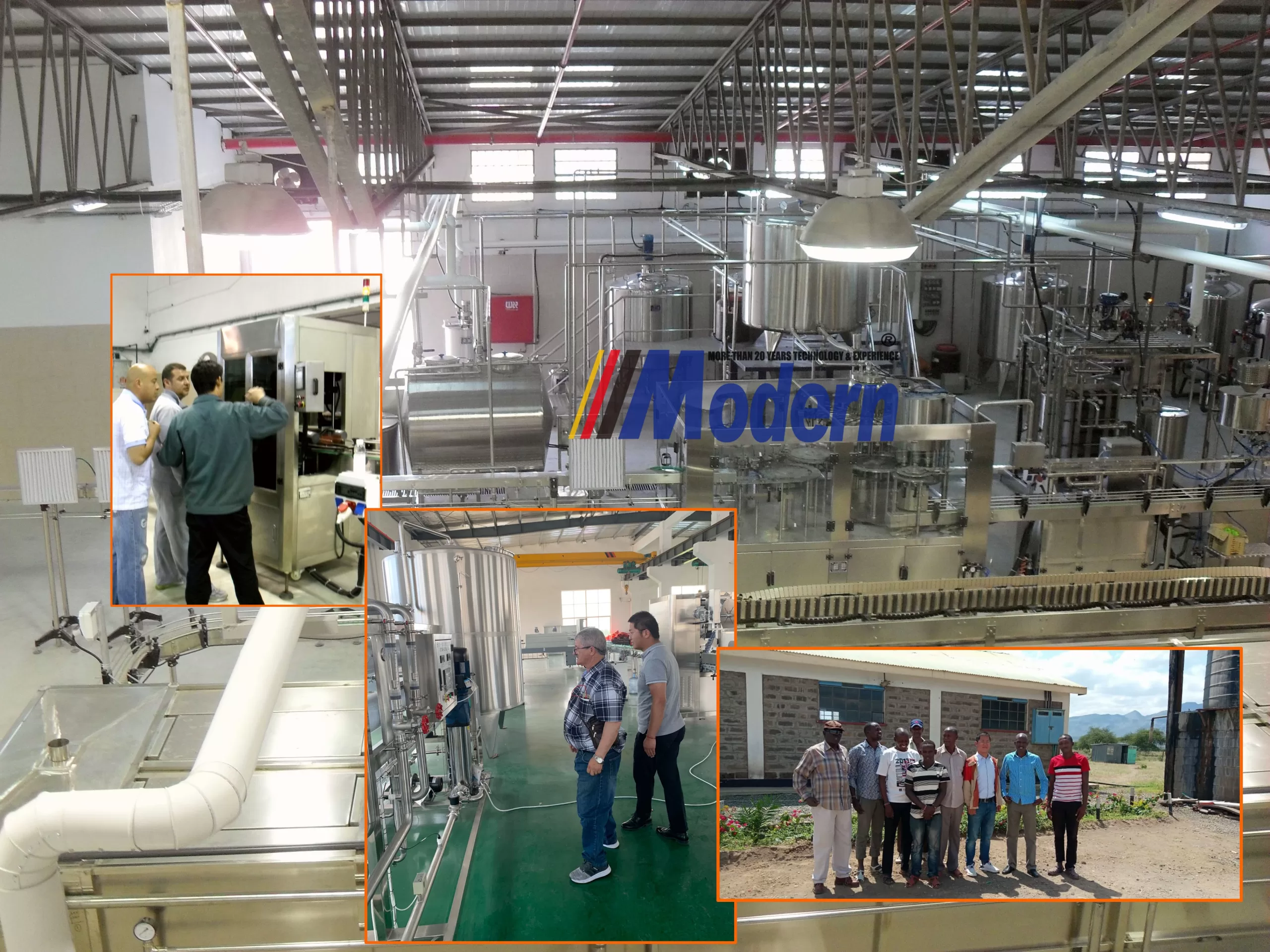
في ظل التطور المستمر في قطاع التصنيع والتعبئة والتغليف، لا يمكن المبالغة في أهمية آلات تعبئة الزجاجات. فهذه الآلات تلعب دوراً محورياً في العديد من الصناعات، بما في ذلك الأغذية والمشروبات، والأدوية، ومنتجات العناية الشخصية. ومع سعي الشركات نحو تعزيز الكفاءة والإنتاجية، أصبح فهم العوامل المؤثرة في الأسعار والاعتبارات المتعلقة بآلات تعبئة الزجاجات أمراً ضرورياً. يقدم هذا المقال تحليلاً متعمقاً لأسعار آلات تعبئة الزجاجات، موفراً رؤى تساعد الشركات على اتخاذ قرارات مدروسة.
فهم آلات تعبئة الزجاجات
قبل الخوض في هياكل التسعير، من الضروري فهم ماهية آلات تعبئة الزجاجات وأهميتها في عملية التعبئة والتغليف. في جوهرها، تعد آلات تعبئة الزجاجات أجهزة آلية تُستخدم لتعبئة الزجاجات بالمنتجات السائلة. يمكن لهذه الآلات استيعاب مجموعة متنوعة من أحجام وأشكال الزجاجات، وهي مصممة لطرق تعبئة مختلفة، بما في ذلك التعبئة بالجاذبية، والتعبئة بالضغط، والتعبئة بالتفريغ. غالباً ما يؤثر اختيار طريقة التعبئة على التكلفة، مما يجعلها عاملاً رئيسياً في التسعير.
العوامل المؤثرة في أسعار آلات تعبئة الزجاجات
يختلف سعر آلات تعبئة الزجاجات بشكل كبير بناءً على عدة عوامل حاسمة:
1. نوع الآلة
للنوع المحدد من آلة تعبئة الزجاجات التي تختارها تأثير كبير على تكلفتها. على سبيل المثال، تكون آلات التعبئة اليدوية عموماً أقل تكلفة مقارنة بالآلات الآلية عالية السرعة. يمكن للآلات الآلية تعبئة كميات أكبر في الساعة، مما يوفر عائداً أفضل على الاستثمار للشركات ذات متطلبات الإنتاج العالية.
2. طريقة التعبئة
تعد طريقة التعبئة التي تستخدمها الآلة جانباً حاسماً آخر يؤثر على التسعير. فالآلات التي تستخدم تقنيات تعبئة متقدمة، مثل التعبئة المعقمة أو التعبئة الساخنة، تتطلب عادةً أسعاراً أعلى نظراً لتعقيدها وجودة التعبئة التي توفرها. وعلى العكس من ذلك، فإن الآلات الأبسط التي تستخدم تقنيات التعبئة بالجاذبية تكون أكثر تكلفة.
3. السعة والسرعة
تميل الآلات ذات سعات التعبئة الأعلى وسرعات التشغيل الأسرع إلى أن تكون ذات أسعار أعلى. بالنسبة للشركات التي تتوقع أحجام إنتاج كبيرة، قد يؤدي الاستثمار في آلة ذات سعة عالية إلى خفض تكاليف التشغيل لكل زجاجة على المدى الطويل. يجب على المشترين مراعاة احتياجات الإنتاج الحالية والمتوقعة عند اختيار الآلة.
4. جودة المواد والتصنيع
تلعب المواد المستخدمة في تصنيع الآلة دوراً حيوياً في تسعيرها. توفر الهياكل المصنوعة من الفولاذ المقاوم للصدأ (ستانلس ستيل) المخصص للصناعات متانة ومقاومة للتآكل، مما يؤثر على التكلفة الإجمالية للمعدات. وعلى الرغم من أن هذه الآلات قد تحمل سعراً مرتفعاً، إلا أن طول عمرها وأدائها يبرران الاستثمار.
5. الميزات الإضافية
غالباً ما تكون آلات تعبئة الزجاجات الحديثة مجهزة بميزات متنوعة مثل وحدات التحكم المنطقية القابلة للبرمجة (PLCs)، وشاشات اللمس، وأنظمة التنظيف الآلي. قد تكون للآلات ذات القدرات التكنولوجية المتقدمة أسعار أعلى نظراً للقيمة المضافة التي توفرها من حيث سهولة التشغيل والصيانة. يجب على الشركات موازنة هذه الميزات مقابل متطلباتها التشغيلية.
6. العلامة التجارية والشركة المصنعة
يمكن لسمعة الشركة المصنعة أن تؤثر بشكل كبير على تسعير الآلة. غالباً ما تطلب العلامات التجارية الراسخة التي تتمتع بسجل حافل من الموثوقية والخدمة أسعاراً أعلى نظراً للجودة المتصورة لمنتجاتها. ومع ذلك، هذا لا يعني أن العلامات التجارية الأقل شهرة تفتقر إلى الجودة؛ فالبحث الدقيق في السوق يمكن أن يكشف عن بدائل تنافسية.
نطاقات أسعار آلات تعبئة الزجاجات
يمكن أن يساعد فهم نطاقات الأسعار النموذجية لآلات تعبئة الزجاجات الشركات على وضع ميزانيات واقعية. فيما يلي تفصيل عام بناءً على أنواع الآلات المختلفة:
1. آلات تعبئة الزجاجات اليدوية
تعد آلات تعبئة الزجاجات اليدوية الخيار الأكثر تكلفة، حيث تتراوح أسعارها عادةً بين 500 دولار و3,000 دولار. هذه الآلات مناسبة تماماً للعمليات الصغيرة أو الشركات الناشئة التي تتطلب مرونة دون استثمار كبير.
2. آلات تعبئة الزجاجات شبه الآلية
يتراوح سعر هذه الآلات بين 3,000 دولار و20,000 دولار، اعتماداً على سعتها وتصنيعها وميزاتها. توفر الأنظمة شبه الآلية توازناً بين التكلفة والكفاءة، مما يجعلها مثالية للشركات متوسطة الحجم.
3. آلات تعبئة الزجاجات الآلية بالكامل
يمكن أن يتراوح سعر آلات تعبئة الزجاجات الآلية بالكامل من 20,000 دولار إلى أكثر من 100,000 دولار أو أكثر. تم تصميم هذه الأنظمة للإنتاج عالي الحجم، مما يوفر سرعة ودقة تبرر تكلفتها الأعلى.
تقييم العائد على الاستثمار (ROI)
عند النظر في تكلفة آلة تعبئة الزجاجات، يعد تقييم العائد على الاستثمار أمراً بالغ الأهمية. يجب على الشركات تحليل العوامل التالية:
1. كفاءة الإنتاج
قد توفر الآلة الآلية عالية السرعة والأكثر تكلفة كفاءة أكبر، مما يسمح بزيادة معدلات الإنتاج. تترجم أوقات التعبئة الأسرع إلى انخفاض في تكاليف العمالة وتحسين المخرجات، وهو ما يمكن أن يؤثر بشكل إيجابي على الأرباح.
2. جودة المنتج
يمكن أن يؤدي الاستثمار في آلات عالية الجودة إلى تعزيز جودة المنتج واتساقه. بالنسبة لصناعات مثل المشروبات أو الأدوية، يعد الحفاظ على معايير عالية أمراً ضرورياً. يمكن أن تؤدي جودة المنتج المحسنة إلى تقليل الهدر والمرتجعات، مما يترجم إلى أداء مالي أفضل.
3. الموثوقية على المدى الطويل
على الرغم من أن الآلات منخفضة السعر قد تكون مغرية، إلا أنها قد لا توفر نفس طول العمر والموثوقية التي توفرها الخيارات ذات الأسعار الأعلى. يعد تقييم تكاليف الصيانة المحتملة ووقت تعطل الآلة أمراً ضرورياً لحساب إجمالي النفقات على مدار عمر الآلة.
نصائح عملية لشراء آلات تعبئة الزجاجات
عندما يحين وقت شراء آلة تعبئة الزجاجات، ضع في اعتبارك النصائح العملية التالية:
1. قيّم احتياجاتك
قبل إجراء عملية الشراء، قم بتقييم متطلبات الإنتاج الخاصة بك بعناية، بما في ذلك نوع المنتجات، وسعة التعبئة المطلوبة، وأي احتياجات تعبئة خاصة. سيؤدي فهم هذه العوامل إلى توجيه عملية الاختيار الخاصة بك.
2. ابحث وقارن بين الخيارات
قم بإجراء بحث شامل حول مختلف الشركات المصنعة ونماذج الآلات. يمكن أن توفر مقارنة الميزات والأسعار ومراجعات العملاء رؤى قيمة لمساعدتك في اختيار المعدات المناسبة لعملياتك.
3. طلب مشورة الخبراء
إذا أمكن، استشر خبراء الصناعة أو موردي المعدات الذين يمكنهم تقديم رؤى مصممة خصيصاً لاحتياجاتك المحددة. يمكن لخبرتهم مساعدتك في التعامل مع تعقيدات اختيار آلة تعبئة الزجاجات المناسبة.
4. اطلب عروضاً توضيحية
كلما كان ذلك ممكناً، اطلب عرضاً توضيحياً للآلات التي تفكر فيها. يمكن أن توفر مراقبة كيفية عمل المعدات فهماً أوضح لكفاءتها وسهولة استخدامها وكيفية ملاءمتها لخط الإنتاج الخاص بك.
5. ضع في اعتبارك التكلفة الإجمالية للملكية
لا تأخذ في الاعتبار التكلفة الأولية فحسب، بل ضع في الحسبان أيضاً تكاليف التشغيل مثل استهلاك الطاقة والصيانة والإصلاحات. فقد تكون الآلة الأكثر تكلفة التي توفر تكاليف تشغيل أقل استثماراً أفضل على المدى الطويل.
أفكار ختامية
يعد الاستثمار في آلة تعبئة الزجاجات قراراً استراتيجياً للشركات التي تتطلع إلى تحسين عمليات الإنتاج لديها. يختلف سعر هذه الآلات بشكل كبير بناءً على النوع والسعة وجودة التصنيع والميزات الإضافية. ومن خلال تقييم احتياجاتك بدقة، والبحث في الخيارات المتاحة، والنظر في الآثار طويلة المدى لعملية الشراء، يمكنك اتخاذ قرار مستنير يتماشى مع أهدافك التشغيلية واعتباراتك المالية. وفي نهاية المطاف، يمكن لآلة تعبئة الزجاجات المناسبة أن تبسط عملية الإنتاج لديك، وتعزز جودة المنتج، وتساهم في النجاح العام لشركتك.


