
تعد التكاليف التشغيلية عاملاً حاسماً في ربحية أي عمل تجاري، وينطبق هذا بشكل خاص على صناعة إنتاج المشروبات. فمن المواد الخام إلى التعبئة والتغليف والتوزيع، هناك العديد من المجالات التي يمكن أن تؤدي فيها تحسينات الكفاءة إلى وفورات كبيرة في التكاليف. في هذا المقال، سنستكشف استراتيجيات وممارسات مثلى متنوعة لمساعدة مصنعي المشروبات على خفض التكاليف التشغيلية دون المساومة على الجودة.
تحسين إدارة سلسلة التوريد
أحد المجالات الرئيسية التي يمكن لمصنعي المشروبات من خلالها خفض التكاليف التشغيلية هو الإدارة الفعالة لسلسلة التوريد. فمن خلال تحسين مستويات المخزون، وتوحيد الشحنات، والتفاوض على عقود مواتية مع الموردين، يمكن للشركات خفض تكاليف الشراء وتقليل الهدر.
الاستثمار في التكنولوجيا والأتمتة
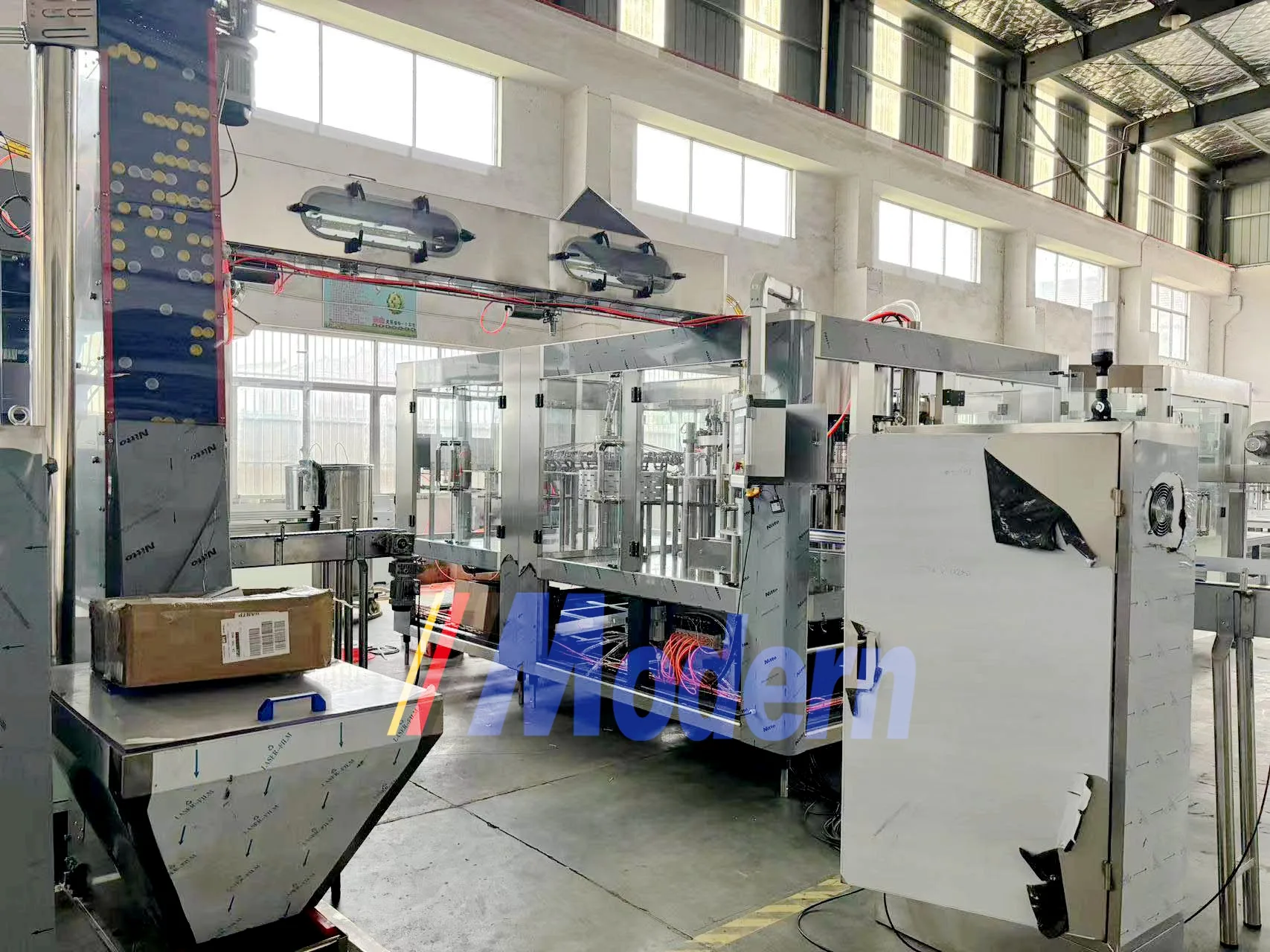
يمكن لتبني التكنولوجيا والأتمتة تبسيط عمليات الإنتاج، وتحسين الدقة، وخفض تكاليف العمالة. فمن خلال الاستثمار في المعدات المؤتمتة، مثل آلات التعبئة والتغليف، يمكن لمصنعي المشروبات زيادة كفاءة الإنتاج وتقليل الأخطاء، مما يؤدي إلى وفورات في التكاليف على المدى الطويل.

تطبيق ممارسات توفير الطاقة
يعد استهلاك الطاقة عاملاً مهماً في تكلفة إنتاج المشروبات. إن تطبيق ممارسات توفير الطاقة، مثل استخدام إضاءة موفرة للطاقة، وتحسين أنظمة التدفئة والتبريد، والاستثمار في مصادر الطاقة المتجددة، يمكن أن يساعد الشركات على خفض فواتير المرافق وتقليل التكاليف التشغيلية الإجمالية.
تقليل الهدر وتحسين الكفاءة
يعد تقليل الهدر أمراً بالغ الأهمية لتوفير التكاليف في إنتاج المشروبات. فمن خلال تطبيق مبادئ التصنيع الرشيق، وتحسين جداول الإنتاج، وتدريب الموظفين على الممارسات الفعالة، يمكن للشركات تقليل الهدر، وتحسين الإنتاجية، وخفض التكاليف التشغيلية في نهاية المطاف.
التركيز على مراقبة الجودة والصيانة الوقائية
يعد الحفاظ على معايير عالية الجودة أمراً ضرورياً لمصنعي المشروبات، ولكن لا يجب أن يأتي ذلك بتكلفة عالية. فمن خلال تنفيذ تدابير قوية لمراقبة الجودة والاستثمار في الصيانة الوقائية للمعدات، يمكن للشركات تجنب فترات التوقف المكلفة، وإعادة العمل، وعمليات سحب المنتجات، مما يؤدي إلى وفورات كبيرة في التكاليف على المدى الطويل.
الاستعانة بمصادر خارجية للأنشطة غير الأساسية
يمكن أن تساعد الاستعانة بمصادر خارجية للأنشطة غير الأساسية، مثل الخدمات اللوجستية أو التخزين أو خدمة العملاء، مصنعي المشروبات على التركيز على كفاءاتهم الأساسية مع خفض التكاليف التشغيلية. ومن خلال الشراكة مع مزودين موثوقين من جهات خارجية، يمكن للشركات الاستفادة من وفورات الحجم والخبرة المتخصصة، مما يؤدي إلى كفاءة التكلفة.
التفاوض على شروط أفضل مع مزودي الخدمات
يمكن أن تساعد المراجعة المنتظمة للعقود والتفاوض على شروط أفضل مع مزودي الخدمات، مثل شركات النقل أو موردي التعبئة والتغليف، مصنعي المشروبات على خفض التكاليف التشغيلية. فمن خلال البحث عن عروض تنافسية، وتوحيد الخدمات، والاستفادة من الشراكات طويلة الأجل، يمكن للشركات تحقيق وفورات في التكاليف دون المساومة على الجودة.
التحسين المستمر وتحليل البيانات
يعد التحسين المستمر أمراً ضرورياً لخفض التكاليف في إنتاج المشروبات. فمن خلال تحليل البيانات، وتتبع مؤشرات الأداء الرئيسية، وتنفيذ حلقات التغذية الراجعة، يمكن للشركات تحديد أوجه القصور، وتحسين العمليات، ودفع وفورات التكاليف المستمرة عبر عملياتها.
الخلاصة
يتطلب خفض التكاليف التشغيلية في إنتاج المشروبات نهجاً شاملاً يعالج جوانب مختلفة من العمل. فمن خلال تحسين إدارة سلسلة التوريد، والاستثمار في التكنولوجيا، وتطبيق ممارسات توفير الطاقة، وتقليل الهدر، والتركيز على مراقبة الجودة، والاستعانة بمصادر خارجية للأنشطة غير الأساسية، يمكن للشركات تحقيق وفورات كبيرة في التكاليف مع الحفاظ على جودة المنتج ورضا العملاء.
من خلال اتباع الاستراتيجيات والممارسات المثلى الموضحة في هذا المقال، يمكن لمصنعي المشروبات وضع أنفسهم في مكانة تضمن لهم النجاح على المدى الطويل في صناعة تنافسية حيث تعد الكفاءة وفعالية التكلفة من المحركات الرئيسية للربحية.


