
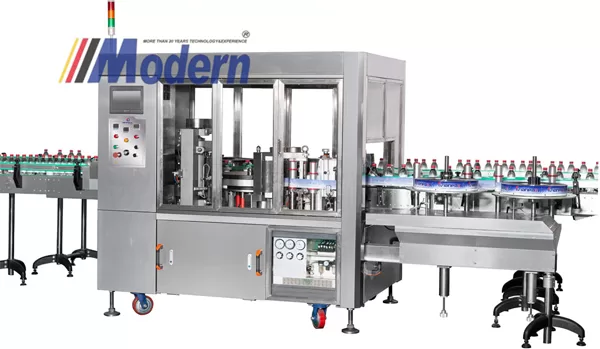
تتأثر قرارات الشراء لدى المستهلكين بالعديد من العوامل، حيث تلعب الملصقات دوراً حاسماً في تشكيل التصورات والتفضيلات. في سوق اليوم شديد التنافسية، حيث يواجه المستهلكون باستمرار خيارات متعددة، يمكن للطريقة التي يتم بها وضع ملصق على المنتج أن تحدث تأثيراً كبيراً على قرار شرائه في نهاية المطاف. دعونا نتعمق في الأبعاد المختلفة لكيفية تأثير الملصقات على قرارات الشراء لدى المستهلكين ونستكشف استراتيجيات عملية للشركات للاستفادة من هذه المعرفة بفعالية.
قوة الانطباعات الأولى
غالباً ما تكون نقطة الاتصال الأولى بين المستهلك والمنتج هي ملصقه. هذا التفاعل الأولي يحدد نغمة عملية اتخاذ قرار الشراء بأكملها. يمكن للملصق المصمم جيداً أن يجذب الانتباه، ويثير المشاعر، ويوصل معلومات أساسية حول المنتج. من ناحية أخرى، قد يؤدي الملصق سيئ التصميم أو المربك إلى تنفير المشترين المحتملين، بغض النظر عن مدى جودة المنتج.
بناء الثقة والمصداقية
تعمل الملصقات كإشارة ثقة للمستهلكين. الملصق الواضح والغني بالمعلومات يغرس الثقة في المنتج، مما ينقل رسالة مفادها أن الشركة المصنعة تتسم بالشفافية والموثوقية. من المرجح أن يختار المستهلكون منتجاً يحتوي على ملصقات مفصلة تتضمن المكونات، والمعلومات الغذائية، والشهادات. من خلال توفير معلومات كاملة ودقيقة على الملصقات، يمكن للشركات بناء المصداقية وتأسيس سمعة إيجابية بين المستهلكين.
خلق روابط عاطفية
تمتلك الملصقات القدرة على إثارة المشاعر وخلق روابط مع المستهلكين. يمكن لعناصر التصميم، وأنظمة الألوان، والخطوط، والصور المستخدمة في الملصقات أن تؤثر جميعها على كيفية إدراك المنتج. على سبيل المثال، يمكن للتغليف والملصقات الصديقة للبيئة أن تجذب المستهلكين المهتمين بالبيئة، بينما قد تجذب الألوان الزاهية والخطوط المرحة فئة ديموغرافية أصغر سناً. من خلال فهم المحفزات العاطفية لجمهورها المستهدف، يمكن للشركات تصميم استراتيجيات ملصقات تتناسب مع المستهلكين على مستوى أعمق.
التميز على الرف
في سوق مزدحم، يعد ملصق المنتج أداته الأساسية للتميز على الرف. يمكن للتصاميم الجذابة، والأشكال الفريدة، وتقنيات الملصقات المبتكرة أن تجذب الانتباه وتميز المنتجات عن المنافسين. يمكن للملصقات الجريئة والمميزة أن تجذب أعين المستهلكين، وتثير فضولهم، وتغريهم باستكشاف المزيد. إن الاستثمار في الملصقات الإبداعية لا يساعد المنتجات على لفت الانتباه فحسب، بل يزيد أيضاً من فرص قيام المستهلكين بعملية الشراء.
توصيل قيم العلامة التجارية
تعد الملصقات وسيلة أساسية لتوصيل قيم العلامة التجارية وهويتها. يجب أن يعكس الملصق المصمم جيداً شخصية العلامة التجارية، ورسالتها، والتزامها بالجودة. من خلال دمج رسائل العلامة التجارية، والشعارات، والعبارات الترويجية في ملصقات المنتجات، يمكن للشركات تعزيز صورة علامتها التجارية والتواصل مع المستهلكين الذين يشاركونها قيماً مماثلة. بناء هوية علامة تجارية متسقة عبر جميع المنتجات يعزز من التعرف على العلامة التجارية وولاء المستهلكين لها.
العوامل المؤثرة في قرارات وضع الملصقات
هناك عدة عوامل تؤثر على كيفية إدراك المستهلكين لملصقات المنتجات واستجابتهم لها:
1. مادة التغليف
يمكن أن يؤثر اختيار مادة التغليف على كيفية إدراك المستهلكين للمنتج. تجذب المواد المستدامة والصديقة للبيئة المستهلكين المهتمين بالبيئة، بينما قد تنقل التعبئة الفاخرة شعوراً بالجودة العالية.
2. المقروئية والوضوح
من المرجح أن تلقى الملصقات سهلة القراءة والفهم صدى لدى المستهلكين. يمكن للطباعة الواضحة، والمعلومات الموجزة، والتمييز البارز للميزات الرئيسية أن تعزز الجاذبية العامة للمنتج.
3. سيكولوجية الألوان
تلعب الألوان دوراً مهماً في تشكيل تصورات المستهلكين. تثير الألوان المختلفة مشاعر وارتباطات مختلفة. يمكن أن يساعد فهم سيكولوجية الألوان الشركات على اختيار أنظمة الألوان المناسبة لإثارة استجابات المستهلكين المطلوبة.
4. الحساسية الثقافية
تؤثر العوامل الثقافية على كيفية تفسير المستهلكين لملصقات المنتجات. يجب أن تكون الشركات على دراية بالأعراف والرموز والمحرمات الثقافية لضمان أن تلقى الملصقات صدى إيجابياً لدى مجموعات المستهلكين المتنوعة.
استراتيجيات لملصقات فعالة
للاستفادة من قوة الملصقات والتأثير على قرارات الشراء لدى المستهلكين، يمكن للشركات اعتماد الاستراتيجيات التالية:
1. التصميم المتمحور حول المستهلك
صمم الملصقات مع وضع الجمهور المستهدف في الاعتبار. افهم تفضيلاتهم وقيمهم ودوافعهم لإنشاء ملصقات تتناسب مع المستهلكين على مستوى شخصي.
2. تسليط الضوء على نقاط البيع الفريدة
اعرض الميزات الرئيسية للمنتج، وفوائده، ونقاط البيع الفريدة بشكل بارز على الملصق. اجعل من السهل على المستهلكين فهم سبب تفوق منتجك على الآخرين بسرعة.
3. الاستثمار في التصميم عالي الجودة
خصص موارد لتصميم ملصقات احترافي يعكس جودة المنتج وقيمته. ينقل الملصق المصمم جيداً شعوراً بالاحترافية والاهتمام بالتفاصيل.
4. الاستفادة من الاستدامة والشفافية
أكد على جهود الاستدامة والممارسات الشفافة على ملصقات المنتجات. يقدر المستهلكون الصدق والمسؤولية البيئية، مما يجعل هذه الجوانب نقاط بيع مهمة.
5. إجراء اختبارات المستهلك
قبل الانتهاء من تصاميم الملصقات، قم بإجراء اختبارات على المستهلكين لجمع الملاحظات والرؤى. قم بتحسين الملصقات بشكل متكرر بناءً على استجابات المستهلكين لضمان أقصى تأثير.
الخلاصة
تلعب الملصقات دوراً محورياً في تشكيل قرارات الشراء لدى المستهلكين. الشركات التي تفهم تأثير الملصقات وتعمل بنشاط على إنشاء ملصقات مقنعة وشفافة وموجهة نحو المستهلك، ستكتسب ميزة تنافسية في السوق. من خلال الاستثمار في تصميم ملصقات مدروس، وتوصيل قيم العلامة التجارية بفعالية، والاستفادة من قوة الروابط العاطفية، لا يمكن للشركات التأثير على سلوك المستهلك فحسب، بل يمكنها أيضاً تعزيز علاقات طويلة الأمد مع العملاء المخلصين.


