
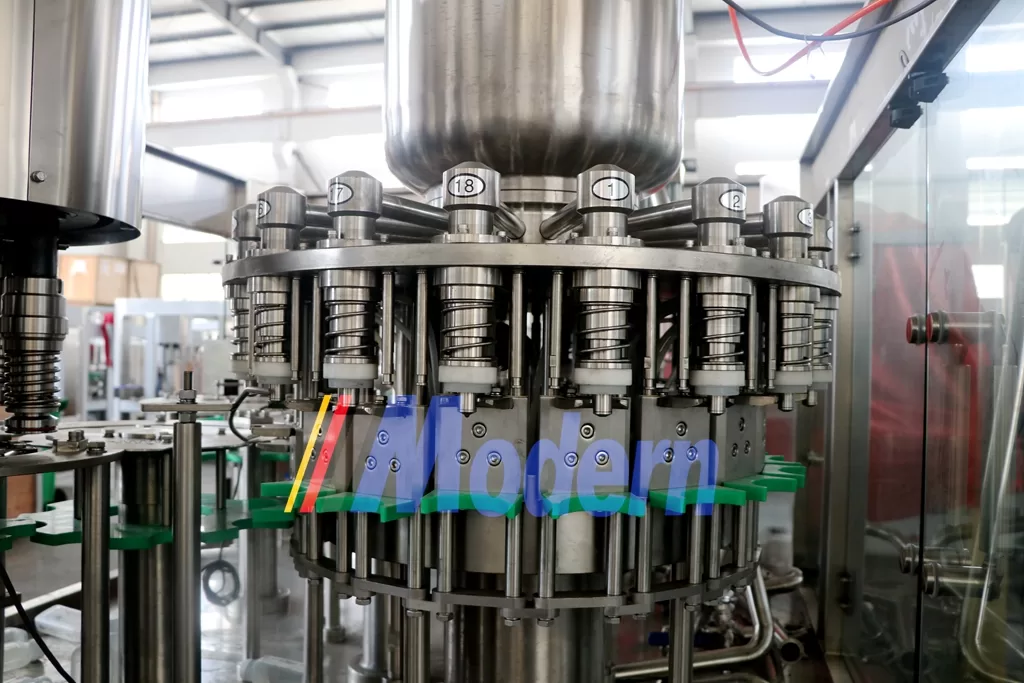
في مجال التصنيع، وخاصة في صناعات الأغذية والمشروبات والأدوية، تعتبر الكفاءة والدقة أمراً بالغ الأهمية. أحد الجوانب الأساسية التي تساهم بشكل كبير في تحقيق هذه الأهداف هو خط التعبئة المتكامل. تتعمق هذه المقالة في المكونات والفوائد وأفضل الممارسات المرتبطة بخطوط التعبئة المتكاملة، مما يقدم رؤى قيمة للشركات التي تتطلع إلى تحسين عملياتها.
فهم خطوط التعبئة المتكاملة
خط التعبئة المتكامل هو نظام مصمم لأتمتة عملية التعبئة، مما يضمن إنتاجية ثابتة وعالية السرعة مع الحفاظ على جودة المنتج. وهو يشمل العديد من المكونات الرئيسية، بما في ذلك السيور الناقلة، وآلات التعبئة، وآلات الإغلاق (السدادات)، وأنظمة وضع الملصقات، وحلول التغليف. إن دمج هذه العناصر يخلق سير عمل سلس يقلل من التدخل البشري ويقلل من احتمالية حدوث أخطاء.
المكونات الرئيسية لخط التعبئة المتكامل
لفهم أهمية خط التعبئة المتكامل بشكل كامل، من الضروري فهم مكوناته الفردية:
- السيور الناقلة: تقوم هذه السيور بنقل المنتجات بين مراحل مختلفة من عملية التعبئة، مما يعزز الكفاءة بشكل كبير. يمكن تخصيصها بناءً على نوع المنتج الذي يتم تعبئته وتخطيط أرضية الإنتاج.
- آلات التعبئة: تعتبر هذه الآلات جوهر خط التعبئة، وهي مسؤولة عن توزيع المنتج بدقة في العبوات. تتوفر أنواع مختلفة، مثل آلات التعبئة بالوزن، وبالحجم، وبالضغط، وكل منها مناسب لأنواع مختلفة من المنتجات.
- آلات الإغلاق (السدادات): بعد التعبئة، الخطوة الحاسمة التالية هي إغلاق العبوات. تضمن آلات الإغلاق وضع الأغطية بشكل آمن وفعال، مما يمنع التلوث والانسكاب.
- أنظمة وضع الملصقات: للحفاظ على الامتثال للوائح والمساعدة في تحديد المنتج، تعتبر أنظمة وضع الملصقات حيوية. فهي تضمن تثبيت جميع المعلومات الضرورية، بما في ذلك تواريخ انتهاء الصلاحية والرموز الشريطية (الباركود)، بدقة.
- حلول التعبئة والتغليف: أخيراً، يجب تجهيز المنتجات المعبأة للشحن. تعمل حلول التغليف المتكاملة على تبسيط هذه العملية، مما يضمن وصول المنتجات إلى المستهلكين بأمان وفي حالة ممتازة.
فوائد تنفيذ خطوط التعبئة المتكاملة
يمكن أن يوفر تنفيذ خط تعبئة متكامل العديد من المزايا للمصنعين. فيما يلي بعض الفوائد الرئيسية:
1. تعزيز الكفاءة
الأتمتة هي حجر الزاوية في خط التعبئة المتكامل، مما يعزز الكفاءة التشغيلية بشكل كبير. من خلال تقليل الاعتماد على العمل اليدوي، يمكن للشركات تحقيق إنتاجية أعلى، مما يمكنها من تلبية الطلب المتزايد دون المساس بالجودة.
2. تحسين الدقة
الدقة في التعبئة أمر بالغ الأهمية للحفاظ على جودة المنتج وتلبية المعايير التنظيمية. تم تصميم آلات التعبئة الآلية لتقليل الخطأ البشري، مما يضمن تعبئة كل عبوة بالحجم الصحيح، وبالتالي الحفاظ على الاتساق عبر دفعات الإنتاج.
3. توفير التكاليف
على الرغم من أن الاستثمار الأولي في خطوط التعبئة المتكاملة قد يبدو كبيراً، إلا أن التوفير على المدى الطويل غالباً ما يكون كبيراً. تساهم تكاليف العمالة المنخفضة، وتقليل هدر المنتج، وزيادة سرعة الإنتاج بشكل جماعي في تعزيز الربحية.
4. المرونة وقابلية التوسع
تم تصميم خطوط التعبئة الحديثة لتكون قابلة للتكيف. يمكن للمصنعين تعديل أنظمتهم بسهولة لاستيعاب أحجام العبوات المختلفة، أو أنواع المنتجات، أو أحجام الإنتاج. هذه المرونة ضرورية في بيئة السوق الديناميكية اليوم، حيث يمكن أن يتغير الطلب بسرعة.
5. الامتثال التنظيمي
مع وجود لوائح صارمة في صناعات الأغذية والأدوية ومستحضرات التجميل، فإن الامتثال أمر غير قابل للتفاوض. تم تجهيز خطوط التعبئة المتكاملة بميزات تساعد على ضمان الالتزام بمعايير السلامة والجودة، بدءاً من التعبئة الدقيقة وصولاً إلى وضع الملصقات بشكل صحيح.
تصميم خط تعبئة متكامل وفعال
لتحقيق فوائد خط التعبئة المتكامل، يعد التخطيط والتصميم الدقيق أمراً ضرورياً. فيما يلي العديد من الاعتبارات التي يجب وضعها في الاعتبار عند تنفيذ خط تعبئة جديد:
1. قيّم احتياجاتك
قبل الاستثمار في خط تعبئة، قم بإجراء تقييم شامل لاحتياجات الإنتاج الخاصة بك. ضع في اعتبارك عوامل مثل نوع المنتج، ومواصفات العبوة، وحجم الإنتاج، وإمكانات النمو المستقبلية. سيوجه هذا التقييم الأولي اختيار المعدات وتصميم النظام.
2. اختر المعدات المناسبة
مع وجود العديد من الخيارات المتاحة، يعد اختيار المعدات المناسبة لكل مرحلة من مراحل عملية التعبئة أمراً بالغ الأهمية. ابحث في أنواع آلات التعبئة المختلفة، وآليات الإغلاق، وأنظمة وضع الملصقات لتحديد ما يناسب خصائص منتجك بشكل أفضل.
3. تحسين التخطيط
يمكن أن يؤثر التخطيط المادي لخط التعبئة بشكل كبير على كفاءته. استهدف تصميماً انسيابياً يقلل من المسافة التي يجب أن تقطعها المنتجات بين العمليات. يمكن أن يساعد تنفيذ التدفق الخطي في تجنب الاختناقات وتقليل وقت المناولة.
4. الاستثمار في التدريب
حتى مع وجود معدات آلية، يعتمد التشغيل الناجح على الموظفين المهرة. يضمن الاستثمار في تدريب موظفيك كفاءتهم في تشغيل وصيانة خط التعبئة، وهو أمر بالغ الأهمية لتقليل وقت التوقف عن العمل وزيادة الكفاءة.
5. الصيانة الدورية
لمنع الاضطرابات المكلفة، قم بإنشاء جدول صيانة روتيني لخط التعبئة الخاص بك. يمكن أن تساعد الفحوصات المنتظمة في تحديد المشكلات المحتملة قبل تفاقمها، مما يضمن سير الإنتاج بسلاسة وموثوقية.
تحديات يجب مراعاتها
بينما توفر خطوط التعبئة المتكاملة العديد من الفوائد، فإنها تطرح أيضاً تحديات محتملة. يمكن أن يساعد فهم هذه التحديات الشركات على الاستعداد وتخفيف المخاطر:
1. الاستثمار الأولي
يمكن أن يكون الاستثمار الرأسمالي المطلوب لتنفيذ خط تعبئة متكامل أمراً شاقاً، خاصة بالنسبة للمصنعين الصغار إلى متوسطي الحجم. من الضروري موازنة العائد المحتمل على الاستثمار مقابل التكاليف الأولية والنظر في خيارات التأجير أو حلول التمويل.
2. التكامل مع الأنظمة الحالية
إذا كان لديك بالفعل عمليات قائمة، فقد يطرح دمج خط تعبئة جديد تحديات. تأكد من التوافق مع المعدات والعمليات الحالية لتجنب الاضطرابات وتعظيم فوائد استثمارك الجديد.
3. التغيرات التكنولوجية
يمكن أن يجعل التقدم السريع في التكنولوجيا من الصعب اختيار المعدات التي ستظل ذات صلة. لمكافحة هذا، اختر أنظمة معيارية تسمح بالترقيات والتوسعات بمرور الوقت، مما يحمي استثمارك على المدى الطويل.
الخلاصة
في المشهد التنافسي للتصنيع، تعد خطوط التعبئة المتكاملة أصلاً لا يقدر بثمن يمكنه تعزيز الكفاءة، وتحسين الدقة، وتقليل التكاليف. من خلال فهم المكونات والفوائد وأفضل الممارسات المرتبطة بهذه الأنظمة، يمكن للمصنعين اتخاذ قرارات مستنيرة تدفع الإنتاجية والنجاح. على الرغم من وجود تحديات، فإن التخطيط الشامل، والاستثمار في التكنولوجيا المناسبة، والتدريب المستمر للموظفين يمكن أن يؤدي إلى عملية تعبئة محسنة تصمد أمام اختبار الزمن.
في النهاية، لا يقتصر تبني تطور تكنولوجيا التعبئة على مواكبة معايير الصناعة فحسب؛ بل يتعلق بتمهيد الطريق للنمو المستقبلي والحفاظ على ميزة تنافسية في سوق دائم التطور.


