
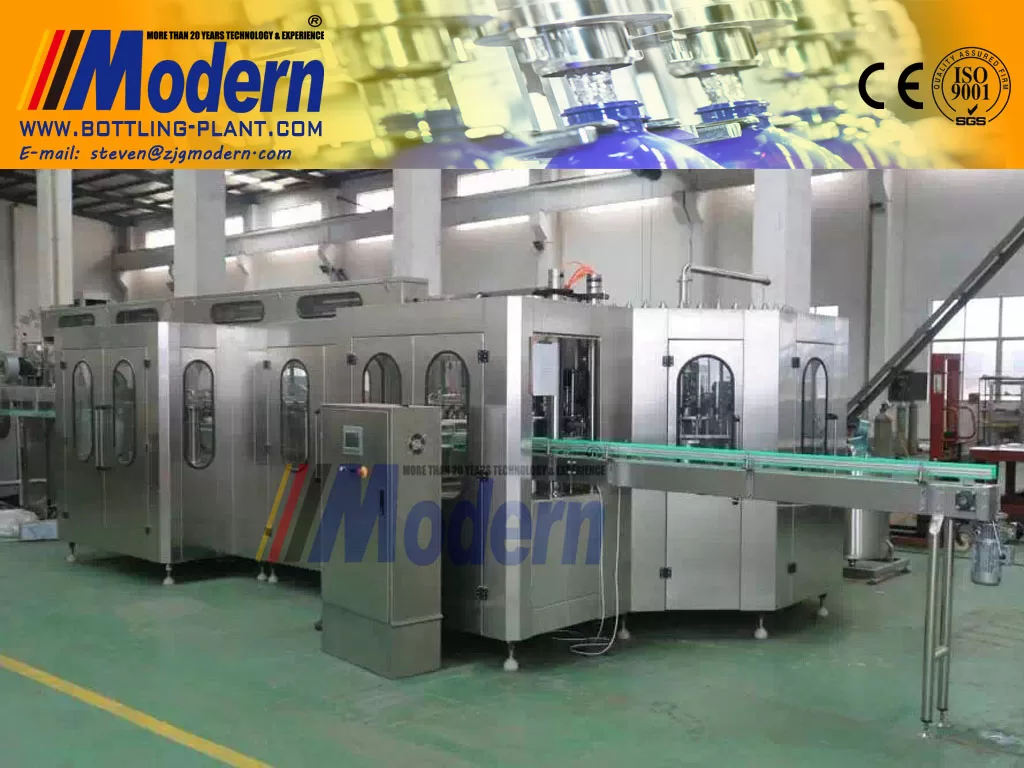
تشهد صناعة العصائر نمواً هائلاً مدفوعاً بزيادة الطلب على المشروبات الصحية. ومع ميل المستهلكين نحو المنتجات الطازجة والطبيعية، أصبحت أهمية خطوط التعبئة الفعالة أكثر وضوحاً من أي وقت مضى. تتعمق هذه المقالة في الجوانب المختلفة لخطوط تعبئة العصائر، وتفحص مكوناتها، وأهمية الأتمتة، وتدابير مراقبة الجودة، والاتجاهات التي تشكل مستقبل إنتاج العصائر. ومن خلال فهم هذه الجوانب، يمكن للشركات تعزيز كفاءتها التشغيلية وضمان جودة منتجاتها.
أهمية خطوط التعبئة في إنتاج العصائر
تعد خطوط التعبئة أمراً بالغ الأهمية لصناعة العصائر لأنها تعمل على تبسيط عملية التغليف. فخط التعبئة الفعال يعزز الإنتاجية، ويقلل من تكاليف العمالة، ويقلل من فرص التلوث. وفي عصر أصبحت فيه سلامة المستهلك أمراً بالغ الأهمية، يمكن لخط التعبئة المصمم جيداً الحفاظ على جودة العصير مع إطالة مدة صلاحيته.
علاوة على ذلك، تلبي خطوط التعبئة الاحتياجات المتنوعة للمنتجين. وسواء كان الأمر يتعلق بدفعات صغيرة من العصائر الحرفية أو الإنتاج على نطاق واسع، يمكن تصميم تكوينات مختلفة لخطوط التعبئة لتلبية متطلبات تشغيلية محددة. وبالتالي، فإن الاستثمار في نظام تعبئة مناسب يعد أمراً محورياً للمصنعين الذين يهدفون إلى الحفاظ على قدرتهم التنافسية.
مكونات خط تعبئة العصير
يتكون خط تعبئة العصير النموذجي من عدة مكونات، يلعب كل منها دوراً حاسماً في عملية التغليف. وفيما يلي العناصر الرئيسية:
1. معدات معالجة العصير
قبل بدء عملية التعبئة، يجب أن يخضع العصير للمعالجة. ويشمل ذلك الاستخلاص، والترشيح، والبسترة، والخلط. تضمن معدات المعالجة خلو العصير من الملوثات واحتفاظه بقيمته الغذائية. وتزداد شعبية طرق المعالجة المتقدمة، مثل العصر البارد والمعالجة بالضغط العالي (HPP)، لإنتاج عصير عالي الجودة.
2. آلات التعبئة
تعد آلة التعبئة حجر الزاوية في أي خط تعبئة. وهي مسؤولة عن توزيع العصير بدقة في الزجاجات دون انسكاب. هناك أنواع مختلفة من آلات التعبئة، بما في ذلك الحجمية، والجاذبية، وآلات التعبئة بالتفريغ. يعتمد الاختيار على لزوجة العصير ومستوى الأتمتة المطلوب. بالنسبة للعصائر السميكة، مثل العصائر المخفوقة (سموذي)، قد تكون آلات التعبئة المكبسية أكثر ملاءمة.
3. آلات الإغلاق (السد)
بعد التعبئة، تأتي الخطوة التالية وهي إغلاق الزجاجات. تقوم آلات الغلق بوضع الأغطية بإحكام لمنع التسرب والتلوث. تشمل الخيارات الغلق بالبراغي، والغلق بالضغط، والغلق بالتاج. قد يؤثر تصميم الغطاء أيضاً على تصور المستهلك فيما يتعلق بنضارة المنتج وجودته.
4. آلات وضع الملصقات
تعد الملصقات وظيفة أساسية أخرى لخط التعبئة، حيث توفر معلومات المنتج الضرورية للمستهلكين. تضمن آلات وضع الملصقات الآلية وضع الملصقات بشكل صحيح ومتسق. يمكن للملصقات عالية الجودة تعزيز جاذبية المنتج وإعلام العملاء بالمكونات والحقائق الغذائية والشهادات.
5. السيور الناقلة
تنقل أنظمة السيور الناقلة الزجاجات عبر مراحل مختلفة من عملية التعبئة. وهي تلعب دوراً حيوياً في تقليل المناولة اليدوية وزيادة الكفاءة. يجب أن يستوعب تصميم السير الناقل أحجام وأشكال الزجاجات المختلفة مع ضمان انتقالات سلسة بين العمليات.
الأتمتة وتأثيرها على خطوط التعبئة
أحدثت الأتمتة ثورة في صناعة تعبئة العصائر. فقد أدى دمج التقنيات المتقدمة - مثل الروبوتات، وإنترنت الأشياء (IoT)، والذكاء الاصطناعي - إلى تعزيز الكفاءة التشغيلية بشكل كبير. يمكن لخطوط التعبئة الآلية أداء وظائف متعددة في وقت واحد، مما يقلل بشكل كبير من وقت الإنتاج ويقلل من احتمالية الخطأ البشري.
على سبيل المثال، يمكن لآلات التعبئة الآلية ضبط مستوى التعبئة فوراً بناءً على شكل الزجاجة، بينما يمكن لأجهزة الاستشعار الذكية مراقبة درجة الحرارة والضغط للحفاظ على ظروف معالجة مثالية. كما تسمح الأتمتة بجمع البيانات في الوقت الفعلي، مما يمكن المصنعين من تحليل مقاييس الإنتاج واتخاذ قرارات مستنيرة.
تدابير مراقبة الجودة
إن ضمان أعلى جودة للعصير أمر حتمي لسلامة المستهلك ونزاهة العلامة التجارية. يجب أن تكون تدابير مراقبة الجودة جزءاً لا يتجزأ من عملية خط التعبئة. تشمل الممارسات الفعالة ما يلي:
1. المراقبة المباشرة على الخط
يتيح تنفيذ أنظمة المراقبة المباشرة تقييماً مستمراً لجودة العصير أثناء الإنتاج. يمكن لهذه الأنظمة فحص الشذوذ، مثل مستويات التعبئة غير الصحيحة، أو عدم محاذاة الملصقات، أو عيوب الزجاجات. ومن خلال اكتشاف الأخطاء في الوقت الفعلي، يمكن للمصنعين تقليل الهدر وتقليل الحاجة إلى إعادة العمل.
2. اختبار الدفعات
يعد اختبار الدفعات الدوري ضرورياً للتحقق من الملوثات الميكروبيولوجية، والمخلفات الكيميائية، واتساق النكهة. يمكن أخذ عينات من المنتجات من كل دفعة وإخضاعها للتحليل المختبري لضمان مطابقتها لمعايير الصناعة. تساهم فحوصات الجودة المنتظمة في الحفاظ على ثقة المستهلك وولاء العلامة التجارية.
3. تدريب الموظفين
يمكن أن يؤدي إجراء دورات تدريبية منتظمة للموظفين الذين يشغلون خط التعبئة إلى تحسين الإنتاجية وضمان الجودة. يجب تثقيف الموظفين حول أفضل الممارسات، وتشغيل المعدات، وبروتوكولات السلامة. يمكن للموظفين المدربين جيداً تحديد المشكلات بسهولة أكبر وضمان الامتثال للوائح الصناعة.
الاتجاهات التي تؤثر على صناعة تعبئة العصائر
تتطور صناعة تعبئة العصائر باستمرار، مدعومة بتغير تفضيلات المستهلكين والتقدم التكنولوجي. فيما يلي بعض الاتجاهات الملحوظة:
1. التعبئة والتغليف المستدام
مع تزايد المخاوف البيئية، يتجه المستهلكون بشكل متزايد نحو حلول التغليف المستدامة. من الزجاجات القابلة للتحلل الحيوي إلى المواد القابلة لإعادة التدوير، يعيد الطلب على التغليف الصديق للبيئة تشكيل استراتيجيات خطوط التعبئة. يجب على المصنعين التفكير في تبني ممارسات مستدامة لجذب المستهلكين الواعين.
2. العصائر المعصورة على البارد والنضارة
يكتسب الاتجاه نحو العصائر المعصورة على البارد زخماً مع سعي المستهلكين للحصول على نكهات طازجة وغير معالجة. تستثمر الشركات في أنظمة تعبئة متقدمة تلبي طرق المعالجة الدنيا مع الحفاظ على النضارة. ويشمل ذلك عمليات التعبئة السريعة بعد الاستخلاص للحفاظ على العناصر الغذائية وسلامة النكهة.
3. التخصيص والتنوع
أصبح مستهلكو اليوم أكثر جرأة في خيارات النكهات الخاصة بهم. يجب أن يكون خط التعبئة مرناً بما يكفي لاستيعاب عروض المنتجات المتغيرة. قد يتضمن ذلك عمليات تغيير سريعة والقدرة على التعامل مع تصميمات وأحجام زجاجات مختلفة. يمكن أن ينطبق التخصيص أيضاً على الملصقات، حيث تجذب التصميمات الشخصية المستهلكين الذين يبحثون عن منتجات فريدة.
الخلاصة
في سوق العصائر التنافسي، يعد امتلاك خط تعبئة قوي وفعال أمراً ضرورياً للنجاح. ومن خلال فهم المكونات، وتبني الأتمتة، وضمان مراقبة الجودة، والبقاء على اطلاع باتجاهات الصناعة، يمكن للمصنعين الارتقاء بعملية الإنتاج الخاصة بهم. يعتمد نمو صناعة العصائر على القدرة على تلبية طلبات المستهلكين من حيث الجودة والسلامة والاستدامة، مما يجعل خط التعبئة نقطة تركيز حاسمة لأي منتج عصائر. في مشهد دائم التغير، سيكون التحسين المستمر والتكيف هما المحركان الرئيسيان للنجاح.


