
في الماضي، كانت شركات المشروبات الغازية تستخدم الزجاجات القابلة لإعادة التعبئة كخيار تغليف قياسي بشكل روتيني. ومع ذلك، شهدت هذه الممارسة تراجعاً كبيراً على مر السنين، حيث تحولت معظم الشركات الآن نحو الحاويات ذات الاستخدام الواحد والقابلة للتخلص منها. وقد أثار هذا التحول مخاوف بين دعاة حماية البيئة والمستهلكين على حد سواء، مما أدى إلى طرح تساؤلات حول الأسباب الكامنة وراء هذا التغيير. في هذا المقال، سنستكشف العوامل المختلفة التي ساهمت في تخلي شركات المشروبات الغازية عن الزجاجات القابلة لإعادة التعبئة وتداعيات هذا القرار.
1. اعتبارات التكلفة
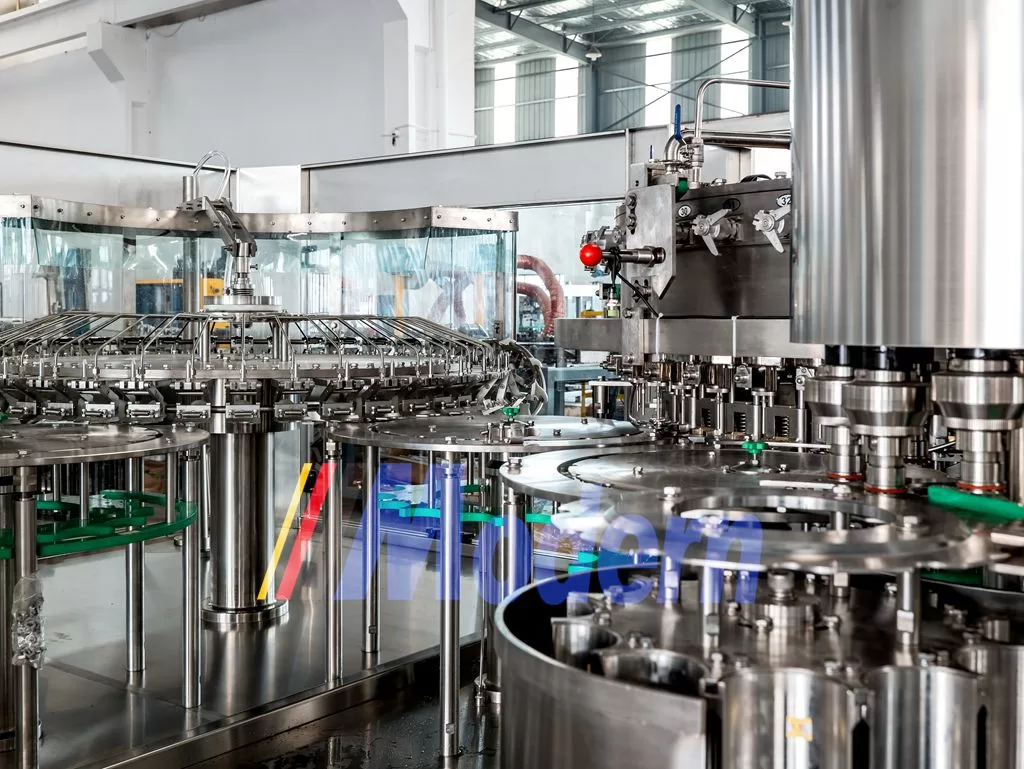
أحد الأسباب الرئيسية التي دفعت شركات المشروبات الغازية إلى الابتعاد عن الزجاجات القابلة لإعادة التعبئة هو التكاليف المرتبطة بنظام هذه الزجاجات. فبينما قد تبدو الزجاجات القابلة لإعادة التعبئة خياراً فعالاً من حيث التكلفة في البداية، إلا أن لوجستيات جمع هذه العبوات وتنظيفها وإعادة تعبئتها يمكن أن ترفع التكاليف بسرعة. إذ يتعين على الشركات الاستثمار في معدات متخصصة، ووسائل نقل، وأيدٍ عاملة للتعامل مع عملية الإرجاع وإعادة التعبئة، مما يزيد من النفقات التشغيلية.
من ناحية أخرى، تتطلب الزجاجات أو العبوات ذات الاستخدام الواحد استثماراً أقل في البنية التحتية، كما أنها أسهل في الإنتاج والتوزيع. وقد جعلت الراحة والكفاءة من حيث التكلفة التي توفرها العبوات ذات الاستخدام الواحد منها خياراً أكثر جاذبية للعديد من الشركات التي تتطلع إلى تبسيط عملياتها وخفض التكاليف.
2. تغير تفضيلات المستهلكين
لعبت تفضيلات المستهلكين أيضاً دوراً مهماً في التحول بعيداً عن الزجاجات القابلة لإعادة التعبئة. ففي نمط الحياة السريع اليوم، تعد الراحة أمراً أساسياً، وغالباً ما يبحث المستهلكون عن خيارات سريعة وسهلة. توفر الزجاجات ذات الاستخدام الواحد أقصى درجات الراحة، مما يسمح للمستهلكين بالاستمتاع بمشروباتهم المفضلة أثناء التنقل دون عناء إعادة العبوات الفارغة لإعادة تعبئتها.
علاوة على ذلك، أدى صعود التجارة الإلكترونية وخدمات التوصيل للمنازل إلى زيادة شعبية العبوات ذات الاستخدام الواحد، حيث غالباً ما تعطي هذه المنصات الأولوية للراحة وسرعة التوصيل على حساب الاستدامة. ونتيجة لذلك، اضطرت شركات المشروبات الغازية إلى التكيف مع اتجاهات المستهلكين المتغيرة وتلبية الطلب على خيارات المشروبات سهلة الوصول والمحمولة.
3. المخاوف البيئية
على الرغم من أن التحول نحو العبوات ذات الاستخدام الواحد قد يوفر فوائد قصيرة الأجل من حيث التكلفة والراحة، إلا أنه أثار مخاوف بيئية واسعة النطاق. كانت الزجاجات القابلة لإعادة التعبئة تُعتبر في السابق حلاً مستداماً للتغليف، حيث يمكن إعادة استخدامها عدة مرات، مما يقلل من النفايات وانبعاثات الكربون المرتبطة بالإنتاج والتخلص منها.
في المقابل، تساهم الزجاجات ذات الاستخدام الواحد بشكل كبير في التلوث البلاستيكي ونفايات مدافن النفايات. وقد دفع الوعي المتزايد بالقضايا البيئية والتوجه نحو الممارسات المستدامة المستهلكين إلى التشكيك في الأثر البيئي لقرارات الشراء الخاصة بهم. وتواجه شركات المشروبات الغازية الآن ضغوطاً متزايدة لمعالجة هذه المخاوف وإيجاد طرق لتقليل بصمتها البيئية.
4. استراتيجية التسويق والعلامة التجارية
عامل آخر يؤثر على التحول بعيداً عن الزجاجات القابلة لإعادة التعبئة هو استراتيجية التسويق والعلامة التجارية التي تتبناها شركات المشروبات الغازية. ففي سوق اليوم التنافسي، تلعب صورة العلامة التجارية وتصورها دوراً حاسماً في ولاء المستهلك وتفاعله. وقد اختارت العديد من الشركات تصميمات تغليف أنيقة وعصرية تتماشى مع هوية علامتها التجارية وتجذب الفئات المستهدفة.
توفر الزجاجات ذات الاستخدام الواحد مرونة أكبر من حيث تصميم التغليف وفرص العلامة التجارية. إذ يمكن للشركات بسهولة تخصيص الملصقات والألوان والأشكال لإنشاء تغليف منتج جذاب يبرز على الأرفف ويجذب انتباه المستهلكين. وقد أصبحت استراتيجية العلامة التجارية هذه ذات أهمية متزايدة في سوق مزدحم حيث يمكن للجاذبية البصرية أن تحدد نجاح المنتج أو فشله.
5. تحديات الرقابة التنظيمية والجودة
تتطلب أنظمة الزجاجات القابلة لإعادة التعبئة تدابير صارمة لمراقبة الجودة لضمان تنظيف الزجاجات وتعقيمها بشكل صحيح قبل إعادة تعبئتها. إن اللوائح الصحية والسلامة المحيطة بتغليف الأغذية والمشروبات صارمة، ويجب على شركات المشروبات الغازية الامتثال لمعايير الصناعة للحفاظ على ثقة المستهلك وتجنب مشاكل التلوث.
يمكن أن تكون إدارة مراقبة الجودة في نظام الزجاجات القابلة لإعادة التعبئة معقدة وتتطلب عمالة مكثفة، مما يستلزم عمليات تفتيش وصيانة دورية للمعدات. في المقابل، توفر العبوات ذات الاستخدام الواحد عملية مراقبة جودة أكثر وضوحاً، مما يقلل من مخاطر التلوث ويضمن سلامة المنتج. وقد أثر هذا النهج المبسط لمراقبة الجودة على العديد من الشركات لتبني العبوات ذات الاستخدام الواحد كخيار أكثر موثوقية وكفاءة.
الخلاصة
إن التحول بعيداً عن الزجاجات القابلة لإعادة التعبئة من قبل شركات المشروبات الغازية هو قرار معقد يتأثر بعوامل مختلفة، بما في ذلك اعتبارات التكلفة، وتغير تفضيلات المستهلكين، والمخاوف البيئية، واستراتيجيات التسويق، والتحديات التنظيمية. وفي حين توفر العبوات ذات الاستخدام الواحد فوائد فورية من حيث توفير التكاليف والراحة، فإنها تثير أيضاً أسئلة مهمة حول الاستدامة والأثر البيئي.
يجب على شركات المشروبات الغازية تحقيق توازن بين تلبية طلبات المستهلكين للراحة والممارسات الصديقة للبيئة. إن تبني حلول تغليف مبتكرة، والاستثمار في المبادرات المستدامة، والتفاعل مع المستهلكين حول أهمية الاستهلاك المسؤول هي خطوات أساسية يمكن للشركات اتخاذها لمواجهة هذه التحديات وبناء مستقبل أكثر استدامة لصناعة المشروبات.


